

Have you noticed that our shopping habits are quietly changing? More than half of us now choose digital channels for our purchases, always on the hunt for great deals and smart spending options. Recent studies reveal 14 key trends, from the rise of mobile shopping to the exciting use of interactive tech like AR and VR, that are reshaping how we buy. Imagine a world where the lines between online and in-store experiences blur seamlessly, and AI is there to offer personalized support every step of the way. In this article, we dive into why these changes matter and how they could spark even bigger shifts in the way we shop every day.
Overview of Trends in Online Shopping: Current Landscape and Future Projections
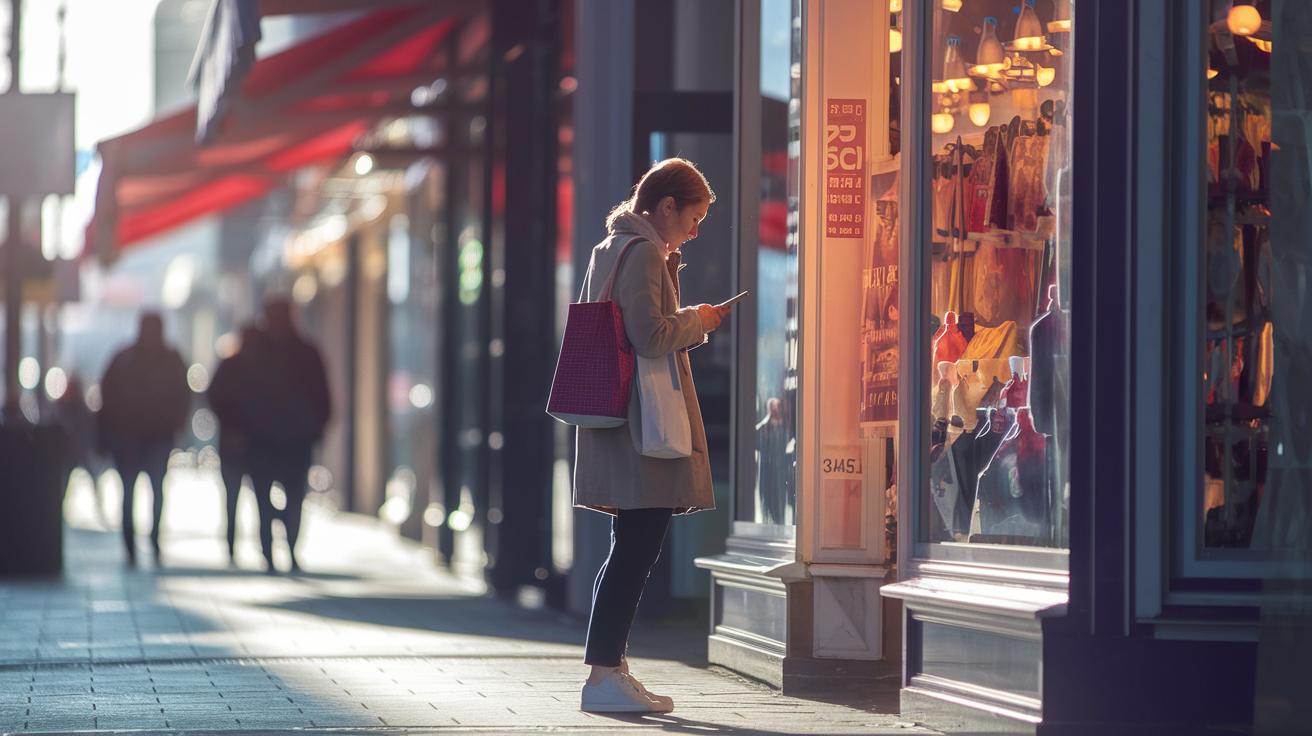
Online shopping is entering a completely new phase. Today, 57% of consumers around the world are choosing digital purchases. Recent research from 2024 outlines 14 major trends that are likely to drive changes over the next 12 to 18 months. For example, 39% of shoppers are on the lookout for budget-friendly deals, 26% are taking careful steps with their spending, and 22% prefer to wait before making a purchase due to current economic pressures.
About half of all shoppers now want a smooth mix of online and in-store experiences. Plus, mobile devices are huge, accounting for 64% of web traffic globally, which really shows how digital retail is taking over. Tools like AR/VR and 3D imaging are making a big splash too, helping customers see products in a whole new way. This digital upgrade not only strengthens the market now but also points toward a future where smart customer-service options, like AI-powered chatbots, become the norm.
- Mindful shopping statistics
- Omnichannel adoption rates
- Mobile commerce dominance
- AR/VR and 3D imaging uptake
- Chatbot and AI customer-service growth
Looking ahead, these trends hint at exciting changes. Retailers are expected to upgrade their digital platforms by adding advanced and immersive technology. In turn, shoppers can look forward to more natural and engaging experiences, one where physical product displays and interactive support go hand in hand. It’s a marketplace that’s gradually transforming as technology continues to evolve, making every purchase feel more personalized and well-supported.
Consumer Behavior Shifts in Online Shopping Trends

Consumers are clearly changing how they shop online. About 39% are on the lookout for budget-friendly deals, while 26% take a cautious approach to buying and 22% sometimes hold off on their purchases. Every detail on a product page counts, 70% of buyers say that high-quality content can sway their decision. This smart, thoughtful spending is pushing online retailers to present their products more transparently.
The secondhand market is booming now. Secondhand retail is growing four times faster than traditional outlets and could reach $276 billion by 2028. Younger shoppers, like Gen Z and millennials, are really into finding pre-loved items. At the same time, international shopping is on the rise, with 52% of consumers in the UK and US making at least one purchase from abroad last year. This shift underscores the need for wider product sourcing and smooth, trustworthy international transactions.
Social media remains a key spot for discovering products. Platforms like Facebook and Instagram are not just about keeping up with trends, they also make it easy to check out right then and there. In today’s fast-paced online market, blending discovery with a quick purchase is more important than ever.
Technological Innovations Driving Online Shopping Trends

Online shopping is changing fast as new tech takes center stage. Retailers are blending augmented reality and 3D imaging to let shoppers virtually try on products and see details in a whole new light. Imagine slipping on a pair of shoes online and checking out the fit in real time, it feels almost like trying them on in a store. This approach makes buying more interactive and personal, moving well beyond static pictures.
Artificial intelligence is also shaking up the retail world. AI helps manage stock and tailor suggestions to match you perfectly, even adjusting prices on the fly. Chatbots, once just simple helpers, now process full transactions. Experts predict the chatbot market will grow from $7.57 billion in 2024 to $8.97 billion in 2025. Plus, voice assistants like Siri and Alexa have evolved from basic searches to full-blown shopping assistants through voice commands.
| Tech Innovation | 2024 Adoption Rate | 2025 Forecast |
|---|---|---|
| Augmented/Virtual Reality | 35% | 50% |
| Chatbots | 42% | 58% |
| Voice Search | 28% | 45% |
These tech advances are reshaping how we interact with online stores, making the shopping experience smoother and more tailored to each individual. As these tools continue to evolve, expect even more intuitive and efficient ways to shop and connect with your favorite brands.
Mobile and Social Media Commerce in Online Shopping Trends

Smartphone-first design is reshaping the way we shop online. With mobile devices now driving 64% of global web visits as of August 2024, retailers are revamping their websites and apps to suit smaller screens. Picture a mobile store that looks clean and inviting, where you can easily browse products, check out reviews, and complete your purchase without any fuss.
New payment apps and digital wallets are making checkouts smoother than ever. They remove the hassles of traditional payments and help buyers complete transactions quickly and securely. Social media platforms like Facebook and Instagram are stepping up as more than just places to connect, they’re becoming hotspots where you can discover products and even buy them right away.
Live shopping events and partnerships with influencers add an interactive twist to mobile commerce. Shoppers can watch product demos live and ask questions in real time, making each session feel personal and engaging. This blend of mobile and social elements is creating a shopping experience that feels both intuitive and fun, offering a mix of trust and ease that today’s buyers really appreciate.
Personalization and Data Insights in Online Shopping Trends

Data is changing how we shop online every day. Seventy percent of consumers say the quality of product-page content can make or break their decision to buy. Think about it, imagine a website that tailors what you see each time, almost like it already knows your taste. This simple twist is transforming regular pages into personalized shopping experiences.
Retailers are leaning into first-party data collection to meet privacy rules while also improving how they interact with you. Real-time analytics power these efforts, allowing businesses to quickly tweak prices, promotions, and stock levels. Picture a sleek digital dashboard that adjusts your offers based on current trends, making every visit feel created just for you.
On top of that, AI-driven recommendation engines are taking personalization to the next level. They look at your browsing habits and past purchases to suggest items that might catch your eye. The result? A shopping journey that feels both natural and engaging, where one-time visitors can easily turn into loyal customers.
Sustainability and Ethical Practices Shaping Online Shopping Trends

Today’s shoppers expect brands to be truly committed to sustainability. They want to see proof that eco-friendly packaging and responsible production aren’t just buzzwords. With tougher checks in place to catch greenwashing, companies have to back up their claims with real, actionable steps. Even budget-conscious buyers, about 39% of them, now take time to review a brand’s social and environmental record before making a purchase.
Retailers are switching gears by embracing ethical sourcing and practicing complete transparency with their customers. Using renewable materials and cutting waste not only boosts a company’s credibility but also builds lasting trust. In a digital marketplace where genuine progress matters more than empty promises, these efforts help drive customer loyalty and keep the green shopping movement moving forward.
Live Shopping and Subscription Models in Online Shopping Trends

Live-stream shopping is reshaping the way we experience online buying, turning an ordinary browse into a dynamic, interactive event. Influencers lead these sessions with real-time demos and spontaneous Q&A moments that instantly grab your attention. Just imagine joining a live event, where you can ask questions on the spot as if you were chatting with a well-informed friend. Interactive features like polls and immediate Q&A not only keep you engaged but also inspire you to act quickly.
On the other hand, subscription services are catching the eye of digital shoppers. They bring a level of convenience and predictable costs that make regular purchases feel effortless and even enjoyable. Picture receiving a curated box of products at your doorstep every month, each one thoughtfully chosen to match your needs. This approach not only provides a steady stream of revenue for retailers but also ensures you always have easy access to your favorite items. As these trends gather steam, it’s clear that subscriptions offer a win-win for both businesses and consumers, smoothing the journey from discovery to purchase.
Cross-Border Expansion in Online Shopping Trends

Retailers are broadening their horizons by tapping into international markets. In fact, over half of shoppers in the UK and US have made at least one purchase from abroad in the last year. They’re doing this by using tools like multi-currency support, local payment options, and duty calculators. Imagine checking out in your own currency with taxes and fees clearly laid out, it feels just as comfortable as shopping next door.
Smooth logistics and clear shipping details are also key. Retailers are cutting down delivery times and keeping buyers in the loop at every step. Think about an order from a far-off country processed quickly with real-time tracking updates. This straightforward approach builds trust and invites consumers to explore products from around the globe, turning a simple idea into a real global shopping experience.
Final Words
In the action, this article painted a clear picture of today’s dynamic online shopping scene, from consumers’ cautious buying habits to innovative technology driving immersive experiences. We explored shifts in shopper behavior, mobile and social media adaptations, personalized data insights, sustainability efforts, and cross-border expansion. These insights, alongside trends online shopping analytics, equip professionals with the clarity they need to make smart and strategic decisions. The future looks bright and full of opportunity for those embracing these evolving market shifts.
FAQ
What is Reliance Trends online shopping and what offers are available today?
The inquiry about Reliance Trends online shopping and its daily offers means it delivers an accessible platform with contemporary apparel selections and budget-friendly deals, ensuring a smooth and engaging digital shopping experience.
How does Trends online shopping in India work and which app can be used?
The inquiry about Trends online shopping in India and its app suggests a user-friendly mobile platform offering a wide range of products and localized features designed to meet the needs of Indian consumers.
What options does Trends offer for both women and men?
The inquiry regarding Trends online shopping for women and men confirms the platform provides dedicated sections for each, featuring trendy, affordable apparel and a seamless shopping experience tailored to diverse style preferences.
What is known about the Ajio Trends online shopping experience?
The inquiry about Ajio Trends online shopping highlights a platform recognized for its curated collections, modern design, and engaging digital features that attract shoppers seeking fresh and innovative fashion options.
Whose brand is Trends?
The inquiry on whose brand Trends is reveals it is a part of Reliance Industries, offering stylish and affordable apparel through both physical retail and a robust online platform.
What are the biggest trends currently impacting online shopping?
The inquiry about the biggest trends indicates growth in mobile commerce, AI-powered personalization, AR/VR for product visualization, seamless omnichannel experiences, and a stronger focus on sustainable retail practices.
Which brands are considered trendy and what style is leading for 2025?
The inquiry regarding trendy brands and 2025 style suggests that brands like Reliance Trends and Ajio are popular, with modern, tech-integrated designs combined with eco-friendly practices setting the new standard.