

Have you ever thought that being everywhere might give your sales a boost? Multi-channel e-commerce isn’t just about having your own website. It’s about connecting with your customers on popular marketplaces and social apps they already love.
Imagine a retailer whose website is as smooth as a well-oiled machine while their Instagram and TikTok posts spark genuine interest. Research shows that this approach can boost revenue by up to 15% and deliver better marketing returns.
In this article, we’ll show you how combining different sales channels creates a familiar, trustworthy experience that can really energize your online sales.
Achieving Maximum Reach with Multi-Channel E-Commerce Strategies

Multi-channel e-commerce is all about selling your products not just on your website but also on big marketplaces like Amazon and Walmart, along with popular social platforms such as Instagram and TikTok, and even in physical stores. This way, you meet your customers wherever they like to shop. Imagine a retailer with a website that offers a smooth, interactive experience while its TikTok channel engages users with fun, conversational content that naturally drives sales.
Data tells us that this approach can boost revenue by 5%–15% and increase marketing ROI by 10%–30%. Think about it: with 70% of shoppers using smartphones to buy things and big names like Nike generating 18% of their sales via mobile apps, diving into mobile commerce is a no-brainer. Social selling is also changing fast, with platforms like TikTok moving toward engaging, interactive formats instead of old-school ads. In fact, a smart multi-channel e-commerce strategy can seriously expand your reach and improve your bottom line.
- Improve your website’s user experience for a seamless look and feel.
- List your products on popular marketplaces like Amazon and Walmart.
- Integrate social selling by being active on Instagram and TikTok.
- Keep track of your inventory and orders in real time.
- Use data-driven strategies like retargeting and video content.
Staying consistent across all these channels is key. When your messaging matches everywhere and your data flows smoothly, every customer interaction feels unified and trustworthy. Whether your customers engage online or in a store, a consistent experience builds smoother operations and stronger trust. As your brand grows, each channel works together to reinforce your overall market presence.
Selecting Optimal Platforms in Multi-Channel E-Commerce

When picking platforms for multi-channel e-commerce, you need to weigh the benefits of reach and control against the challenges of complex integrations and costs. Running your own online store gives you total control over your brand, so you can design the customer journey exactly as you want. But marketplaces like Amazon and Walmart can help you reach millions fast, even if their setups are trickier. And social media shops, like Instagram Shopping, are great for creating an engaging, interactive buying experience. Physical point-of-sale systems, such as Shopify POS, blend offline and online sales effectively, driving noteworthy growth, sometimes as much as a 150% quarterly increase when set up right.
Deciding on the best mix means looking at the trade-offs between a broad reach and the extra work needed to integrate systems. Think about how much control you want over customer interactions and how flexible you need to be to adjust to market changes. For instance, while marketplaces offer huge exposure, they might restrict a consistent brand experience. In a similar vein, though physical POS systems can boost local engagement, they often demand hands-on management to keep everything running smoothly. Matching the right platforms with your business model can really streamline your multi-channel e-commerce strategy.
| Channel Type | Reach Potential | Integration Complexity | Key Benefit |
|---|---|---|---|
| Website | High | Low to Medium | Full brand control |
| Marketplace | Very High | Medium to High | Scalable exposure |
| Social Media | High | Medium | Engaging customer interaction |
| Physical POS | Local to High | High | Seamless in-store integration |
Integrating Inventory Synchronization and Unified Order Fulfillment in Multi-Channel E-Commerce
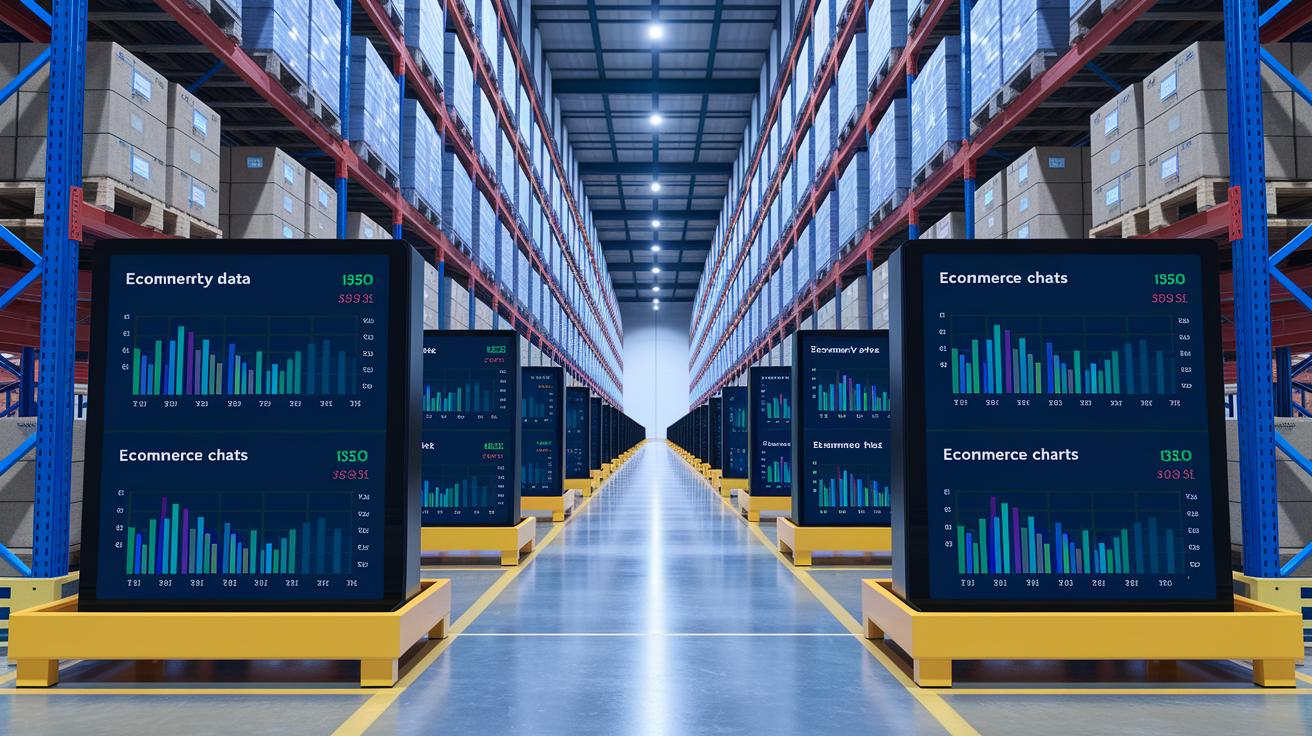
Inventory Synchronization Technology
Keeping your product data current in real time is key to running a smooth online business. Tools like NuORDER bring all your product details together on a cloud platform, so your stock levels update instantly across every channel. Think of it like a digital dashboard that changes as quickly as a live train schedule. This approach helps you avoid pitfalls like overselling or running out of stock, ensuring that what you promise your customers always comes through.
Centralizing your inventory data also makes tasks like managing returns and connecting with third-party logistics much simpler. Instead of constantly chasing numbers, you get a clear snapshot of your stock at any moment. That clear view empowers your team to act quickly, keeping operations efficient and profits on track.
Unified Order Fulfillment Models
Blending online and local store orders can make your deliveries faster and even cut costs. When you join your ERP with 3PL systems, you can reduce operational hiccups and potentially save over $7,500 on integration expenses. In short, this unified model helps consolidate orders seamlessly, so you face fewer shipping delays and less extra handling.
Local fulfillment networks, such as the Shopify Fulfillment Network, are designed to meet today’s expectations with two-day shipping. And with specialized modules for handling returns, the post-purchase process becomes much simpler and more satisfying for your customers. Many retailers are now turning to Omnichannel Ecommerce frameworks, a smart way to blend every channel into one efficient, high-performing system.
Leveraging Automation Tools for Seamless Multi-Channel E-Commerce Management

Automation tools make your work easier by handling tasks like updating product listings, processing orders, and tracking analytics across every sales channel. They help trim down manual work, lower mistakes, and speed up keeping your inventory current in real time. Imagine a simple dashboard that manages everything, from giants like Amazon and Walmart to social favorites like Instagram and TikTok. This lets your team focus on growing the business instead of being bogged down by routine tasks.
Top platforms in this field bundle several useful features to bring all your operations together. For instance, Shopify’s Sales Channels connect you with big marketplaces and popular social apps, while Managed Markets reach out to more than 150 global markets and Stocky keeps your inventory spot on. Other solutions take it further by handling product data across over 200 channels, deepening customer relationships with smart CRM tools, and even employing multichannel chatbots that answer via email and SMS. And with dedicated returns solutions like Loop Returns, even the post-purchase process becomes smooth and predictable.
Which automation setup fits you best? That depends on the size of your business and how many sales channels you juggle. Smaller businesses might do well with a simple system that covers the basics, whereas larger brands may need a more extensive toolset that embraces mobile commerce and smart social strategies. Take a close look at your current operations, note down your key channels, and choose tools that can grow with you while blending smoothly into your workflow.
Monitoring Channel Performance Analytics for Multi-Channel E-Commerce Growth

Monitoring your channel performance isn’t just about crunching numbers. In a multi-channel e-commerce setup, key figures like revenue growth (usually between 5% and 15%), marketing ROI boosts of 10% to 30%, mobile conversion rates reaching 70% among smartphone users, and video engagement rates around 91% paint a clear picture of which channels are truly earning their keep.
Building an integrated analytics dashboard is a game changer. It pulls data from all your platforms into one easy-to-read view, letting you track trends, user actions, and campaign performance in real time. This way, you can catch issues like cart abandonment early on and jump into action with dynamic retargeting or event-triggered campaigns that keep everything running smoothly.
By leaning on these insights, you can craft smarter channel strategies. Reports, like those in the Retail Insights Report 2025, offer practical tips that help your team fine-tune every campaign and promotion. This data-driven approach means each effort works together for seamless order fulfillment and overall growth, keeping you ahead of the game.
Best Practices and Case Studies in Multi-Channel E-Commerce Implementation
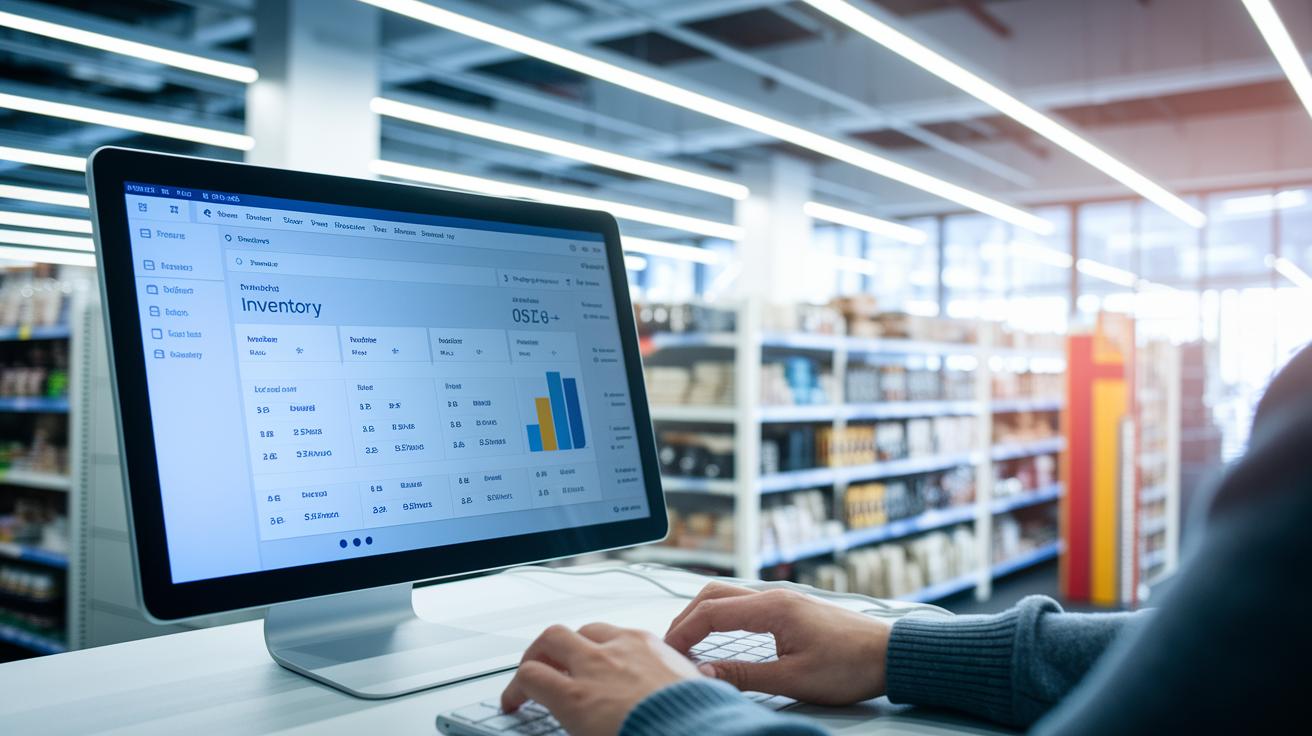
Music Store Chain Transition
A well-known Southeast Asia music store chain switched from Magento to Shopify to simplify its operations. They reorganized their platform to bring inventory management under one roof. This change allowed their team to update stock levels instantly, which sped up order processing by 20%. By using a unified dashboard, they broke down data silos, cut down on order errors, and made sure customers got their products on time.
Clothing Brand Omnichannel Expansion
A vibrant clothing brand moved beyond its all-online model by launching physical stores with Shopify POS. This setup connected their digital and brick-and-mortar sales, giving real-time insight into inventory. They even added an in-store pickup option, keeping the customer experience consistent no matter where the purchase happened. The result? A 30% jump in in-store conversion rates, proving that well-integrated cross-channel strategies really work.
Shoe Business Scaling Across 10+ Channels
A footwear retailer grew from serving a local market to operating in over 10 retail locations along with multiple online channels. They combined an integrated CRM with an omnichannel fulfillment strategy to manage customer interactions and stock levels smoothly across every platform. Using smart analytics, they fine-tuned their marketing and improved product choices, which helped boost revenue by 40% year-over-year. This success shows how merging technology with clear planning can drive growth across diverse sales channels.
Final Words
In the action, we explored how multi-channel e-commerce strategies drive growth by expanding reach across websites, marketplaces, and social media. We highlighted the benefits of unified inventory management, streamlined order fulfillment, and smart automation tools. Pro tips on picking the right platforms and keeping brand messaging consistent round out these insights. Every piece of the strategy works together for a clearer, data-driven decision-making process. Embracing this approach builds confidence and sets the stage for ongoing market success.
FAQ
What is multichannel e-commerce?
The multichannel e-commerce approach refers to selling products on multiple platforms—like your website, online marketplaces, social media shops, and physical stores—to boost revenue and reach a wider customer base.
What is an example of multi-channel marketing?
The multi-channel marketing example involves promoting products on various platforms—websites, social media, marketplaces, and physical locations—ensuring consistent messaging that drives customer engagement and enhances sales.
Is Amazon multichannel or omnichannel?
The Amazon model represents a blend of multichannel and omnichannel strategies by offering marketplace shopping along with integrated fulfillment and customer service that delivers a seamless shopping experience across many touchpoints.
What are the 4 types of e-commerce?
The 4 types of e-commerce include business-to-consumer, business-to-business, consumer-to-consumer, and consumer-to-business, each catering to different market interactions and transaction volumes.