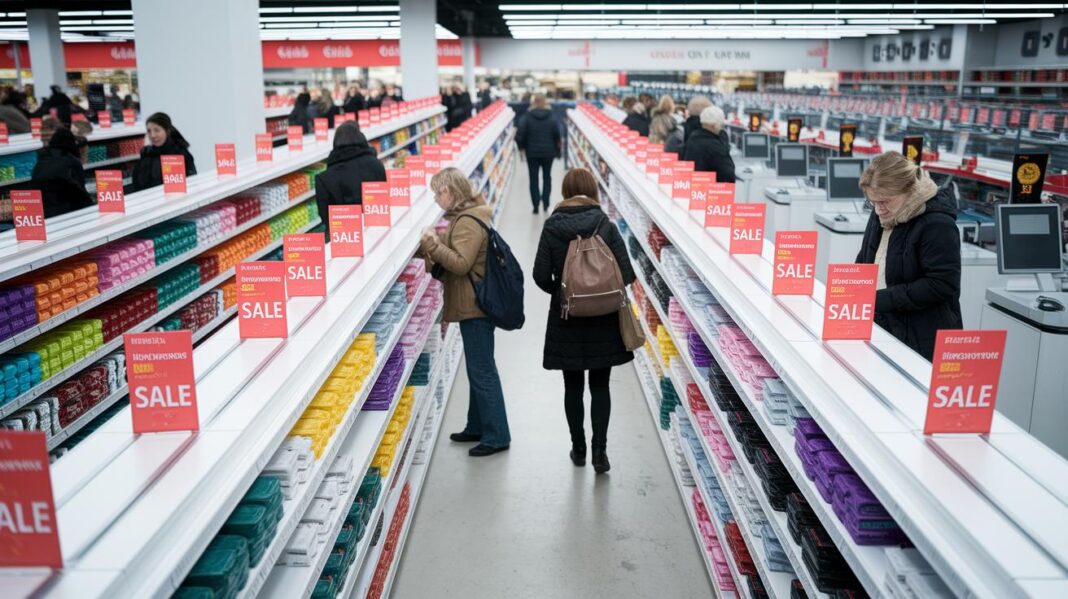
Is your retail store geared up for a real transformation? Picture this: every customer interaction, from online browsing to a quick in-store checkout, is smoothly connected by modern tech. Smart systems combine cash registers, inventory tracking, and data analysis to create a shopping experience that’s both speedy and welcoming. Today, we’re diving into straightforward tech solutions that can completely reshape how your store runs. Simple tweaks like these can boost efficiency and make your customers smile every time they shop.
Core categories of retail tech solutions for modern store operations
Retail tech helps blend online and offline shopping into one smooth, user-friendly experience. By connecting systems like registers, inventory tools, and data dashboards, retailers close the gap between their digital presence and physical stores. Imagine a shop that uses smart sensors and self-service kiosks to instantly show you what's in stock – a perfect mix of digital ease and in-person service.
Key tech solutions are changing how stores operate. Cloud-based point-of-sale systems speed up checkouts and even boost sales conversions. Smart inventory platforms track stock levels in real time with simple analytics, while e-commerce integrations make sure both online and in-store inventories stay perfectly in sync. And then there are immersive digital interfaces, from augmented reality displays to interactive screens, that capture customer interest and make shopping fun. Automation tools even handle routine tasks like order processing and customer updates, keeping everything running smoothly.
When these digital tools work together, they create a seamless ecosystem that improves efficiency and customer satisfaction. Data from every interaction and stock update guides smarter business decisions, leading to quicker service and a consistently engaging shopping journey. In short, combining digital insights with traditional retail transforms ordinary stores into dynamic, modern hubs that truly keep up with today’s fast-paced market.
Point-of-sale systems and automated checkout platforms in retail tech solutions
Today's point-of-sale systems have evolved far beyond the old cash register. They are now cloud-based platforms that connect effortlessly with digital tools. In the early days, systems needed manual data entry and relied on standalone hardware. But now, systems like Shopify POS offer a checkout experience that can boost conversion rates by 15%, merging the best of in-person and online shopping. Meanwhile, platforms such as Clover mix payment processing with sales support across all channels, and AI-driven solutions like Mashgin’s self-checkout kiosks can process payments up to four times faster, cutting transaction times dramatically.
Key benefits of these modern checkout systems include:
- Faster transactions that shorten customer wait times
- Smooth integration with both in-store and online inventories
- Real-time tracking of sales and performance
- Enhanced security thanks to contactless payment options and mobile wallet integration
- A more satisfying checkout experience for customers
When choosing a system, it’s crucial for retailers to ensure it fits well with their existing operations. A modern POS should allow real-time data to flow between physical stores and e-commerce channels seamlessly. This means shoppers enjoy a quicker, safer experience, while retailers benefit from fewer errors and clearer insights into sales trends. For more details on top point-of-sale systems, check out https://omegamarkets.com?p=95.
Inventory management technology and supply chain innovation tools
Retailers juggle the challenge of keeping stock levels on point while still meeting customer demand every single day. Unpredictable product flows and sudden order spikes can lead to painful stockouts or excess inventory. Modern tech tools like AI-powered robotic systems and RFID tagging now step in to handle these issues, automating steps from the warehouse right to the sales floor. They not only sharpen inventory accuracy but also make sure goods flow smoothly with minimal manual touch.
Then there are AI-driven forecasting platforms that predict future needs with great accuracy, cutting stock shortages by up to 20%. Autonomous mobile robots, or AMRs, use smart navigation to move materials efficiently through busy warehouses. This blend of clever inventory controls and cutting-edge supply chain tools is transforming store operations, boosting efficiency and keeping customers happy.
| Technology | Key Benefit |
|---|---|
| Robotic fulfillment | Speeds up picking, packing, and shipping |
| AMRs | Optimizes material transport with adaptive AI |
| AI forecasting | Reduces stockouts by accurately predicting demand |
By cutting operational costs and minimizing errors, these innovations improve ROI significantly. Retailers benefit from a steadier, more reliable supply chain that leads to quicker deliveries, enhanced customer trust, and stronger overall sales.
Harnessing data analytics and AI-powered shopping tools for retail growth

Retailers are increasingly using data analytics to make smarter decisions and get a better feel for what their customers need. With AI-powered shopping tools, they can break down heaps of data from every transaction and turn complex numbers into clear, actionable insights. Imagine watching shopping trends change in real time, a little like having a secret window into what customers want. For example, a retailer might use machine learning to spot a hidden trend in customer preferences even before launching a new product line, allowing for rapid adjustments.
Review management is another area where these tools shine. Platforms like ReviewTrackers pull in customer comments and analyze them for overall sentiment. This means retailers get instant alerts whenever customer opinions shift, helping them tweak their offerings on the fly. Every new comment can be a hint toward making the shopping experience even better, with small changes that can go a long way in boosting brand loyalty.
Then there’s the rise of advanced search and personalized recommendation systems that improve online shopping. Using AI to tailor product discovery, platforms like Constructor hone onsite searches and offer recommendations that really hit the mark. Picture logging in to a website and easily finding a dress just for you because of recommendations shaped by your past purchases, a clear win for personalization efforts.
And let’s not overlook chatbots, a key part of today’s digital retail scene. With tools like Chatfuel handling over a billion interactions each month across major social channels, retailers can chat with customers any time of day. This always-on engagement not only drives sales but also builds lasting customer relationships, making digital shopping feel seamless and welcoming.
Omnichannel commerce platforms and digital tools for seamless retail experiences
Retailers are now mapping out every step of their customer’s journey, blending online and offline experiences. Advanced analytics shed light on how shoppers move from browsing a website to stepping into a store. One tool even found that 47% of customers switched channels when promotions didn’t line up, pushing retailers to fine-tune their messaging along the way.
Another hurdle is keeping the timing and content consistent across all channels. Modern analytics platforms track customer behavior across different touchpoints to show exactly where the customer experience hits a snag. For example, there might be a noticeable difference in how shoppers react to a mobile push versus an in-store deal.
Recent case studies hint at big rewards for retailers using these smart tools. In one instance, adjusting the order of online ads and in-store events led to a noticeable boost in customer retention. This underscores the value of blending real-time data with a unified customer journey and personalized content.
Strengthening security and modernizing IT infrastructure with retail tech solutions

Retailers are up against tougher security challenges today. With remote work changing the landscape, cyberattacks and physical threats have grown more crafty. The old defense methods just don’t cut it anymore. We need robust security frameworks that keep customer data and systems safe from both digital and physical risks.
Remote work also shines a light on weaknesses in older security systems. Retailers need to ditch outdated methods and take proactive steps against emerging threats like stolen credentials and targeted breaches. This shift is key to keeping both operational stability and customer trust firmly in place.
Modernizing IT infrastructure means moving from clunky legacy systems to agile cloud solutions and integrated setups. For instance, partnerships like the one between CBTS and Retail Tech Inc. offer a blend of strong network setups, managed IT services, and specialized cybersecurity measures. This approach enhances responsiveness and supports retail growth in a fast-changing market.
Reliable managed services are the bridge between patchwork systems and a smooth, scalable digital backbone. With dedicated support from committed providers, retailers can upgrade their IT systems while staying secure. This careful modernization not only keeps businesses running smoothly but also builds resilience for the future.
Retail tech solutions Elevate Store Success
Vendor selection guidelines
When a retailer is considering a new technology solution, start by pinpointing your needs and doing thorough research on potential providers. Look for systems that can grow with you, integrate effortlessly with existing tools, offer reliable technical support, and keep the total cost in check. For example, BigCommerce delivers multi-storefront and API-driven services that work well for both B2B and B2C setups, while Shopify provides customizable storefronts designed to grow alongside your business. Checking these aspects ensures the new solution fits seamlessly into your current operations and future plans.
Ease of integration is another crucial factor. You want to add digital commerce tools without creating any hiccups in your daily operations. Providers who back their technology with strong consulting and integration services can help you avoid common roadblocks. Typically, this means starting with pilot runs, gathering feedback, and making gradual improvements. In short, choose a vendor not just for its features, but for its ability to support ongoing updates and adapt to changing market needs.
ROI evaluation framework
Measuring the return on investment is key when picking a retail tech solution. Keep an eye on metrics like increased sales, cost savings, and the time gained by automating routine tasks. For instance, a cloud-based point-of-sale system like Aptos, which includes real-time inventory tracking and AI-powered pricing, can smooth out daily operations, shorten the payback period, and boost customer satisfaction.
It’s also important to assess how the technology impacts the overall customer experience. A streamlined checkout or enhanced in-store processes can lead to higher customer retention, translating into long-term cost efficiencies and a competitive edge. Make sure to review data from pilot programs and early deployments to adjust your expectations and strategy accordingly.
Ultimately, blend the hard numbers with insights on vendor trustworthiness and partnership potential. Weigh technical performance alongside strategic fit to choose a solution that meets today’s demands as well as tomorrow’s goals.
Final Words
In the action, we explored how retail tech solutions merge digital and physical channels. We touched on key categories, from modern POS systems to smart inventory management and AI-powered analytics that foster streamlined operations.
Each section highlighted practical benefits, faster checkouts, precise inventory control, secure systems, and seamless omnichannel experiences.
Embracing retail tech solutions promises to drive efficiency and customer delight, paving the way for a brighter, more innovative future.
FAQ
Q: What are some notable retail tech companies and examples of effective solutions?
A: Notable retail tech companies integrate digital and physical channels. They offer solutions like cloud-based POS, smart inventory systems, and AI-powered tools that streamline operations while boosting customer engagement.
Q: What are considered the best retail tech solutions?
A: The best retail tech solutions combine seamless point-of-sale systems, automated checkouts, and inventory management technologies. They drive higher conversion rates and smooth in-store transactions using AI and reliable cloud integration.
Q: How is Retail Tech Inc. deploying its solutions in stores?
A: Retail Tech Inc. deploys its systems by building robust network infrastructure, managed IT services, and targeted retail cybersecurity. Their approach supports secure POS operations and unified connectivity for physical and online sales.
Q: What do reviews indicate about Retail Technologies Inc.?
A: Reviews of Retail Technologies Inc. highlight reliable performance and solid integration of digital and store operations. Customers appreciate its cohesive systems that support seamless connectivity and enhance overall store efficiency.
Q: What career opportunities does Retail Tech Inc. offer?
A: Careers at Retail Tech Inc. focus on IT infrastructure management, retail cybersecurity, and tech deployment. Professionals gain hands-on experience with modern retail systems while contributing to innovative digital commerce projects.
Q: What services does Retail Technology Group provide?
A: Retail Technology Group offers integrated tech services that bridge physical stores and digital channels. Their solutions improve inventory management, POS performance, and data analytics, enhancing both operational efficiency and customer satisfaction.