
Ever notice how some stores run smoothly while others seem to hit a snag at every corner? Retail control systems are built to blend order management, inventory, customer relationship management, and analytics into one seamless, always-on hub. Imagine a smart dashboard that spots even the smallest stock hiccup before it can impact a sale. This isn’t just about streamlining your everyday tasks; it also boosts security with real-time data tracking so every sale, update, or stock movement is recorded. With a clear overview and fewer mistakes, you can focus more on growing your business and making smarter decisions.
Retail control systems boost efficiency and security

Retail Control Systems is changing the game for businesses by merging order management, inventory control, CRM, and analytics into one smooth, cloud-based platform. It’s designed for retail, wholesale, and e-commerce alike with a system that works 24/7. Picture this: a smart dashboard that instantly fixes a stock miscount before it can cause any sales hiccups.
The platform also comes loaded with features like personal briefings and GenAI instant insights that spark fresh ideas for digital commerce. Plus, it easily connects with tools like Microsoft Excel, Google Sheets, and Microsoft Teams, giving you real-time product oversight. This tight-knit approach is key in today’s competitive market where every second and every bit of data counts. By automating inventory tasks, you can cut down on manual errors and focus on decisions that really move the business forward.
RCS doesn’t stop at making operations smoother, it also boosts your data security. With continuous monitoring, every sale, update, and stock movement is tracked in real time. This means faster, smarter decisions on the sales floor and a system that’s always ready to respond to changing customer needs while keeping everything secure.
Core Features and Architecture of Retail Control Systems
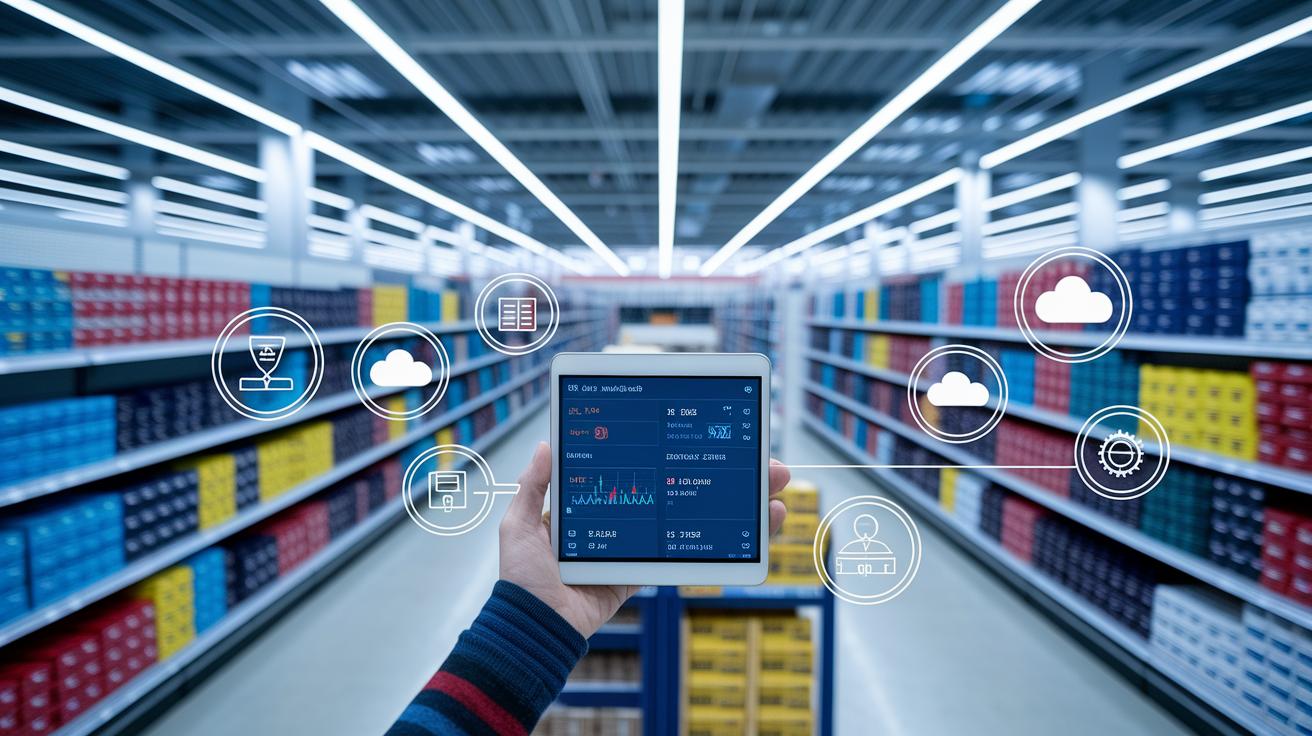
Modern retail systems are built with a modular approach that ties together mobile point-of-sale, order management, inventory tracking, customer relationships, and analytics. Each part communicates through secure middleware and APIs, keeping in-store devices and central servers in constant, real-time sync.
Cloud management brings all sales channels together seamlessly. Whether a purchase happens online or at a brick-and-mortar store, every transaction is funneled into one central system that grows with your business. Built-in GenAI insights and straightforward briefing tools help retailers pivot quickly. For example, one leading retailer saw a 30% drop in inventory errors thanks to continuous data syncing, practically eliminating stock discrepancies.
Robust technical layers strengthen this setup by using encrypted API communications to link every module securely. This ensures that all parts can share and process information safely, all while keeping the focus firmly on the user. The unified system delivers round-the-clock efficiency, blending smart tech with clear, immediate benefits for retailers.
Integration Strategies for Retail Control Systems Deployment

Integration projects work best when you use custom API solutions to link your cloud-based retail control system with existing ERP and CRM platforms. For example, connecting RCS with SharpSpring CRM helped build lead nurturing workflows that automated follow-ups and boosted productivity. The trick is to plan API connections carefully, mapping out data flows ensures that updates happen accurately and in real time across all sales channels.
Millennium’s teamwork with RCS highlights the benefits of beginning with a solid design, wireframe, and taxonomy plan. This groundwork helps build an interactive website that smooths the integration process. Technical teams often use sandbox testing and phased roll-outs to catch any hurdles before the system goes live.
It’s also smart to adopt remote data management tools and enforce version control early on. This approach makes troubleshooting easier and lets teams test small updates without causing disruptions. Regular training sessions for users further ensure that everyone is ready to take full advantage of the new system, keeping downtime to a minimum and efficiency high.
For more detailed, proven guidance, check out our digital commerce platform at OmegaMarkets.com.
Comparing Leading Retail Control System Platforms
Retail control systems simplify how businesses run their daily operations while boosting efficiency. For instance, Retail Control Systems stands out with its smart, all-in-one point-of-sale solution that neatly ties together inventory, customer relationship management, analytics, and even GenAI features. On the flip side, competitors like Awayco, GlobalTill, and CitiXsys Holdings bring their own special touches to suit different retail needs.
Teamwork Commerce, which started back in 2013, offers a sturdy omnichannel solution that covers mobile POS, order management, and CRM. It’s used in a wide range of places, from clothing stores to museums and even stadiums, showing how a cloud-based system can be both flexible and focused. While some platforms zero in on things like ERP integration or rewards programs, Teamwork Commerce delivers a broad mix of tools to help retailers thrive.
The main goal across these systems is to cut down on manual errors and keep stock levels visible in real time. Each solution has its own pricing style whether through tiered licenses, cloud subscriptions, or other models. This variety reflects how retailers of all sizes are looking for tools that adapt to their unique needs.
Retail Control Systems continues to lead because of its comprehensive support and innovative tech. Yet, the field is filled with diverse providers, all working to evolve their offerings in today’s fast-moving market.
| Platform | Foundation Year | Core Features | Target Sectors |
|---|---|---|---|
| Retail Control Systems | , | Inventory, CRM, Analytics, GenAI | Retail, Wholesale, e-Commerce |
| Teamwork Commerce | 2013 | Mobile POS, Order Mgmt, CRM | Apparel, Museum, Stadium |
| CitiXsys Holdings | , | ERP Integration, Omnichannel | Retail Chains |
| GlobalTill | , | Cloud POS, Loyalty | SMB Retail |
Case Studies: Retail Control Systems in Action

RCS joined forces with Millennium to breathe new life into their inbound marketing. They faced tough challenges like few digital leads and a patchy online presence. The team quickly discovered that outdated website design was a major barrier. Did you know a clunky website can slash conversion rates by nearly 30%? With that in mind, they overhauled the site with a crisp layout and easy navigation. They also integrated SharpSpring CRM so that lead nurturing would run on autopilot, keeping careful track of every digital interaction.
Their transformation plan rolled out in clear steps. First, they examined all current digital assets and mapped out a sturdy wireframe. Next, they built a custom taxonomy to neatly organize content and help guide customer interactions. Finally, they launched a phased roll-out that blended local and national PR campaigns.
In another inspiring case study, RCS crafted a museum-focused micro-campaign for a very specific audience. The team tailored messages based on geography and demographics to hit the mark. The results? Both projects ended with a funnel brimming with pre-qualified leads, higher conversion rates, and smoother daily operations. Retailers saw better product management and swift decisions on the sales floor. In short, these initiatives are living proof that smart store automation can spark digital transformation and push technical support innovations in retail.
Pricing Models and ROI Analysis for Retail Control Systems

Cloud POS providers offer several pricing options. They might charge per terminal, offer tiered service packages, or even provide hardware leasing. For example, one small retailer switched to a per-terminal plan and quickly noticed a 15% drop in manual stock tweaks.
When shopping around for POS solutions, don’t just look at the sticker price. It pays to compare each subscription against any up-front fees, and remember, the total cost includes software, hardware, setup, and ongoing support.
Scalable solutions really shine by cutting down on stockouts and saving on labor thanks to automation. Data-driven retail strategies add another layer by enhancing sales insights. Think of it this way: add up your labor savings, fewer stockouts, and extra sales, then divide by the total cost to see when you break even.
Since pricing models can vary quite a bit, it makes sense to examine each package side-by-side. That way, you can pinpoint a plan that aligns perfectly with your operational needs and financial goals.
Future Trends Influencing Retail Control Systems Evolution
Retail control systems are quickly evolving with new technologies that set the stage for tomorrow’s store experiences. One of the most exciting trends is AI-powered analytics. Imagine a system smart enough to adjust your inventory automatically as sales roll in. It’s like having a personal assistant making sure you’re always stocked at peak efficiency.
GenAI is also shaking things up in digital commerce by offering on-the-spot recommendations for both online and brick-and-mortar stores. Self-service kiosks are stepping in to make shopping more interactive, easing the load on busy staff. And with tighter integration into collaboration tools like Teams, next-gen operations now boast unified dashboards where mobile POS and omnichannel experiences work hand in hand.
Retailers who jump on these innovative technologies can create open API ecosystems that are always up-to-date and ready to adapt. By embracing smart analytics and cutting-edge sales technology, companies can build operations that are not only safer but also set up for stronger performance on the shop floor.
Final Words
In the action, retail control systems tie together inventory management, streamlined order processing, and real-time data insights to enhance store operations. We explored how a modular setup, API connections, and clear case studies help bridge manual work and automation.
The blog highlighted pricing models, strategic implementations, and future trends shaping these systems. Positive change is in sight when businesses use retail control systems to guide informed decisions, simplify workflows, and drive growth. The future looks bright for those ready to embrace data-led enhancements.
FAQ
What does Retail control systems Glassdoor indicate?
The inquiry about Retail control systems Glassdoor relates to employee reviews and company ratings available on the site. It offers job seekers insights into work conditions and compensation details shared by current and former employees.
What do Retail control systems salary details reveal?
The question about Retail control systems salary explores information on compensation offered by companies using these systems. It highlights typical pay scales and benefits, helping candidates assess financial prospects in retail tech careers.
What opportunities exist with Retail control systems careers?
The query about Retail control systems careers refers to job opportunities in companies offering integrated retail software. It focuses on roles in support, development, sales, and operations, providing pathways for professional growth in retail technology.
How does Retail Control Systems support work?
The question on Retail Control Systems support addresses the customer service and technical assistance provided by these platforms. It typically includes troubleshooting, guidance, and regular updates to ensure smooth business operations.
How does Retail control systems integrate with NCR Counterpoint?
The query about Retail control systems NCR Counterpoint examines how these systems work together. It generally involves integration that supports consistent data flow and streamlined transaction processing across differing retail platforms.
What do Retail control systems reviews typically comment on?
The inquiry into Retail control systems reviews sheds light on user experiences regarding system reliability and performance. Reviews often detail ease of use, operational benefits, and overall satisfaction with the technology.
What can be said about Retail Data Systems and jobs?
The question about Retail Data Systems and jobs covers information on retail technology platforms and career opportunities. It involves systems that manage inventory, orders, and analytics while providing various roles in tech and support functions.
What is the best POS system for retail?
The question about the best POS system for retail seeks a solution combining inventory management, streamlined checkouts, and real-time data insights. Platforms like Retail Control Systems are often favored for optimizing sales and operations.
What exactly is a retail control?
The question regarding what a retail control is refers to a system that manages key retail operations—including sales, inventory, and customer relations—by integrating various functionalities to simplify processes and enhance decision-making.
What are retail systems used for?
The inquiry about retail systems refers to technology platforms designed to handle sales transactions, inventory tracking, and customer engagement. These systems improve operational efficiency and help create a smoother shopping experience.
What software is commonly used in retail operations?
The question about what software is used in retail covers applications like cloud-based POS, inventory control tools, CRM, and reporting systems. Such software combines to support seamless store operations and enhance sales performance.