

Ever notice how shopping sometimes feels off? Retailers are really feeling the pinch. They’re juggling supply chain headaches, clunky in-store systems that just don’t mesh with today’s online pace, and not enough staff to keep things moving. A recent survey even shows these supply chain hiccups are costing them a lot each year.
In this post, we'll walk through the everyday challenges reshaping retail. We'll also explore how brands are cleverly tweaking their strategies to better meet what you and other consumers expect. It’s a fresh look at an industry in upheaval, something you might just find changes the way you see your next shopping trip.
Retail industry challenges: Fresh Insights Ahead
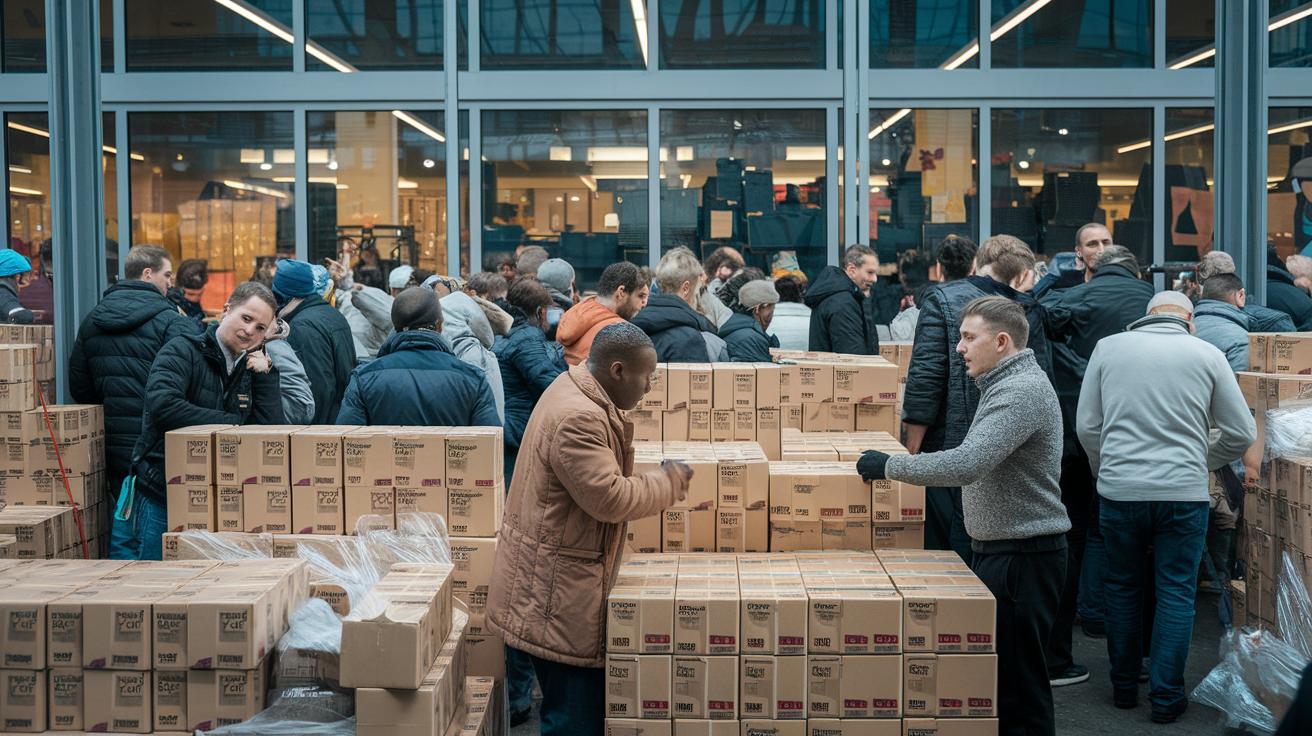
Retailers are up against a lot these days. Picture a busy store trying to meet customer demand while battling shipment delays and unpredictable supplier hiccups. In a 2023 survey, 68% of retailers said supply chain issues were their biggest headache. This not only means missed opportunities, but it also translates directly to lost revenue.
Digital integration is another major stumbling block. Many businesses are trying hard to blend outdated in-store systems with advanced online platforms. The result? A choppy customer experience and inefficiencies that slow everything down. When data gets split up across different systems, making smart decisions becomes a shot in the dark.
Consumer habits are shifting quickly, too. For example, McKinsey found that shoppers using multiple channels tend to spend almost twice as much as those sticking to one. This insight highlights the need for a smooth, interconnected experience. At the same time, fresh waves of consumer demands force brands to continually reinvent themselves just to keep pace.
Then there’s the workforce challenge. It’s no secret that finding and keeping skilled staff is tougher than ever. With quit rates running 70% above the industry average and turnover costs soaring by 25%, the race to recruit and retain dependable workers feels like an uphill battle.
Finally, pricing pressures add another twist. Inflation in 2023 has driven up labor, rent, and material costs by about 10%, while discretionary spending has dropped 5%. And if that wasn’t enough, recurring data breaches, costing companies an average of $3.28 million in 2022, are chipping away at consumer trust.
All these hurdles are pushing retailers to rethink their strategies and systems. The urgency for innovative solutions has never been clearer in today’s global market.
Supply Chain and Inventory Management Snags in Retail

Retailers are running into real problems lately as supply mishaps and inventory slip-ups start to hit their bottom lines. Recent reports show that around 7% of top-selling items are out of stock because of component shortages. Picture this, a customer searching for a must-have product finds empty shelves. It’s a clear sign that these inventory issues are directly slashing sales.
In the past 18 months, last-mile delivery costs have jumped by 20%. This extra expense squeezes profit margins and forces retailers to make tough choices. For example, if costs rise too much, a retailer might raise prices, nudging savvy shoppers toward competitors with better deals.
Port congestion and a shortage of carriers aren’t helping either; 35% of shipments bumped into delays last quarter. Those slowdowns mean warehouses stay understocked and customers end up waiting much longer than they’d like.
Meanwhile, syncing errors across different sales channels are causing a 12% oversell rate during peak times. That leads to order cancellations and a flurry of returns, which only adds to overall costs.
A top retailer once reported that a simple misalignment between online inventory and in-store stock led to a 15% drop in customer satisfaction over just one month. This surprising fact shows that these supply chain challenges do more than disrupt operations, they hit brand trust and deepen margin troubles.
Digital Commerce Integration Obstacles in Retail
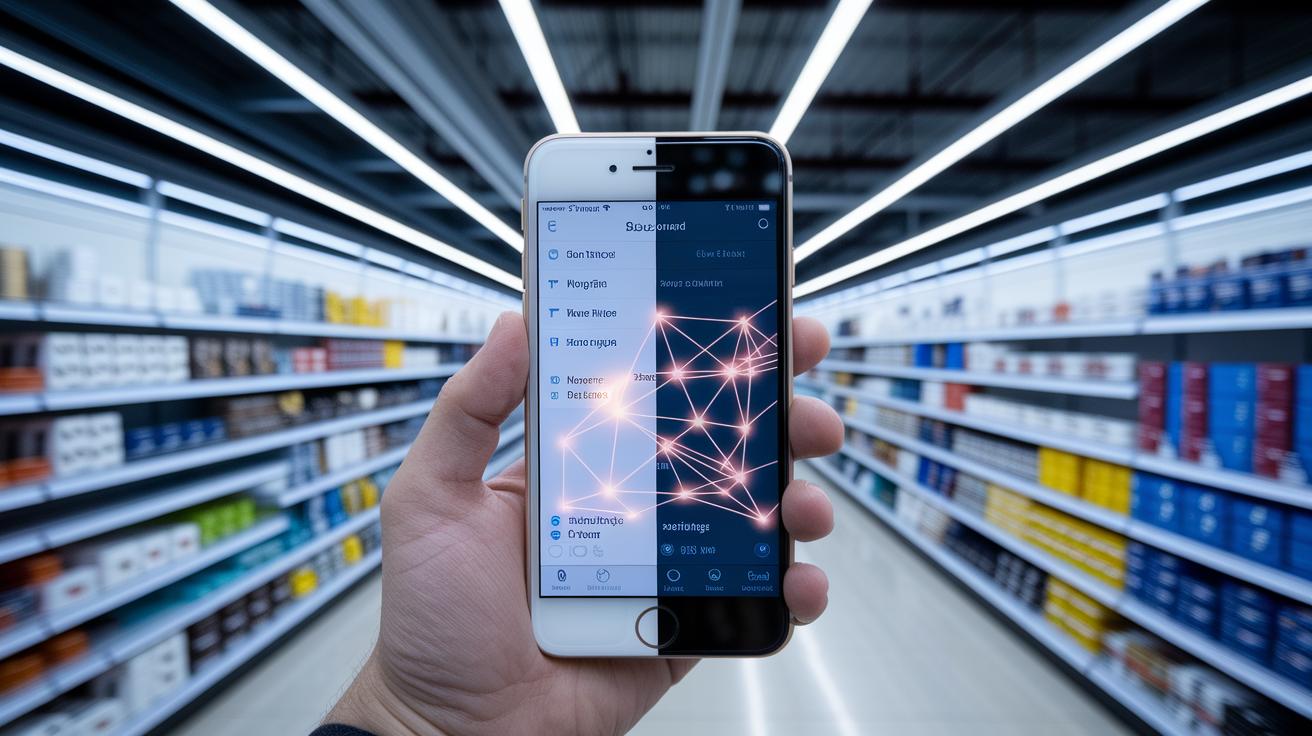
Nearly two out of three retailers are struggling to connect their online storefronts with their brick-and-mortar systems. In fact, 62% say that fusing digital and in-store operations is a major hurdle, often slowing innovation and leaving little room for new ideas.
More than half of retailers, 55%, point to outdated e-commerce platforms as a key issue. These older systems delay the rollout of new features, which can leave shoppers with a disconnected and unsatisfying experience.
Real-time stock tracking also isn’t perfect. About 15% of stores face tracking errors that lead to inventory mismatches and frustrated customers. And when it comes to IT integrations, almost half of digital transformation projects (48%) stall because legacy systems just don’t play well with modern tech.
Think about it for a moment, imagine merging an old cash register with a state-of-the-art mobile payment system. One retailer even shared how a faulty integration caused inventory errors during busy hours, significantly denting customer satisfaction. It’s clear that outdated in-store tech can really slow down progress.
Retailers are now experimenting with new tech strategies to break through these barriers. They’re on a quest for smoother integrations that effectively link online channels with physical stores. Each step forward is all about balancing innovation with the need to keep everyday operations running smoothly.
Workforce Recruitment and Retention Complications in Retail

Retail companies are struggling with staffing issues that are hard to miss. They’re seeing quit rates nearly 70% higher than the industry norm, which bumps up turnover expenses by roughly 25%. Meanwhile, about 55% are grappling with talent shortages, making it tougher to maintain high service quality.
On top of that, flawed onboarding means almost one in three new hires is still under-trained after 90 days. Picture a manager admitting, "In one store, nearly a third of our new employees are still having a tough time after three months." That shortfall ripples out to impact customer interactions directly.
Furthermore, weak communication eats up roughly 20% of frontline workers’ productive time as they try to find the information they need. All these issues combined chip away at operational efficiency and tarnish the brand’s reputation.
Evolving Consumer Behavior and Competitive Pricing Pressures in Retail

Consumer tastes are changing fast as new shopping channels emerge all around us. Shoppers who mix online and in-store purchases now spend almost twice as much as those sticking to one channel. This means brands have to rethink their pricing, especially when so many retailers, about 70%, struggle to keep prices consistent across online, mobile, and in-store options.
Every day, retailers juggle meeting customer expectations while keeping their prices competitive. The challenge grows when shoppers become extra price-sensitive. For example, in 2023, a noticeable 5% shift toward discounted options happened as people looked for better deals during tight times. At the same time, crowded product categories have kept same-store sales growth to a mere 1.5%, pushing stores to rethink what they offer.
Navigating competitive pricing in this setting is no small feat. Retailers need to adjust their pricing strategies constantly, often using smart tools like real-time dynamic pricing. Imagine a store that tweaks its prices based on how customers shop, it can boost revenue without losing its loyal customers.
In a nutshell, today’s retail scene calls for agile pricing methods and a deep understanding of changing customer demands. With consumer habits shifting rapidly, constant innovation in pricing is essential to win market share and steadily improve profits. Fascinating, isn’t it?
Data Security, Analytics, and Forecasting Flaws in Retail

Retailers are under major pressure to secure their data and make the most of their systems. For instance, a huge breach in 2022 cost the average retailer about $3.28 million, a clear sign that cybersecurity weak spots are still a big problem.
Around 62% of retailers are missing out on smart analytics tools that turn point-of-sale and online data into useful insights. Imagine a busy merchant losing track of key sales trends just because their system can’t show real-time results. One retailer even lost hundreds of dollars in overstock costs simply because they were stuck with outdated reporting.
Forecasting errors only add to the challenge. Research shows that 35% of demand-forecasting models were off by more than 10% over the past year. This led to an average overstock of about 8%, which wastes both money and space. Plus, errors in real-time stock tracking have delayed restocking by around 18 hours per product, leaving customers waiting and disappointed.
Together, these flaws disrupt inventory management and make it harder for retailers to serve their customers effectively while protecting their profits.
Sustainability and Regulatory Pressures on the Retail Industry

Today’s retailers face mounting pressure to meet environmental standards while keeping profits up. Imagine a shopper happily spending extra on a brand that truly cares about the planet, a recent survey found that 54% of consumers are willing to pay more for eco-friendly products. But for nearly half of retailers, new environmental rules have pushed operational costs up by 12%, forcing them to rethink their budgets.
Waste management is another tough nut to crack. About 28% of merchants point to waste reduction as a key expense. And when it comes to green packaging, the challenges multiply: 40% of retailers are dealing with supply delays and rising costs due to the limited availability of sustainable materials. One industry leader summed it up perfectly by saying, "Our teams are constantly working to innovate processes that meet eco-standards without hurting our margins." In response, retailers are streamlining their supply chains and turning to cost-effective technologies to strike a balance between their green goals and financial health in an ever-tightening regulatory environment.
Final Words
In the action, our discussion tackled key issues disrupting growth, supply chain snags, digital commerce integration obstacles, workforce complexities, and pricing pressures. We illustrated these challenges with clear data, touching on issues like consumer behavior shifts and security gaps. Each point painted a vivid picture of retail industry challenges and how they impact real-world operations. With a focus on actionable insights, there's plenty of room to improve processes and drive innovation. Optimism remains high; every challenge brings a chance to refine and excel.
FAQ
What challenges does the retail industry face?
The retail industry faces supply chain disruptions, outdated digital systems, workforce recruitment issues, shifting consumer habits, and competitive pricing pressures that narrow margins and reduce profitability.
How can retailers solve these industry challenges?
Retailers can manage issues by modernizing technology, streamlining inventory systems, improving staff training, and adopting flexible pricing strategies to better align services with consumer needs.
What challenges are anticipated for the retail industry in 2025?
Retail challenges in 2025 are expected to focus on integrating advanced digital tools, syncing multi-channel operations, addressing supply chain inefficiencies, and managing rising operational costs amid shifting consumer trends.
What are the major pain points in the retail industry?
Major pain points include inventory stockouts, digital integration errors, high employee turnover, inconsistent pricing across channels, and vulnerabilities in data security that affect overall business performance.
What opportunities exist for growth in the retail industry?
Growth opportunities lie in leveraging advanced analytics, refining digital and physical integration, implementing dynamic pricing strategies, and promoting sustainable practices to enhance customer experience and operational efficiency.
What are some tangible examples of common retail industry issues?
Examples include global supply delays causing stock shortages, technology bottlenecks that hinder seamless online experiences, and employee retention challenges that increase service costs and disrupt customer satisfaction.
What are the 7 P’s of retailing?
The 7 P’s of retailing consist of product, price, place, promotion, people, process, and physical evidence, which together outline key elements for creating effective and customer-focused retail strategies.
What does a SWOT analysis for retail encompass?
A SWOT analysis for retail assesses strengths, weaknesses, opportunities, and threats, helping companies identify internal capabilities and external challenges to support more informed business planning.
What problems and solutions are observed in the fashion industry?
The fashion industry grapples with supply chain hiccups, rapidly changing trends, and technological lags. Solutions focus on agile supply management, enhanced digital channels, and flexible business models to remain competitive.