
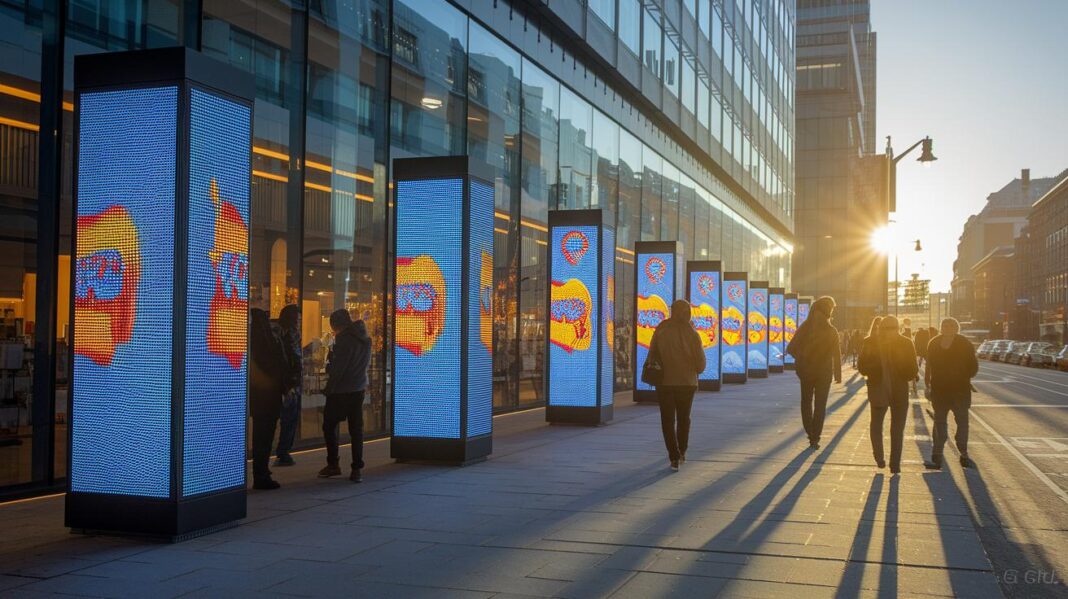
Have you ever thought about how a digital screen might turn a casual visit into a loyal shopping experience? When placed in just the right spots, these screens grab attention with quick flash sales and special offers, sparking interest in an instant.
In fact, recent figures show that smartly positioned displays can lift sales by simply changing a store’s atmosphere, without adding clutter. Simply put, digital screens give retailers a practical way to boost revenue while keeping the space warm and inviting.
Digital display solutions for immersive retail environments
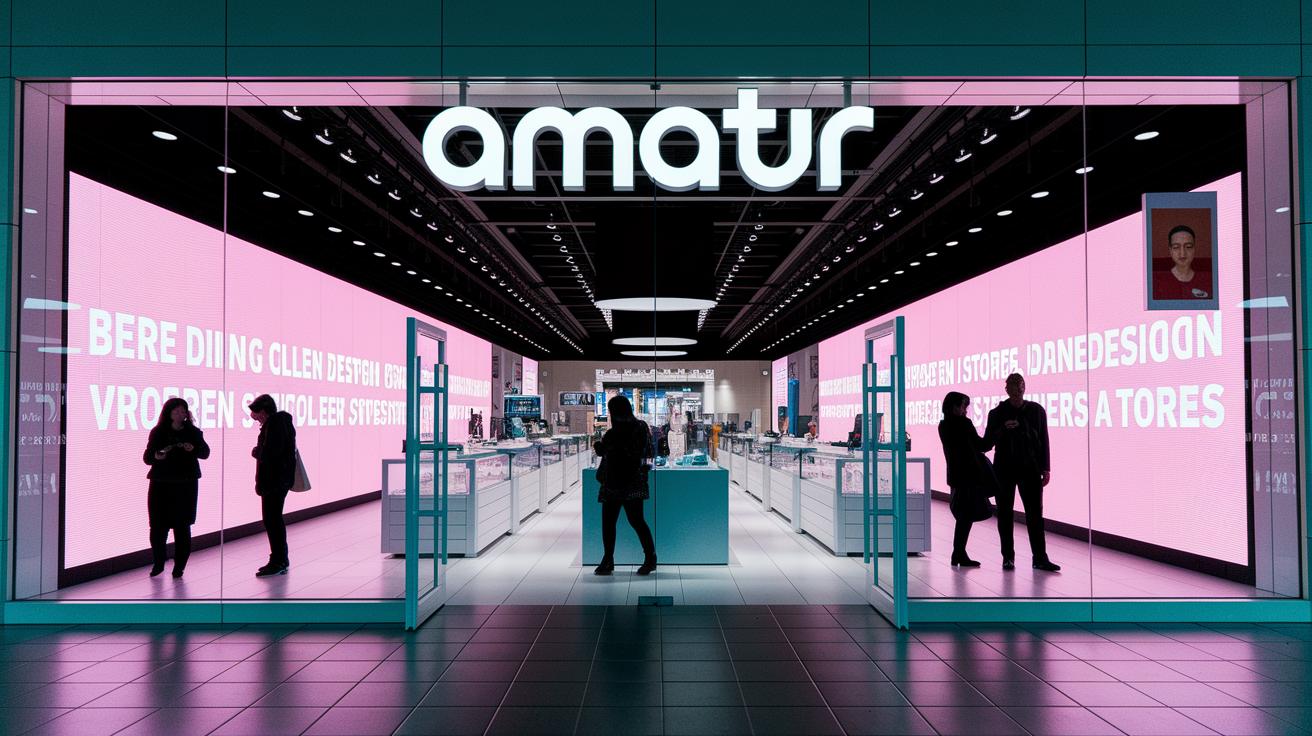
Digital displays in stores are shaking up the way shoppers connect with their favorite brands. In 2024, even though 83.7% of U.S. retail sales happened in physical locations, retailers are discovering that mixing digital elements with traditional shopping creates a fresh, engaging vibe.
Retailers are using commercial digital displays to lift their revenue smartly. With digital signs set up in busy areas, sales have jumped by as much as 13.37%, all without cluttering the space or adding more products. Pretty cool, right?
Cutting-edge digital screen technology lets stores share messages that really speak to customers. Imagine passing by a display that instantly highlights a flash sale or a special promotion tailored to your movement through the store. This means the experience feels lively and personal, while also giving businesses clear metrics on what’s working.
Today’s digital signage packs plenty of handy features like remote content updates and smooth integration across multiple screens. These systems often include tracking tools that show exactly how customers interact with the content. Retailers can then tweak their messages to keep everything relevant and engaging. For more on the tech side of things, check out tech for retail.
All in all, mixing digital flair with a traditional store setting turns shopping into a dynamic experience. It allows retailers to quickly adjust to customer needs and market trends, helping to boost their overall revenue while keeping things fresh and inviting.
Key benefits of commercial retail digital displays
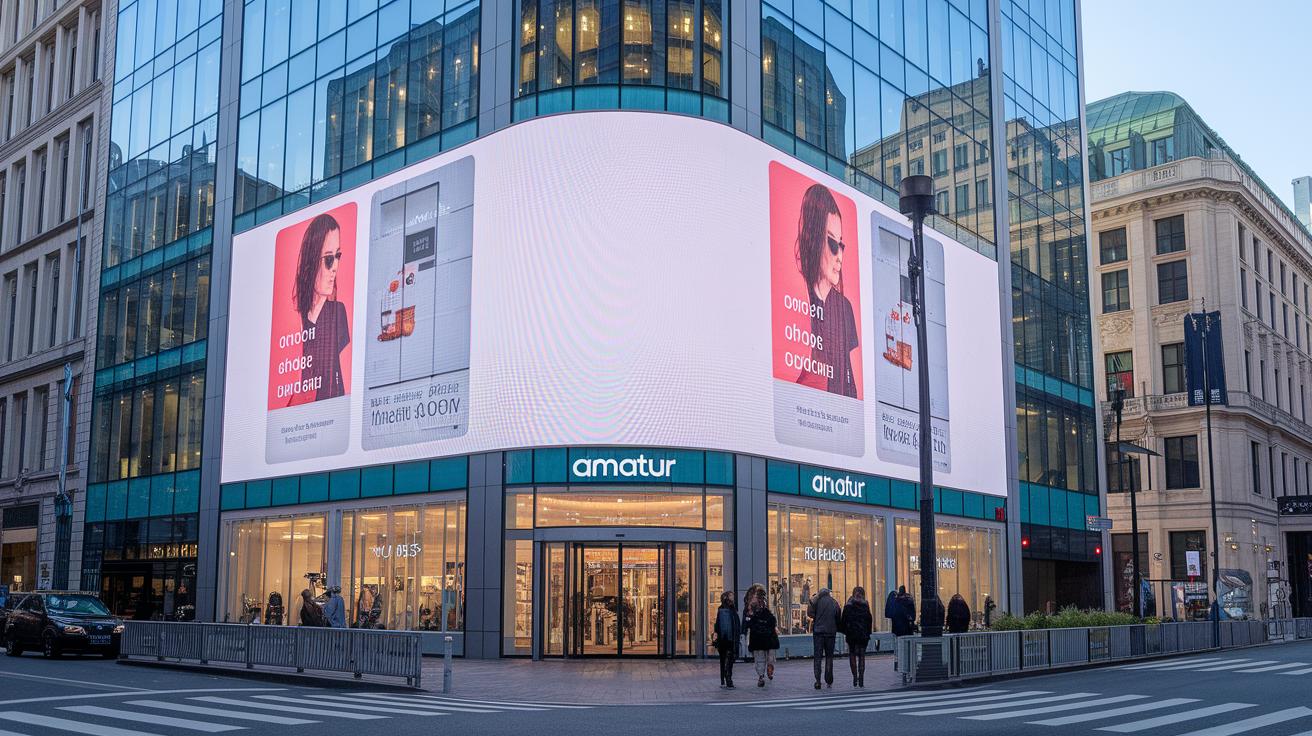
Retail stores are mixing interactive digital screens with new technology to craft engaging, measurable in-store experiences. They do more than just announce flash sales, they use AI and sensor data to tailor their messages on the fly. Imagine a shop that keeps an eye on foot traffic and adjusts its themed display in real time; this clever move drew more customers during peak hours.
Retailers now gather real-time data that directly shapes their business outcomes. They track metrics like screen views and customer interactions to fine-tune their creative strategies. In one instance, a retailer adjusted its messaging during a promotion and saw a noticeable jump in conversion rates and overall sales.
Many stores are experimenting with fresh tactics by blending interactive storytelling with location-based messages. This innovative approach not only delivers measurable benefits but also gives creative, high-impact campaigns an edge over the usual, traditional advertising.
Types of interactive and LED retail display solutions

Retail digital signage technology offers a range of displays designed for all sorts of in-store needs. For smaller spaces, a single-screen content manager gives you precise control over one display, letting you update messages quickly so every customer sees something new.
LED signage shines, literally. These bright, efficient panels grab attention even in well-lit shops. Their vibrant visuals make promotions pop, and you’ll often see them placed in busy spots where every glance counts.
Digital menu boards are a must-have in places like food courts or specialty stores. They update in real time, easily displaying daily specials or current offers. This quick refresh means your promotions stay relevant all day long.
Video walls and multiscreen setups merge several screens into one expansive display. They’re perfect for larger stores where a compelling visual story makes a difference. You can showcase a full product range or even a live demonstration that turns your space into an immersive experience.
Interactive touch displays add a fun twist by letting customers engage directly. Imagine tapping a screen to pull up product info or special discounts, it’s both informative and entertaining, making shopping feel more interactive.
Outdoor LED screens set the scene before customers even step inside. They keep the marketing message consistent from the outside in, drawing people in from the start.
A standout hardware option is the Navori Stix 3700. It works seamlessly with systems like Windows, Android, Samsung Tizen, LG WebOS, BrightSign, Philips, Sony, Elo, and Innes Qeedji, ensuring that all kinds of setups can be handled with ease.
| Type of Display | Best Use Case |
|---|---|
| Single-Screen Content Manager | Ideal for managing individual displays in small stores |
| LED Signage | Perfect for high-traffic areas needing eye-catching visuals |
| Digital Menu Boards | Great for restaurants or cafes with real-time updates |
| Video Walls | Suitable for large retail areas requiring multiscreen campaigns |
| Interactive Touch-Driven Displays | Enhances customer engagement with interactive product details |
| Outdoor LED Screens | Sets shopper expectations before entering the store |
Best practices for indoor retail display installations

Place your digital screens in spots where customers naturally look, like store entrances, product areas, checkout lines, fitting rooms, and event spaces. Mounting these screens at eye level helps everyone see the content without squinting, and using anti-glare or high-brightness panels makes sure your promotions shine even in bright light. For example, you could set up a touchscreen by the fitting room so that shoppers can quickly explore similar products and enjoy a mini discovery session.
Choose materials for your touchscreens that are easy to clean. Think about a family restaurant that uses a digital menu board with a surface that wipes down smoothly, keeping the display neat and inviting for returning customers.
Plan your content strategy to match how people move around the store. A smart layout means your messages hit home right where shoppers make their buying decisions. For instance, consider these steps:
| Step | Description |
|---|---|
| Optimal Height | Mount screens where everyone can easily view them. |
| Clean Materials | Select materials that are hygienic and easy to maintain. |
| Natural Flow | Place content along the path customers naturally follow. |
When you follow these guidelines, every corner of your store helps boost sales and makes your customers feel good about their shopping experience.
Cost considerations and pricing for retail digital displays

When you're looking into digital displays, the first thing to consider is the hardware cost. The size of the screen and any extra features can bump up the initial price. Take the Navori Stix 3700, for example, it's a compact player that comes at an entry-level price, making it a smart choice for shop owners who want an engaging in-store experience without overspending.
Next up is energy consumption. Modern LED displays use up to 30% less power than older models, which means lower utility bills every month. This not only keeps your running costs down, but it also helps build a more sustainable business.
Then there are the software fees. Many retailers go with cloud-managed subscriptions that offer regular updates and room to grow. This way, you can spread out the cost over time and access premium features without a hefty upfront fee. Some businesses even choose leasing options, which can be a flexible fit for tighter budgets.
Lastly, it's important to budget for maintenance and support costs, like routine check-ups or future hardware upgrades. By keeping an eye on these factors, you can make smart decisions that keep spending low while still delivering a vibrant, effective digital signage solution.
Measuring ROI and performance metrics for retail display systems
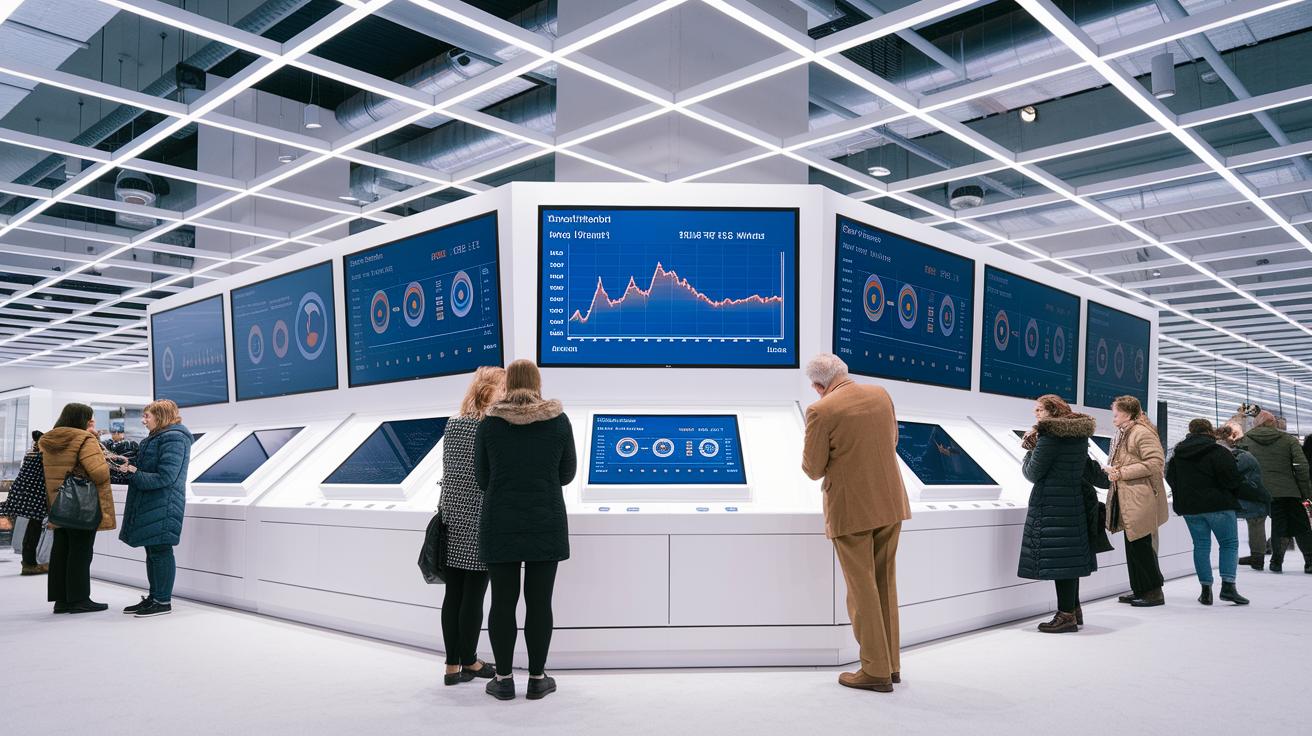
Retailers depend on practical tools that track how shoppers interact with digital displays. Using audience analytics, they measure visitor flow, dwell time, and screen impressions to get a real sense of how engaging their setups are.
Imagine a store that notices shoppers pausing longer at a specific display and then seeing a boost in sales. This straightforward link between dwell time and conversion lift is exactly what smart analytics are meant to capture. It’s like watching a sudden spike in engagement right after a quick update, insightful and compelling.
Real-time dashboards make it all even clearer. They present metrics such as engagement rates, conversion lifts, and ad fill rates in one easy-to-read view. Think about a local retailer that experienced a 20% surge in conversions within hours of updating their display, a fact that powerfully supports further investments in digital signage.
Detailed performance reports pull all these data points together, showing which displays drive sales best and helping to build a strong case for premium advertising partners. When you have clear, concrete data, you can quickly adjust your strategy and truly see the return on your investment in digital retail advertising.
Case studies showcasing retail digital displays in action

Automotive parts stores show how digital screens can be reimagined for real impact. One auto retailer refreshed its sales floor by placing screens at smart spots like entrances and parts sections. For example, a display at the entrance warmly greets customers and cycles through key inventory and online promos. Picture a visitor pausing at this lively screen that turns an ordinary trip into a mini-showcase of discounted parts.
Fashion retailers are also getting creative with digital displays. They’re using interactive screens to offer personalized style tips and current lookbooks. Imagine a screen by the fitting rooms that quickly updates with fresh trends and even features customer testimonials on new collections. It’s like having a personal stylist right there, making shopping both engaging and fun.
Consumer electronics stores aren’t left out either. They use large wall displays to ensure their message stays consistent across the store. These screens offer real-time advertising by highlighting the latest gadgets, streaming live tech demos, and even comparing products on the spot. Picture a shopper guided by a digital screen at checkout, seamlessly moving from browsing to buying.
These stories show how smart placement of digital screens in busy areas like entrances, product zones, and checkouts can grab attention and turn it into real sales.
Final Words
In the action, the article showcased how retail technology transforms the way shops connect with customers. It covered key solutions like interactive and LED retail displays, explored cost and installation tips, and explained how performance metrics guide smarter decisions.
This hands-on guide reminds us that using digital displays for retail is a powerful way to boost engagement and revenue. Clear strategies and real-world examples leave us ready to make bold moves and see exciting returns in physical storefronts.
FAQ
Q: What are the best options for digital displays in retail environments?
A: The best digital displays for retail involve high-quality screens that are simple to install, deliver responsive content, and enhance shopper engagement in fast-paced store settings.
Q: How do you manage the cost of digital signage for retail?
A: The cost of retail digital signage depends on screen size, features, and energy efficiency, with options including budget-friendly trials, leasing, and cloud-managed subscriptions to fit different retailer needs.
Q: What digital display options are available on Amazon and through other channels?
A: Digital displays available on Amazon and elsewhere offer versatile solutions, with competitive pricing and compatibility that help retailers choose the right screens for their specific in-store requirements.
Q: What is the role of digital display screens in advertising?
A: Digital display screens in advertising capture shopper attention with dynamic visuals, support targeted messaging, and help drive brand awareness and promotional campaigns in physical stores.
Q: Can digital display boards be used for both business and home settings?
A: Digital display boards serve dual purposes by enhancing in-store customer experiences for businesses and providing interactive, engaging visuals for home entertainment and personal projects.
Q: How do digital displays for cars work?
A: Digital displays for cars are designed as compact, durable screens integrated with vehicle systems to provide navigation, advertisements, or infotainment, all while withstanding the demands of mobile environments.
Q: How does digital signage help display merchandise in a retail store?
A: Digital signage displays merchandise by drawing attention to products through dynamic visuals and interactive content, enhancing shopper engagement and highlighting key features effectively in various store areas.
Q: What is digital signage in retail?
A: Digital signage in retail uses electronic screens to showcase promotions, ads, and product information, creating engaging environments that blend digital and physical channels to drive in-store interactions.
Q: Who is considered the best provider of digital signage?
A: The best digital signage provider is one that offers user-friendly content management, strong analytics, easy installation, and reliable support, helping retailers maximize their in-store promotional efforts.
Q: What digital display software is available for businesses?
A: Digital display software for businesses ranges from cloud-managed platforms that schedule content and track viewer data to systems that allow remote updates, ensuring smooth operation and efficient content delivery.
Q: What options exist for outdoor digital signage and screen advertising companies?
A: Outdoor digital signage options include weather-resistant LED screens and platforms tailored for high visibility; these solutions support impactful advertising while withstanding various environmental conditions.
Q: How effective are floor-standing and indoor digital display boards?
A: Floor-standing and indoor digital display boards are effective due to their flexible placement in key in-store areas, clear sightlines, and engaging content delivery, which together boost interaction and brand messaging.