

Have you ever felt tangled up by too many middlemen? Direct-to-consumer ecommerce wipes out the extra steps by letting brands speak directly with their customers. This simpler setup not only boosts profit margins, but also gives brands complete control over every sale. Imagine a small clothing label watching its profits climb simply by dodging additional fees. With this method, companies can switch up their strategies on the fly and see their online sales surge. It's a fresh twist that’s fueling success and changing the way we shop.
direct-to-consumer ecommerce Sparks Online Sales Success

The direct-to-consumer model is changing the way brands connect with their customers by cutting out traditional middlemen like wholesalers and retailers. This shift means better profit margins and complete control over every step of the journey. For example, imagine a small apparel brand that switched to direct sales and suddenly saw its profit margins jump by avoiding extra fees. Whether you hear it called DTC or D2C, it’s all about selling straight to the end customer, a strategy that’s made big waves online. In fact, Nike’s direct-to-consumer channel generated 35% of its total sales in 2020, showing just how impactful this model can be.
At the heart of this approach is digital retail disintermediation, a fancy way of saying that the buying process becomes smoother and less costly when you remove unnecessary steps. Brands now control everything from how products are showcased to how they’re delivered, creating a streamlined, customer-friendly experience. With a sharp ecommerce strategy that leverages strong digital tools, over 75% of U.S. DTC brands in sectors like fashion, home & garden, and food have made impressive inroads into the market.
Ditching external retail channels also lets both startups and established brands try out fresh, innovative sales tactics. Imagine being able to monitor customer behavior in real time and tweak your message on the fly, a clear edge in today’s fast-paced online world. When you control every part of your sales process, you not only cut down on overhead costs but also speed up your response times, setting the stage for lasting success.
Benefits and risks of direct-to-consumer ecommerce

When brands embrace direct-to-consumer ecommerce, they cut out the middlemen. This means avoiding extra markup fees and boosting overall profitability. For example, a small online retailer might bypass retailer fees, freeing up cash for innovation and better customer service. It’s a smart way to reinvest in operations while keeping tighter control over prices and customer interactions.
Owning your distribution channels also speeds up product availability and sharpens inventory insights. Imagine a company that gets real-time stock alerts and can restock before any delay affects a sale. This simple step helps keep the supply chain smooth and builds a stronger bond with customers.
That said, launching a direct-to-consumer strategy isn’t a walk in the park. It often requires a hefty upfront investment in website development, digital marketing, and logistics. Relying on various third-party providers can also fragment workflows and increase the chance of fulfillment hiccups. Even a small delay at one stage may ripple through the entire order process.
In short, while bypassing traditional middlemen can offer cost savings and agility, brands must weigh these benefits against the challenges of managing a complex operation. It’s all about balancing the attractive rewards with the potential risks.
consumer-first business models in direct-to-consumer ecommerce
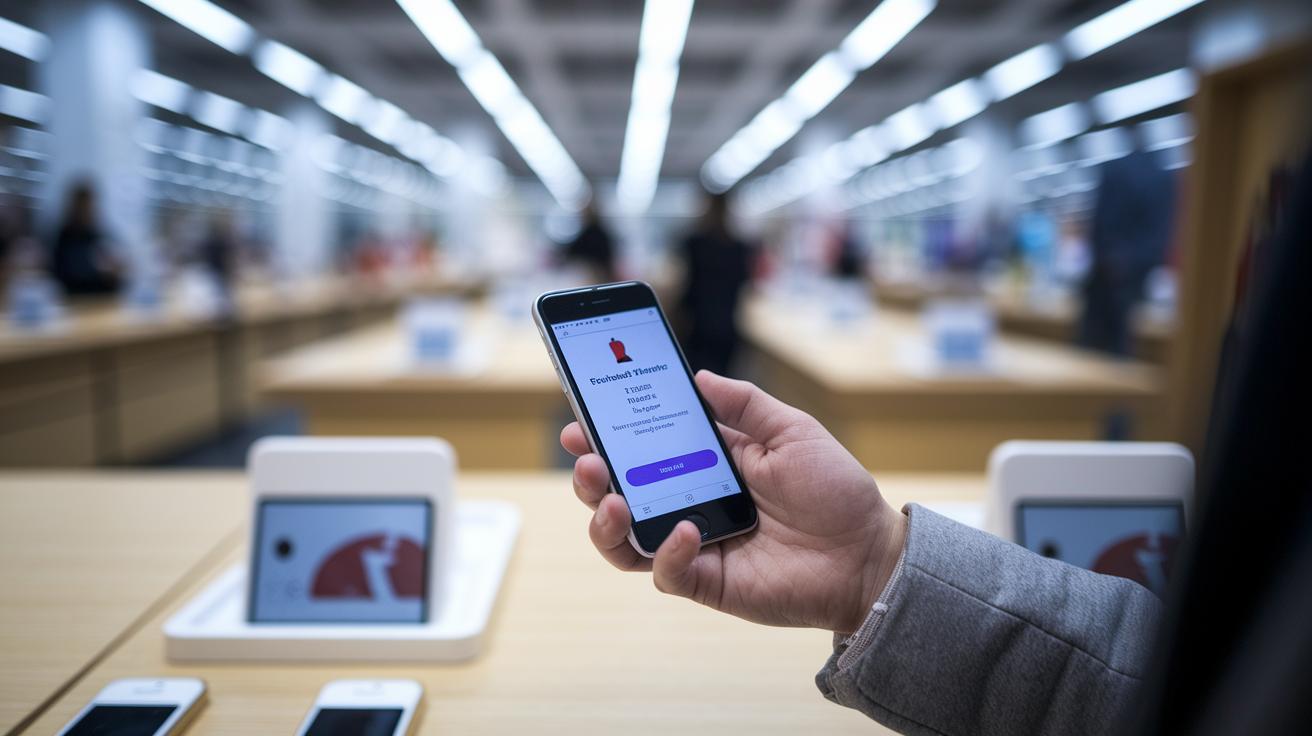
Direct-to-consumer brands now know that putting people first isn’t just a nice idea, it’s a game changer. Personalized offers are a must. In fact, half of shoppers say tailor-made deals play a big role when they decide what to buy. Just imagine getting a discount on your favorite sneakers exactly when you’re ready to buy a new pair! This kind of care can really bump up sales and keep customers coming back.
Another smart move is setting up feedback loops throughout the shopping journey. Brands chat with customers, gather their thoughts, and quickly tweak products or services. Picture a beauty brand launching a fresh skincare line and then fine-tuning the formulas based on real reviews. It’s a win-win: the products get better and customers feel truly heard.
Building community around a brand is also key. Many companies are creating lively online spaces where people share tips and stories. Think of an apparel brand that has its own forum for fans to swap styling advice. Such real conversations help build loyalty and spark word-of-mouth buzz.
At the end of the day, focusing on the consumer isn’t just about boosting sales, it’s about fostering genuine connections that evolve a brand’s story and make every customer feel valued.
Technology and platform selection for direct-to-consumer ecommerce

Picking a digital sales platform is like choosing the right tool for your shop. It brings everything together, catalog management, inventory tracking, order processing, shipping, reporting, and even accounting, into one neat space. This means you can handle product listings and safe payments without juggling different systems. Imagine having real-time stock updates that stop delays and keep your shop fresh.
Many of these platforms now connect with over 350 popular marketplaces like Google Shopping, Bed Bath & Beyond, and Best Buy. This lets you expand your store’s reach while keeping everything under one roof. Sure, linking different systems can be tricky. That’s why having clear API guidelines and strong data sync is crucial to keep your operations smooth and predictable.
Secure payment options are a must, too. A system that supports many payment types with top-notch encryption builds customer trust and meets industry rules. For more insights on how these platforms simplify operations, we invite you to check our chat on ecommerce operations at https://omegamarkets.com?p=382. In short, choosing the right tech boosts efficiency, offers real-time oversight, and creates a safe environment for your direct-to-consumer business to thrive.
Customer engagement and acquisition in direct-to-consumer ecommerce

Direct-to-consumer brands are doubling down on capturing and keeping customer attention by using smart, targeted social campaigns. By tapping into niche channels, they launch digital strategies that not only reach the right people but also keep advertising expenses in check. For instance, a campaign on a popular social platform might kick off with a fun fact like, "Did you know a well-written post can boost engagement by 20% overnight?" to grab your attention right away.
Subscription offers are especially important for these brands, drawing in millennials and Gen Z shoppers who value convenience and exclusive perks. Think early access to new collections or special discounts on favorite items. Such deals make customers feel like part of the inner circle, encouraging them to stick around for the long haul.
Real-time product recommendation engines add a personal touch to the shopping experience. They observe how you browse and suggest items that perfectly complement your interests, which can bump up the average order value by about 15%. Imagine exploring a digital storefront and suddenly seeing a suggestion that feels just right, it's almost like the system knew what you needed next.
And the conversation doesn’t end once a purchase is made. Brands are investing in interactive loyalty programs where your feedback can lead to product improvements and on-the-spot promotions. This ongoing dialogue builds trust and creates a lively online community that truly values every voice.
- Using precise social targeting to minimize ad spend
- Offering subscriptions that resonate with key demographics
- Deploying real-time personalization tools for an engaged shopping experience
Together, these tactics create a well-rounded approach that attracts new customers, turns them into loyal buyers, and builds long-lasting relationships.
Scaling and operational models for direct-to-consumer ecommerce

Scaling a direct-to-consumer business is all about striking a smart balance between the costs of last-mile delivery and the savings from bulk distributions. Brands often experiment with different delivery models, testing various approaches until they find that perfect mix where speed meets cost-effectiveness. It’s a bit like fine-tuning a recipe until every ingredient works just right.
Unified commerce platforms play a huge role in this evolution. They let you manage both B2B and direct-to-consumer channels from one clear dashboard. Imagine handling several sales channels without the usual confusion that comes from disconnected systems. This integration keeps things running smoothly, cuts out redundant work, and gives a real-time overview of sales and inventory.
Automation is another big winner here. Automated inventory replenishment tools ensure your stock never runs unexpectedly low. They’re designed to kick in when supplies fall under a predetermined level, basically, they order more before you even notice a gap. This smart system not only minimizes manual errors but also makes sure that customer needs are met promptly.
Here’s a simple guide to some key tactics:
| Practice | Benefit |
|---|---|
| Monitoring Performance Metrics | Helps balance last-mile delivery and bulk shipping costs |
| Unified Platforms | Simplifies multi-channel operations and order management |
| Automated Inventory Replenishment | Reduces errors and ensures timely stock updates |
By honing these strategies, brands can grow their direct-to-consumer operations with a focus on agility, clear reporting, and a reliable inventory, making sure the customer always comes first.
Success case studies in direct-to-consumer ecommerce
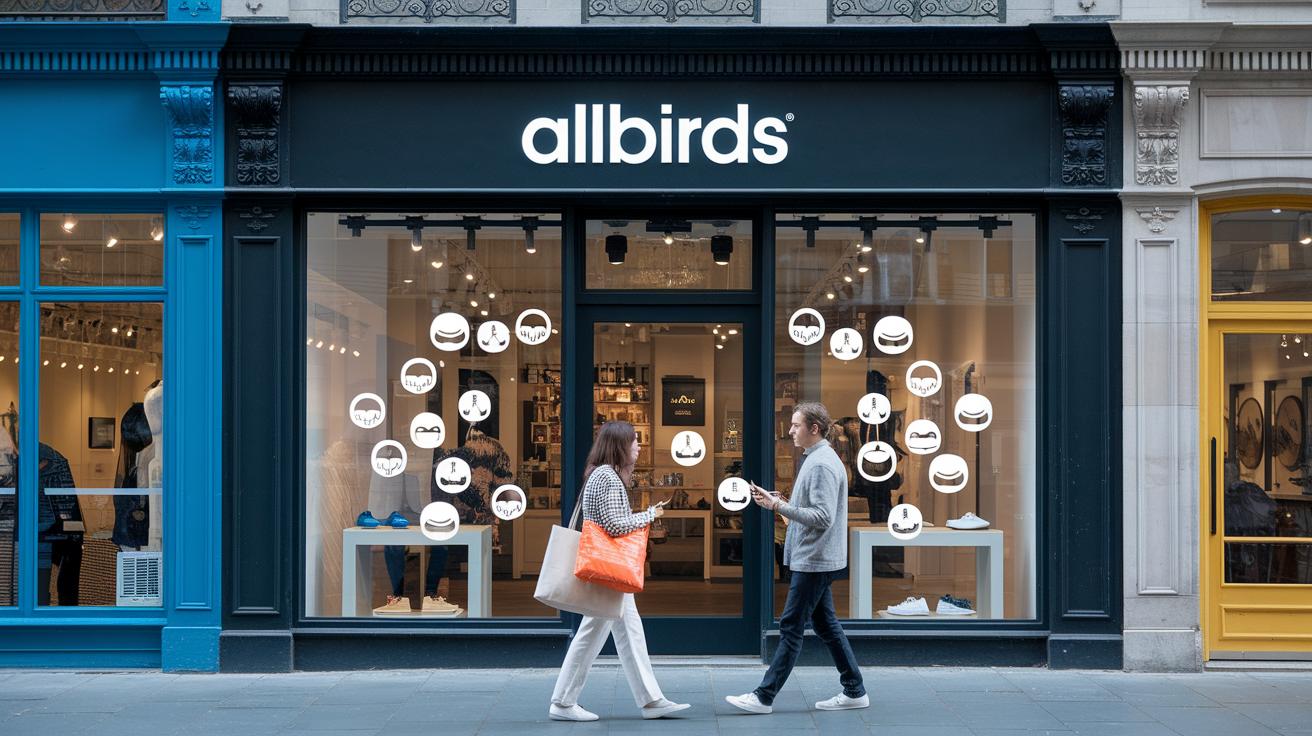
Allbirds is a perfect example of how a strong online community can launch real-world success. They began with a passionate digital fan base and eventually opened over 20 stores around the globe. It goes to show that a bustling online presence can naturally translate into a thriving physical storefront.
Bombas took a slightly different route by merging style with a social mission. For every pair of socks sold, they donate another to someone in need. This hands-on approach not only builds customer loyalty but also appeals to shoppers who want their dollars to do good.
Harry’s disrupted a market led by a major player with a clever digital strategy. By leveraging targeted online outreach, they managed to capture a solid market share. It’s a great reminder that precise digital efforts can push back even against well-established giants.
Final Words
In the action, we explored the core aspects of the direct-to-consumer ecommerce model, from disintermediation and consumer-first approaches to streamlined technology and customer engagement. Each section highlighted how brands can boost margins, optimize inventory, and convert digital tactics into solid growth. We also touched on escalation through agile logistics and inspiring case studies that bring these strategies to life. There's a clear path for brands to stay ahead with data-driven insights and relentless innovation, paving the way for positive outcomes.
FAQ
Q: What does direct-to-consumer ecommerce mean?
A: The term direct-to-consumer ecommerce means brands sell their products online directly to customers, removing middlemen and securing better profit margins and control over distribution.
Q: What is the difference between D2C and B2C?
A: The difference is that D2C brands sell directly to consumers without intermediaries, while B2C typically involves products sold through established retailers or marketplaces to reach customers.
Q: What are some examples of direct-to-consumer companies and DTC ecommerce brands?
A: Direct-to-consumer companies include brands like Nike, Allbirds, and Bombas, which have successfully built ecommerce channels that drive significant portions of their total sales through owned digital storefronts.
Q: What do direct-to-consumer sales or products mean?
A: Direct-to-consumer sales mean that products are sold straight from the brand’s online platform to the end customer, often offering personalized experiences and streamlined transactions.
Q: Is Amazon a D2C or B2C platform?
A: Amazon primarily operates as a B2C marketplace, though some brands use its platform as a means to implement their own direct-to-consumer strategies through dedicated storefronts.
Q: Is DTC the same as dropshipping?
A: DTC ecommerce involves brands selling from their own inventory directly to customers, whereas dropshipping is a model where a third party ships products directly to the buyer, separating inventory from the seller.