
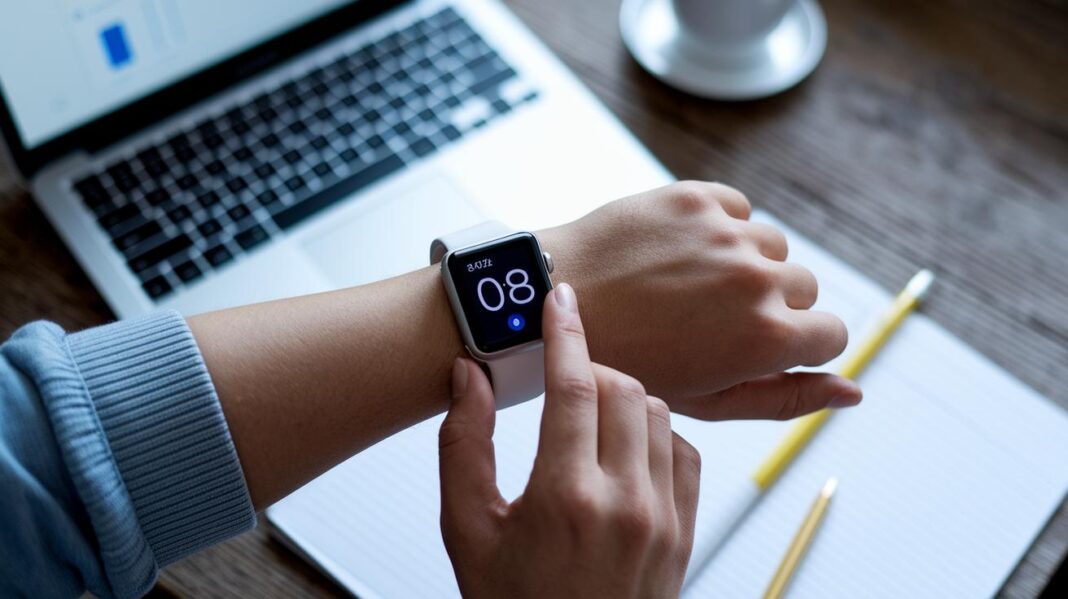
Ever wonder if your watch could do more than just show the time? Nowadays, wearable tech works like a mini assistant that sits right on your wrist. It keeps track of your steps, checks your heart rate, and even monitors your sleep patterns.
Picture this: a small gadget that hands you real-time insights into your health, almost like a personal coach cheering you on throughout the day. This smart gear makes your everyday routine a chance to improve your well-being – simple, smart, and totally transformative.
Wearable Technology Empowers Your Smart Lifestyle

Wearable tech is part of our everyday life. Think of a smartwatch that not only tells time but also keeps track of your heart rate and movement, all without getting in your way. Nowadays, you'll find smart rings, fitness trackers, smart clothing, and even head-mounted displays that layer digital insights onto the world around you. Imagine wearing a gadget that lets you know your pace and pulse as you run, offering real-time tips to boost your performance.
Medical wearables are changing how we stay on top of our health. These devices monitor key signals, like blood pressure and heart rhythm, letting you keep track of your well-being without missing a beat in your daily routine. Whether they're built into your clothing or tucked into an accessory, these sensors provide instant updates on your physical status.
The market for these innovative tools is set to grow dramatically, with estimates reaching up to $57 billion by 2025. From basic trackers that count steps and calories to high-end gear used by athletes for deep performance insights, wearable technology gives you a clear window into your health. With constant improvements in sensor and material technology, these devices are only getting smarter, helping you stay connected and health-conscious every day.
Leading Fitness Trackers and Performance Monitors in Wearable Technology

Fitness trackers have truly changed the game for athletes and everyday fitness lovers. Take the Fitbit Charge series, for example. It does more than just count your steps, it keeps a close eye on your heart rate, calories burned, and even your sleep. Plus, it delivers smartphone notifications and lets you make mobile payments right from your wrist. Ever noticed how a quick nudge from your device can remind you to ease off before you even feel the strain?
Then there’s Garmin. These devices are built for the outdoors, offering detailed GPS tracking that maps your routes, measures speed, and calculates distance with remarkable accuracy. Imagine running a marathon and being able to see your pace and route details in real time. It’s like having a personal coach keeping track of every step.
And let’s not forget Whoop. Unlike traditional trackers, Whoop dives into the nitty-gritty of your recovery and strain. Its subscription-based model delivers a custom report that breaks down how your body responded during your workout, helping you to avoid the pitfalls of overtraining.
Here’s a simple snapshot of what each device brings to the table:
| Device | Key Features |
|---|---|
| Fitbit Charge series | Monitors daily activity, heart rate, sleep; includes notifications and mobile payment features. |
| Garmin devices | Delivers rugged designs with precise GPS analytics for outdoor workouts. |
| Whoop | Offers comprehensive recovery and strain tracking to balance workouts with proper rest. |
These monitors serve as your digital coach, delivering practical, real-time insights whether you’re training for that big race or fine-tuning your daily routine. They give you the feedback you need to make informed adjustments, keeping you in tune with your body and your goals.
Wearable Technology in Healthcare: Medical Devices and Remote Patient Monitoring
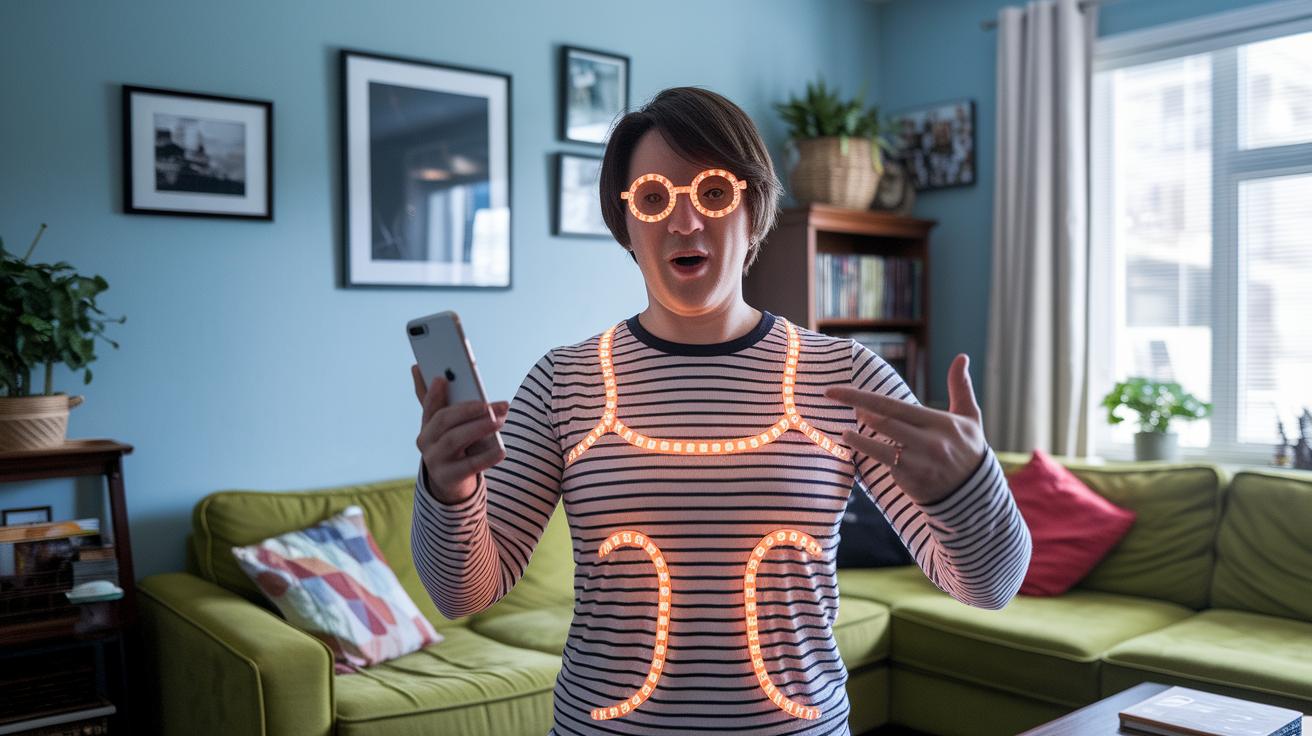
Imagine a wearable device that keeps a constant eye on your health. Medical-grade wearables are changing the game by offering real-time insights into your body’s vital signs. Take smart shirts for example: they use flexible, electronic textiles to track your heartbeat and breathing, and they can alert you if something doesn’t seem right. This means doctors can monitor your condition without needing you to visit in person all the time.
Everyday clothing is getting a high-tech upgrade. With e-textiles and sensors woven into garments, your outfit can now help spot early warning signs of health issues. Smart socks, for instance, can catch the first signs of diabetic foot ulcers. And then there are compression garments embedded with sensors that monitor muscle activity, offering detailed feedback on your physical exertion. Picture a compression sleeve quietly collecting data during your workout to give doctors a clearer view of your recovery, this kind of innovation not only boosts your well-being but also helps tailor treatment plans to your needs.
Remote patient monitoring has become even more important since telemedicine took off during the COVID-19 pandemic. Now, with clinical sensor solutions built into mobile biometric tools and blood pressure monitors, doctors receive crucial health data in real time. This steady flow of information means they can make faster, more informed decisions when managing chronic conditions. For example, a remote tracker might continuously update a patient’s blood pressure, providing immediate alerts during daily activities. It’s a smart blend of technology and care that’s reshaping how we manage health each day.
Smart Apparel and E-Textiles: Innovation in Wearable Technology

Smart apparel is evolving quickly. Today’s researchers are tackling the tough challenge of making fabrics that can do much more than just monitor your health. They’re experimenting with materials that repair themselves and sensor systems that adapt while keeping the fabric soft and stretchable. Imagine a jacket that tweaks its sensor settings on the fly to keep you cozy on a chilly day.
This technology isn’t just for fitness tracking. New applications are emerging for safety gear at work and even for enhanced sports performance. Picture athletic wear that adjusts its sensor sensitivity during a tough workout, capturing every detail without ever sacrificing comfort.
Manufacturers face another big hurdle: how to stitch sensors into textiles without altering the fabric’s natural feel. To solve this, tech experts and textile makers are joining forces to streamline the process. Think of it like a finely tuned factory line, where advanced machines weave sensors right into the material, much like a baker layering ingredients to create the perfect pastry.
Advanced Wearable Technology: Implantables, AR/VR, and Spatial Computing Devices
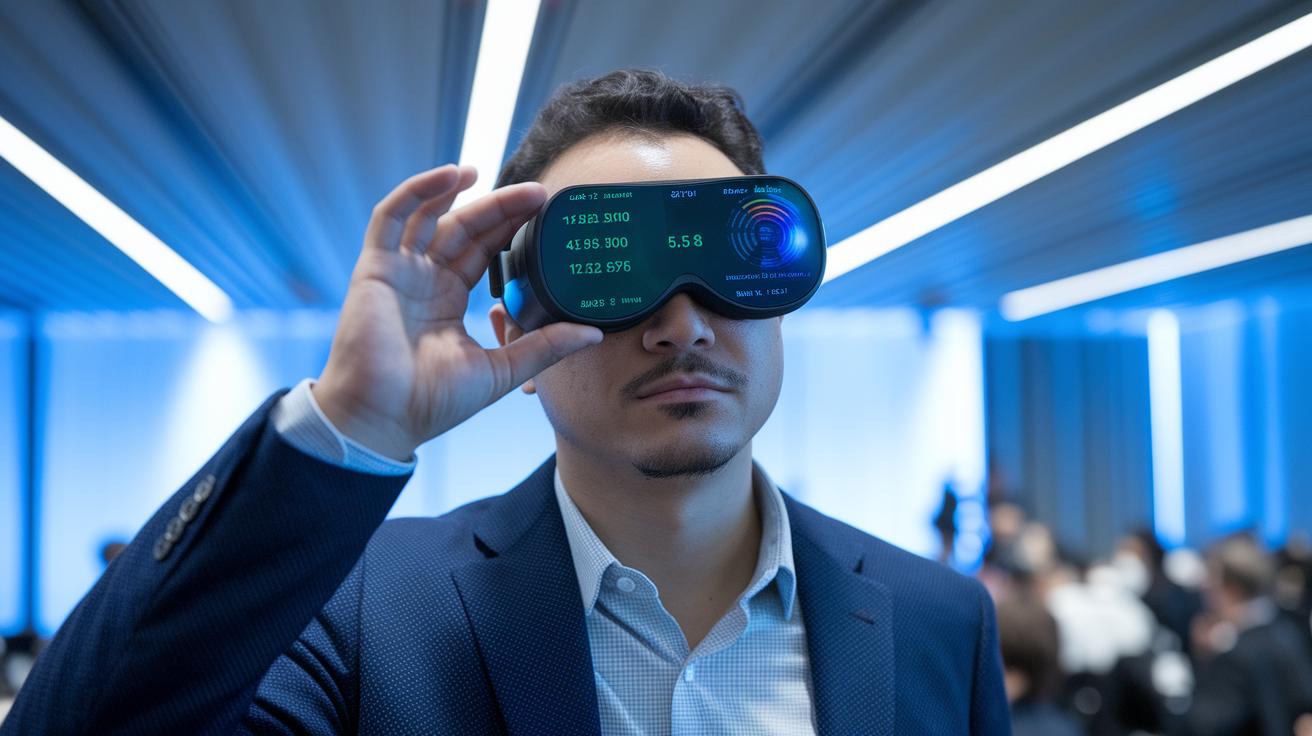
Wearable tech is evolving beyond devices you simply wear. Today’s head-mounted displays, like Apple’s Vision Pro, blend virtual and augmented reality for immersive gaming and smart business setups. Imagine a headset that shows you digital info exactly where you look, like seeing your cycling stats without missing a beat.
Spatial computing takes things a step further. Picture walking into a busy conference room where digital displays and data streams pop up right before your eyes, guiding your focus and boosting productivity. It’s almost like having a smart digital helper all around you.
Implantable devices are also changing the game. Tiny NFC and RFID chips placed under the skin can handle secure, contactless payments and even control access to your favorite spots. And consider Neuralink prototypes: they hint at a future where your thoughts might just control digital devices. It’s a whole new frontier, one where digital and physical worlds come together to make everyday life smarter.
Consumer Guide: Selecting and Purchasing Wearable Technology
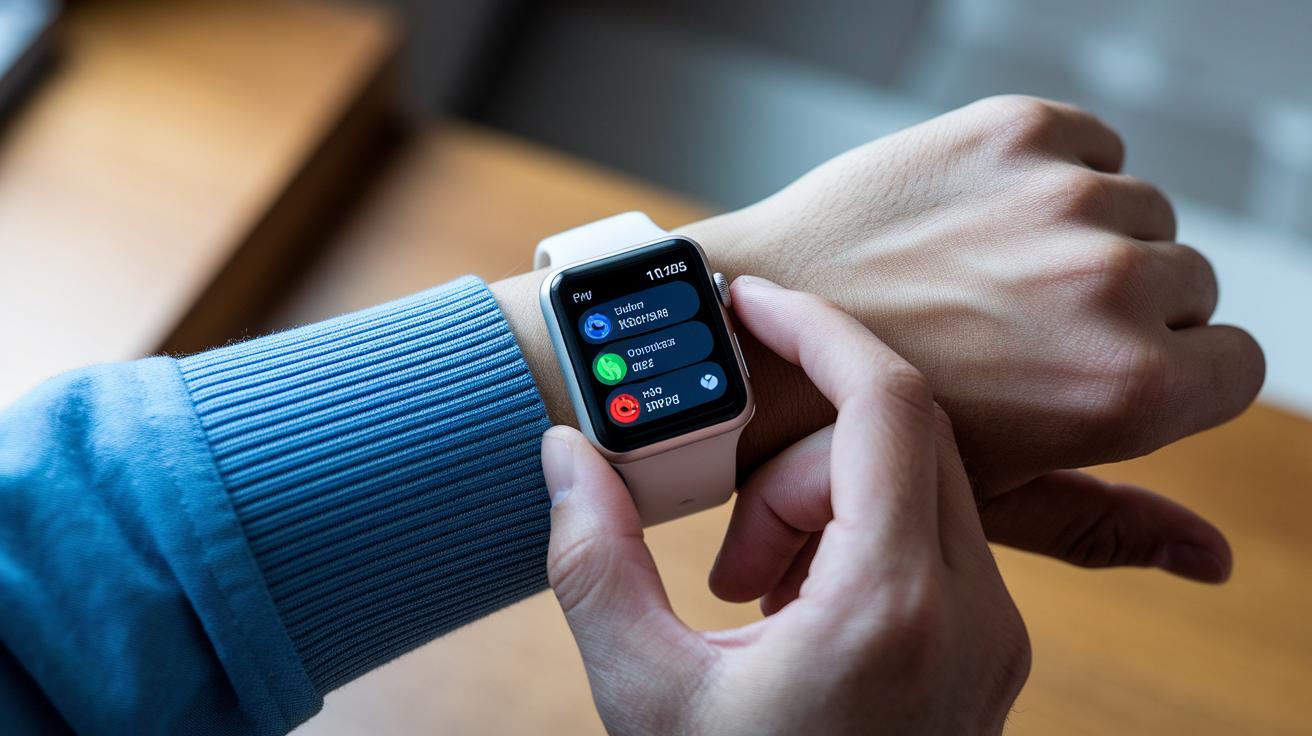
When you're picking out a wearable, start by thinking about comfort and fit. The device should feel nearly weightless on your wrist or integrate smoothly with your clothing while still delivering accurate sensor readings. It's amazing how a well-designed smartwatch can feel so natural you almost forget it's even there.
Then, check the battery life. Some devices only last about 8 hours, while others can keep going for up to 36 hours. Ask yourself if you need a battery that lasts all day or if a shorter charge cycle is fine because you can plug it in easily.
Next up is wireless connectivity. Whether it’s Bluetooth, LTE, or Wi-Fi, staying connected is key, especially if you like getting live updates during your workouts. A reliable connection makes a big difference when you're tracking your progress.
Price is another big factor. You can find basic trackers for around $49, but premium smartwatches might cost as much as $799. Plus, think about which operating system you use, whether it's iOS or Android, and if there are any subscription fees for extra features because this will affect the overall cost.
Finally, don’t overlook sustainable design. Look for devices with eco-friendly certifications and read up on mobile compatibility reviews to be sure it plays nicely with your other tech.
In short, keep these points in mind:
| Consideration | Description |
|---|---|
| Ergonomics | How comfortable and well-fitting the device is |
| Connectivity | The wireless options available for staying connected |
| Battery Life | How long the battery lasts on a single charge |
| Sustainability | Eco-friendly design and certifications |
| Compatibility | How well the device works with your smartphone or ecosystem |
By weighing these factors, you can choose a wearable that perfectly fits both your lifestyle and tech needs. Enjoy exploring the options and finding the one that truly feels right for you.
Privacy, Security, and Data Management in Wearable Technology
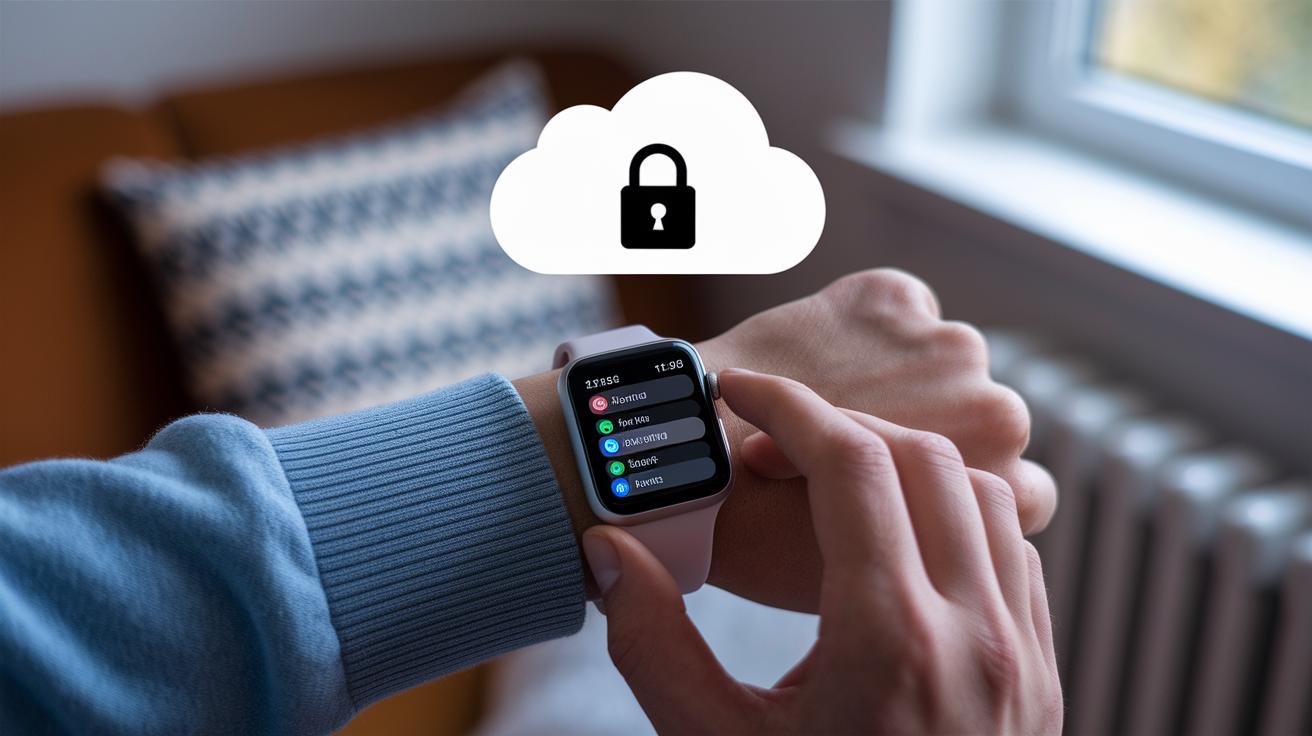
Wearable devices collect personal data every minute, like your heart rate, steps, sleep patterns, and even location. This constant stream of sensitive information naturally raises privacy concerns. Manufacturers tackle these issues by using robust encryption and storing data securely in the cloud.
Often, these gadgets include intuitive settings that let you decide exactly which details to share and when to share them. This extra layer of choice helps reduce the risks if a data breach ever occurs, protecting both your privacy and the smooth functioning of the cloud-synced apps many of us rely on.
Devices meant for medical use stick to strict rules like HIPAA in the US or GDPR in Europe, ensuring that even the most sensitive data is handled with care. Meanwhile, consumer wearables follow industry best practices too. Manufacturers routinely update software and bolster defenses with advanced encryption and clear privacy policies, all to keep your data safe while you track your health in real time.
Market Trends and Future Outlook for Wearable Technology

The world of wearable technology has exploded in the last five years, growing by over 150%. Experts say this surge is powered by trends like adding IoT features that let devices chat with one another. Imagine a smartwatch that tracks your health while also linking up with your home security system. It’s a simple, yet powerful example of how our gadgets work together.
Investors are now pouring funds into smart gadgets, especially next-generation body circuits and innovative sensor systems. This growing investment is paving the way for digital fitness tools that feel more intuitive. Picture smart clothing with sensors that monitor everything from muscle activity to your heartbeat. Such innovations not only boost our connected lifestyles but also transform everyday workout routines and health management.
Looking ahead, expect integrated circuits to become smaller, more efficient, and way more powerful. Market forecasts estimate that by 2025, the wearable tech industry will be valued at around $57 billion. This growth is opening up new opportunities in healthcare gadgets and better connectivity solutions. Major brands are already preparing exciting new products, like Samsung’s anticipated Galaxy Ring, which promises smoother performance along with extra biometric tracking features.
Innovation and enhanced cross-device connectivity are reshaping the market, creating a smart ecosystem where each device plays a role. With investors focusing on the potential of wearable tech, these devices are set to stay at the forefront of both consumer electronics and digital health trends.
Final Words
in the action, we explored wearable technology fundamentals, from smartwatches to smart apparel, and highlighted top fitness trackers and advanced medical devices. We broke down key features in healthcare wearables, smart textiles, and even cutting-edge implantables. Each section offered practical tips for selecting devices, while addressing data privacy and security concerns. The discussion underscored how these innovations are shaping market trends and boosting informed business decisions. It's an exciting time for wearable technology, and the outlook remains positive for innovation and growth.
FAQ
What is wearable technology?
Wearable technology refers to electronic devices designed to be worn on the body that operate hands-free through user-friendly interfaces, such as smartwatches tracking fitness and health in real time.
What are some examples of wearable technology?
Wearable technology examples include smartwatches, fitness bands, smart rings, sensor-infused apparel, and AR/VR headsets, each serving unique purposes from health monitoring to immersive digital experiences.
Which companies lead in wearable technology?
Leading wearable technology companies offer innovative devices like smartwatches and fitness trackers, combining reliable connectivity and design with features that cater to consumers’ varied wellness and lifestyle needs.
How is wearable technology used in healthcare?
Wearable technology in healthcare uses devices such as smart shirts, sensor-enabled socks, and remote monitoring systems to track vital signs and manage chronic conditions, aiding in real-time patient care and telemedicine.
How is wearable technology integrated into clothing?
Wearable technology clothing integrates digital sensors into garments to monitor biometric data, providing enhanced insights for athletic performance and medical diagnostics while maintaining comfort and a natural feel.
What wearable technology might benefit students?
Wearable technology for students often involves smartwatches and fitness trackers that offer schedule reminders, health tracking, and connectivity features, helping maintain an organized and active student lifestyle.
What does a wearable technology journal cover?
A wearable technology journal covers research trends, product reviews, and market innovations, offering industry insights, emerging device analyses, and practical guidance for consumers and professionals alike.