
Ever wondered if your ads are truly connecting with your audience? Retail media brings your brand right onto a retailer's site, using smart data to reach shoppers exactly when they're ready to buy. It’s like receiving a personal invite at just the right moment. In our post, we explain how this approach not only boosts your brand’s visibility but also ties every ad dollar directly to sales. Simply put, retail media isn’t just another tool, it’s a clever way to power up your marketing strategy.
Retail Media Essentials: Definition, Benefits, and Growth

Retail media uses a retailer’s own websites and data to reach shoppers right when they’re ready to make a purchase. Think of it like getting a friendly reminder just as you're browsing, imagine a tailored ad showing up exactly when you need it, similar to a pop quiz that happens at the perfect moment. This strategy stays within the retailer’s own digital space, unlike broader online advertising methods.
The perks of retail media are straightforward. First, placing sponsored products at just the right time boosts a brand’s visibility. Second, thanks to its closed-loop setup, you can directly tie ad spending to sales, making it easier to see how each dollar performs. This measurable approach builds trust for both retailers and brands because they can confidently track returns. Plus, by leaning on clear performance metrics and data-led decisions, marketers can fine-tune their campaigns, like checking a thermostat to keep the room at the perfect temperature.
On a global scale, spending on retail media is skyrocketing, with forecasts predicting it will top US$177 billion by 2025. This rapid growth shows how blending smart ad placements with real-time analytics can benefit everyone. Retailers get to earn more from their own shopper data, while brands connect with customers who are ready to buy. It's a win-win and a clear signal that retail media is a major force driving marketing success today.
Retail Media Networks and Platforms Comparison

Retail Media Networks (RMNs) are ecommerce advertising platforms that help brands and retailers showcase products across a mix of digital channels. They let brands connect with consumers through on-site ads like banners and sponsored products, reach buyers via paid search and social media off-site, and even display ads in physical stores using digital screens. This way, ads meet customers right when they’re in the buying mood.
At the heart of RMNs is teamwork among retailers, brands, ad tech providers, and data partners. Think of it as a close-knit group where every participant plays a key role in creating a smooth advertising experience, much like a well-rehearsed band delivering a perfect performance.
Top RMNs are continuously pushing innovation in advertising. They’re adding smart features like dynamic creative optimization, private marketplace deals, and easy-to-read analytics dashboards. For instance, integration with modern commerce technology (check out this digital commerce platform: https://omegamarkets.com?p=87) shows how these tools can boost overall functionality.
This approach makes marketing campaigns more agile and ensures that every ad dollar works hard to drive sales. As ecommerce advertising evolves fast, these innovations let brands fine-tune their strategies and engage customers exactly when they’re ready to buy.
Data-Driven Retail Media Strategies and Targeting

Retail media campaigns kick off with smart audience segmentation, using first-party shopper data in a privacy-first and cookieless setting. Think of it like sorting a basket of fruits, each fruit represents a unique shopper group that gets targeted with care. Brands lean on clean data to fine-tune who sees on-site sponsored product ads so that they align with search keywords and clear buying intent. For example, a small apparel brand might zero in on shoppers who recently browsed similar styles, catching them just as they're about to make a purchase.
Data clean rooms serve as secure meeting spots where retailer platforms and external partners come together to strategize. In these safe spaces, insights on shopper behavior flow freely and build mutual trust, much like a quiet chat in a private room where every detail counts.
Real-time bid optimization happens when cutting-edge technology meets deep strategic collaboration. With personalized creative builds that adapt based on immediate shopper actions, brands can change their ad content on the fly. Imagine it like having a relaxed conversation over coffee, crafting messages that speak directly to what’s catching a shopper’s eye at that very moment.
By leaning into data-driven ad strategies, brands are able to fine-tune ad delivery and quickly shift tactics if performance dips. Every campaign becomes more than just an ad, it turns into a dynamic interaction with clear goals and measurable outcomes. As shopper analytics keep evolving, linking every ad impression to potential sales only reinforces the power of precision targeting in retail media campaigns.
Omnichannel Retail Media: In-Store to Online Integration

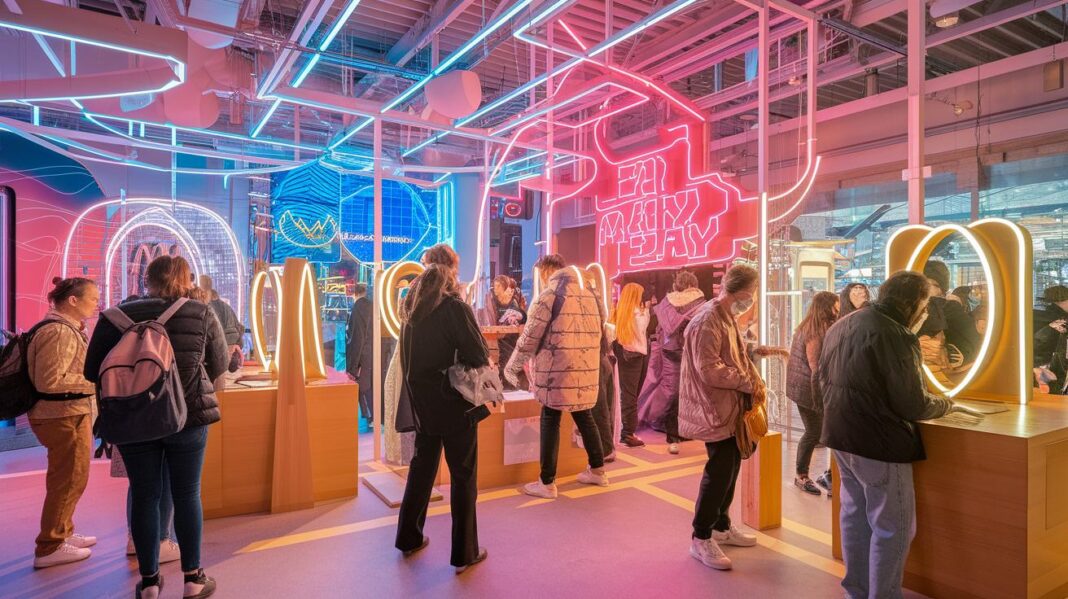
Omnichannel marketing is changing how brands interact with shoppers by merging online perks with in-store experiences into one smooth, natural flow. For instance, digital screens outside now work hand in hand with in-store shelf tags and interactive storefront ads. One retailer even saw a 30% boost in engagement when their synchronized displays quietly shared product details just as shoppers neared a shelf.
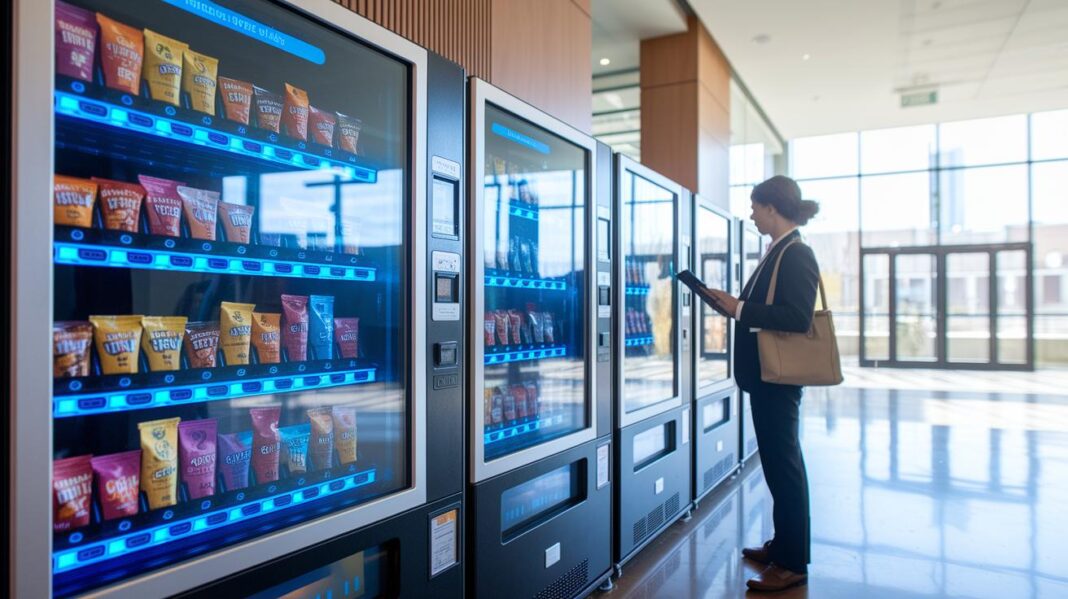
Digital shelf marketing puts sponsored products front and center right when consumers are weighing their options, whether they're in-store or online. Coordinated online-to-offline campaigns keep the shopper engaged and reinforce the brand’s message at every step. By linking in-store ad networks with digital solutions, retailers create a journey that smoothly moves customers from browsing to checkout.
This connected approach also offers sharp insights. Data gathered across channels helps brands adjust their tactics on the fly. When a campaign’s message resonates both online and in-store, it builds familiar touchpoints that really stick with shoppers. In the end, mixing interactive tech with omnichannel ads boosts retail media’s power to engage audiences and keeps brands top of mind throughout the entire purchase journey.
Retail media Empowers Marketing Excellence

Shoppable TV ads using Connected TV are changing how we think about advertising in real time. Picture watching your favorite show when an ad suddenly appears with a “Buy Now” button, you can click it and buy instantly. This instant buying not only makes shopping easier but also helps brands collect useful first-party data from every ad view.
Curation is another trend on the rise. Retailers are now mixing and matching their inventory with audience insights to create exclusive deals. It’s like choosing a custom menu where every dish is picked just for you. This approach gives retailers better control over how they earn money while making the entire shopping experience more personal and effective.
There’s also a big push towards smoother data sharing between data clean rooms and retail media platforms. By connecting these systems, brands can share information more easily, reduce data gaps, and get a clearer picture of shopper behavior. Think of it like tuning up an orchestra so every instrument plays perfectly in sync. Real-time data helps adjust programmatic buying quickly, making campaigns feel more connected and responsive.
AI-driven personalization is making a huge impact as well. Smart algorithms now adjust ads based on what you’ve viewed or purchased before, boosting the chance you’ll click through. This dynamic creative process means ads can keep up with your changing tastes, and immersive video formats make shopping feel as real as stepping into a store.
Industry events in Las Vegas from January 6 to 9, along with key publications on November 12 and November 18, 2025, will highlight these innovations and best practices. A top marketer recently said, “In the past, ads were one-size-fits-all, but now every message speaks directly to the viewer.”
These new strategies are reshaping how shoppers engage, offering smart solutions for retailers who want to lead in today’s fast-paced market. For a broader look at these shifts, check out ecommerce industry trends at https://omegamarkets.com?p=303.
Measuring Retail Media Performance and ROI

Retail media uses a closed-loop approach that ties each dollar spent directly to real sales outcomes. It makes tracking key numbers like ROI, cost per acquisition, conversion uplift, and extra sales a breeze. This means you can quickly see which parts of your budget are paying off and adjust your strategy on the fly.
Tools like dynamic creative optimization modules adjust ad content as needed, while product recommendation engines suggest items that go well together. Unified analytics dashboards offer a bird’s-eye view of how campaigns are doing in real time. With more than 2,000 brands already using these platforms, automated ad creation and optimization help marketers make smart, fast decisions.
Best practices to boost campaign performance include:
- Set clear campaign objectives right from the start.
- Use multi-touch attribution models to understand how each ad contributes.
- Tweak creative elements based on real-time data and insights.
By using these ROI measurement tactics, brands can sharpen their targeting and creative strategies. Constantly monitoring data means retail media platforms empower marketers to maximize returns and run campaigns that deliver clear, profitable results.
Final Words
In the action, our post explored the essentials of retail media, breaking down its benefits, network comparisons, data-driven strategies, and omnichannel integration. We walked through key growth figures and emerging trends, highlighting how retailers and brands optimize ad spend and reach shoppers effectively. This clear breakdown of retail media topics leaves us equipped with insights for informed decision-making and market innovation. It's exciting to see what comes next as retail media continues to evolve with a positive outlook.
FAQ
What is retail media?
The retail media means using a retailer’s digital channels and shopper data to show ads at key buying moments, helping drive conversions by connecting brands with consumers ready to purchase.
What is an example of a retail media network?
The retail media example is a network platform created by a retailer that displays on-site ads like banners and sponsored products, along with off-site placements, to capture audiences during their shopping process.
What does retail media look like?
The retail media looks like targeted ads across digital screens, including online product listings, sponsored banners, and in-store digital displays that guide consumers in real time while shopping.
What are retail media jobs?
The retail media jobs include roles in campaign management, data analysis, creative production, and ad operations, all focused on optimizing placement and performance of ads across retailer platforms.
What is retail media advertising?
The retail media advertising means delivering paid product promotions on a retailer’s website or app by leveraging first-party data to target consumers at the exact moment they are considering a purchase.
What are the current retail media trends?
The retail media trends feature AI-driven personalization, dynamic creative optimization, and the integration of online and in-store ad formats to boost shopper engagement and improve campaign performance.
How do Amazon and Walmart use retail media?
The retail media at Amazon and Walmart uses extensive first-party data to present highly targeted ads on their platforms, connecting brands with consumers during key moments in the shopping journey.
Is DoorDash a retail media network?
The retail media context for DoorDash means that while the platform integrates digital promotions, it primarily focuses on delivery services rather than operating as a traditional retail media network.