
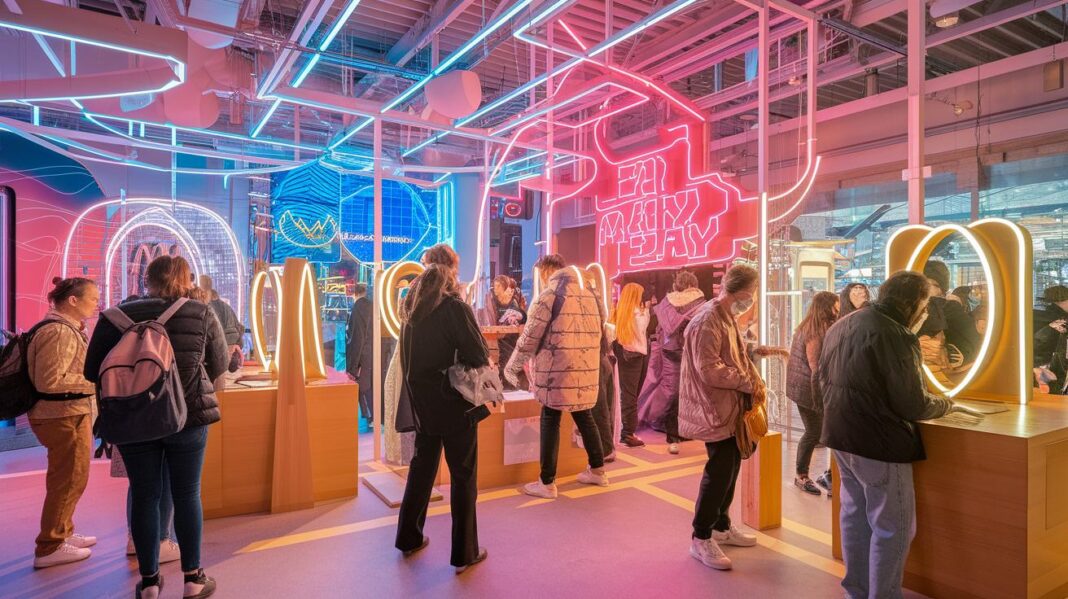
Have you ever felt that shopping could be as entertaining as watching a live performance? Experiential retail makes that happen by turning everyday store visits into interactive adventures. It uses smart technology and creative displays to transform every step, from entering the store to making a purchase, into a memorable experience. Instead of just buying products, you get to connect with the experience emotionally and socially. Brands, in turn, find new ways to engage deeply with customers while adding a bit of extra sparkle to the daily retail routine.
Definition and Principles of Experiential Retail

Experiential retail takes shopping and turns it into a story where you’re part of an adventure. Instead of just picking up products, every detail, from digital signs to interactive displays, invites you to experience the journey. Imagine a store where technology and storytelling blend seamlessly, almost like stepping into a mini-exhibit designed just for you.
This isn’t only about showing off products; it’s about stirring up real feelings and creating lasting memories. Picture walking into a space alive with energy, where digital kiosks prompt you to engage and every corner feels designed for social sharing. Fun fact: What used to be a regular shopping trip can now feel like entering a vibrant, intimate theater that sparks curiosity at every turn.
At its core, experiential retail mixes hands-on shopping with a reinvention of traditional brick-and-mortar spaces. It creates lively environments that draw you in with smart tech and sensory touches, ensuring both brands and shoppers enjoy a deeper, ever-evolving experience.
Benefits and Customer Engagement in Experiential Retail
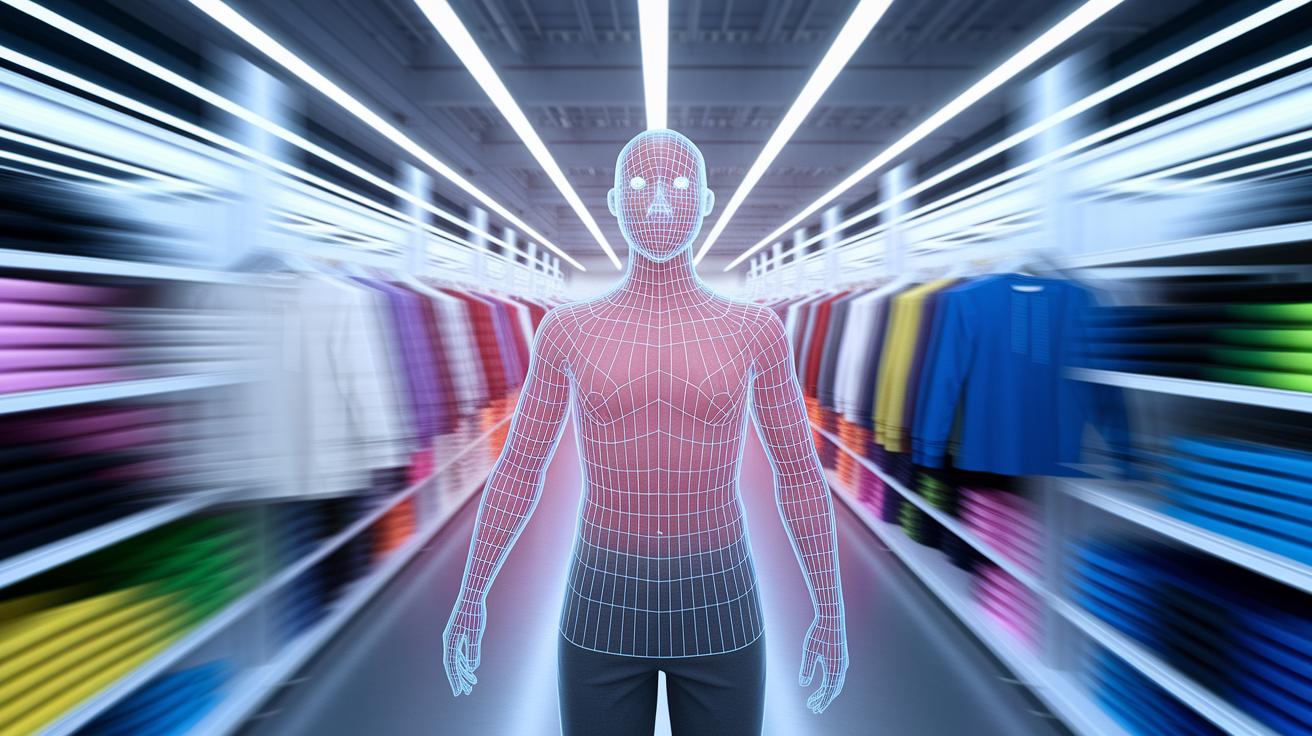
These days, retailers are blending augmented reality with their physical stores. Big names like Nike let customers try on products virtually, imagine stepping into an AR fitting room where a digital overlay shows you how an item looks on you, boosting your confidence before you make a purchase. Research even points to a 25% increase in sales conversion when stores use this kind of interactive tech.
Experts also mention that interactive features create deeper connections by offering real-time digital feedback. One analyst remarked, “Adding AR tools makes the shopping experience more engaging and helps customers connect with products on many levels.”
- More time spent in-store and increased visit frequency
- Instagrammable spaces that drive higher social shares
- Personalized recommendations that boost conversions
- Stronger customer loyalty thanks to community events
- Valuable insights from real-time feedback systems
A case study showed that a mid-sized retailer experienced a 68% increase in customer preference among those who interacted with AR mirrors. This clearly demonstrates how tech-driven, interactive features can lead to noticeable improvements in engagement and loyalty.
Experiential Retail Technologies and Tactics
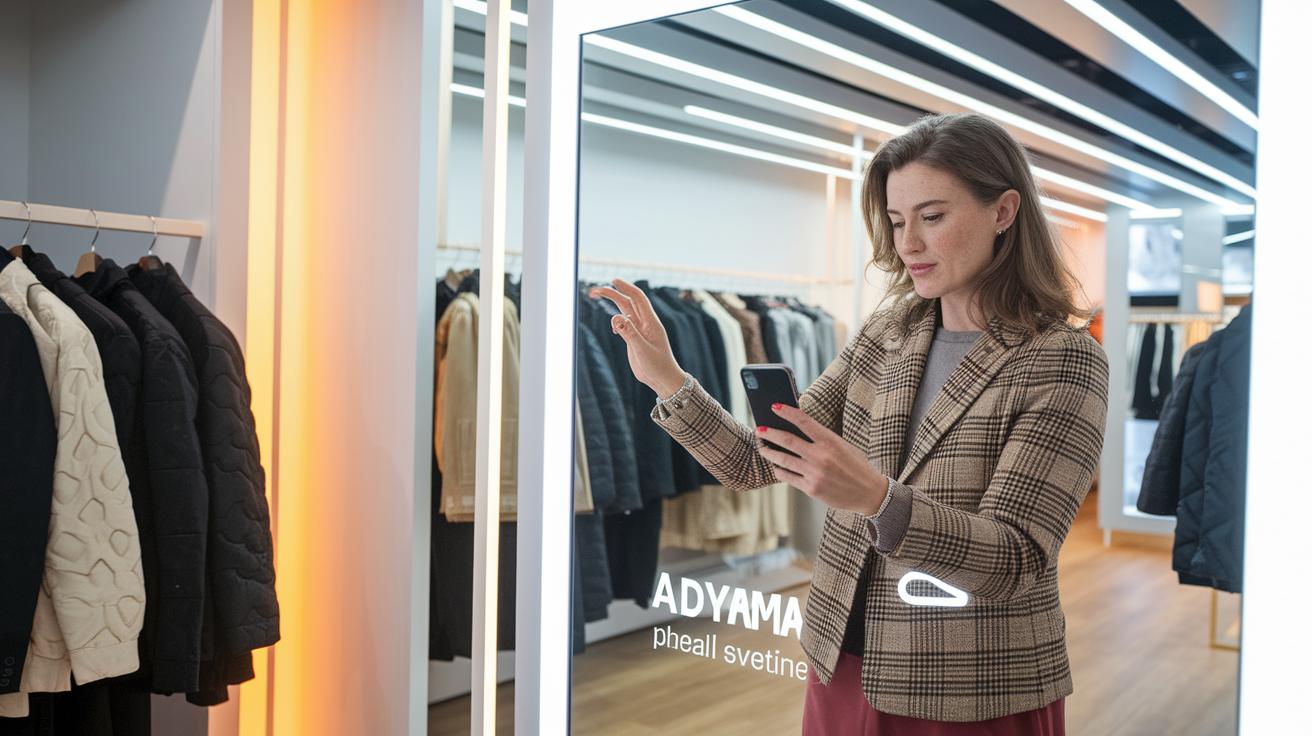
Imagine walking into a store where a digital overlay lets you try on a jacket virtually while giving style tips in real time. Retailers are now blending high-tech tools with everyday shopping to bring energy and life to physical stores. From interactive digital displays and smart mirrors to AR dressing rooms that let you see how an outfit fits without stepping into a changing room, these innovations create a fun and engaging shopping experience.
AR and VR Experiences
Augmented reality tools are changing the way we shop. With AR, you can watch a demo that shows products in settings that feel real, helping you decide with confidence. Retailers are turning storefronts into dynamic showcases, offering windows that come alive with product demonstrations. And VR tours? They let you explore a digital version of the store from your living room, combining the best of both online and offline shopping. Imagine using your smartphone to see what an outfit would look like on you, or taking a virtual stroll through a fully interactive store, it's all about making shopping both accessible and exciting.
AI and Analytics Tools
At the heart of these high-tech experiences is a smart network of AI and analytics. Digital shelf tools track how you interact with products in real time, so retailers can update info immediately and offer suggestions based on what you've liked before. AI assistants chat with shoppers like a friendly guide, simplifying product searches with easy-to-understand advice. Meanwhile, systems like PXM and SXM help organize and standardize product data across all channels, whether you're shopping online or in person. In short, these clever systems not only streamline how stores manage their content but also deliver insights that make every shopping trip feel personalized and intuitive.
Experiential Retail: Elevate Customer Experiences with Flair

Today’s retailers aren’t content with simply displaying products. Instead, they’re creating spaces where all five senses are invited to play. Imagine walking into a store that feels as interactive as a live event, one where technology, social sharing, and immersive storytelling come together to make every visit memorable.
Consider these innovative ideas:
- Augmented reality shopping stations
- Virtual try-on tools for fashion and beauty
- Shoppable video experiences
- Live-stream shopping events with engaging hosts
- Pop-up store activations and roadshows
- Gamified in-store experiences
Each of these methods helps forge a deeper connection with shoppers. Augmented reality displays, for instance, give a futuristic twist to the browsing experience, while virtual try-on tools let customers experiment with fashion and beauty products in a personal way that builds confidence. Shoppable videos blend entertainment with product insights, and live-stream events create a community vibe with real-time demos and charismatic hosts.
Then there are the pop-up activations and roadshows, short-term, exclusive events that spark excitement and drive traffic. Gamified experiences, like spin-to-win wheels or interactive displays, invite customers to join in a fun, unpredictable game that rewards them along the way. Each approach isn’t just about looking good; it’s about creating genuine, shareable moments that resonate on social media and inspire repeat visits.
Implementing Experiential Retail Strategies in Your Store

Start by outlining your customer's journey and pinpointing the moments they connect with your brand. Think of it like planning a mini event: every detail, from setup to the flow, shapes the overall atmosphere. Brainstorm ideas for in-store gatherings, hands-on workshops, and brief training sessions that help your team share your brand's story naturally. In simple terms, plan each interaction so they all weave together into one engaging narrative.
Next, design your space with real, sensory experiences in mind. Imagine dedicated spots where customers can touch, see, and even hear the features of your products. Create interactive stations that invite physical engagement and set up your layout so every area tells a part of your brand’s story, be it through striking visuals, ambient sounds, or lively digital displays. The goal is to create areas that feel both intentional and inviting, drawing customers in on a personal level.
Finally, keep track of how well these strategies are working by using immediate feedback tools. Keep an eye on customer reactions and see how these immersive elements change their shopping behavior. Use these insights to fine-tune your approach and make sure every update meets your customers' evolving expectations. This continuous loop of feedback and adjustment not only enhances the shopping journey but also helps build a truly memorable retail experience.
Future Trends and the Evolution of Experiential Retail

Imagine walking into a store that knows exactly how to greet you. Emerging technologies are turning everyday shopping into a dynamic, tailored experience. One cool innovation is kinetic sensor technology. It detects your movement and adjusts digital displays as you move, offering suggestions that feel as if they've been picked just for you.
Next, think about virtual brand ambassadors. These digital guides offer friendly advice like a helpful store clerk. They work alongside automated systems that make checkout fast and smooth, cutting out long lines and hassles. In fact, this blend of digital tools and real-world interaction is making shopping more intuitive than ever.
Retailers are also testing out hybrid events, where the line between online browsing and physical shopping blurs wonderfully. With these events, you get the best of both worlds, combining the convenience of digital platforms with the warmth of in-store experiences.
Localized pop-ups are another exciting trend. They pop up in specific areas to stir up excitement and try out new ideas without a long-term commitment. On top of that, predictive analytics, which forecast customer moods and trends, are helping stores tweak their layouts and marketing efforts in real time. This means that every visit to the store could feel more engaging and personalized.
Finally, spatial experience analytics help retailers design the best environment for you. By studying how you move and interact, they can create spaces that are both inviting and responsive. It’s a smart, future-focused approach that promises a shopping journey that’s smoother, more customized, and a lot more fun.
Final Words
In the action, this post explored the core ideas behind creating immersive, interactive shopping experiences. We covered the basics, from customer engagement and tech tools to real-life examples and practical plans.
Breaking down each step showed how experiential retail can transform a store into a lively experience zone. The discussion also offered clear paths for capturing market opportunities and sparking creativity in your space.
Bright prospects lie ahead as you use these insights to drive growth and innovation.
FAQ
What is the meaning of experiential retail?
Which is the best example of experiential retail?
What is an example of an experiential purchase?
What is the difference between traditional retail and experiential retail?
What does an effective experiential retail strategy involve?