Ever thought one smart system could boost your retail sales? A modern point-of-sale system links every part of your store, from cash registers to barcode scanners and real-time inventory tracking, in a seamless way. It fires up transactions and serves up clear, simple reports that help guide your choices. Think of it as a dependable digital partner that saves you time while fueling growth with each sale. In today’s fast-paced retail environment, this tool isn't just about smooth checkouts; it's all about powering your sales success.
Retail POS System Overview: Features, Pricing, and Integrations
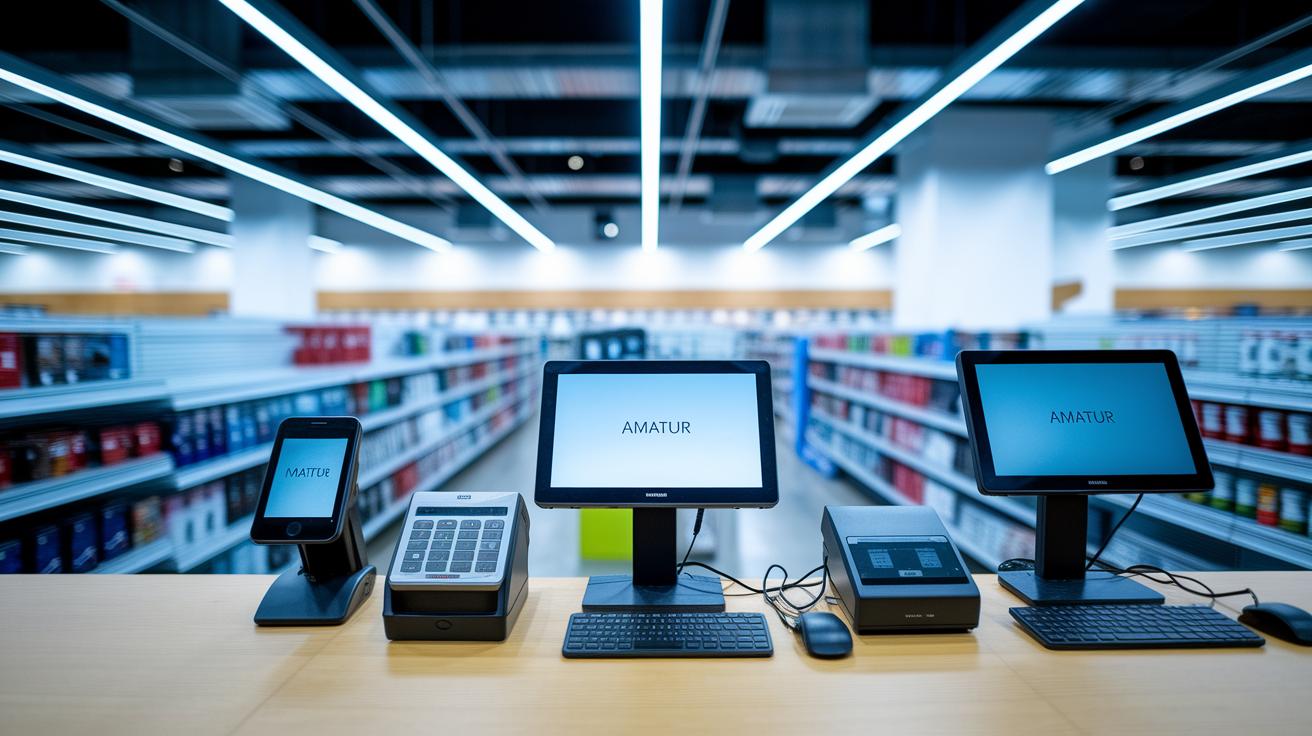
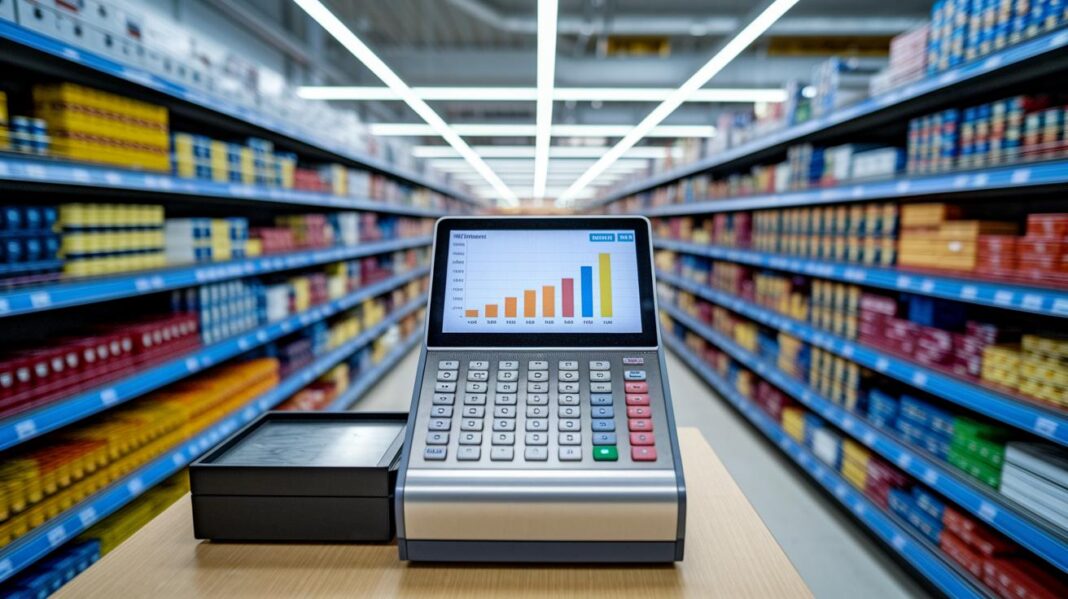
Imagine a retail POS system as a smart, digital hub that brings together both hardware and software to boost sales and simplify store operations. It connects cash registers, barcode scanners, and touchscreen interfaces in one smooth setup, operating on a cloud-based terminal. Plus, it’s designed to keep checkouts fast and hassle-free while offering round-the-clock support, battery backups, inventory tracking, and easy-to-read reporting dashboards that help store managers keep everything running smoothly.
At its core, the system keeps a close eye on inventory in real time and manages payments reliably. It ties together a storefront point of sale platform with retail checkout software so that hardware like barcode scanners and touchscreen terminals sync perfectly with cloud services. Pricing is flexible too. Some systems charge a straightforward monthly fee with extra costs for hardware, while others require a one-time fee plus ongoing maintenance. This variety gives retailers the freedom to choose a solution that fits their store’s size and budget.
Integration is where these systems really shine. They act as a bridge between your physical store and online channels, creating a unified customer experience. In simple terms, they bundle together various operations so that customer data is consistent whether you're selling in-store or online. To pick the right system, start by checking independent reviews, narrow your choices down, and then test a demo that fits your store’s unique needs. This step-by-step approach makes it easier to find a system that drives growth while ensuring smooth operations.
Comparing Leading POS Systems for Retail Niches

Retail stores come in all sizes, and finding the perfect POS system means looking for features that match your very own business needs. Some systems are built to handle big chains with multiple locations, while others are designed to give independent stores an easy way to manage everything remotely. In simple terms, it’s about choosing a tool that checks off key boxes like hardware fit, special integrations, and user-friendly setup.
| System Name | Best For | Key Features |
|---|---|---|
| Markt POS | Independent and specialty grocery | User-friendly design, inventory tracking tailored for smaller outlets |
| Lightspeed Retail | Multilocation chains | Cloud-based management, extensive analytics, scalable across stores |
| IT Retail | Supermarkets | Robust hardware integration, advanced reporting, real-time inventory sync |
| Bottle POS | Liquor stores | Specialized for package stores, remote management capabilities, compliance support |
| C-Store POS | Corner stores | Streamlined interface, fuel pump integration, simple transaction flow |
| Cigars POS | Tobacco shops | Customized for smoke shops, detailed sales tracking, loyalty program integration |
When making your decision, think about your store’s size and unique day-to-day demands. A small corner store might do well with a simple payment tool, while a larger chain really needs a system that can manage multiple outlets effortlessly. Dive into detailed solution reviews and system guides to pinpoint the exact match. Plus, linking to top POS system resources can shine a light on each option’s strengths, ensuring you pick a system that fits your store’s needs now while growing with your business later on.
Key Features to Evaluate in a POS System for Retail
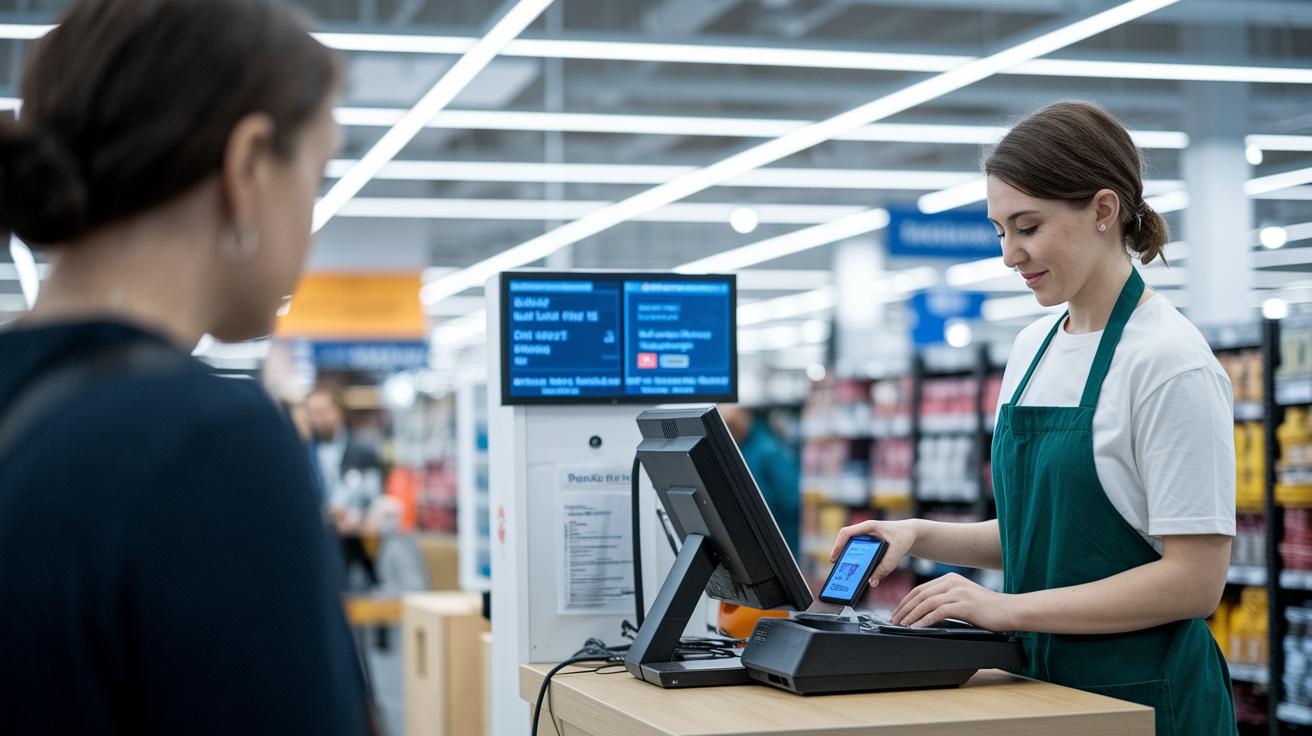
Matching the right features in your POS system can boost your sales and streamline daily operations. One retailer, for instance, cut stockouts by 12% simply by fine-tuning real-time inventory updates. (For those who love details, earlier sections dive deeper into the tech behind these improvements.)
- Real-time inventory sync: Keeps your stock data up-to-date so you can reorder smartly and avoid missing sales.
- Barcode scanning terminal: Speeds up checkout and cuts down on mistakes, making each transaction smoother.
- Offline transaction processing: Ensures every sale is recorded, even if your connection goes down.
- Customer loyalty integration: Links customer purchases to rewards, encouraging repeat business and lifting revenue.
- Digital receipt management: Turns paper transactions digital to simplify record keeping and speed up returns.
- Performance analytics dashboard: Gives you live insights on sales trends and staff performance, key for staying on top of the game.
- E-commerce platform integration: Unifies online and in-store sales for a seamless customer experience and consistent revenue growth.
Each of these features works together to boost efficiency and drive a strong return on investment, as shown by real-world case studies with noticeable revenue jumps and smoother daily operations.
ROI and Cost Considerations for Retail POS Systems
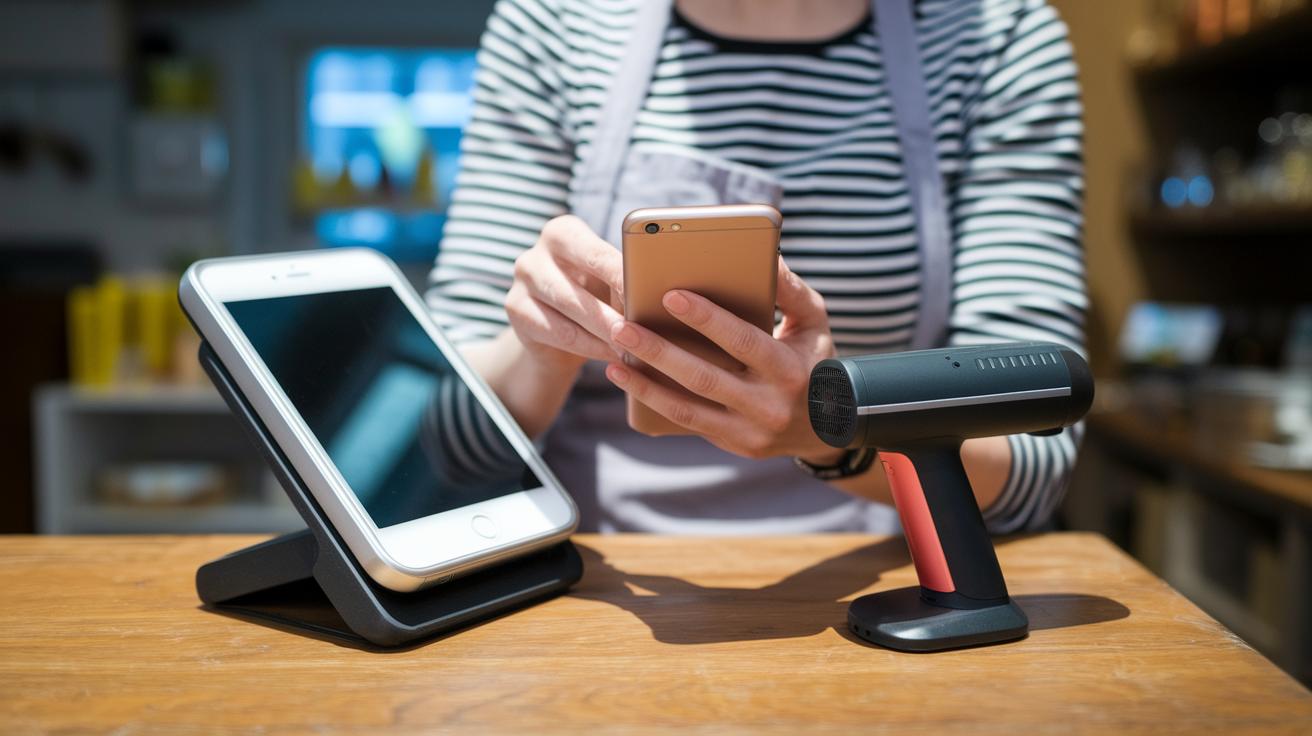
When choosing a retail POS system, you’re met with different cost options. Some systems work on monthly subscriptions for cloud-based payment software, meaning you pay regularly for software use and updates. Other parts of the system, like barcode scanners or touchscreen registers, come with a one-time fee. Often, you can add extra features, like detailed reporting tools or customer loyalty programs, as your business grows. Essentially, you might start with the basics and then upgrade later when you need more functionality.
The decision between a subscription model and an outright purchase is key for your budget. Subscriptions usually lower the upfront cost and can speed up your store setup. This makes them a good fit if you want a flexible, budget-friendly setup that adapts to changing needs. On the flip side, buying a system outright means spending more at the start but might save you money over time. This option works well if your operations are stable or growing and you need a durable, scalable solution.
Real-world examples show that stores using systems tailored to their work style can see returns between 15% and 25% in just the first year. This highlights why taking a careful look at all costs, from monthly fees to the price of hardware, can lead to faster payback and a healthier business overall.
Integrations and Scalability in Retail POS Systems

Today’s POS systems bring together all your store locations through one easy-to-use cloud dashboard. Picture this: you can watch your sales and keep track of your inventory across all branches, from a busy downtown spot to a cozy suburban outlet, in real time. It’s like having a smart control center that keeps everything in sync without any extra hassle.
What’s even more exciting is how these systems blend your in-store registers with your online storefront. This integration means whether a customer orders online or pays in the shop, all the data flows together smoothly. It’s a simple way to ensure that customers always enjoy a consistent experience, inventories match up across locations, and you can quickly adapt as trends emerge.
Behind the scenes, powerful APIs allow your POS system to talk with other back-office tools like CRM, ERP, and loyalty programs. Plus, features like remote diagnostics help fix issues fast. In short, your POS not only keeps your store running efficiently today, it’s built to grow with your business as you open new locations and explore new markets.
Implementation Best Practices for POS Systems in Retail

Rolling out a new POS system isn’t just about flipping a switch, it’s about smart planning and following a clear checklist to keep everything on track. A smooth launch means less downtime, faster team buy-in, and a boost in steady sales from day one.
Pre-Installation Preparations
Before you start, take the time to check your network, choose the best spots for your hardware, and plan how you'll move your data. This upfront work ensures your system is ready to go without any surprises, building a strong base for a trouble-free launch.
Staff Training and Onboarding
Make sure your team feels comfortable by offering training tailored to their roles and a handy resource kit. Running test transactions ahead of the live date gives everyone a chance to get used to the system, building confidence for everyday operations.
Installation and Vendor Coordination
When it’s time to install, stick to a clear, step-by-step guide for setting up registers and configuring software. Teaming up with vendors for a walkthrough and quick troubleshooting helps ensure that your hardware and software work perfectly together in the store.
Post-Installation Support and Upgrades
Once everything is up and running, it’s important to set up a regular support plan. Schedule periodic upgrades and keep in touch with your vendors so your system stays efficient and adapts as your business needs change.
Final Words
In the action, we reviewed a retail POS system that blends hardware and software for smooth operations. Our discussion covered essential features, pricing approaches, and integration methods that keep your store coordinated.
We broke down the advantages of a reliable pos system for retail, from real-time inventory updates to simple implementation steps. Embrace these insights to drive better decisions and enjoy continued business growth.
FAQ
Q: What is a retail POS system and what does it include?
A: A retail POS system refers to a point-of-sale setup that streamlines transactions, manages inventory, and tracks customer data. It uses hardware such as barcode scanners and software for real-time reporting.
Q: Are there free retail or small business POS systems available?
A: Free retail and small business POS systems exist that offer basic sales processing features. They serve startups well, though additional capabilities or hardware upgrades often require a paid plan.
Q: How can I find the best POS system for a retail store or small business?
A: Finding the best POS system involves comparing feature sets, testing demos, and reading user reviews. This approach helps identify a solution that fits your store’s workflow and growth goals.
Q: What features does a retail POS system with a barcode scanner provide?
A: A retail POS system with a barcode scanner speeds up transactions and improves inventory accuracy by streamlining product lookups and data capture, enhancing overall checkout efficiency.
Q: How much does a full retail POS system typically cost?
A: Full retail POS systems come with varying costs, balancing one-time hardware fees and recurring software subscriptions. Evaluating multiple vendors helps match your budget with the features you need.
Q: What POS system does Chick-fil-A use?
A: Chick-fil-A uses a specialized POS system designed for quick-service environments. Their solution supports high-volume transactions and order accuracy while integrating essential payment processing features.
Q: Is Square POS truly free?
A: Square POS offers a free version that covers essential sales transactions, making it attractive for small businesses. However, extra features like advanced analytics or hardware integrations may involve charges.
Q: What is the best POS system for a food truck?
A: The best POS system for a food truck emphasizes mobility, offline capability, and seamless payment integration, ensuring efficient order processing and inventory control on the go.
Q: What are the advantages of Clover retail POS?
A: Clover retail POS provides an intuitive interface, flexible hardware options, and scalable features. Its integrated tools help manage sales, inventory, and customer interactions efficiently as your business grows.
Q: How can I view a Lightspeed POS demo?
A: Viewing a Lightspeed POS demo is easy. Simply visit the Lightspeed website and request a demo to experience firsthand how its features and interface can benefit your retail operations.
Q: Which POS system is best for a bar or restaurant?
A: The best POS system for a bar or restaurant optimizes order management, tracks tabs, and integrates with kitchen displays. This enhances service speed, accuracy, and overall efficiency in busy dining environments.