
Ever thought your online store might be snappier and more adaptable? With headless commerce, you break free from clunky old systems by separating the front-end experience from the backend mechanics. This means you can update your site quickly, fine-tune its look on the fly, and skip those long waits for changes. The result is a smooth, responsive shopping experience that keeps pace with your customers. So, are you ready to boost your e-commerce and simplify your tech challenges?
Realizing Flexibility with Headless Commerce Solutions
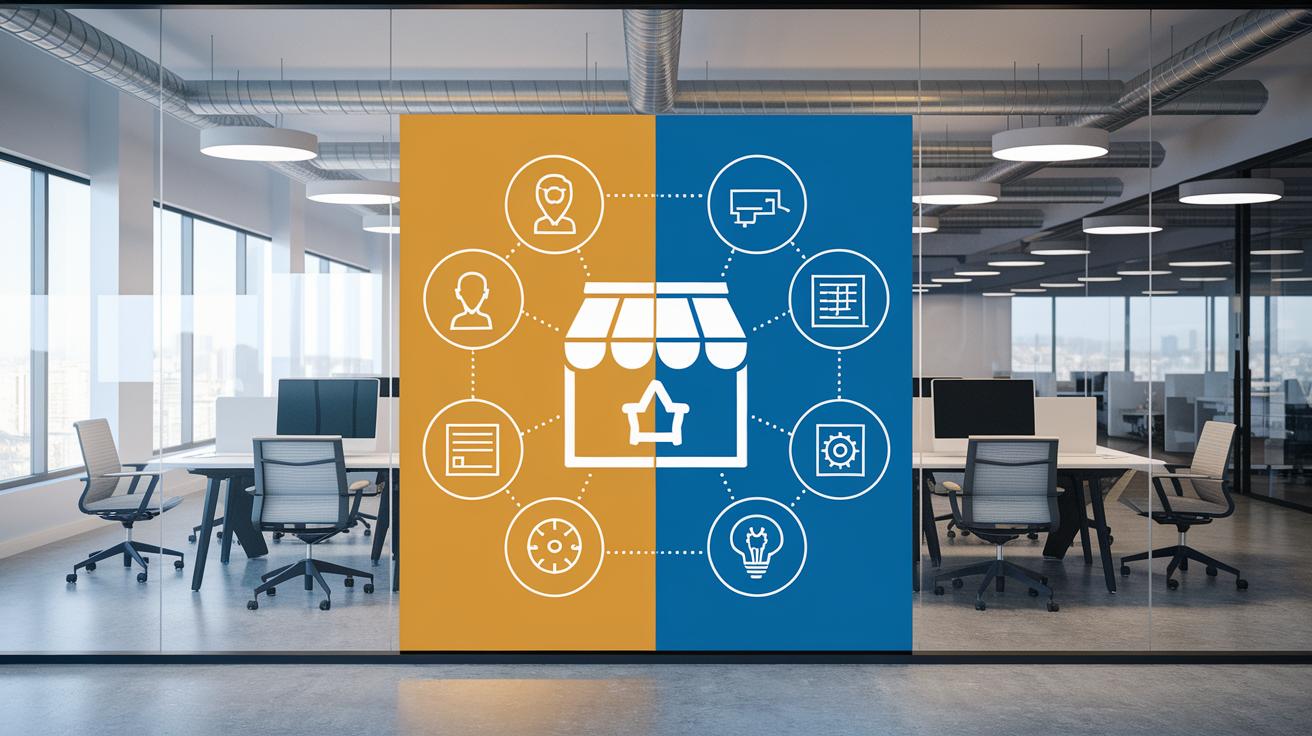
Headless commerce separates what customers see from the behind-the-scenes systems. In simple terms, it lets companies build online stores that are fast, flexible, and uniquely styled without being stuck in old template designs. Developers can tweak the user interface without diving into complex backend changes, which means updates happen smoothly and downtime is kept to a minimum.
This modern setup not only makes the work process feel smoother but also cuts down on the technical headaches that come with traditional, bulky systems. By using headless commerce, businesses can easily hook up different elements, such as shopping carts, checkouts, and product listings, with simple API connections. The result is a faster development cycle and a shop that works well on websites, mobile apps, and even smart gadgets.
Key benefits of headless commerce include:
- Flexibility: Change your storefront quickly without waiting on backend updates.
- Scalability: Grow each part of your system on its own terms.
- Customization: Create a shopping experience that truly fits your brand.
- Reduced technical debt: Update features without having to rebuild everything.
- Multichannel support: Offer a consistent experience whether customers shop online, on their phone, or on connected devices.
- Rapid updates: Make improvements and content changes quickly and easily.
Many organizations are choosing headless commerce because it speeds up innovation and creates a more dynamic e-commerce environment. By keeping the frontend separate from the backend, companies can respond faster to market changes and new tech trends. This approach not only boosts efficiency but also enhances the customer experience by allowing for continuous updates and increased agility.
Headless Commerce Solutions: Supercharge Your E-commerce

Headless commerce breaks apart the customer view from the mechanics behind the scenes. It uses API technologies like REST and GraphQL, simple tools that let each part, from the design to data handling, run its own show. This clear split means you can tweak the look, update the backend, or change your content without interrupting the whole system. The main pieces include the Presentation Layer, Commerce Engine, API Layer, and CMS Integration. With this setup, your system gets less downtime and fuels quick, smart updates.
Presentation Layer
Modern frameworks such as React, Vue, and Next.js power up the look of your site. They build user-friendly interfaces that work independently from deep backend processes. This separation means developers can freshen up the design without waiting on backend changes. It’s a win for businesses eager to keep ahead and stand out in the ever-changing e-commerce world.
Commerce Engine
The Commerce Engine is where the core action happens. It handles everything from order processing to managing your product catalog and pricing info. This layer connects seamlessly with various backend systems. Think of it like those smart commerce platforms you might find on commerce technology sites. It keeps transactions smooth and supports growth as your sales rise.
API Layer
The API Layer acts as a smart middleman, linking the customer-facing side with the backend. Using REST and GraphQL, it passes information back and forth in real time. Whether you’re updating product details or fine-tuning the checkout, this layer keeps everything talking clearly and efficiently.
CMS Integration
Finally, the CMS Integration lets you manage content without reworking your backend. It connects through APIs, making updates, from blog posts to product guides, quick and simple. This means you can keep your website fresh without any downtime.
By modularizing your system, each component can grow and evolve on its own. You get a setup that scales easily, updates fast, and sparks ongoing innovation, all to supercharge your e-commerce experience.
API-Driven Retail Integration in Headless Commerce Solutions
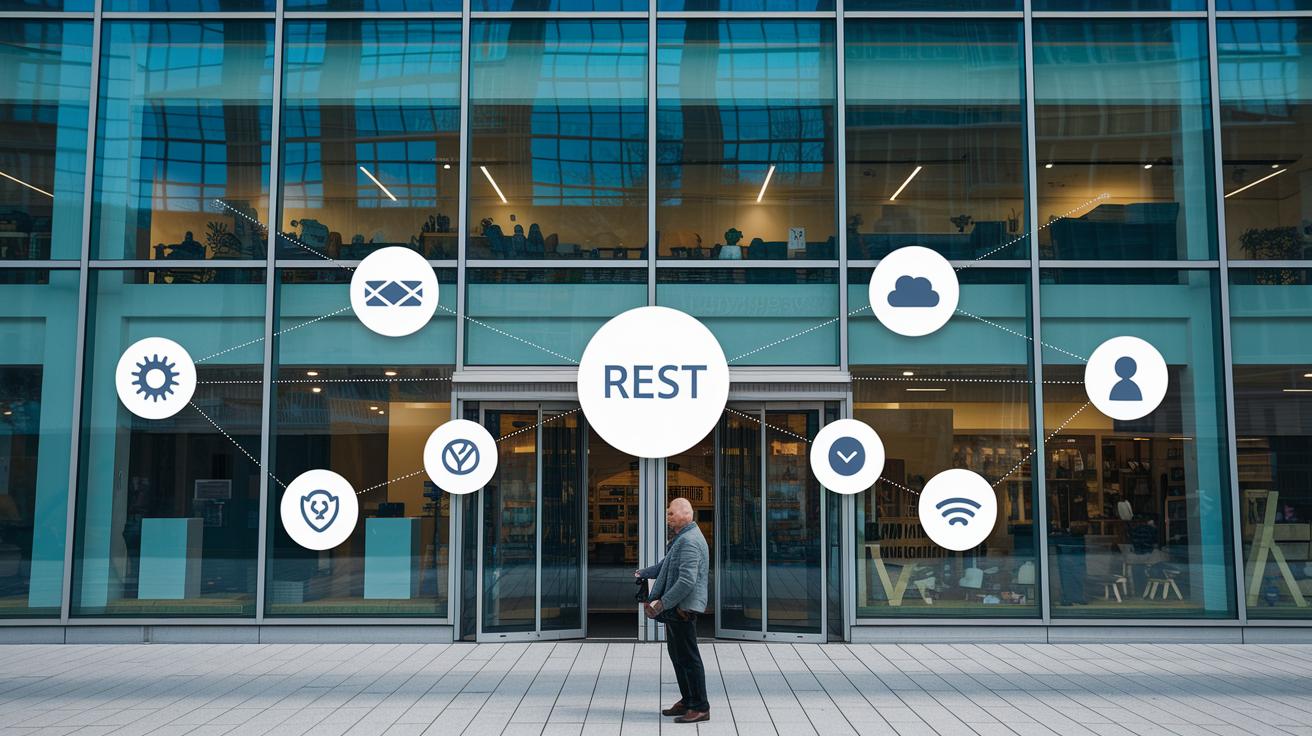
Retailers today encounter challenges like unexpected traffic surges and the need to manage multiple channels. Using an API-first approach, traditional systems seamlessly connect with modern retail tech through simple protocols like REST and GraphQL. For instance, one retailer built a custom API network that links live inventory, pricing, and order processing for real-time updates, even during peak traffic.
Standardized communication with REST and GraphQL lets you separate the frontend from the backend. This separation makes system updates quicker and integration more reliable. One regional fashion retailer connected their existing order management with a custom frontend interface, cutting delays and ensuring a consistent experience across all sales channels.
Content systems, whether it’s a CMS, product information management, or digital experience platform, can run on their own while staying in sync with transactional systems. For example, one retailer managed to update product details, promotional pages, and user guides simultaneously across both digital and physical platforms, creating a unified brand experience.
Dynamic content delivery mixes advanced caching and edge computing to manage seasonal spikes and high traffic. A major retailer showed that moving data processing closer to customers cut down page load times during flash sales, which directly improved customer satisfaction and boosted purchase rates.
Comparing Top Headless Commerce Solutions Platforms

The headless commerce scene is full of options designed to fit different business needs. Big names like Shopify Plus, BigCommerce, commercetools, Fabric, and Shopware have led the way with fresh, API-powered, and modular solutions. They let you pick a system that works for your operations and budget without locking you into one rigid structure. When choosing, look for a clean interface, support for REST/GraphQL, the ability to manage multiple storefronts, and round-the-clock customer support. For more details, our digital commerce platform page is a great resource.
| Platform | API Model | Hosting | Starting Cost | Notable Feature |
|---|---|---|---|---|
| Shopify Plus | REST/GraphQL | Fully hosted | $100K+ | Customizable frontends via APIs |
| BigCommerce | REST/GraphQL | Open SaaS | $50K–$150K | API-driven integration |
| commercetools | GraphQL | Cloud-based | $250K+ | MACH microservices architecture |
| Fabric | RESTful APIs | Cloud/On-premise | $50K–$150K | Mid-market and enterprise capabilities |
| Shopware | REST API | Self-host or cloud | $50K–$150K | Open-source with extensive customization |
Each platform shines in its own way, catering to a range of business sizes and budgets. Shopify Plus is popular with larger companies that need a thorough, fully hosted solution packed with customization options. If you're after a balance between off-the-shelf functionality and the flexibility to tweak things, BigCommerce and Shopware hit the mark. For businesses that want a modern, MACH-based setup to handle more complex operations, commercetools is a standout choice. Meanwhile, Fabric offers a flexible, API-driven solution perfect for mid-market firms and larger enterprises looking to grow without a hitch. In short, each option lets you choose a system that perfectly aligns with your current needs and future growth plans.
Implementing Headless Commerce Solutions: Best Practices & Use Cases

B2C Retail Use Case
A direct-to-consumer brand took a smart, step-by-step approach by first testing a new website look with a headless CMS. This allowed the team to play around with design and interactive elements without risking too much. Then, they connected their shopping engine through APIs so orders, product details, and pricing all synced seamlessly. After testing the system from start to finish, they saw page loads speed up by around 40% and a 25% jump in conversion rates. In simple terms, the brand shifted away from an old-school model to a flexible process, giving shoppers a much smoother checkout experience.
B2B Wholesale Deployment
A wholesale distributor tackled integration by connecting its product data system and digital experience platform using APIs. They rolled out the changes in phases, which helped them keep data accurate and speed up bulk order processing. By updating their backend systems slowly and testing small batches first, they could expand these independent commerce solutions with confidence. In a nutshell, by linking their product information system with their digital platform, they managed to keep everything up-to-date with hardly any hiccups.
Omnichannel Brand Launch
A big-name retailer nailed an omnichannel commerce strategy by creating one unified shopping experience across mobile, web, and even IoT devices. They kicked things off with a prototype to get the creative and functional parts working together through API integrations. This method helped them deliver a consistent look and feel, no matter if you were shopping on your phone, computer, or another device. The retailer found that this unified system not only provided a steady user experience but also adapted quickly when customer needs changed.
Scalability and Performance in Headless Commerce Solutions

A 2024 study shows that 79% of companies using headless systems say their setups handle growth very well. This tells us that headless commerce really supports business expansion, even when traffic surges. It means firms can scale different parts of their system as needed, keeping things running smoothly even during busy times.
Using tools like content delivery networks, edge computing, and smart caching makes a big difference. Imagine a big sale or a fresh product launch causing extra site visits – these tactics speed up load times by serving content from servers that are closer to shoppers. It’s all about keeping that shopping experience fast and responsive, which is crucial in today’s digital world.
The beauty of headless setups lies in their flexibility. Frontend servers, API layers, and backend databases can each be tweaked independently. This autonomy helps businesses tackle slowdowns and improve efficiency without redoing the whole system. In fact, boosting one part of the infrastructure often lifts the overall performance.
One more thing to note is API security. By using token-based authentication and setting limits on API use, companies protect sensitive data and prevent unwanted access. Plus, ongoing monitoring quickly catches any issues, ensuring the system stays secure and performs at its best.
Final Words
In the action, we’ve seen how decoupling the frontend from backend systems paves the way for dynamic, adaptable digital experiences. The blog walked through the architecture, API-driven integration, platform comparisons, use cases, and scalability tactics that drive competitive advantage.
These sections show the clear benefits of separating presentation engines, commerce engines, and data layers. OmegaMarkets.com believes headless commerce solutions empower businesses with the speed and flexibility needed to stay ahead.
FAQ
What is a headless commerce solution, platform, or headless solution?
A headless commerce solution decouples the storefront from the backend systems, allowing for flexible, API-driven interactions that speed up development and enable custom experiences.
What are some examples of headless commerce, including open source options and solutions like Shopify and D365?
Headless commerce examples cover a range of solutions—from open source platforms to specialized implementations like Shopify headless commerce and Microsoft D365 integrations—delivering modular, scalable, and customizable e-commerce experiences.
Which are considered the best headless eCommerce platforms?
The best headless eCommerce platforms offer robust API integrations, high flexibility, and streamlined updates, helping businesses achieve rapid deployment and improved customer experiences.
What insights do headless ecommerce discussions on Reddit provide?
Reddit discussions on headless ecommerce share practical user experiences, technical tips, and comparisons, offering real-world insights and peer advice that inform better platform selection and strategy.
Is headless commerce certification available?
Headless commerce certification programs validate skills in API-first integrations and modern e-commerce architectures, supporting professionals who want to enhance their technical expertise and career prospects.
Is headless eCommerce worth it for businesses?
Headless eCommerce is worth it for businesses seeking customization, faster updates, and reduced technical debt, as it offers enhanced agility and improved performance across multiple channels.
How much does implementing headless commerce cost?
The cost of headless commerce implementation varies by scale—mid-market builds typically range from $50K to $150K, while enterprise solutions can exceed $250K based on the complexity and required integrations.