

Ever thought your online store could run as smoothly as a well-oiled engine? E-commerce platforms now let you check out key features and price points side by side to see which one fits your goals.
Whether you're a small business ready to grow fast or a global seller juggling different currencies and payments, these tools have you covered. Platforms like Shopify, BigCommerce, Adobe Commerce, and WooCommerce offer smart solutions for powering your online sales and boosting growth.
Curious which platform might be your perfect match? Keep reading to discover the best fit for your business.
Comparative Analysis of Leading Business E Commerce Platforms

When setting up your online store, comparing features, pricing, and growth potential side by side helps you quickly decide which platform fits best. You get immediate clarity on the basics like entry costs and scalable infrastructure, making it simple to see if a solution will grow along with your business. For instance, Shopify’s starter plan costs just $5 a month and comes with AI-driven design and over 100 themes, ideal for businesses that need a fast, user-friendly setup.
Maybe you’re leaning toward international expansion or need a solution that blends well with WordPress. This overview spotlights platforms trusted by everyone from small startups to large brands. BigCommerce, for example, supports over 140 currencies and 65 payment providers, which makes it a solid choice for global sellers. On the other hand, Adobe Commerce delivers extensive customization for enterprise-level needs, with pricing starting at $22,000 on-premise and around $40,000 for cloud-based services. Budget-conscious entrepreneurs might find WooCommerce appealing since it’s a free plugin, only requiring hosting costs that can range from $3.99 to $5,000 per month. And if ease of use with built-in retail tools is your priority, Wix offers simple drag-and-drop templates along with a native POS system.
| Platform | Best For | Entry Pricing | Scalability Tier |
|---|---|---|---|
| Shopify | Small to mid-size retailers seeking quick design and AI tools | $5/mo Starter plan | High |
| BigCommerce | Global sellers and brands needing multichannel support | From ~$29/mo | High |
| Adobe Commerce | Large enterprises requiring extensive customization | On-prem $22,000 / Cloud $40,000+ | Enterprise |
| WooCommerce | WordPress users needing flexibility with hosting options | Free plugin + $3.99–$5,000/mo hosting | Scalable |
| Wix | Non-tech users preferring simple, drag-and-drop design | Starting at an affordable monthly fee | Moderate to high |
This clear, side-by-side view gives you a practical way to match platform capabilities with your business goals, ensuring you find the right solution for both now and the future.
Essential Features in a Business E Commerce Platform

Modern e-commerce platforms are built to make your online transactions as smooth and secure as possible. They offer secure checkout and payment systems that keep your customers' data safe while processing payments quickly. Many of these platforms even include AI tools like chatbots that help manage routine tasks and guide customers effortlessly. This smart setup means businesses can handle sales and engage with customers in real time without the usual hassle.
Many platforms also feature real-time inventory and shipping management. These tools update stock levels immediately and streamline order fulfillment, so you always know what’s available. They often come with built-in marketing features and detailed dashboards that keep your business and finances in check. If you’re curious about how these functions can mesh with your own e-commerce strategy, check out this ecommerce strategy: https://omegamarkets.com?p=469.
- Secure checkout and payment gateways
- AI-assisted workflows and chatbots
- Real-time inventory and shipping management
- Built-in marketing and customer growth tools
- PCI DSS compliance and data security
- Business and financial management dashboards
A platform that bundles these features not only boosts your operational efficiency but also drives more online sales. It’s more than just processing transactions, it provides the essential tools for long-term growth and a better customer experience. Start with a surprising fact: before they became well-known, some merchants saw a sharp rise in conversion rates just by tweaking their checkout process. This goes to show that smart, innovative features can make a big difference.
Pricing Models for Business E Commerce Platforms

When choosing an e-commerce platform, you'll notice that pricing usually hinges on three types of fees: subscription fees, transaction fees, and add-ons. Subscription fees are the monthly costs you pay to keep your store up and running, think of Shopify plans that range anywhere from $5 to $299 per month. Then there are transaction fees, which sometimes come as a percentage of your revenue (for example, Salesforce Commerce Cloud may charge up to 2% of the gross merchandise volume). Finally, add-ons cover extra features like premium themes or special plugins that give your store a unique edge.
Real-life examples shed light on how these models work. For instance, Volusion offers plans between $29 and $299 per month, perfect for those who want a simple, hosted solution. On the other hand, WooCommerce gives you a free e-commerce plugin, but you'll need to plan for hosting costs that can range from a few dollars a month to thousands, depending on your site traffic. Another interesting option is Shift4Shop, which becomes free when your monthly sales hit $1,000, providing a cost-effective solution for newer businesses.
Smart budgeting means looking at the base subscription cost, the transaction fees you might face, and any add-on expenses. Some platforms may lure you in with low monthly fees but then tack on higher transaction costs. Conversely, a pricier plan might bundle in useful features that save you money on add-ons in the long run. In fact, by carefully comparing these costs, you can find the one that best powers your online sales efficiently.
Integration and Scalability in a Business E Commerce Platform

Today’s enterprise platforms are like a well-organized control center that links up with over 8,000 apps, think Microsoft Dynamics CRM, Teams, Jira, and even AI tools like ChatGPT agents. This close-knit connectivity lets businesses streamline everything from order processing to customer support. When different systems talk to each other through easy-to-use APIs, the entire commerce hub stays agile and dependable even during rush hours. A great example is how headless commerce allows for creative front-end designs while keeping a strong, reliable backend that supports both local and global needs.
Scalability is equally important for thriving online marketplaces. Companies can begin small and grow steadily without needing a complete tech makeover. Whether processing a few hundred transactions or handling thousands during busy times, the platform’s modular design makes it simple to upgrade and add new integration hubs over time. This flexible approach, backed by a robust e-commerce tech stack, means your systems are always ready to meet rising demand, turning growth challenges into smooth, ongoing success.
Security and Compliance for Business E Commerce Platforms
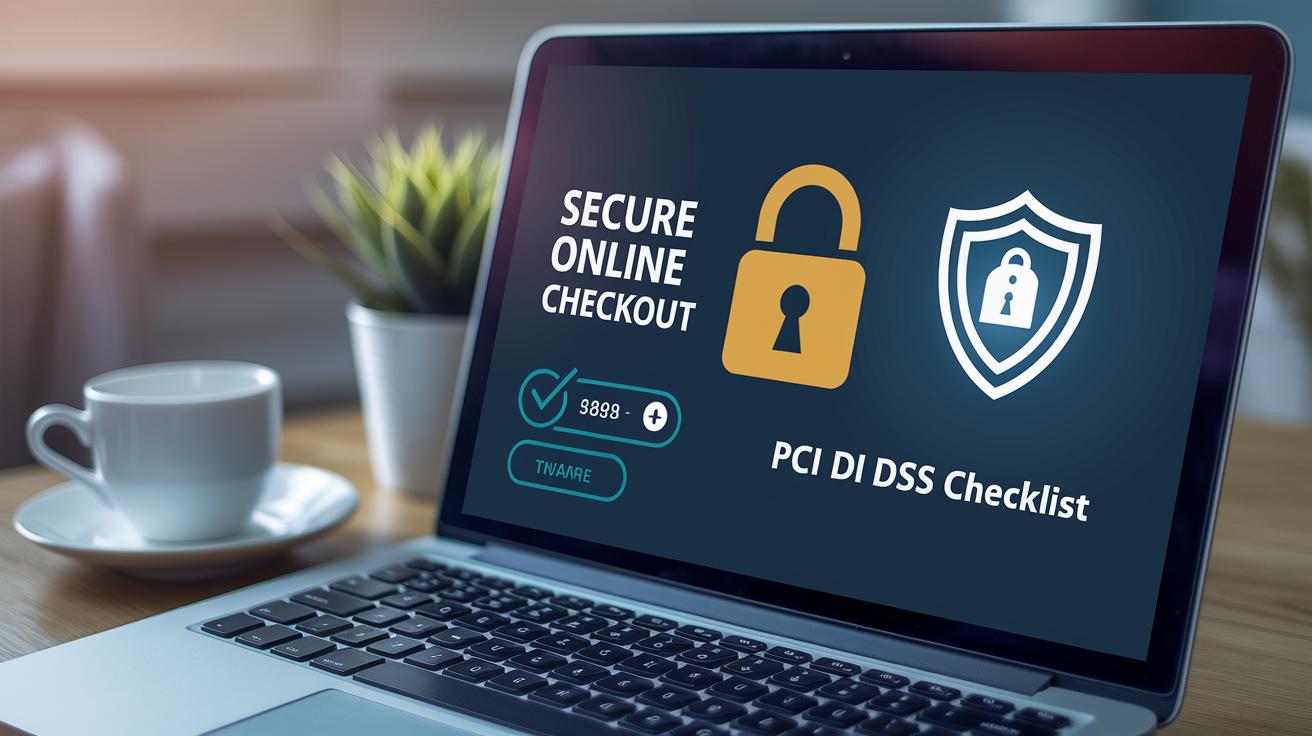
E-commerce platforms today go the extra mile to keep your transactions safe. They use SSL encryption to protect data in transit and secure checkout systems to guard your sensitive information, kind of like a digital safe for your details. They strictly follow PCI DSS guidelines to ensure every payment meets high security standards.
These platforms also use smart fraud-monitoring tools that scan for unusual activity, which helps nip potential breaches in the bud. Regular vulnerability scans and detailed audit logs work together as a safety net, catching issues early before they spiral out of control.
By weaving risk management into their design, these systems give business leaders peace of mind. Each component is built to secure data even during the busiest shopping times. Clear audit trails mean that if something does go wrong, it can be pinpointed and fixed quickly. In short, this commitment to security and compliance lets businesses run online sales confidently while keeping customer information safe and sound.
Implementing a Business E Commerce Platform: Technical Guide

Start by building a solid plan. First, gather all the detailed requirements and sketch out your solution architecture. This step is like drawing a map for your online store, it shows how data moves into the new system and outlines the overall structure. Set specific milestones and performance targets that match your business goals, ensuring everything fits together nicely with both your legacy systems and the latest technologies.
Next, dive into setting up the key parts and testing them thoroughly. Configure important features like payment methods and shipping options so orders are processed automatically. You’ll want to run tests at different stages, from early integration checks to final user reviews, to spot any hiccups before launch. Imagine your team simulating live transactions, making sure every part, from backend logistics to the customer interface, works reliably.
Finally, as your platform gets ready to go live, solid post-launch support is crucial. Set up technical account management to keep an eye on the rollout and quickly handle any unexpected issues. After launch, keep the momentum with regular performance reviews and scheduled maintenance. Clear communication between your support and operational teams will help you fine-tune the system, ensuring your online sales run smoothly and stay on track, both in timing and budget.
Case Studies in Business E Commerce Platform Deployments

Brondell, a promising name in health and wellness, struggled with an outdated website and low customer engagement. They decided it was time for a change and switched to a headless Shopify setup. This move made their website load faster and improved the checkout process, which helped revenue jump by 30% and organic traffic by 20%. In fact, after the change, their conversion rates soared, turning a sluggish website into a real sales powerhouse. It’s a clear reminder that the right technology can breathe new life into a business.
A well-known luxury brand looking to expand internationally faced tough challenges like complex currency exchanges and juggling multiple payment providers. Their breakthrough came when they moved to BigCommerce, a platform that supports more than 140 currencies and over 65 payment providers. With smoother transaction flows and faster processing times, the brand saw a boost in customer satisfaction and easier cross-border transactions. This experience shows that a platform built for global sales challenges can offer strong, scalable support to fuel international growth.
A B2B tech seller had a hard time managing custom catalogs and varied pricing for different clients using an old system that just couldn’t keep up. They turned to Adobe Commerce, which offered advanced catalog management and customization features designed for B2B needs. The new setup not only simplified pricing but also boosted operational efficiency and customer retention, leading to more repeat orders. This case proves that investing in the right technology can deliver impressive returns.
Final Words
In the action, we broke down key comparisons among leading platforms, examined essential features like secure checkouts and real-time inventory, and reviewed pricing models from subscription fees to transaction costs. We also unraveled integration, scalability, and security insights alongside a step-by-step technical guide. Real-world case studies highlighted measurable success from well-chosen platforms. Armed with these findings, decision-makers can confidently harness the benefits of a business e commerce platform and make smart, forward-thinking moves.
FAQ
What is an e-commerce business platform?
An e-commerce business platform is a software solution that helps you set up, manage, and grow an online store. It handles your storefront, payments, inventory, and customer interactions efficiently.
Which online platform is best for small businesses?
The best small business platforms offer intuitive design tools, clear pricing, and essential features like inventory and order management so you can focus on growing your online sales without technical headaches.
What are the top e-commerce platforms available?
Top e-commerce platforms include options like Shopify, BigCommerce, Adobe Commerce, WooCommerce, and Wix. They come with distinct pricing, feature sets, and scalability levels to match various business needs.
How can I create a free website to sell products?
Creating a free website to sell products involves using platforms or plugins that offer basic storefront features at no cost, though additional expenses like hosting and premium add-ons may apply as your business expands.
What defines enterprise e-commerce platforms?
Enterprise e-commerce platforms are built for large organizations requiring advanced features, robust integrations, and high scalability. They are designed to handle high volumes of transactions and support global operations securely.
Which e-commerce platform is best for dropshipping?
The best dropshipping platforms integrate smoothly with supplier networks and offer automation tools for product listings, orders, and shipping. This helps you run a streamlined dropshipping business with minimal operational hassle.
What’s the best e-commerce platform for beginners?
The ideal platform for beginners comes with an easy setup, user-friendly design tools, and responsive customer support. It simplifies the process of launching your online store so you can start selling quickly.
Can e-commerce platforms support international sales?
Many platforms support international sales by offering multi-currency options, language localization, and varied payment methods, ensuring that you can reach and serve customers from different regions effectively.