

Ever thought that your next online purchase might feel like entering a shop from the future? Imagine a place where every detail is finely tuned to what you need.
Online sales are climbing higher than ever, leaving traditional shopping in the dust. Retailers are blending digital tools with friendly, face-to-face touches so that every visit feels personal and unique.
With projections pointing to sales in the trillions, it's clear that modern e-commerce is changing the game. We’re not just watching this shift, we’re right in the middle of it, experiencing firsthand how the future of shopping unfolds before our eyes.
Next-Generation Ecommerce Trends: Market Growth & Projections
Global ecommerce is on a fast-rising journey. Experts project that online sales will hit $4.32 trillion by 2025 and rise to $5.89 trillion by 2029. This steady 8% annual growth comes from more people shopping online and major breakthroughs in digital commerce.
Retailers are rethinking the entire shopping experience. They’re mixing online and offline worlds with innovative platforms and smarter payment options, which are transforming what customers expect from their shopping trips.
Imagine moving from a static website to an interactive digital space, it's like trading a printed catalog for a lively, high-tech display.
| Year | Projected Global Sales |
|---|---|
| 2025 | $4.32 Trillion |
| 2029 | $5.89 Trillion |
These predictions aren’t just about bigger numbers. They highlight a deep shift in how retailers use technology to understand and meet customer needs better than ever before.
AI-Driven Ecommerce Trends: Personalization, Fraud Detection & Supply Chain

Businesses are completely rethinking how we shop by using AI and machine learning to deliver truly personalized experiences. Shoppers now see product suggestions and website designs that match their past behavior, making every visit feel tailor-made. It's fascinating to think that even before major retailers could forecast exactly what customers wanted, they relied on AI to sift through a mountain of data, sparking a big change in personalization strategies.
But AI isn't just about making things feel personal, it also plays a major role in keeping transactions secure. Machine learning models are constantly on the lookout, checking every transaction for anything unusual. In one real-world example, an online store saw a dramatic decrease in fraud attempts just weeks after putting these models into action. This kind of technology helps keep the buying process smooth and secure, ensuring each click is safer than the last.
Smart inventory management is another exciting area where AI shines. Using real-time data, predictive models fine-tune stock levels and forecast demand accurately. Imagine a system that alerts a retailer to restock a popular item before it even runs out, that’s the promise of modern AI inventory management. It streamlines reordering processes and cuts unnecessary costs, all while keeping shelves stocked with what customers want.
And there’s more. Chatbots, now handling up to 80% of customer interactions, provide quick, around-the-clock service. They take care of the routine queries, letting human agents focus on solving more complex issues. This shift not only boosts efficiency but also enhances the overall customer experience.
Finally, AI-driven systems create a seamless network that ties together personalization, fraud detection, and logistics. With predictive insights, businesses can better forecast stock needs and reduce operational costs, ushering the retail experience into a new, next-generation era.
Mobile Commerce Innovations & 5G in Next-Generation Ecommerce Trends
Mobile commerce is changing the way we shop online, and businesses that ignore a mobile-first approach might soon be left in the dust. We’re seeing more and more shoppers demand fast, smooth experiences on their devices. For instance, one retailer used progressive web apps and saw their checkout process speed up by 50%, quickly turning visitors into repeat customers.
Progressive web apps are transforming digital storefronts by providing seamless transitions and real-time content updates. This means shoppers rarely have to deal with slow loading times or clunky interfaces. At the same time, digital wallets are becoming increasingly popular. They offer a more secure and speedy checkout, cutting out unnecessary delays.
And here’s where 5G steps in. This next wave of technology slashes load times even further and supports richer, interactive shopping experiences. With lightning-fast connections, customers get instant product updates, interactive catalogues, and immediate purchase confirmations. This mobile-first focus not only makes shopping smoother but also boosts conversion rates since buyers spend less time waiting.
- Progressive web apps make it easy for users to navigate and stay engaged
- Digital wallets provide secure payments with minimal hassle
Together, 5G and advanced mobile technologies are paving the way for a future where every tap and swipe feels frictionless, engaging, and secure.
Omnichannel Next-Generation Ecommerce Trends: Seamless Channel Integration
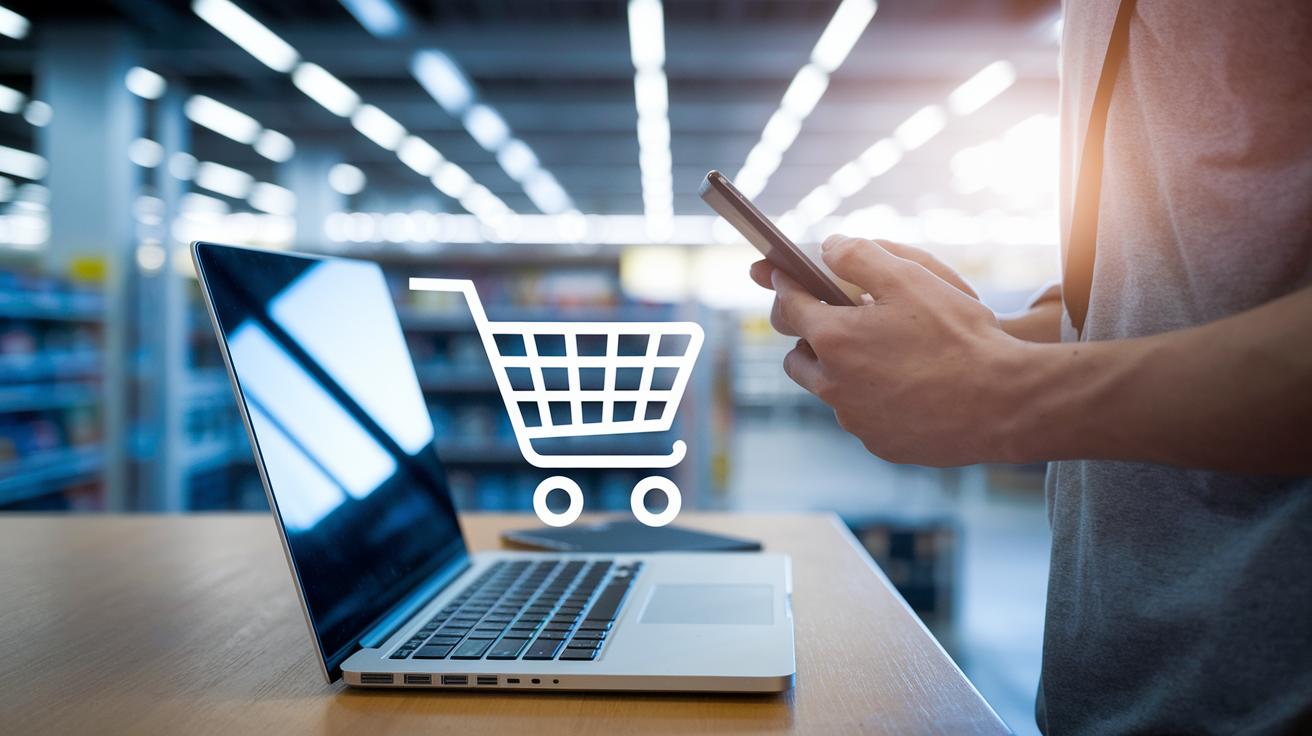
Retailers are transforming the shopping journey by blending online, in-store, and marketplace experiences into one smooth adventure. New models like Buy Online Pickup In-Store (BOPIS) and the up-and-coming Buy In-Store Pickup Online (BIPOS) link the physical and digital worlds in a way that feels natural. Imagine browsing a website, filling your cart, and then visiting your local store where your online picks are ready to go.
Checkout experiences now work the same way across mobile apps, desktop browsers, and even in-store systems. Picture a shopping cart that follows you from your smartphone to your computer, it’s like assembling a puzzle that suddenly makes perfect sense. This kind of seamless, cross-device flow makes purchases simpler and builds trust, encouraging customers to come back time and again.
When different devices and channels work in harmony, shoppers enjoy a truly smooth experience that feels almost effortless. Every step, from browsing to paying, plays a part in making the overall shopping experience more connected and inviting.
- Seamless Experience Across Mobile, Desktop, and In-Store Platforms
- Integrated Checkouts That Boost Customer Loyalty
Every touchpoint helps build a connected shopping ecosystem that keeps customers returning for more.
Social Commerce & Live Shopping in Next-Generation Ecommerce Trends
More than 62% of global shoppers now discover products through social media. These platforms have quickly become a vital part of modern ecommerce. Shoppable videos and live-streamed sales blend fun and efficiency, imagine watching your favorite influencer demo a new product while you click to buy right then, like a virtual shopping party in your living room.
Live commerce is shaking up traditional retail by turning social feeds into active, buzzing marketplaces. Retailers who combine live interaction with clear product displays see higher conversion rates as customers ask questions and get instant feedback. For instance, one live session might boost hourly sales by as much as 30%, catching the attention of buyers who wouldn’t normally visit a conventional online store.
Interactive product views allow shoppers to explore every detail, easing doubts and building trust.
- Real-time engagement drives quick purchase decisions
- Shoppable videos turn entertaining content into immediate sales
Retailers using these tactics create a smooth, enjoyable shopping experience that meets today’s demand for fast, dependable, and interactive buying opportunities.
Sustainable Shopping Trends: Green Logistics in Next-Generation Ecommerce
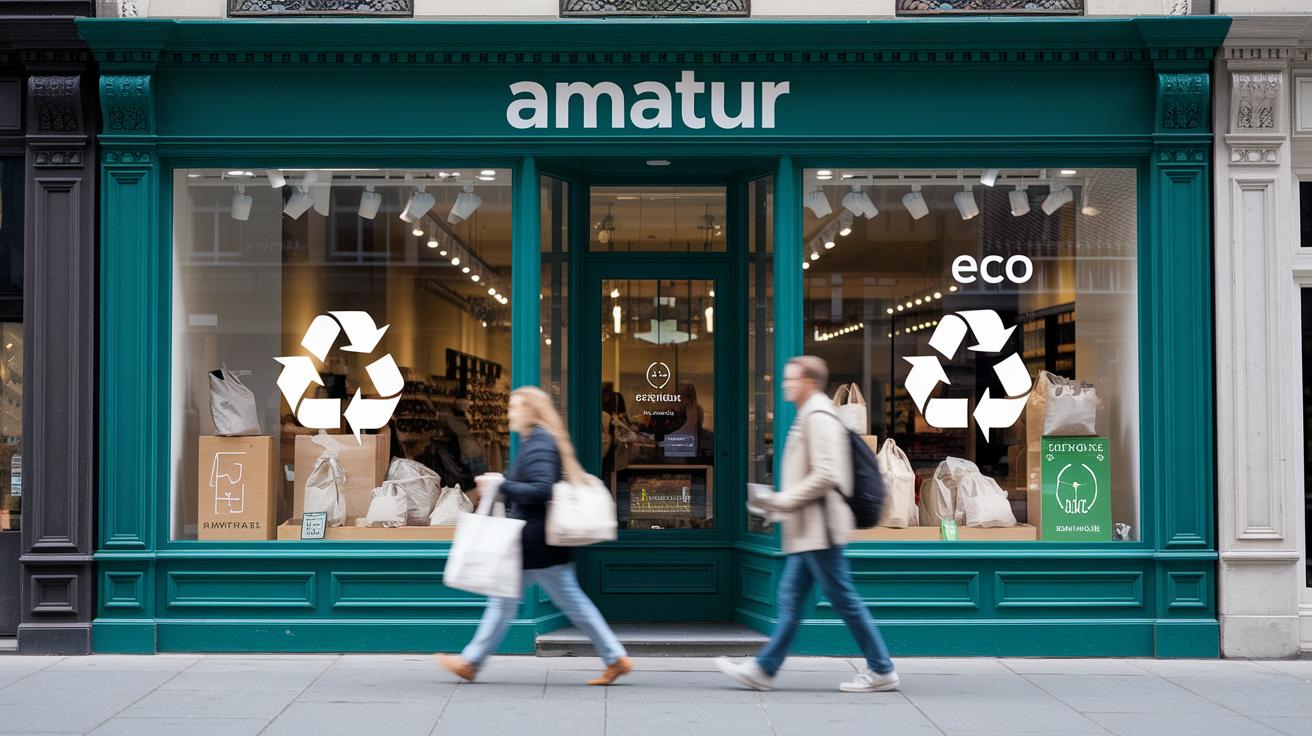
Retailers today are weaving green practices into every part of the shopping experience. From using eco-friendly packaging to choosing shipping methods that lessen environmental impact, they’re ensuring every step feels a bit more earth-friendly. Interestingly, about 64% of Gen Z shoppers are even willing to pay extra if they know a brand cares about the planet. Simply put, brands that adopt green logistics are more likely to win loyal customers.
Companies are also putting their money into circular-economy ideas, which means they’re working hard to cut down on waste and reuse materials in smart ways. For instance, one well-known clothing brand switched to recycled packaging and saw customer satisfaction rise noticeably. These eco-smart changes not only benefit the planet but also help brands stand out in a market that values ethical consumption.
Subscription models are getting creative too. They’re offering carefully chosen eco-friendly products that encourage responsible shopping habits. With climate-friendly shipping strategies, businesses are optimizing orders to reduce carbon footprints. When retailers openly share and stick to their green commitments, they build genuine trust with their customers.
- Eco-friendly packaging and smart innovations build customer trust
- Green logistics and carbon-neutral strategies boost operational excellence
At the end of the day, green logistics is at the heart of creating a robust and sustainable future for retail.
Blockchain & Secure Payment Solutions in Next-Generation Ecommerce Trends
Blockchain tech is reshaping ecommerce by making transactions simpler and safer. With smart contracts, agreements execute automatically once conditions are met. Picture a retailer who instantly receives payment once delivery is confirmed. This creates a smooth, trust-building process.
Secure payment systems powered by blockchain keep track of every transaction on a clear, digital ledger. This transparency cuts down on chargebacks and makes it easier to resolve issues. One retailer even mentioned seeing fewer refund requests because every step was logged right away.
Crypto payments are also gaining ground in retail. Thanks to blockchain, encrypted payment channels protect personal data, reducing fraudulent attempts. This setup not only secures sensitive information but also strengthens trust between businesses and customers, paving the way for a bright future in online retail.
Automated Fulfillment & Smart Logistics Solutions in Next-Generation Ecommerce Trends
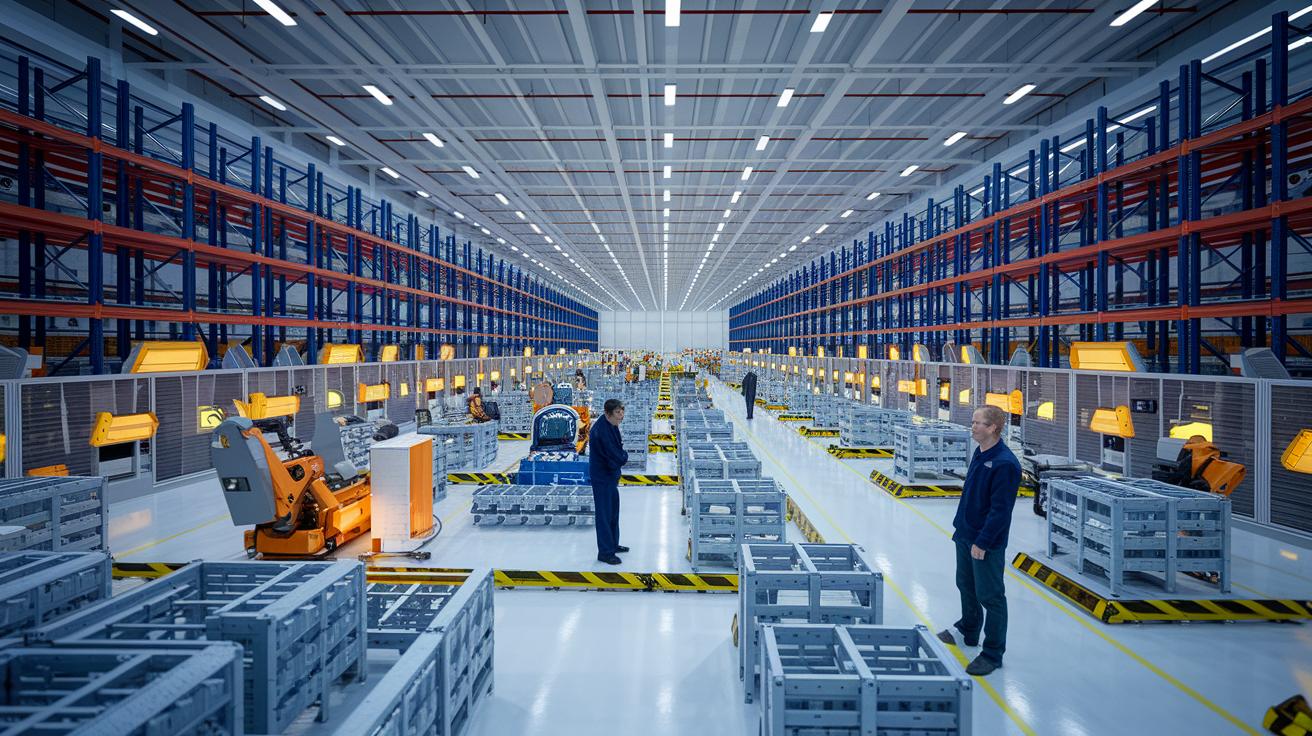
Retailers are quickly turning to smart logistics to meet customers’ growing need for same-day delivery. They’re investing in automated and micro-fulfillment centers, which means orders are processed faster and more reliably. In many modern warehouses, robotics and IoT sensors work together seamlessly, ensuring every product is tracked accurately and shipped with impressive speed. Imagine a lively warehouse where sensors and robots coordinate so well that your order is picked, packed, and sent out almost before you even think about it.
This leap into advanced shipping technology helps retailers trim operational costs while boosting overall performance. Enhanced automation cuts down on manual errors and streamlines the entire order process, fitting perfectly with the fast pace of today’s digital commerce. Retailers can now predict inventory needs and react instantly to customer orders, turning the goal of same-day delivery into a practical reality. For example:
- Automated fulfillment centers boost order precision and curb delays.
- Micro-fulfillment centers bring products closer to where customers live.
- Robotics paired with IoT continue to refine handling and shipping operations.
In a nutshell, tech-driven logistics systems are reshaping ecommerce by making speed, accuracy, and cost-effectiveness work hand in hand. This transformation is setting the stage for scalable, customer-first shopping experiences that feel both modern and reliably personal.
Final Words
In the action, the post paints a vivid picture of market growth fueled by data and innovation. It breaks down how AI boosts personalization, how mobile advancements and 5G deliver faster, secure checkouts, and how unified channels build smoother shopping journeys. It also highlights the impact of sustainability, blockchain, and smart logistics on improving operations and consumer trust. Next-generation ecommerce trends continue to drive exciting changes, making online experiences seamless and enjoyable. We look forward to what comes next.
FAQ
What insights do next-generation ecommerce trends PDFs offer?
Next-generation ecommerce trends PDFs offer detailed analyses on market growth drivers, emerging technology integrations, and shifting consumer behaviors that inform strategic decisions in digital commerce.
What do ecommerce trends for 2025 and 2030 reveal about the future of online shopping?
Ecommerce trends for 2025 and 2030 reveal rapid market expansion fueled by online adoption, tech innovation, and evolving customer expectations, urging businesses to adapt quickly for sustained success.
What are five key trends in ecommerce today?
Five key trends in ecommerce include AI-driven personalization, mobile commerce innovations, cohesive omnichannel experiences, social commerce with live shopping events, and a commitment to sustainability in retail operations.
What general trends are shaping ecommerce?
General trends shaping ecommerce involve secure payment solutions, smart logistics automation, enhanced user experiences across platforms, and the integration of advanced technologies to streamline digital and physical retail channels.


