

Ever wondered if a small tweak on your online store could really boost your revenue? The numbers are pretty eye-opening: digital sales have jumped by 76 percent, and customer loyalty is up 81 percent.
But here's the catch, almost 70 percent of shoppers abandon their carts at checkout. Even the best stores can smooth out their process a bit more.
In this post, we'll walk you through simple, clear strategies to fine-tune every step of the buying journey. Think of it like polishing your checkout process, ramping up your marketing, and making smart changes that turn casual browsers into eager buyers. This is how you could see your revenue skyrocket.
Core Pillars to Increase Ecommerce Sales
Recent reports tell us digital commerce is booming. Digital sales are up 76 percent and customer retention has jumped 81 percent. These figures show that when businesses tighten up their strategies, the results can be impressive. Yet, a notable 70 percent cart abandonment rate tells us there's still work to be done in smoothing out the buying process.
Interestingly, free shipping and easy returns sway the decision for 62 percent of shoppers. A streamlined checkout not only makes the buying process more friendly but also helps boost conversion rates significantly. In fact, when you give each stage of the customer journey some extra attention, you turn every step into an opportunity to excel in digital retail.
- Conversion Optimization: Simplify checkout steps, reduce drop-offs, and use data to make smart, targeted tweaks.
- User Experience: Enhance site navigation, clean up design elements, and offer plenty of product images to build trust.
- Targeted Marketing: Lean on email, SMS campaigns, flash sales, and special discounts to keep customers engaged.
- Data Analytics: Track performance metrics and use analytical tools to spot trends and fine-tune your approach.
Put together, these pillars are key to growing online revenue. Whether you're optimizing conversion rates, honing the user experience, ramping up targeted marketing efforts, or making the most of data analytics, the benefits are clear. The boost seen in checkout completions and customer retention proves that aligning your strategy with these ideas really pays off.
Think of these elements as a roadmap through a competitive digital marketplace. Strengthening each one means your overall sales process becomes more robust, leading to higher customer engagement, greater satisfaction, and, ultimately, a strong revenue lift. This approach paves the way for lasting, measurable success.
Optimize Your Ecommerce Sales Conversion Funnel

When shoppers are browsing, clear and crisp visuals are key. Simple, high-quality images give buyers the confidence they need to assess a product properly. Imagine a smartphone featured from multiple angles; each picture helps customers see exactly what they’re getting.
Next, the cart experience should be smooth and hassle-free. Including perks like free shipping and easy returns reassures buyers and keeps them interested. A clearly displayed free shipping badge, for instance, can prompt someone to complete their purchase without a second thought.
Finally, a straightforward checkout process paired with a swift follow-up after purchase is vital. Keeping the checkout simple avoids confusion and minimizes drop-offs. Picture a step-by-step checkout that comforts users with its clarity and security, guiding them safely to the finish line.
Enhance Ecommerce Product Pages to Boost Sales
When customers browse online, they spend a lot of time on product pages. These pages do more than just list product details, they truly guide shoppers through their buying journey. Almost 95 percent of buyers check reviews before committing to a purchase, so a well-crafted product page builds trust and helps seal the deal. Features like virtual try-on tools and interactive visuals add a fun, engaging element that can really boost sales.
| Feature | Benefit |
|---|---|
| Multiple Images | Gives a full view of the product, making everything clear |
| Customer Reviews | Offers real opinions to build trust |
| Virtual Try-On | Makes it easier for customers to see how items might look in their own space |
| Video Storytelling | Brings the product to life with detailed visuals and stories |
By adding these features, retailers can boost both trust and sales. Clear images, honest reviews, and interactive elements help overcome doubts and turn browsing into buying.
Implement Targeted Marketing Tactics for Ecommerce Sales Growth
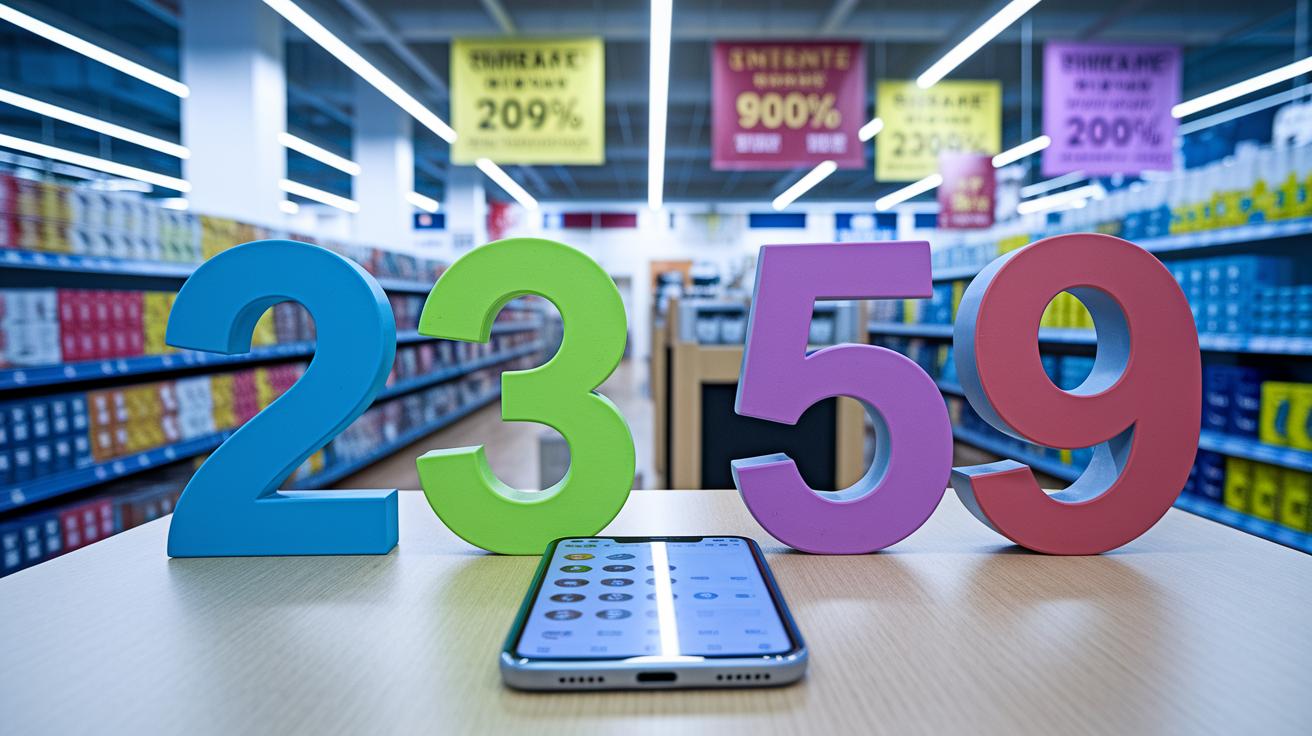
Flash sales are a powerful way to spark customer excitement quickly. When these deals are planned well, they can boost up to 20% of your monthly revenue in just one day. Creating a short window for special offers makes buyers act without delay. For example, try a message like "Only 24 hours left for our exclusive deal!" to grab attention right away.
Social selling is catching on, especially on platforms that mix content with commerce. Just think: TikTok marketing now reaches about 10% of Shopify merchants , roughly 460,000 stores! Using these channels lets businesses interact directly with their audience in fun, engaging ways, while simultaneously raising both brand awareness and sales.
Personalized email and SMS campaigns work wonders for driving repeat purchases. By grouping customers based on their actions or past purchases, each automated message feels more personal. Imagine reminding someone with a friendly nudge like "Your saved items are still waiting for you" , it prompts action and builds a lasting connection.
Don’t overlook the power of coupon banners on your homepage. When placed front and center, these banners help turn first-time visitors into buyers by offering instant discounts that lower the barrier to purchase. This simple tactic can convert curious browsing into a committed sale.
Leverage Data-Driven Insights to Improve Ecommerce Sales
Data fuels smart choices in ecommerce. With tools like Google Analytics 4, you can easily track which channels are boosting your revenue and understand customer buying habits. This real-time information lets you tweak your strategy on the fly, making sure every change counts.
Google Analytics 4 Implementation
Start by adding the tracking code to your online store. Once it’s set up, you unlock clear, easy-to-read reports that show how customers behave and pinpoint which marketing efforts really connect. Reviewing these insights helps you identify top pages and traffic sources, so you can continuously fine-tune everything, from your landing pages to your promotions.
A/B Testing for Ecommerce Content
A/B testing begins with a simple idea based on what you know about your customers. Pick one element to change, like a call-to-action button or a banner image, so you can measure its true impact. After running the test, go over the results to see how the change affects your conversion rates. These clear findings let you make smart, data-backed tweaks that gradually boost your ecommerce sales.
Streamline Checkout and Payment Processes to Increase Ecommerce Sales
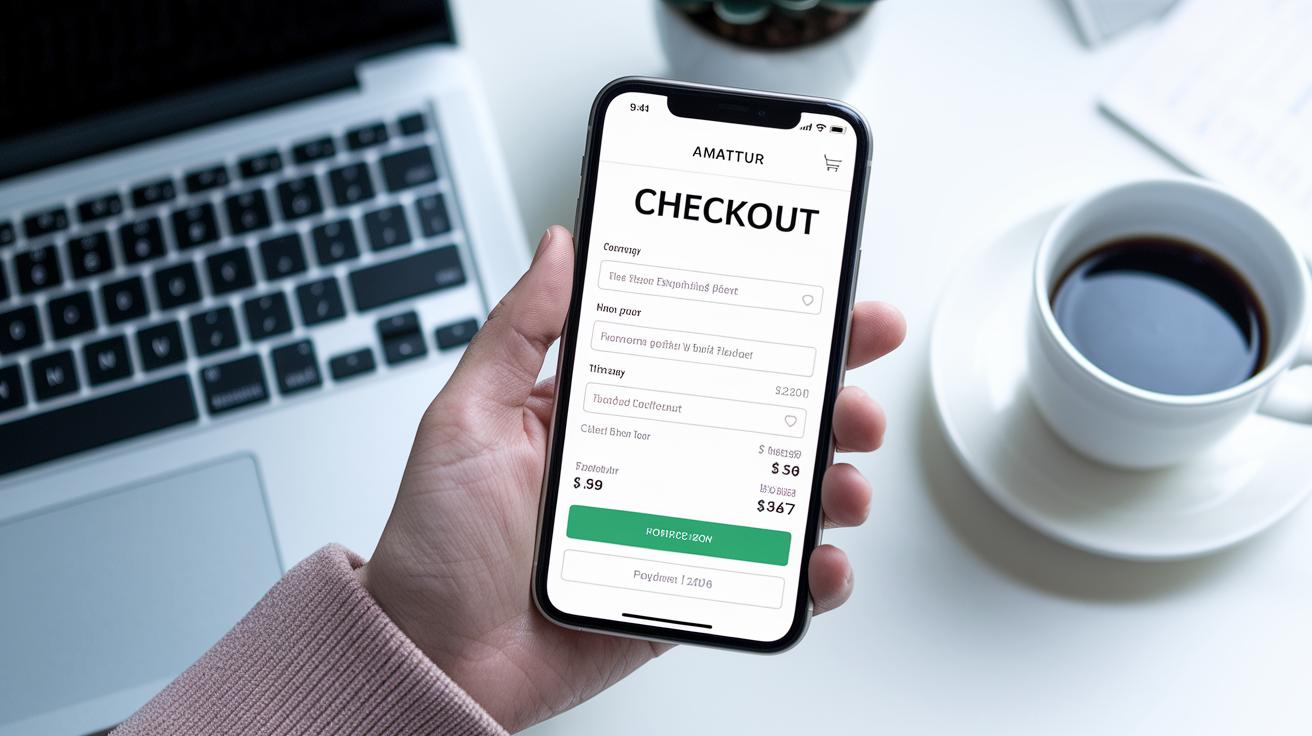
A clean, user-friendly checkout page helps shoppers complete their purchases with ease. When the process is simple and clear, with just a few numbered steps, customers aren’t left confused or overwhelmed.
Offering trusted payment methods like Visa, Mastercard, and PayPal alongside visible security badges reassures buyers. When shoppers see familiar icons and clear trust signals, they feel more secure sharing their details.
If a cart is abandoned, automated follow-up emails can win back nearly 25% of those customers. Pairing these email reminders with an optimized mobile checkout creates a seamless path back to purchase, making it easy for anyone on the go.
Personalize Customer Experiences to Drive Ecommerce Sales
AI-powered recommendation engines are changing the way we shop online by studying how people browse in real time. They suggest products that fit perfectly with what a visitor likes, often increasing the cart value by showing items they might have missed. Imagine a customer looking at a stylish watch, who then sees suggestions for matching bracelets and cufflinks just when they're ready to decide. It's a simple yet powerful way to boost engagement and push sales higher.
Next, clever cross-selling and upselling tools take personalization even further with tailored pop-ups and follow-up messages. These little prompts can nudge shoppers to consider premium or additional products. Think about a message that pops up saying, "Customers who bought this item also chose a warranty extension," right at the right time. Such well-timed hints not only keep customers informed, they actively open doors to extra revenue.
In addition, crafting smart loyalty and retention programs is another key way to personalize the experience. Reward schemes and specially tailored offers have been shown to lift repeat purchase rates significantly, sometimes by as much as 81 percent. Picture a program where each purchase earns you points towards exclusive deals. It builds trust, keeps customers coming back, and strengthens the long-term relationship with your brand.
Harness SEO Practices to Increase Ecommerce Sales

Smart keyword research is the first step to boosting your ecommerce site. Take a moment to understand the words your audience uses online, this lets you create title tags and meta descriptions that really hit home. By naturally weaving these common keywords into your product descriptions, you'll set a strong foundation for a thriving SEO campaign and boost your organic search exposure.
Next, think about on-page content optimization as a way to lift your site's performance. Rich, detailed product descriptions and well-organized data help search engines understand your pages, so they rank them higher. Even small adjustments, like adding accurate alt text to your images, can make a big difference by linking visual appeal with search engine needs. These practices not only increase your site's visibility but also make it a more inviting place for visitors.
Finally, consider the power of link-building tailored for ecommerce. Earning quality inbound links from trustworthy websites builds your site's credibility. This off-page SEO tactic signals to search engines that your site is reliable, helping it climb in the rankings and attract more traffic over time.
Final Words
in the action, we saw how improving product pages, optimizing checkouts, smart data use, targeted marketing, and SEO strategies can boost performance.
These techniques offer clear steps to tackle issues like cart abandonment and conversion challenges.
Each pillar supports a more seamless, effective online shopping experience that transforms everyday clicks into successful transactions.
Keep fine-tuning your practices and stay flexible to emerging trends to increase ecommerce sales.
FAQ
How can increasing ecommerce sales be achieved effectively?
Increasing ecommerce sales involves optimizing website design, streamlining checkout processes, and using targeted ads. Leveraging data analytics and customer insights also plays a major role in boosting both traffic and conversions.
What does an E Commerce sales job description include?
An E Commerce sales job description typically covers responsibilities like driving online transactions, managing digital marketing efforts, monitoring customer engagement, and refining sales strategies using relevant data.
How can you improve an ecommerce website?
Improving an ecommerce website means enhancing user experience through clear navigation, high-quality visuals, detailed product information, and streamlined checkout flows that build shopper confidence.
What is an ecommerce ads strategy?
An ecommerce ads strategy involves creating targeted online advertisements on platforms such as Google and social media to drive traffic and convert visitors into buyers while monitoring performance for adjustments.
How can more sales be achieved on Shopify?
On Shopify, boosting sales typically requires optimizing store design, refining product pages with customer reviews and multiple images, and using targeted ads to reach potential buyers effectively.
What does the 10 3 1 rule in sales signify?
The 10 3 1 rule in sales describes a structured approach where 10 initial contacts lead to 3 deeper engagements and culminate in one successful closing, though interpretations can differ between companies.
What is the 2 2 2 rule in sales all about?
The 2 2 2 rule in sales allocates time by dedicating two hours to prospecting, two hours to follow-ups, and two hours to closing activities, aiming to optimize daily productivity.
What are the 4 C’s in sales?
The 4 C’s in sales focus on clarity, connection, consistency, and credibility. These elements help build strong customer relationships and drive higher conversion rates.
What are the 3 C’s of ecommerce?
The 3 C’s of ecommerce emphasize customer care, convenience, and commitment. They focus on delivering exceptional service, ensuring a frictionless buying process, and nurturing lasting loyalty.