

Ever notice how some online stores seem to turn casual browsers into paying customers almost overnight? It’s not magic, it's the result of smart ecommerce marketing that connects with shoppers in a fresh, personal way.
Brands are swapping out old-school methods for clever tactics like AI personalization (which tailors the shopping experience just for you) and sharper SEO strategies that help customers find exactly what they need. Picture a digital marketplace that's alive with energy and simplicity, where every click feels like a gentle nudge toward a sale.
In our look at 2023, we break down these key shifts and show you how quick changes can give your brand a needed boost. Ready to spark some fresh ideas and watch your sales grow in a market that's always on the move?
Ecommerce Marketing Trends Explained: Top Developments & Strategies for 2023

Keeping up with ecommerce marketing trends is key because the digital retail landscape changes quickly. Brands need fresh insights to stay ahead, especially with shopper behavior evolving and marketing tech making rapid leaps. Staying in tune with these trends helps marketers know where to put their money, tweak their tactics, and meet customers right when they need it.
To give you a quick look, here’s what’s trending:
- TikTok Shop Experimentation for Gen Z
- Livestream Shopping Acceleration
- Refined SEO and Retention Marketing
- Expansion of Subscription Models
- AI-Driven Personalization
- Predictive Analytics Adoption
- Zero-Party Data Collection
- Enhanced Social Media Commerce
- Direct Customer Engagement via Stories and DMs
- Influencer Partnership Enhancements
- Content Automation via Generative AI
- Cross-Sell and Multi-Touchpoint Retention Strategies
These trends serve as a guide for marketers who want to create campaigns that truly resonate. Think of it like setting up a storefront: first, attract your visitors; next, lead them smoothly to the checkout; finally, celebrate the boost in conversions. By focusing on strategies like AI-powered personalization and smart SEO tweaks, brands sharpen their edge and adapt quickly to any market shifts.
In a nutshell, modern ecommerce strategies built on these insights offer a balanced, future-ready approach that boosts customer engagement and drives sales growth. It’s all about staying agile and ensuring every campaign is as innovative as the fast-changing digital market.
Personalization & Predictive Ecommerce Marketing Trends

Retailers are using predictive analytics to fine-tune their strategies on the fly, especially since 65% of shoppers expect brands to keep up with their evolving needs. Data signals help companies spot shifts in customer behavior and offer timely recommendations that guide shoppers straight to the right products.
This approach means marketing campaigns stay as flexible and responsive as the buyers they serve. By combining AI-powered recommendation engines with zero-party data best practices, where shoppers directly share their likes and interests, brands can design shopping experiences that feel uniquely personalized.
When customers share their preferences, businesses can tailor every interaction, from the initial click to the final purchase, to create a smoother buying journey. Together, these smart tools deliver hyper-personalized offers that keep refining the shopping experience, helping brands connect with customers in a competitive landscape.
Social Commerce Trends in Ecommerce Marketing

Consumer trust in social platforms is a mix of promise and hesitation. For example, 60% of U.S. shoppers are ready to spend $100 on social media finds, while 53% still don’t fully trust these channels. This gap pushes brands to rethink how they show off their products, striking a simple balance between eye-catching visuals and honest practices. It’s interesting to see how more than half of consumers stay skeptical even when they’re willing to buy.
TikTok Shop entered an experimental phase in 2023, focusing mainly on Gen Z. Brands quickly jumped on board, trying out live demos and interactive showcases to see what really works. This trial-and-error approach is teaching marketers a lot, as they adjust their methods to keep the platform both fun and trustworthy.
Another rising trend is the boost in customer service through direct messages and deeper influencer partnerships. Customer support via direct messaging has jumped by 45% year-over-year, showing that shoppers appreciate quick, personal help. At the same time, brands are teaming up with influencers who truly resonate with their audience, making interactions feel more genuine and driving stronger sales.
AI & Automation Innovations in Ecommerce Marketing Trends

Big brands are now relying on AI chatbots that work around the clock to answer customer questions and fix issues quickly, letting support teams focus on bigger, more strategic projects. These chatbots handle everyday queries and also pull data from customer records to offer a more personal experience. And it gets even better, generative AI tools are now used to whip up product descriptions and images on the spot. Imagine a tool that instantly creates detailed product write-ups and visuals, leaving creative teams free to brainstorm broader marketing strategies that drive sales.
Machine learning is also changing the way brands understand their customers. By looking at past purchase patterns and browsing habits, these systems help marketers pinpoint the segments most likely to respond to specific campaigns. Automated workflows now take care of the whole process, from scheduling customized messages to adjusting ad spend in real-time. This smart level of automation not only boosts campaign ROI but also makes sure every marketing effort is timely and data-driven, keeping brands sharp in a fast-moving digital market.
Omnichannel Fulfillment & O2O Ecommerce Marketing Trends
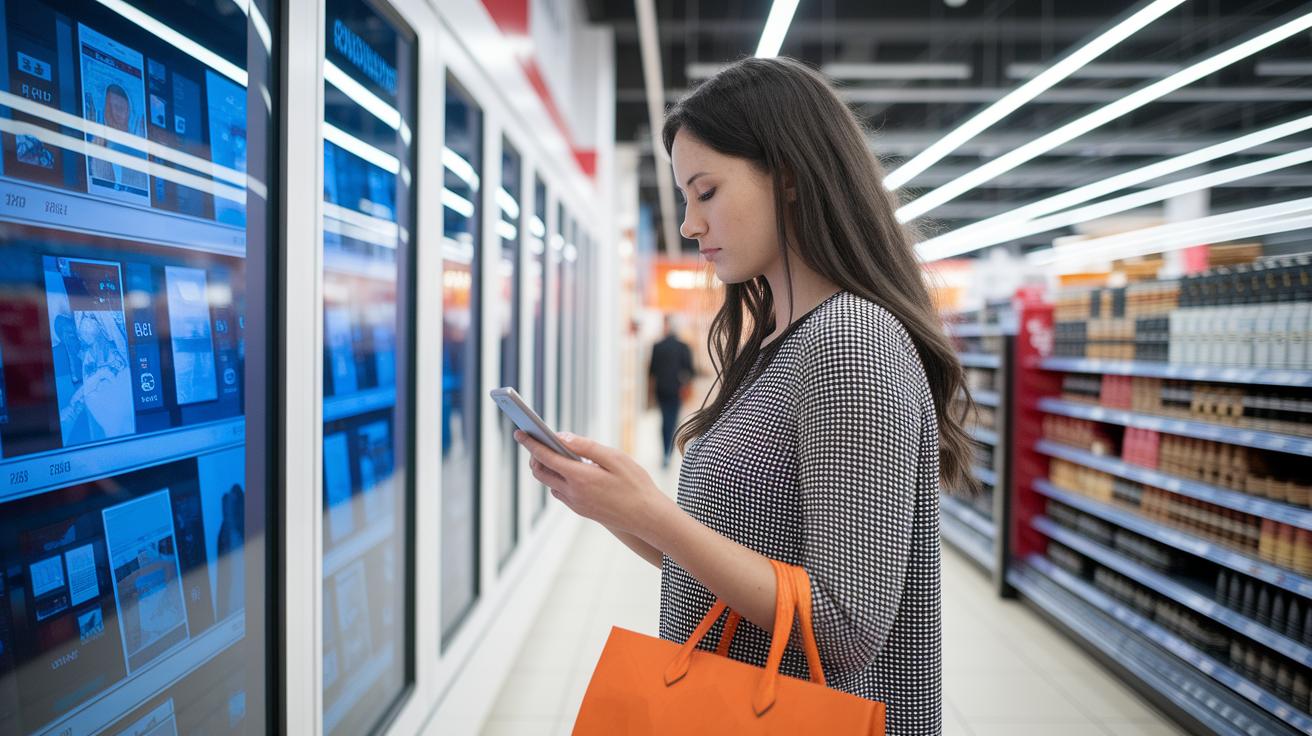
The online-to-offline method is changing the way shoppers complete their purchases. Digital ads pull customers toward real stores, giving them an experience that they simply can't get online. It’s like combining the fast pace of digital promotions with the tactile feel of an in-person visit. Brands now get to add those personal touches that make the shopping journey feel both richer and more memorable.
| Innovation | Benefit |
|---|---|
| Warehouse Automation | Faster order processing |
| Micro-Fulfillment | Same-day delivery |
| Dark Stores | Lower operating costs |
| Diversified Supply Chains | Resilience vs. disruptions |
Marketers are taking full advantage of these fulfillment innovations to boost customer satisfaction. With automated warehouses, orders are processed in the blink of an eye, and micro-fulfillment centers help get products to you the very same day. Plus, using dark stores and diverse supply chains allows brands to keep running smoothly, even when the unexpected happens. This smart mix not only drives sales but also builds lasting customer loyalty through seamless, cross-channel shopping experiences.
Subscription & Retention-Focused Ecommerce Marketing Trends

Subscription ecommerce revenue skyrocketed from $193.6 billion in 2023 to an estimated $5,014.4 billion by 2032. This incredible growth shows how subscription-based models are winning over shoppers who appreciate the ease of recurring, personalized deliveries. In other words, consumers love the reliable and smooth shopping experience that builds trust over time.
At the same time, brands are turning their attention to customer retention as acquisition costs climb. They’re embracing smart cross-sell bundles that suggest complementary products, rolling out loyalty programs that reward ongoing engagement, and boosting their organic SEO to strengthen multichannel strategies. These efforts not only keep customers happy but also reduce spending on attracting new buyers, helping companies build a sturdy business model in today's competitive digital market.
Future Ecommerce Marketing Trends: AR, Voice & Emerging Tech
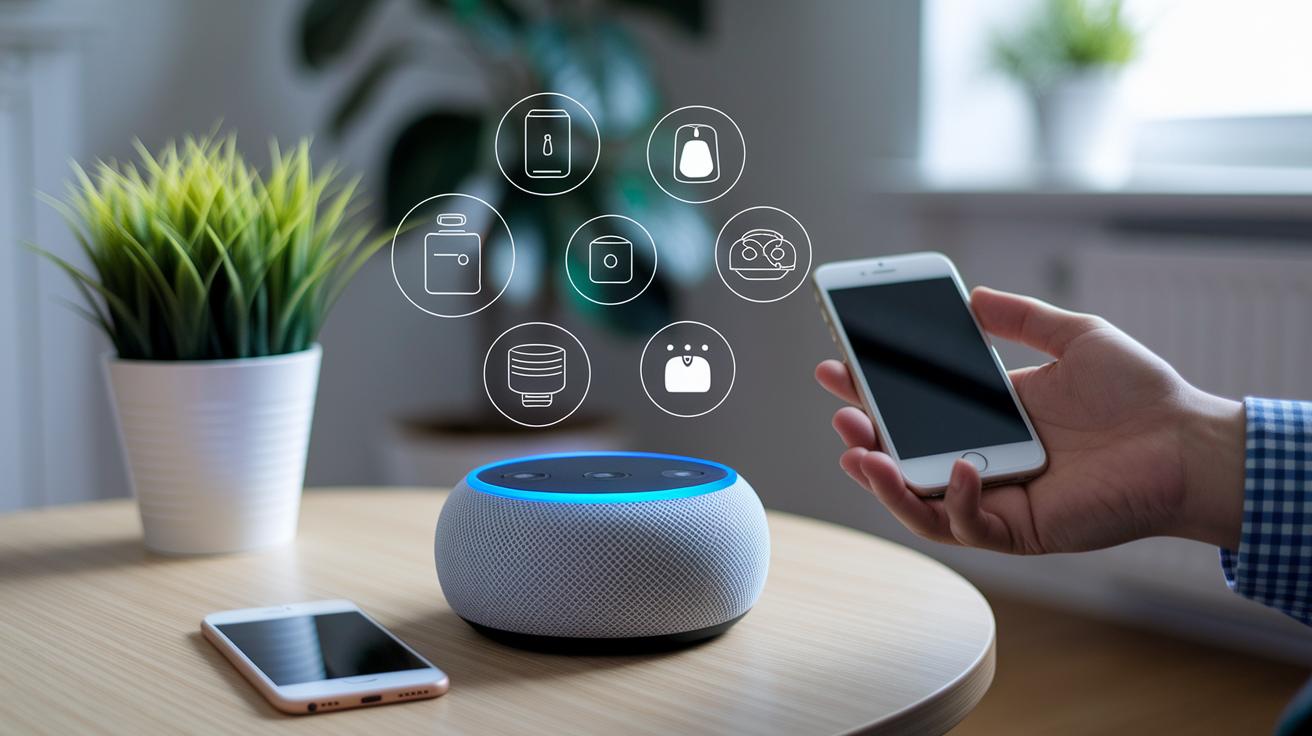
Voice commerce and image search are shaking up online shopping like never before. In just two short years, global voice-assistant transactions sprang from $4.6 billion in 2021 to $19.4 billion in 2023. Have you noticed how fast people are getting used to speaking their orders? Today, shoppers not only search for products by voice but also ask questions and place orders with ease. Imagine just saying the name of your favorite gadget and having it on its way. It’s a smooth, interactive experience that's making shopping more accessible.
Augmented reality (AR) and virtual reality (VR) have put a familiar twist on digital shopping. AR now lets buyers see how a product fits into their own space, which can make the decision feel a lot more secure. And with VR, you can step into virtual store tours or try on items in a digital fitting room. It’s like standing in a store and checking out clothes in a mirror that shows them the real way. This tech bridges the gap between scrolling through options online and the hands-on feel of in-store shopping.
New strategies are also adding a fun twist to digital buying. Think gamification, text-to-buy, and clever models that mix research with a quick text command to transition from browsing to purchasing. Shoppers can jump into interactive games that reward them, making every click a step toward a sale. These fresh tactics blend familiar research habits with a seamless buying process, sparking growth with every digital move.
Final Words
In the action, this article breaks down the top developments shaping the world of ecommerce marketing trends. It covers areas like hyper-personalization, AI-powered automation, social commerce shifts, omnichannel fulfillment, subscription models, and emerging tech innovations. Each segment shows how these trends help marketers steer their strategies and spark customer engagement. The analysis clearly highlights the practical value of staying updated with ecommerce marketing trends, paving the way for smarter decisions. The future shines bright, embrace these insights and move forward with confidence.
FAQ
What do recent ecommerce trends and reports like PDFs reveal?
The recent ecommerce trends reveal shifts in consumer behavior, technology adoption, and market strategies. Detailed reports from sources like J.P. Morgan and McKinsey offer data-backed insights that inform practical decision-making.
How do ecommerce marketing trends examples demonstrate key strategies?
The ecommerce marketing trends examples demonstrate key strategies such as personalized content, AI-powered recommendations, and social commerce. These clear tactics help professionals boost engagement and drive growth in busy online markets.
How have ecommerce trends evolved from 2020 to projections for 2025?
The ecommerce trends evolved from basic online selling to sophisticated models featuring automation, AI, and personalized experiences. Yearly shifts illustrate a move toward deeper technology integration and refined consumer engagement.
What insights emerge from comparing reports by JP Morgan and McKinsey?
The insights emerging from reports by JP Morgan and McKinsey underscore a growing focus on tech integration and strategic customer engagement. These findings help businesses adjust strategies to meet evolving consumer needs.