

Ever feel like your online store could use a little extra magic? Think of your ecommerce tech stack as the solid foundation that keeps everything in place, from hosting your website to ensuring a smooth checkout.
When you have a smart set of integrated tools, daily tasks become easier and more reliable. It cuts down on repetitive work and can even give your revenue a boost.
In this post, we'll show you how each tool works hand-in-hand to keep your online store running efficiently. Have you ever noticed how the right tech can completely transform the way you do business?
ecommerce tech stack: Boost your online store success

Imagine having a toolkit of digital solutions that work hand in hand to cover everything from sales and marketing to customer service, order fulfillment, and payment processing. That’s what an ecommerce tech stack is all about. It’s like the sturdy framework of a house, you get to focus on expanding your business while proven systems take care of the nitty-gritty. This ecosystem starts with essentials like hosting and content management and branches out into features that actively engage your customers and boost revenue.
In the whirlwind world of online retail, you need a tech stack that does it all, from the storefront that greets your visitors to the behind-the-scenes operations. It manages everyday tasks like running your website, ensuring secure checkouts, powering targeted marketing efforts, and offering top-notch customer service. When these tools share information effortlessly, it cuts down on tedious manual work and keeps errors at bay.
- Hosting Platforms
- Content Management System (CMS)
- Payment Gateways
- Marketing Automation Tools
- Customer Relationship Management (CRM)
- Order Fulfillment Software
- Customer Service Solutions
When you're setting up your tech stack, it’s smart to keep both your budget and the potential return in mind. Most ecommerce ventures kick off with a core group of about 3 to 5 tools and then gradually add more, sometimes over 20, as the business expands. Investing in well-integrated solutions now can save you a lot of trouble later. With seamless connectivity between systems like CRM, marketing automation, and payment gateways, manual data entry is minimized, and every bit of customer info is utilized efficiently. This connected approach not only smooths out your daily operations but also lays down a solid foundation for scalable growth.
Hosted Platforms vs Open-Source Ecommerce Frameworks

When it comes to picking an ecommerce platform, you essentially have two roads: one's a hosted SaaS solution, and the other is an open-source framework. The hosted options, like Shopify and BigCommerce, appeal to many with their ready-made templates and hassle-free security management. In contrast, open-source platforms such as Magento (now Adobe Commerce) and WooCommerce offer endless customization, but you'll need some coding know-how and to handle hosting on your own.
Shopify
Shopify is a favorite for its simple drag-and-drop design that makes setting up your store a breeze. With a wide range of apps and design templates, even beginners can get online quickly. Its subscription covers security, updates, and maintenance, freeing you up to concentrate on growing your business. Many users appreciate how it takes care of the techy stuff while still giving room to expand.
BigCommerce
BigCommerce stands out when it comes to scaling your business. It comes loaded with built-in B2B tools perfect for complex sales setups. The pricing is competitive and works well for businesses expecting rapid growth. With built-in tools that help manage sales across multiple channels, BigCommerce is a solid choice for brands aiming to streamline operations as they grow.
Magento (Adobe Commerce)
Magento, now known as Adobe Commerce, is all about customization. It's a go-to for those ready to manage hosting and work with developers to get everything just right. While it needs a bit more investment in terms of time and expertise, the platform offers extensive configuration options and a helpful community, making it ideal for businesses that want full control over their customer experience.
WooCommerce
WooCommerce is the perfect partner for WordPress users. It offers a flexible plugin system alongside a variety of hosting options, putting the power in your hands to tweak every little detail of your site. This freedom is perfect for entrepreneurs who prefer the DIY self-hosted route with endless integration possibilities.
| Platform | Ease of Use | Customization | Cost | Scalability |
|---|---|---|---|---|
| Shopify | High | Moderate | Subscription | High |
| BigCommerce | High | Moderate | Subscription | High |
| Magento | Low | High | Variable | High |
| WooCommerce | Moderate | High | Variable | Moderate |
Front-End and Back-End Frameworks in Your Tech Stack

Modern front-end tools like React and Vue.js give you a headless design that connects easily via APIs. This lets you update the user interface on its own, meaning that changes in look don’t disturb how things work behind the scenes. For example, one well-known online retailer cut its load times by 30% just by separating the front-end with React.
On the back-end, frameworks such as Node.js/Express, Laravel, and .NET drive the server side. They support a microservices approach, think of each service as a specialist handling its own job. With this setup, even if one part runs into trouble, the rest of the system keeps running smoothly.
Keeping your tech stack strong means organizing your code into clear parts, using CI/CD pipelines, and watching your version control closely. It's like having a well-arranged toolbox where every tool is in the right place, so updates and changes can be made quickly and without confusion.
Integrations and API-Driven Systems for Ecommerce
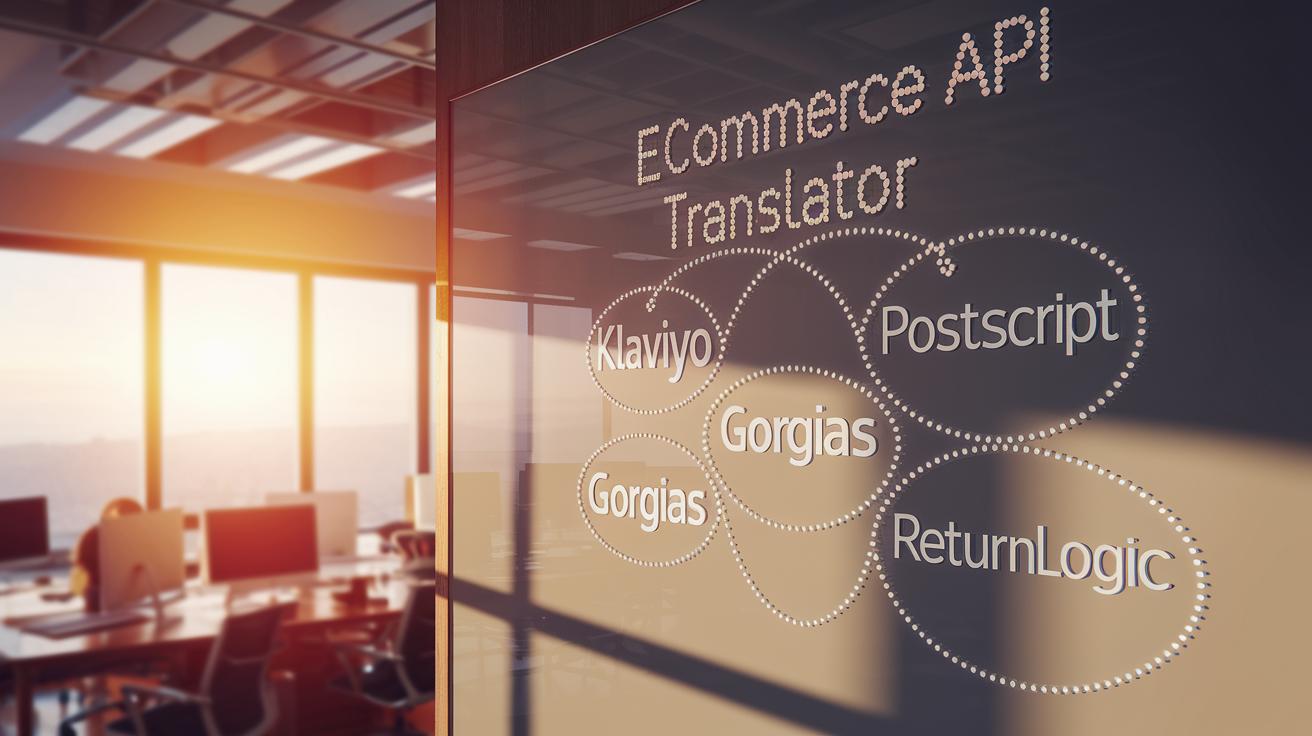
Imagine APIs as a friendly translator that connects every part of your ecommerce system. They create one smooth data layer so your tools, from managing customer details to processing orders, work together without any hiccups.
There are lots of integrations available. You might use one tool for email and SMS automation, another for customer support, and yet another for managing returns. For example, Klaviyo makes email campaigns simple, Postscript handles SMS alerts, Gorgias brings all support channels into one place, and ReturnLogic makes returns a breeze. Each of these cuts down on manual work and helps prevent mistakes.
It’s also important to follow good practices in API management. Start by using clear versioning, kind of like how you label software updates to keep things consistent. Then, keep detailed documentation and set up security measures like OAuth and token-based authentication to keep your data safe.
Finally, don’t forget to check on your integrations regularly. Automated tests can confirm that data is being shared correctly, and monitoring tools let you keep an eye on performance in real time. This way, you can catch any issues early and keep everything running smoothly for your customers.
Optimizing Performance and Scalability with Cloud Commerce

Managed cloud platforms give your online store a rock-solid base by handling everyday tasks like security patches, PCI compliance, and auto-scaling. This means that even when your traffic spikes, your site stays steady and you can relax knowing that key updates and performance improvements are taken care of automatically. In short, you spend less time worrying about infrastructure and more time creating a delightful shopping experience.
Using caching tools such as Redis and Varnish alongside CDNs like Cloudflare and Akamai can really trim your page load times. Experts suggest that pages should load in under 2 seconds to keep customers engaged and boost conversions. When your site responds quickly, visitors enjoy a smoother experience, search engines take notice, and your revenue gets a nice lift.
Keeping an eye on how your site performs is just as important. Tools like New Relic and Datadog let you see real-time insights into your site’s health and key metrics. By monitoring these details continuously, you can catch and fix issues before they impact your customers. This kind of immediate feedback helps you make smart, incremental improvements to keep your platform fast and reliable.
Real-world examples highlight the power of these strategies. One online store went live 90% faster and at only 10% of the usual cost by leveraging managed cloud services and clever performance tweaks. In another case, shifting from outdated systems slashed technical expenses by 40% and saved a total of 25% overall. These stories show how a smart cloud-based approach can drive both scalability and efficiency.
Embracing Headless and Composable Commerce Architectures

Imagine being able to update your website's look without having to tinker with its core. That's what headless commerce is all about, it neatly separates the front-end presentation from the deeper back-end systems. This means you can refresh your digital storefront quickly and easily, without causing any disruptions to your main operations. With an API-first design, every interaction feels fast and responsive. Think of it like instantly updating a product page after a user tweaks a filter.
Now, composable commerce takes that idea even further. Instead of one bulky system, your tech stack gets broken down into interchangeable, plug-and-play pieces. Each microservice works independently, so if you need to update one feature, the others keep humming along. This setup not only encourages rapid innovation, it allows you to add or improve features without a total platform overhaul.
When choosing these modular services, it's smart to focus on smooth integration. Set clear rules for how data gets exchanged, keep version control tight, and make sure security is top-notch. Look for scalable API support and services that are easy to maintain. This thoughtful approach helps build a flexible system that’s ready to take on new challenges and adapt to market changes.
Strategies for Selecting and Evaluating Your Ecommerce Tech Stack

When you evaluate your ecommerce tech stack, you need to consider many factors like cost, complexity, compatibility, support, and scalability. Think of it as comparing different recipes, you want each tool to fit perfectly into your business menu.
Cost isn’t just about the price tag you see upfront. You also need to look at the long-term costs, including licensing, maintenance, and possible upgrades. A tool offered with a subscription might appear affordable at first, but hidden fees like transaction charges or extra modules can quickly add up. It’s like buying an ice cream cone that costs a little at first but comes with extra toppings you didn’t plan for.
Compatibility is equally important. Your tools should work together like a well-rehearsed team, which means they need to integrate seamlessly. Don’t forget to double-check security features too. A secure system protects your customer’s sensitive data and keeps everything in line with your overall ecommerce strategy. Imagine having a smooth-running network where every part communicates without hiccups, that’s the goal.
Vendor support can make a world of difference when things go wrong. Reliable customer service and clear agreements on service levels (SLAs) can help keep your operations steady during unexpected downtimes. Regular performance monitoring, such as uptime checks and quick response tracking, makes sure you catch issues before they become big problems.
Finally, modern deployment strategies like CI/CD pipelines, containerization, or even serverless functions keep your updates and integrations running smoothly. These approaches reduce downtime during upgrades and help your team stay agile so that every new tool or update perfectly matches your evolving business needs.
Roadmap to Implement and Future-Proof Your Commerce Tech Stack

Finding a development approach that suits your business is key. Using methods like Agile and DevOps speeds up improvements, makes communication smoother, and keeps things clear for everyone. Setting roles and responsibilities from the start not only makes decisions easier but also builds a tech stack that can grow with your digital retail needs.
Kick off your rollout with a basic version of your product, an MVP that covers the essentials. Start small with initial integrations using modular add-ons and then gradually broaden the scope. This careful, step-by-step plan helps minimize risks and gives you valuable feedback at each stage, ensuring every tool works as intended before reaching a wider audience.
Keep evolving by gathering regular feedback and tracking performance with solid monitoring tools. By checking real-time data and understanding how users interact with your system, you can quickly fine-tune operations and solve any issues. This ongoing approach makes sure your e-commerce platform stays efficient and responsive as market trends shift.
Finally, be ready for the future. Incorporate new technologies like AI/ML, automated personalization, and flexible upgrades to keep pace with a changing landscape. Think globally by deploying across multiple regions to reduce delays and follow international rules. This proactive strategy ensures your tech stack remains adaptable and prepared for whatever comes next.
Final Words
In the action, this blog post broke down the core components of a robust ecommerce tech stack, from digital tools covering hosting, CMS, payment gateways, and more to the nuances of hosted versus open-source options. It walked through front-end and back-end frameworks, API integrations, and cloud performance tactics. The piece also tackled headless, composable architectures and provided strategies for evaluating and evolving your stack. Optimism fuels these insights, empowering you to embrace innovations and make confident, data-driven decisions for your digital business.
FAQ
What is an ecommerce tech stack?
The ecommerce tech stack is a collection of digital tools that manage online sales—from hosting and content management to payments and marketing—ensuring smooth operations for online retailers.
What are the essential components in an ecommerce tech stack template, examples, or diagram?
The stack typically includes hosting platforms, content management systems, payment gateways, marketing tools, CRM, order fulfillment software, and customer service solutions—all integrated to streamline online retail operations.
What are the four types of ecommerce?
The four types of ecommerce are business-to-consumer, business-to-business, consumer-to-consumer, and consumer-to-business, each defining a unique model for online transaction interactions.
What technology is used in ecommerce?
Ecommerce technology uses hosted platforms, integrated CMS systems, secure payment gateways, marketing automation tools, CRM applications, and fulfillment software to support efficient online transactions.
What is the Shopify tech stack?
The Shopify tech stack features a managed hosting environment, an easy-to-use CMS, built-in payment solutions, and a broad marketplace of apps to simplify setup and management of online stores.
How does the BigCommerce tech stack support online stores?
BigCommerce’s tech stack offers a scalable, hosted platform with built-in B2B features, integrated payment systems, and customizable tools, empowering retailers to expand their online business with ease.
Which ecommerce tech companies provide robust hosting, design, and management tools?
Companies like Shopify, Amazon.com, BigCommerce, Wix.com, Weebly, and GoDaddy offer comprehensive solutions that cover hosting, website design, and overall management to meet diverse online business needs.
What tech stack does ShipBob use?
The ShipBob tech stack focuses on integrated logistics and order fulfillment software, combining shipping management tools with robust inventory systems to optimize delivery operations for online retailers.
What is the best stack for an ecommerce website?
The best ecommerce stack seamlessly integrates reliable hosting, a flexible CMS, secure payment gateways, marketing automation, CRM, and fulfillment tools to drive efficiency and boost sales.


