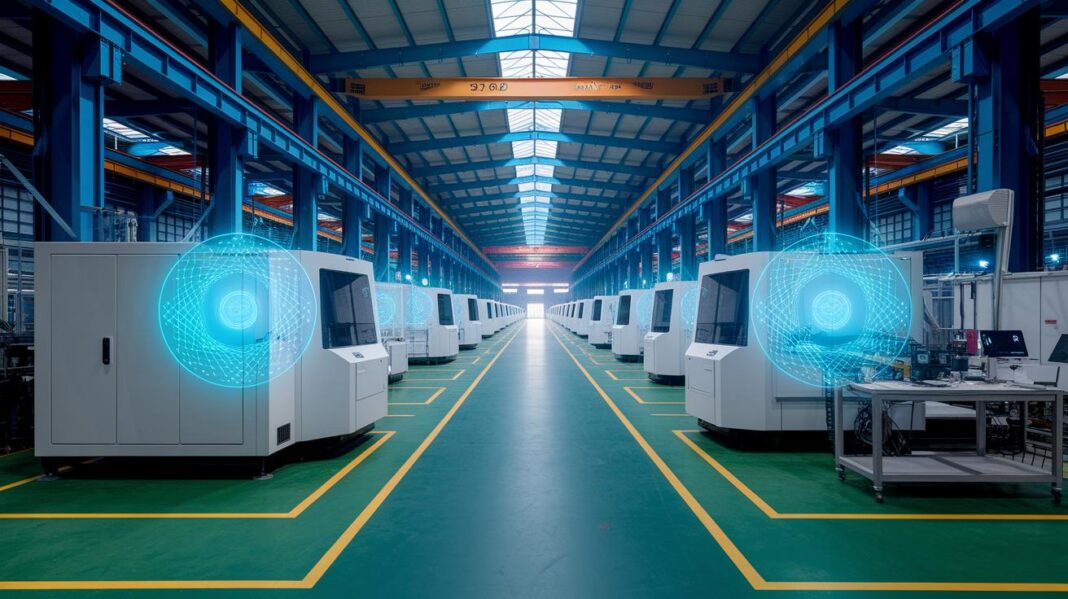
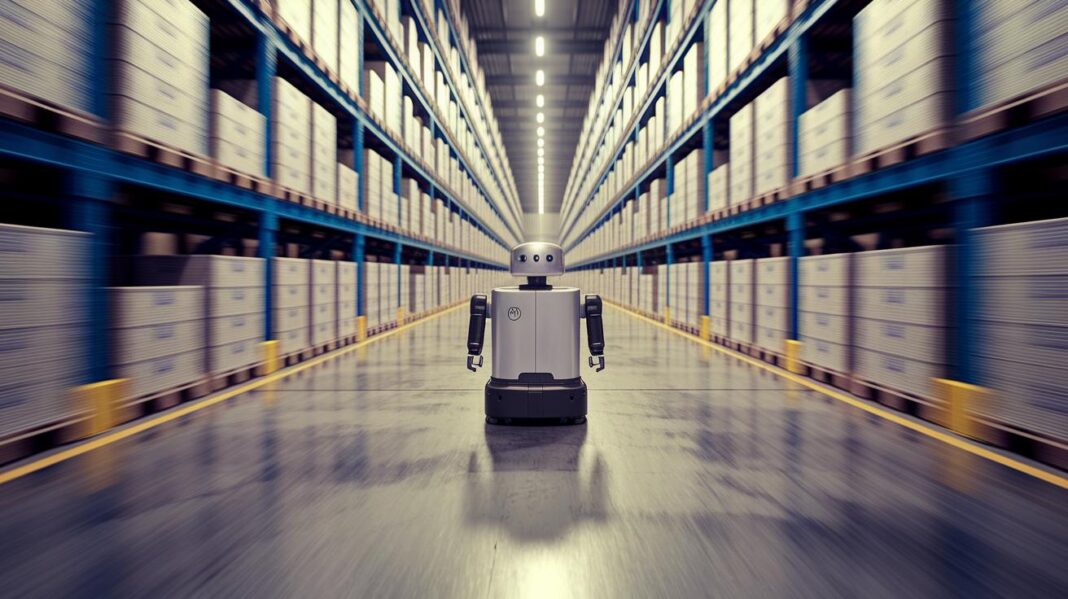
Ever wonder why your package seems to appear almost like magic? Ecommerce logistics is evolving as smart technology meets green innovation.
Shoppers now expect fast updates and speedy delivery, which means retailers are rethinking their methods in real time. Imagine a busy warehouse where robots handle orders with steady precision while companies work hard to cut costs and care for the environment.
In this piece, we’re diving into the key trends that are driving growth in modern shipping. We’ll explore how fresh tactics can boost service quality and pave the way for a more sustainable future.
Key Emerging Ecommerce Logistics Trends for Retailers
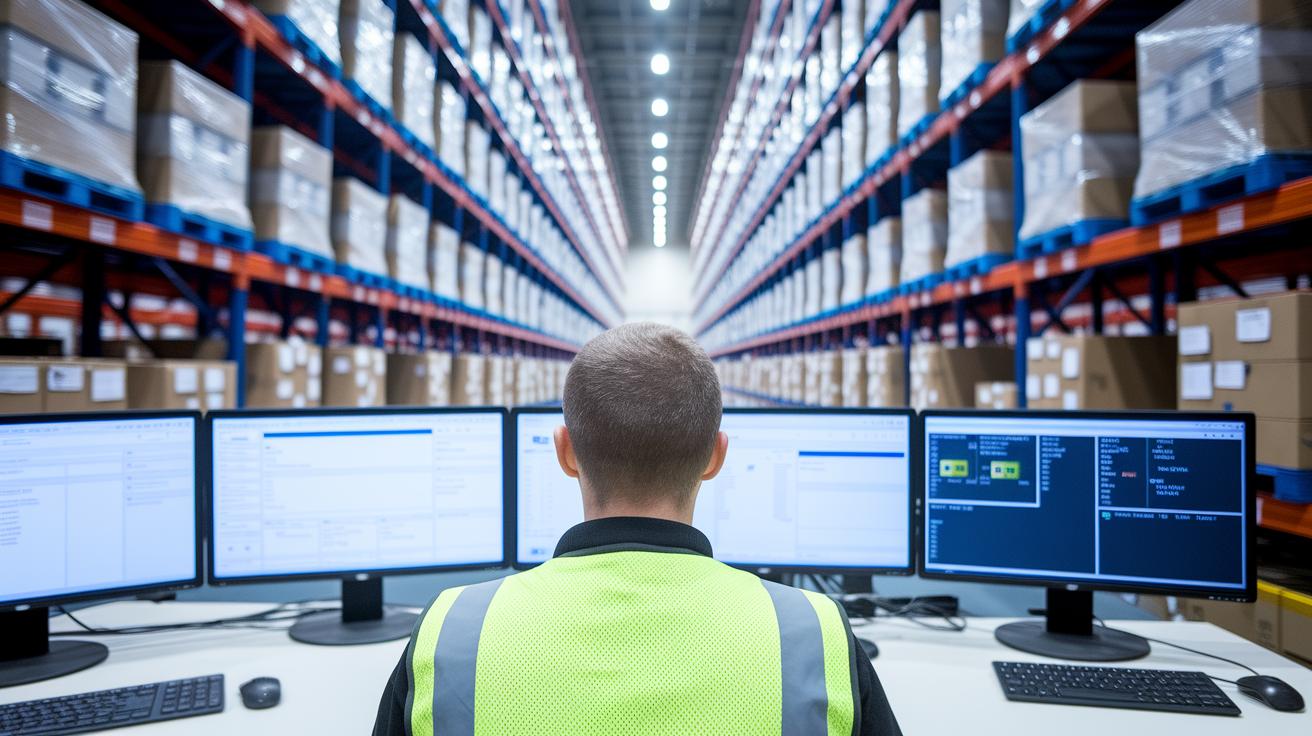
Consumer habits are shifting fast, and ecommerce logistics is feeling the ripple. Shoppers now demand speedy deliveries and real-time updates that keep them in the loop. In response, companies need to fine-tune their operations and trim costs without compromising on service. This push is inspiring retailers to revisit their shipping strategies and lean more into digital solutions.
Technology is at the heart of this change. By smoothly merging data with smart systems, businesses can speed up order fulfillment with accuracy. At the same time, there's a growing focus on reducing carbon footprints, as eco-conscious consumers make greener choices a priority. It’s a smart blend of cutting costs while also caring for the environment.
For 2025, the big trends include deploying warehouse robots for swift processing, using predictive tools to better match inventory with demand, and implementing eco-friendly shipping methods to cut emissions. Retailers are also integrating multiple sales channels to reach customers everywhere, exploring seamless international shipping, and partnering with agile third-party logistics providers. Plus, digital platforms are providing live updates that help businesses stay ahead of changes, all of which are driving ecommerce logistics into a dynamic era of innovation and growth.
Warehouse Automation and Robotics in Ecommerce Logistics

Today, warehouses are shifting from labor-intensive routines to smart, high-tech operations. Instead of relying on manual work, more companies are using robots for tasks like palletizing, automated storage and retrieval, and sorting packages on conveyor systems. This change lightens the load on workers and helps warehouses run around the clock, keeping pace with growing order volumes and rising customer expectations.
Here are some clear advantages of embracing automation:
| Benefit | Description |
|---|---|
| Reduced labor costs | Saves money by lowering the need for manual labor |
| Improved accuracy | Minimizes mistakes and ensures items are handled correctly |
| Faster throughput | Speeds up the processing of orders |
| Scalability | Easily adapts to increased order volumes as your business grows |
Companies using these systems are already reporting higher pick rates and shorter cycle times. With automation handling routine tasks, there's less need for constant human oversight and more consistency in performance. Plus, linking these robotic systems with warehouse management systems brings everything together. Imagine each robot and conveyor belt working in harmony, with real-time inventory tracking and dynamic slotting that keeps processes running smoothly.
Looking to the future, warehouses that integrate robotic order pick systems can expect ongoing performance improvements. As technology advances, these systems will likely become even more interconnected, allowing for real-time adjustments and smarter predictive maintenance. In simple terms, by tracking metrics like reduced cycle times and improved order accuracy, companies are not only increasing their efficiency but also building a more agile and resilient logistics network.
Isn't it exciting to see how these innovations are reshaping the way we manage and distribute goods?
Predictive Analytics and Real-Time Visibility in Ecommerce Logistics
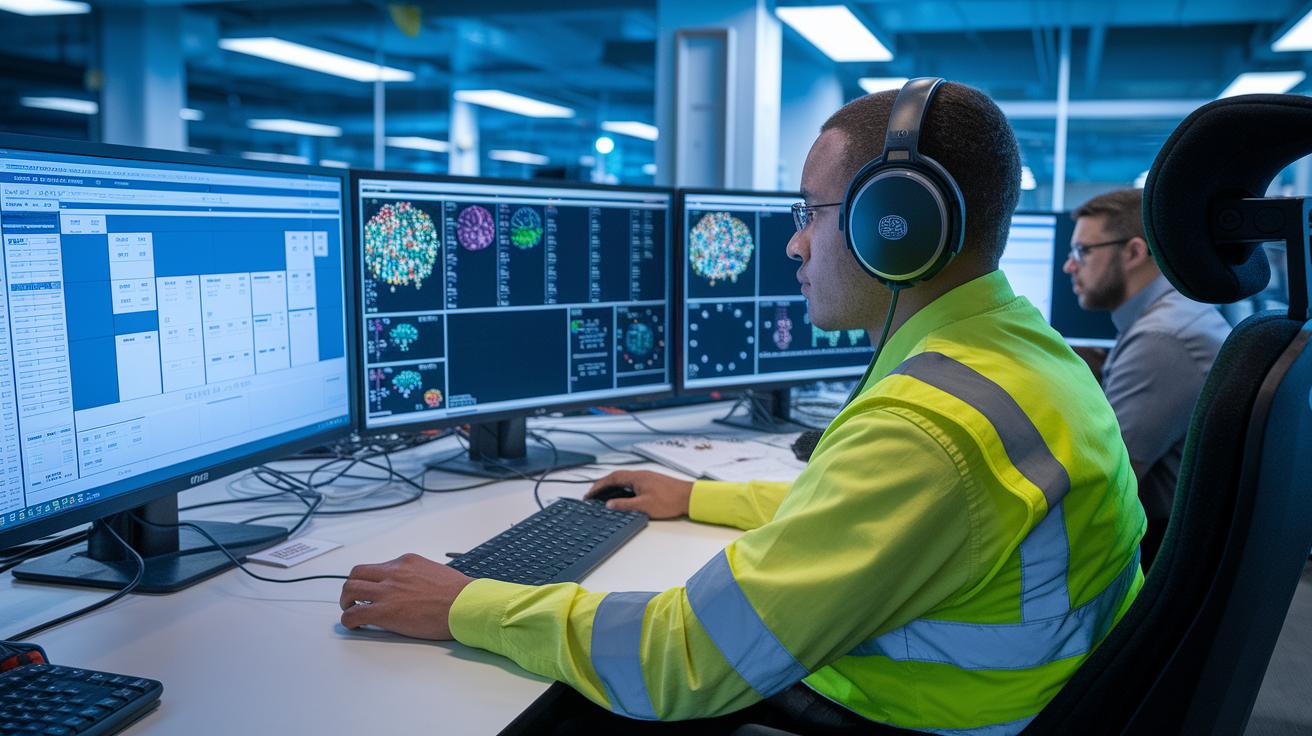
Retailers now use AI-driven forecasting to predict future order volumes. They analyze customer behavior alongside past shipping data to fine-tune inventory levels and avoid surprises during peak times. One retailer even dropped order backlogs by 30% in just one quarter, pretty impressive, right?
With IoT devices like GPS trackers and sensor networks providing constant live updates, companies can monitor shipments as closely as a heartbeat. This real-time data lets them quickly adjust delivery routes, keeping one- to two-day delivery promises intact while nipping issues in the bud.
Merging predictive analytics with robust sensor networks has truly transformed supply chains. Businesses see nearly a 25% reduction in stockouts, and one retailer noted a 15% boost in on-time deliveries after tweaking routes based on live data. Shoppers now get clear, reliable delivery windows instead of vague guesses, which builds trust and satisfaction. As more companies enhance their forecasting models and sensor systems, they're shifting away from guesswork to a smart, data-driven fulfillment process that cuts costs and meets rising consumer expectations.
Sustainable and Eco-Friendly Practices Transforming Ecommerce Logistics

More than half of today’s shoppers favor brands that truly care about the environment. They appreciate businesses that take genuine steps, like using smart, eco-friendly packaging that cuts down on waste and energy-hungry storage that lowers emissions.
Many companies are rethinking their shipping processes by choosing green materials and combining deliveries to use less fuel. Electric delivery trucks are now hitting the streets, which means fewer emissions and on-time arrivals. Plus, warehouses are getting a makeover with energy-saving LED lights and solar panels. These upgrades not only trim operating costs but also make a real difference for the planet.
By embracing these eco-friendly methods, retailers benefit in more ways than one. They lower their expenses and build a strong, trustworthy brand image. Shoppers notice and reward companies that show they care, setting the stage for even more growth in a market where sustainability is key.
Innovations in Last-Mile and Final-Mile Delivery Strategies

These days, when you click “buy,” you expect your order to arrive almost instantly. Retailers feel this pressure too and are tightening delivery windows while aiming for spot-on drop-offs. They’re turning to smart tech like AI route planning, real-time traffic checks, and adaptive telematics to smooth out the delivery process. One pilot project even cut delivery times by 20% using dynamic routing. This means packages not only get there faster but also more reliably, making sure you receive your order right on cue.
| Innovation | Benefit | Adoption Stage |
|---|---|---|
| Same-day dispatch | Rapid customer service | Widely adopted |
| Dynamic routing | Optimized delivery paths | Emerging tech |
| Autonomous vehicles | Reduced labor costs | Pilot programs |
| Drone trials | Fast delivery in urban settings | Testing phase |
That said, not everything is smooth sailing. Companies still face hurdles like steep upfront costs for new tech and tricky regulations, especially for self-driving vehicles. And yes, weather can sometimes trip up drone deliveries. Early signs indicate that these innovations could seriously boost customer satisfaction by making deliveries faster and more dependable. In a market where every minute truly counts, this blend of speed and precision might just be the game changer retailers are looking for.
Omnichannel and Agile Fulfillment Models in Ecommerce Logistics

Consumers today expect an easy, smooth shopping journey. They want the same hassle-free experience whether they’re browsing online, on their mobile devices, or visiting a physical store. Imagine checking out a product on your phone and then picking it up in a shop with the exact same simple checkout process. This blend of digital and in-store shopping isn’t just a trend, it’s quickly become the standard.
Retailers are rethinking traditional logistics to keep pace with these changing expectations. By setting up small, neighborhood warehouses and partnering with agile third-party logistics firms, companies can handle shifts in order volumes more flexibly. With distribution centers positioned near major markets, shipping times can drop by nearly 20%. And thanks to partnerships with various carriers and multi-network shipping solutions, orders travel quickly, no matter where they’re coming from or going to.
Smart spatial planning and efficient reverse logistics are at the heart of this transformation. Strategically placed warehouses mean faster delivery times and lower transportation costs. At the same time, streamlined returns processes boost customer loyalty by cutting down refund and processing delays. Imagine returning an item and getting your refund in just 48 hours, all thanks to a centralized omnichannel order management system. This combination of sharp location strategies and agile fulfillment not only satisfies today’s shoppers but also sets the stage for future, customer-focused logistics innovations.
Digital Platforms and Supply Chain Integration Driving Ecommerce Logistics Efficiency

Many companies struggle when their old systems act like separate islands, making real-time decisions nearly impossible. Older setups often miss the crucial links between carriers, warehouses, and retailers. This gap leaves operations choppy and prone to delays, making it hard to resolve issues fast, manage inventory well, and keep pace with changing customer needs.
Modern cloud-powered platforms are here to change that. They pull data from many sources and display it all in one clear dashboard. Think of features like API integrations, digital layout maps, and visual order flow dashboards that work together to send automatic alerts and offer a complete view of logistics performance. For example, platforms like Ecommerce Operations show how one interface can knit together different parts of the supply chain for smooth, real-time management.
The benefits speak for themselves. Users have seen their transport costs drop by 15% to 25%, and they’re able to handle exceptions more flexibly. These clear gains not only simplify the oversight of logistics but also help build a more cost-effective and resilient supply network.
Final Words
In the action, we saw how advanced technologies and smart planning are reshaping ecommerce logistics. The article explored how automation, predictive analytics, eco-friendly practices, refined last-mile delivery, and integrated platforms create a dynamic environment for online retailers. Each trend connects to the daily goal of boosting efficiency and customer satisfaction. Embracing these ecommerce logistics trends can bring refreshing changes to your strategy, driving agility and inspiring positive results in a competitive market.
FAQ
What ecommerce trends are shaping logistics today?
The ecommerce trends shaping logistics today focus on warehouse robotics, predictive demand forecasting, eco-friendly dispatch, and omnichannel fulfillment, all designed to meet fast consumer delivery expectations while reducing costs.
What does the DHL e Commerce Trends Report 2025 highlight about ecommerce trends?
The DHL e Commerce Trends Report 2025 emphasizes the shift toward automated warehousing, real-time tracking, and sustainable practices, underscoring the industry’s move to boost efficiency and enhance customer delivery satisfaction.
What ecommerce trends can we expect in 2026?
The ecommerce trends for 2026 point toward faster order fulfillment, improved shipment optimization strategies, and integrated digital platforms that provide live tracking and real-time management to meet evolving consumer expectations.
Where can I find a recent trends in ecommerce PDF?
The recent trends in ecommerce PDF is typically available from industry reports and market research sources that compile insights on automation, analytics, and eco-friendly strategies, offering ready-to-use data for businesses.
What does the ecommerce trends report say about logistics?
The ecommerce trends report discusses how digital platforms and agile fulfillment models are merging with traditional logistics by incorporating robotics, predictive analytics, and cost-effective sustainability practices to transform operations.
What is Maersk’s role in ecommerce trends?
Maersk contributes to ecommerce trends by focusing on agile cross-border shipping and integrated digital logistics, helping streamline global operations and support scalable, efficient fulfillment for online retailers.
What is featured in the Ecommerce Report 2025?
The Ecommerce Report 2025 highlights key innovations like warehouse automation, AI-driven forecasting, eco-friendly dispatch methods, and digital supply chain integration, offering actionable insights for optimizing online retail fulfillment.