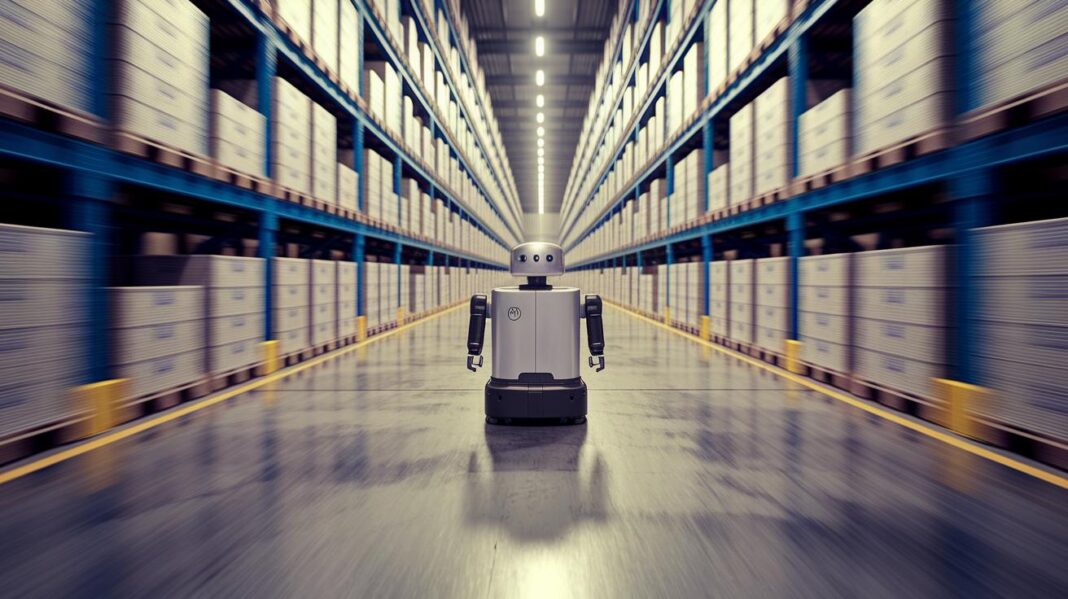
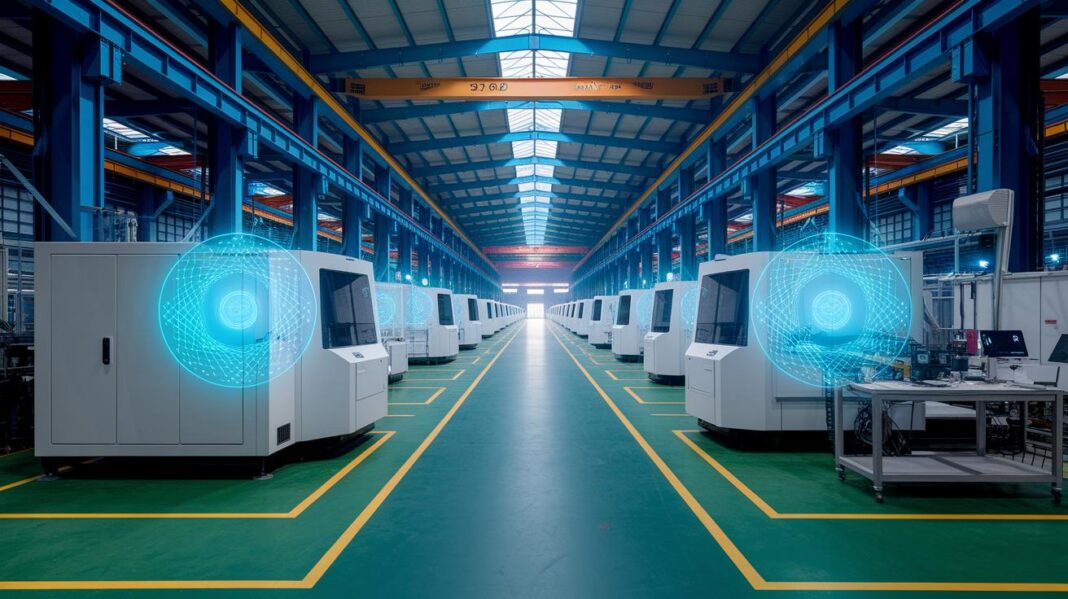
Ever thought your machines might whisper their secrets live? Digital twin technology builds a digital copy of a real asset so companies can try out new ideas without risking the actual equipment. It mixes live sensor readings, accurate digital models, and smart simulation tools into one practical setup. This hands-on approach lets businesses easily spot trends and fine-tune their production lines. In simple terms, digital twins lay the groundwork for strategies that help companies grow smartly and stay resilient.
Digital Twin Technology Empowers Smart Industry Growth
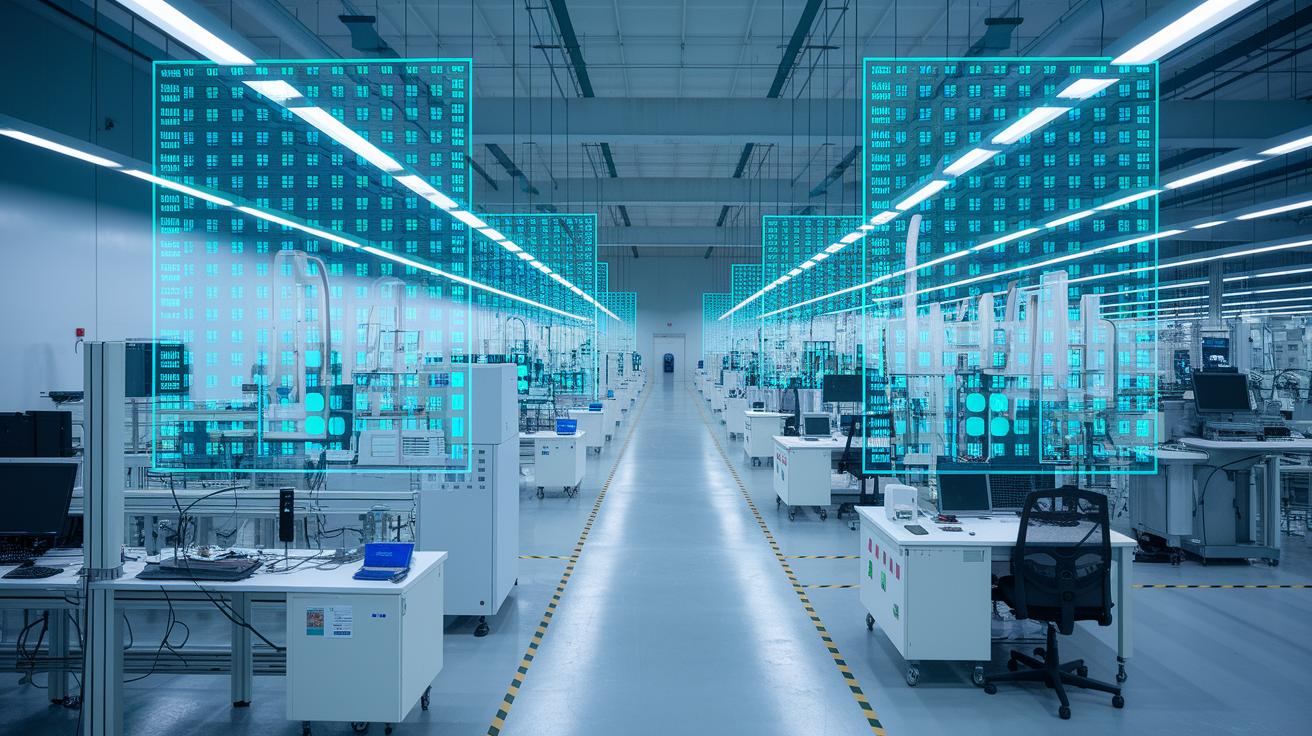
Digital twin technology creates a real-time digital copy of a physical object or system using data from sensors and IoT devices. Think of it as a smooth blend of a physical asset with its virtual mirror, covering every stage from design and build to maintenance and eventual retirement. The system works by merging four key ingredients: the actual asset, its digital replica, live data feeds, and simulation tools. Each of these pieces helps businesses make smart, predictive decisions while safely testing ideas without any real-world risks. For example, continuous sensor updates allow companies to test new production setups in a risk-free digital lab, just like running a pilot test on a brand new assembly line without stopping real production.
Market forecasts highlight just how game-changing this tech is, with values expected to jump from USD 24.5 billion in 2025 to USD 259.3 billion by 2032. Industries from manufacturing to smart cities, healthcare, and aerospace are all riding this wave to boost reliability, sharpen performance, and cut down on downtime. By offering round-the-clock monitoring and the ability to tweak systems on the fly, digital twins give companies a clear path to smarter, more efficient operations while exploring new strategies safely in today’s competitive landscape.
Fundamental Components of Digital Twin Systems
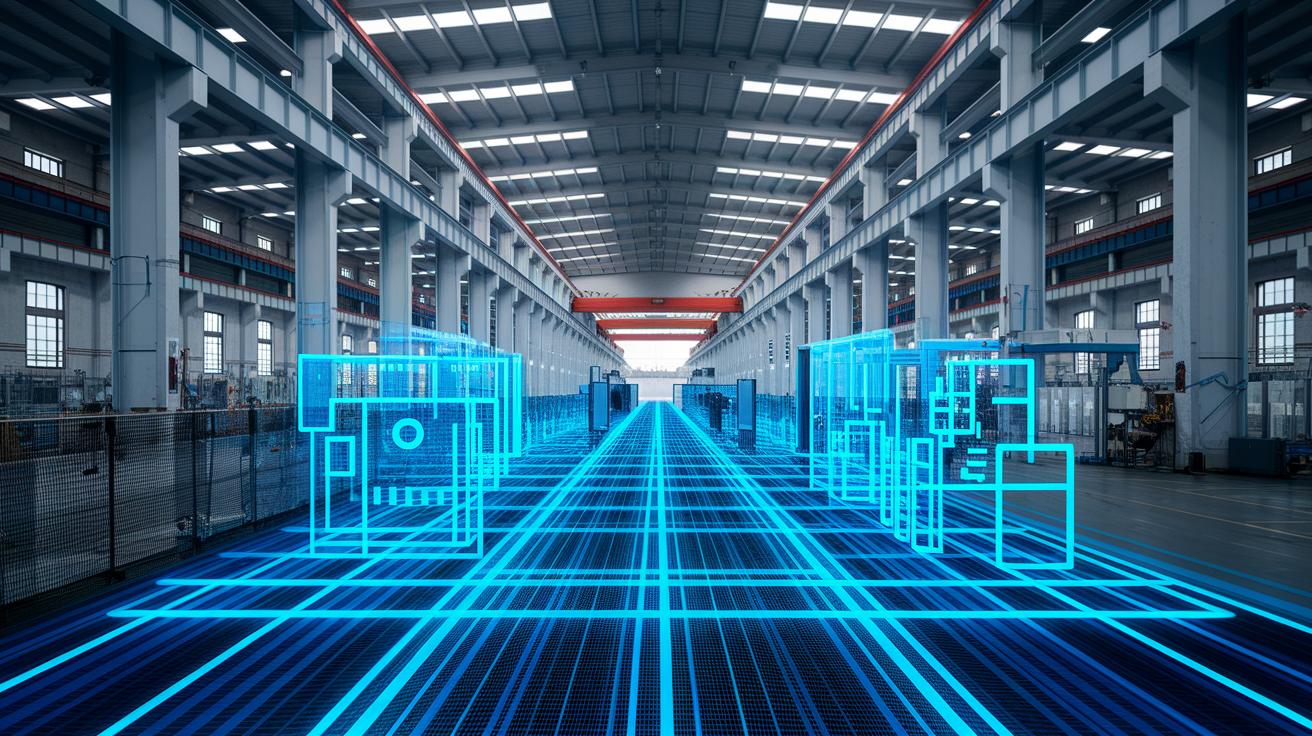
Data Collection
Sensors and IoT devices form the core of digital twin data gathering. They pick up live details like temperature, pressure, and how well things are running so that the digital version really matches the physical asset. For example, these sensors might track an engine's heat level, ensuring the model reflects conditions that keep everything safe and efficient. Fun fact: in a modern factory, even small changes in temperature can signal the need for maintenance, much like a heartbeat letting you know it’s time to take a break.
Virtual Modeling
Virtual modeling brings together shape, material traits, and even the surrounding environment to create a living digital copy of a real object. Think of it like crafting a mirror image of a manufacturing tool, where every curve, weight, and texture is captured. For instance, when engineers build a digital replica of an auto part, they include details like its weight and composition to see how it affects the car's overall performance. It’s like piecing together a digital puzzle that faithfully recreates the original asset.
Live Data Integration
Live data integration keeps the digital twin in constant sync with its physical counterpart by continuously updating sensor data. Whether there’s a sudden change in pressure or a shift in performance, the digital model adapts right away. Picture watching live sports stats updating on a scoreboard, every detail is refreshed to show the current state of play. This real-time link ensures that your digital twin is always on the ball.
Analytical Simulation
Analytical simulation uses smart tools like advanced analytics and machine learning to predict how an asset will behave under various conditions. It’s like running different “what if” scenarios to spot trends, detect issues, and boost performance. For example, a manufacturing plant might simulate a change in production to see if it could reduce downtime while trying out new tweaks. It’s a practical way to explore improvements while keeping risks to a minimum.
Industry Applications of Digital Twin Technology
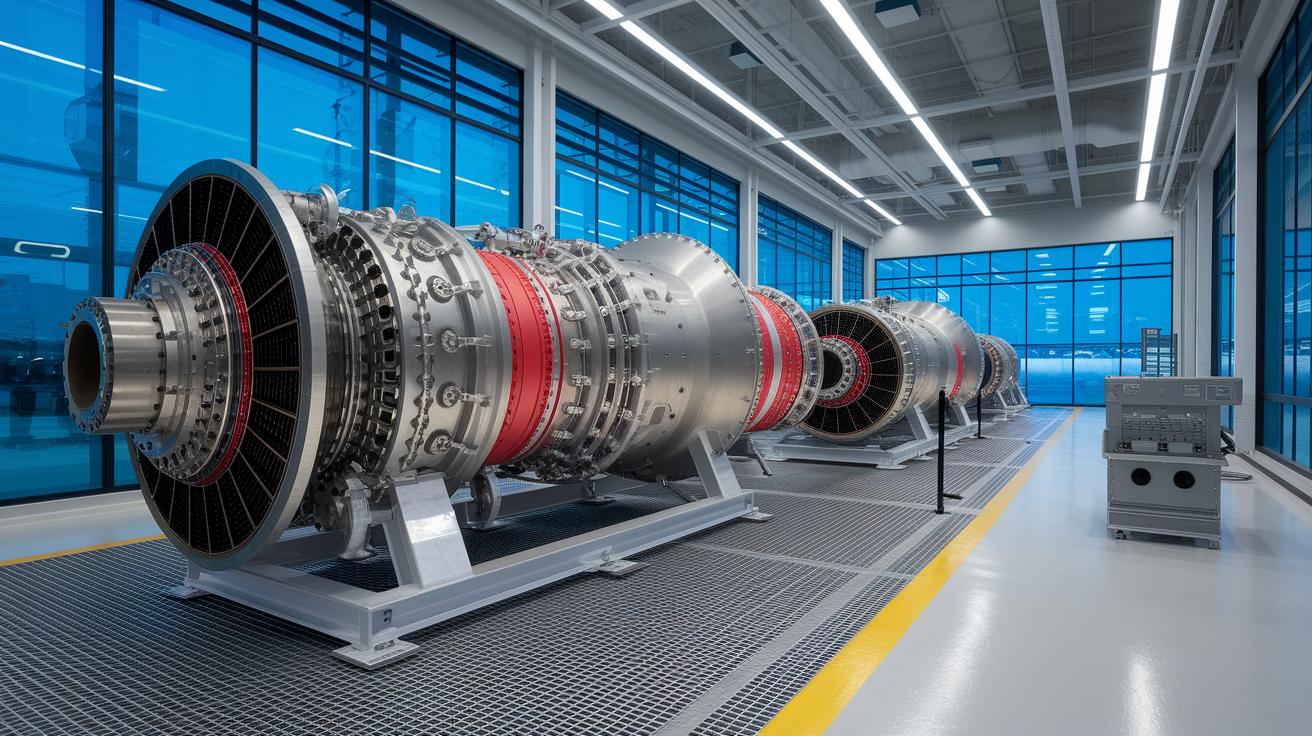
Digital twin technology is changing the game for companies by helping them test, predict, and fine-tune real-world outcomes. Let’s dive into some clear industry examples that show its versatility.
-
Manufacturing: Rolls-Royce uses digital twins in its IntelligentEngine program to keep an eye on more than a dozen sensor readings in real time. This smart system spots issues early, for example, it picked up a slight temperature rise before a critical engine test, potentially preventing a failure during a long-haul flight.
-
Automotive: Volvo creates digital replicas to simulate material properties and aerodynamics. This lets engineers experiment with design tweaks in a virtual space, boosting both safety and fuel efficiency without the hassle of building a physical prototype.
-
Construction: In London’s Crossrail project, digital twins help teams visualize building progress and test scenarios like earthquakes and floods. Imagine having a digital model that not only shows each construction phase but also acts like an early warning system for stress tests.
-
Oil & Gas: BP builds digital copies of its offshore platforms using live sensor data such as temperature and pressure. These virtual models work like a real-time health check, enhancing safety and reducing unexpected downtime.
-
Healthcare: Össur leverages digital twin technology to design personalized prosthetic models and simulate clinical scenarios. This approach refines diagnoses while cutting down on unnecessary tests, ensuring solutions are tailored to each patient.
Each of these cases shows how digital twin technology is powering smarter, more agile strategies in some of our most critical industries.
Benefits and ROI of Digital Twin Technology
Digital twins help keep your equipment in top shape by spotting issues before they cause downtime. They constantly watch your machinery with live sensor data, so you get a heads-up when a part might be about to fail. Imagine getting a quick alert about a slight temperature shift, a gentle nudge to fix things before a real breakdown happens.
Real-time monitoring makes operations run smoother. With a steady stream of data, companies can fine-tune processes and adjust on the fly. It’s a bit like watching an assembly line that effortlessly adapts to changes in production speed. The result? Less waste and more efficiency.
Using virtual testing is like rehearsing before the big performance. Instead of risking costly trial-and-error, you can safely test design tweaks in a digital space. This not only slashes development costs but also speeds up the time it takes to get your products to market.
Cloud-based automation ties it all together by handling everyday tasks for you. By integrating fresh data and automating routine work, this technology helps you scale up smoothly and cut long-term costs. In short, investing in digital twin technology is a smart move for any business aiming to stay ahead.
Implementation Strategies and Best Practices for Digital Twin Deployments
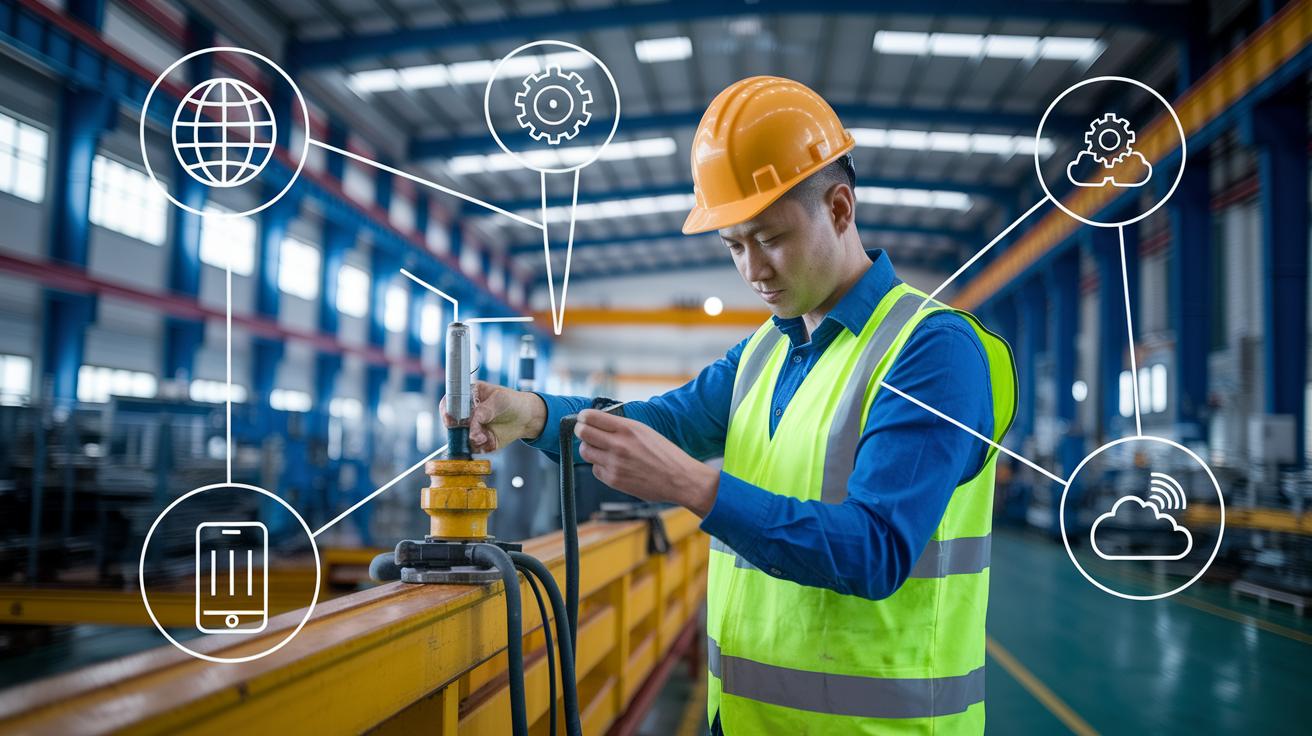
Rolling out digital twin technology at scale means taking a measured, step-by-step approach. Start small by launching a pilot on a key asset so you can confirm your digital model and test your data pipeline in a controlled environment. This way, you reduce risks and give your team the room to adjust sensor setups and make sure live data flows smoothly between the real asset and its digital mirror. For example, try a new sensor arrangement on an important machine before committing to larger changes.
One smart move is to integrate IoT connectivity with cloud-based platforms. This approach streamlines data collection, storage, and accessibility, much like setting up a central hub where information travels easily from one point to another. It’s also crucial to stick with standardized data formats and APIs so that different systems and gadgets can “speak” the same language, ensuring everything works together effortlessly.
Keep checking your work by regularly comparing simulation results with real-world performance. This continuous validation helps you keep your model accurate over time. And don’t forget about security, a strong cybersecurity plan combined with strict adherence to regulatory standards is the bedrock of a successful full-scale deployment, protecting both your digital twin system and the sensitive data it handles.
Future Trends and Innovations in Digital Twin Technology
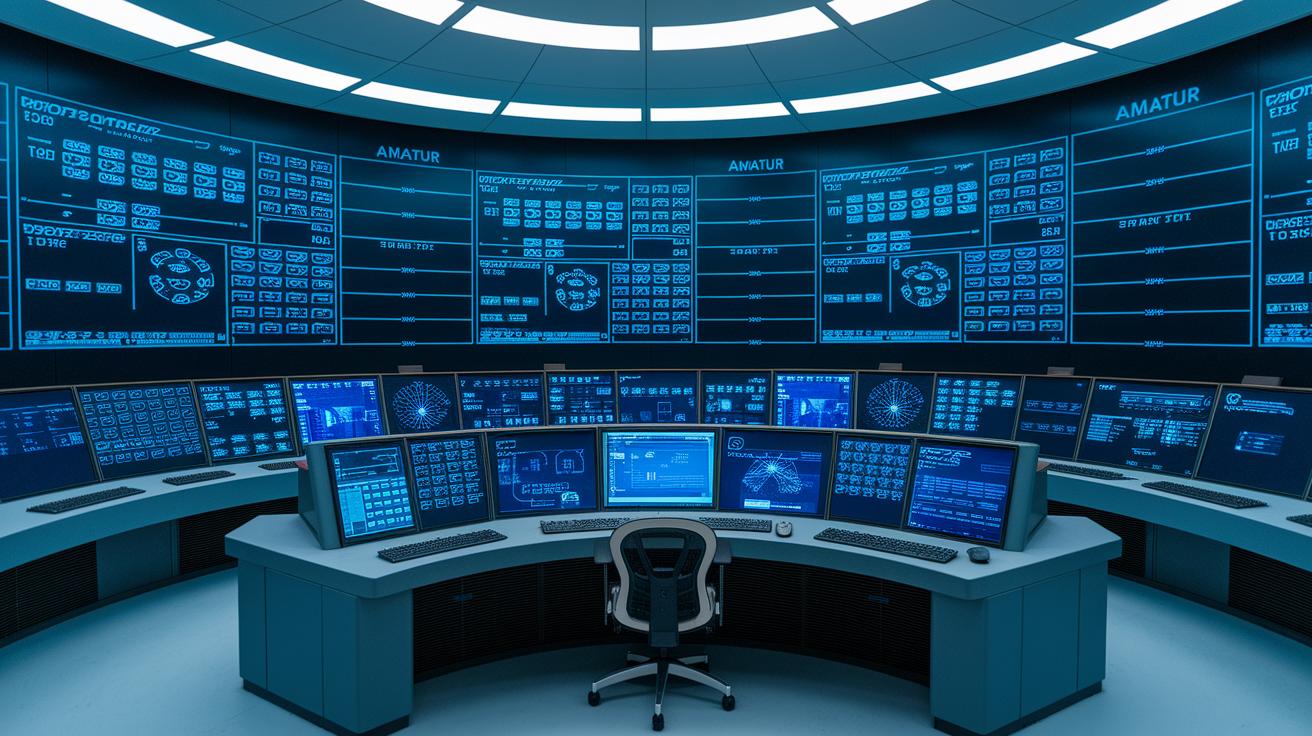
Generative AI is about to give digital twin models a big boost. Imagine a digital twin that can warn you about equipment issues before they even happen, much like your car dashboard alerting you to a problem. This smart technology is set to speed up decisions and smooth out operations across industries.
Digital twin as a service (DTaaS) is also on the rise. This cloud-based approach cuts down on hefty setup costs, letting businesses deploy digital replicas quickly, even small operations can jump in. It makes advanced monitoring something everyone can access.
Meanwhile, breakthroughs in machine learning and deep learning are creating digital twins that can mimic human behavior. This means major improvements in fields like manufacturing, healthcare, and personalized services. And with edge computing crunching data right at the source, you’re looking at real-time insights that you can act on immediately. Experts even forecast a jump from USD 24.5 billion in 2025 to USD 259.3 billion by 2032. It’s an exciting time for these innovations!
Final Words
In the action, our discussion explored digital twin technology from its core components to real-world applications. We saw how sensor-driven data collection and virtual modeling power predictive insights, helping industries, from manufacturing to healthcare, boost performance while cutting costs. The best practices shared guide smooth integrations and strong validation methods, while future trends hint at advanced AI and cloud innovations. Embracing these insights can spark positive changes and drive smarter decisions in a dynamic market. Keep an eye on digital twin technology for a forward-thinking edge.
FAQ
Q: What are some digital twin examples?
A: Digital twin examples illustrate virtual replicas of physical systems like engines, manufacturing lines, and healthcare devices. These models use real-time sensor data to monitor operations and predict maintenance efficiently.
Q: How does digital twin technology work in healthcare?
A: Digital twin technology in healthcare creates virtual patient models or simulates medical devices to study responses to treatments. This approach helps personalize care and improve diagnostic accuracy.
Q: How is digital twin technology used in construction?
A: Digital twin technology in construction builds virtual models to simulate project progress, structural performance, and safety scenarios. This practical tool allows stakeholders to detect issues early and optimize project management.
Q: What does digital twin software do?
A: Digital twin software manages and visualizes virtual replicas by integrating real-time data. It supports simulation, performance monitoring, and decision-making, enhancing operational efficiency across industries.
Q: What is found in a digital twin technology PDF?
A: Digital twin technology PDFs provide detailed insights, technical specifications, and case studies. They serve as comprehensive guides for professionals looking to understand and implement digital twin solutions.
Q: How does digital twin technology benefit agriculture?
A: Digital twin technology in agriculture creates virtual models of farms to monitor crop health, simulate environmental effects, and optimize irrigation strategies. This helps improve yield predictions and sustainable practices.
Q: How do digital twins differ from simulations?
A: Digital twin versus simulation compares a continuously updated virtual replica using live data with a traditional, static model. Digital twins provide real-time insights and ongoing predictive maintenance, surpassing basic simulations.
Q: Who develops digital twin technology?
A: Digital twin technology companies design and implement virtual replica systems that integrate sensor data for predictive analytics and process optimization. These firms lead in innovating real-time monitoring solutions for various sectors.
Q: What is a digital twin technology and can you give an example?
A: What a digital twin technology is a virtual replica of a physical asset that uses sensor data to mirror real-world conditions. For example, an aircraft engine model predicts maintenance needs based on live operational data.
Q: Is digital twin technology part of artificial intelligence?
A: Digital twin technology often incorporates artificial intelligence for analyzing live data and forecasting maintenance needs. AI enhances these systems by learning from real-time operations to improve decision-making.
Q: What are the four types of digital twins?
A: What are the four types of digital twins? They include asset twins, component twins, system twins, and process twins, each providing a progressively detailed view of performance and potential adjustments.
Q: What is involved in a digital twin presentation?
A: Digital twin presentations typically feature visual overviews and dashboards that display real-time sensor data, simulation outcomes, and key performance metrics for easy comprehension by decision-makers.
Q: What does a digital twin technology course cover?
A: Digital twin technology courses cover the creation and management of virtual replicas, including sensor integration, live data analytics, and simulation techniques, equipping professionals with valuable industry skills.
Q: How are digital twins applied in manufacturing?
A: Digital twins in manufacturing replicate factory processes and equipment performance virtually. They enable real-time monitoring, predictive maintenance, and process optimization to boost production efficiency.
Q: What does digital twin robotics entail?
A: Digital twin robotics applies virtual replica technology to robotic systems. It supports real-time monitoring and simulation, helping to fine-tune operations and forecast maintenance needs accurately.
Q: What is Azure Digital Twins?
A: Azure Digital Twins is a Microsoft platform that creates virtual models of physical environments. It integrates IoT data for real-time monitoring and simulation, helping improve asset management and operational efficiency.
Q: What is a digital twin dashboard used for?
A: Digital twin dashboards are visual interfaces that display sensor data, key performance indicators, and simulation results from virtual replicas. They facilitate real-time monitoring and strategic decision-making.