

Ever wondered how online businesses flip global boundaries into engines for growth? Cross-border ecommerce is shaking things up this year, sales have soared to an incredible $634 billion. Retailers are using innovative tactics like storing inventory in several locations and choosing eco-friendly delivery methods to lower costs and keep customers happy.
Imagine products not just sitting in one warehouse, but spread out like little hubs across regions. This trend, paired with sustainable practices, isn’t just clever, it’s a game changer. By diving into these emerging strategies, you'll see how smart moves are sparking bold growth internationally.
Today, we’re breaking down how these fresh approaches are reshaping the way we buy and sell worldwide, opening up new pathways for business success.
Key Cross-Border Ecommerce Trends Shaping Global Trade

Cross-border ecommerce is all about buying and selling products across countries using platforms like Amazon, eBay, or even a brand’s own website. With more than one-third of people shopping online worldwide, the digital marketplace is like one giant bazaar that erases traditional borders.
In 2023, cross-border ecommerce hit a whopping $634 billion in gross merchandise volume. China powered this growth with about 37%, roughly $235 billion, while the United Kingdom contributed around 12.7%, or about $80 billion. These numbers show just how big and fast-paced international online trade has become.
Here are some of the major trends shaping this space:
- Distributed warehousing is helping reduce shipping costs by keeping products closer to buyers.
- A shift toward sustainable fulfillment meets the growing customer demand for eco-friendly practices.
- Advanced technologies are being integrated to streamline inventory management and forecasts.
- Localized payment systems are expanding, making transactions easier for different regions.
- Personalized, region-specific content is on the rise, building trust with customers through tailored experiences.
Businesses that adapt to these trends now can secure a competitive edge in today’s dynamic online market. By leaning into distributed warehousing, eco-friendly practices, smart tech, and localized solutions, companies can turn these shifts into significant opportunities for growth.
Top Markets Driving Cross-Border Ecommerce Trends

China and the UK remain key players in cross-border ecommerce, setting trends that ripple around the globe. Rather than just listing numbers, think about how these markets steer strategies for newcomers. Imagine a retailer wondering, "What really drives consumer choices in top markets?" The answer is practical: established markets demand precision, while emerging ones thrive on flexibility.
| Region | Market Share (%) | 2023 GMV (USD) |
|---|---|---|
| China | 37% | $235 B |
| UK | 12.7% | $80 B |
| Rest of World | 50.3% | $319 B |
Emerging hubs like Southeast Asia and Latin America are reshaping the scene by offering distinct consumer preferences and unique market challenges. New players must study local buying habits and tweak their strategies accordingly. In other words, it’s about blending proven tactics from mature markets with smart, localized experiments.
- Adapt product offerings to local tastes.
- Create flexible supply chains to meet diverse local needs.
- Start with pilot projects to understand and refine approaches before scaling up.
Technology Innovations Impactacting Cross-Border Ecommerce Trends

Technology is revamping cross-border ecommerce with rapid, practical changes. Today’s digital tools simplify operations and boost the shopping experience for customers around the world.
Artificial Intelligence and Predictive Analytics
AI now acts like a savvy guide for companies, predicting customer needs and fine-tuning inventory on the fly. Smart software spots shopping trends and adjusts stock levels automatically so that products are ready right when customers look for them.
Internet of Things (IoT) for Supply Chain
Imagine having a live feed of your shipments! IoT sensors track everything from warehouse storage to conditions mid-transit. This constant watch ensures deliveries are on time and reduces those annoying delays.
Blockchain Payment Solutions
Blockchain is making cross-border payments smoother and more secure. With its clear, tamper-proof record of every transaction, both merchants and shoppers can feel confident that payments are handled safely.
Augmented Reality for Product Visualization
Augmented Reality is changing the game by letting customers virtually try on products before they buy. This hands-on experience helps shoppers make better decisions, leading to fewer returns and stronger confidence in their purchases.
Machine Learning for Personalization
Machine learning dives deep into user behavior to craft personalized content and special deals. This means brands can tailor their approach to fit the unique preferences of shoppers in different regions, making everyone feel understood and valued.
Adopting these innovations offers a clear competitive edge. They not only streamline operations but also build stronger connections with customers, paving the way for growth in the international ecommerce arena.
Logistics Strategies in Cross-Border Ecommerce Trends
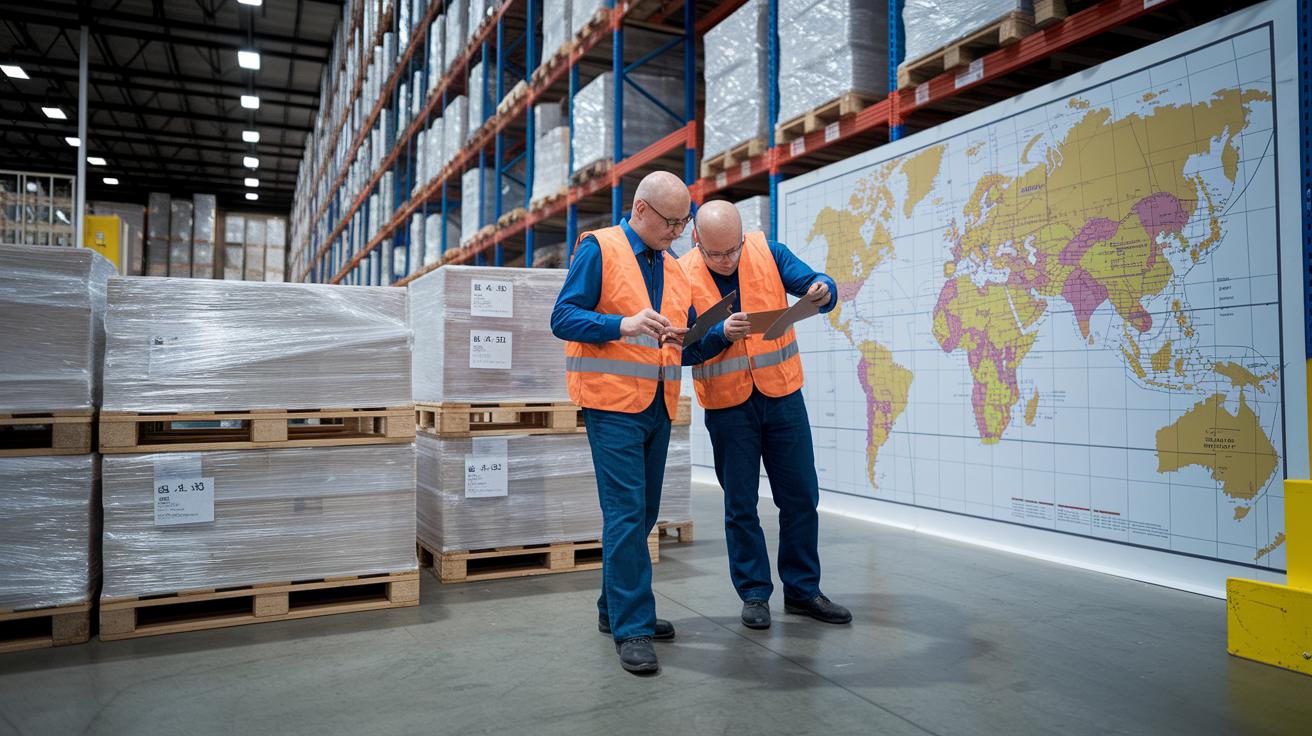
Cross-border ecommerce is booming, and keeping up means having smart logistics in place. Companies are rethinking how they ship products, turning to fresh, innovative methods that lower costs and speed up delivery. They’re tackling big challenges like long shipping times, tricky regulations, and the difficulties of the final delivery step.
Distributed Warehousing
Distributed warehousing puts inventory closer to where customers are. This simple shift can reduce shipping costs by up to 20%. By storing stock near key markets, companies save time during transit and cut handling expenses, making operations smoother overall.
Enhanced Customs Brokerage
Handling customs doesn’t have to be a headache. Working with customs experts streamlines paperwork, ensures compliance, and optimizes duty payments. This approach cuts down on border delays and minimizes mistakes, letting shipments travel from point A to point B without unnecessary hassles.
Specialized Regional Freight Solutions
Using dedicated regional freight routes can really speed things up. For example, specialized corridors like the El Paso–Juárez lane offer faster clearances and better coordination in busy markets. These focused solutions help companies manage international shipping more smoothly.
Spanned-Delivery and Last-Mile Networks
Strengthening local networks is key to revolutionizing the last delivery mile. By partnering with local teams and setting up consolidation hubs, companies make sure that packages reach customers quickly and efficiently.
Overall, these logistics strategies not only build reliability but also boost profit margins by cutting costs and making deliveries faster around the globe.
Payment and Regulatory Innovations in Cross-Border Ecommerce Trends

Merchants are rethinking how they handle payments and regulations to cut down on abandoned carts and keep transactions smooth. They’re blending global payment networks with local options to meet the diverse needs of their customers.
Integrated Global and Local Payment Systems
Retailers now offer multi-currency checkouts alongside popular local digital wallets. By merging international card networks with payment methods familiar to local shoppers, the buying process becomes more fluid and less likely to hit a snag at checkout.
Fintech and Instant Transfers
Fintech APIs power near-real-time cross-border settlements. Instant transfers mean funds move quickly between countries, cutting waiting times and boosting cash flow. It’s a neat way to ensure that payments go through fast, making for a much smoother shopping experience.
Cryptocurrencies in International Trade
Cryptocurrencies bring a fresh alternative to conventional payment methods. They can offer speed and security, but their price swings and limited acceptance keep them as just one part of a broader strategy rather than the ultimate solution.
Automated Taxation and Compliance
Modern tax tools automatically calculate VAT/GST for different regions, taking the headache out of compliance. These systems also align with global data privacy and consumer protection rules, reducing manual errors and making tax management more efficient.
Robust payment and regulatory systems build trust and security, which in turn boosts conversion rates as shoppers feel confident about making purchases in a fair and transparent environment.
Marketing and Localization in Cross-Border Ecommerce Trends

Today, brands adjust every detail of their online presence to connect with customers from different regions. They switch up language settings, show prices in local currencies, and even update design elements to reflect local culture. Imagine visiting a website that automatically displays costs in your currency with familiar cultural images, it makes the shopping experience feel personal and welcoming.
This level of localization doesn’t stop at language. Brands fine-tune everything from color schemes to call-to-action buttons, ensuring that every visual cue speaks directly to the local audience. They also adapt user experiences and web layouts, so shoppers immediately feel understood and at home.
Take the Wonders of Arabia campaign as a great example. This campaign artfully connected Saudi and Japanese cultural themes, earning a Silver Award thanks to a smart mix of media buying, programmatic advertising, and influencer partnerships. It shows how blending creative storytelling with local insights can turn a standard marketing effort into a powerful, engaging experience.
When brands work with local influencers and use region-specific social commerce methods, they spur more awareness and drive higher conversion rates. These targeted strategies prove that when every little detail is customized for the local market, both traffic and trust see a noticeable boost.
Future Outlook and Strategic Recommendations for Cross-Border Ecommerce Trends

Cross-border ecommerce is booming, and experts predict the market could hit $7.9 trillion by 2030. Shoppers are shifting their focus toward eco-friendly brands, over half now prefer businesses with sustainable practices. This trend means that companies must rethink how they operate, investing in greener supply chains and renewable resources to win customer trust and stand out from competitors.
Companies are also ramping up investments in technology like AI and Product Information Management systems to tackle product-data challenges head-on. By integrating smart warehouses and predictive inventory planning tools, businesses can quickly adjust to the fast pace of global trade and changing regulations. These innovations not only keep supply chains nimble but also boost overall operational efficiency.
Looking ahead, a smart strategy involves using predictive analytics to sharpen demand forecasts and applying compliance automation to streamline international regulatory hurdles. Culturally tuned marketing efforts are key too, they help brands speak directly to local audiences while managing global campaigns. With a balanced mix of tech upgrades, operational fine-tuning, and targeted marketing, companies are well-positioned to ride the next wave of cross-border ecommerce growth.
Final Words
In the action, we broke down how modern approaches redefine cross-border ecommerce trends. The blog explored market dynamics, innovative tech and logistics, secure payment systems, and smart marketing tactics that connect buyers worldwide. Each section underscores why immediate action matters, emphasizing data-driven insights to shape strategies. Businesses embracing these insights can grab new market opportunities and build a stronger global presence. The future looks bright, and those adapting quickly are set to win in a digital marketplace that rewards agility and forward-thinking decisions.
FAQ
Frequently Asked Questions
What is the current global cross-border ecommerce market size?
The current cross-border ecommerce market size stands at approximately $634 billion in 2023, with China and other key regions driving heavy contributions and significant potential for future expansion.
What ecommerce trends are forecast for 2025?
The ecommerce trends forecast for 2025 spotlight sustainable fulfillment, advanced technologies like AI and IoT, and increasing localized payment systems, all aimed at boosting efficiency and customer satisfaction worldwide.
What insights does the Global e-commerce Trends Report by J.P. Morgan offer?
The Global e-commerce Trends Report by J.P. Morgan offers insights on shifting market dynamics, emphasizing digital transformation, rising consumer demands, and the strategic importance of technology in driving international sales.
What recent trends in ecommerce products and reports are highlighted in available PDFs?
Recent PDFs on ecommerce trends highlight a growing focus on personalized, region-specific products, technology integration, and data-driven strategies that help retailers enhance performance in international markets.
How does emarketer data contribute to understanding cross-border ecommerce?
Emarketer data contributes by detailing market growth, consumer behavior, and regional performance, which helps businesses tailor their strategies for efficient, profitable cross-border trade.


