

Ever noticed how products seem to fly off the shelves? Today, technology is the heartbeat of every smart business. Picture systems that automatically order more stock before you even notice a shortage, or apps that lead each customer right to the perfect product. With billions invested in retail tech, companies are completely rethinking how they run their stores and engage with shoppers. In this discussion, we'll look at how innovations in AI, mobile apps, and automation can give your business a serious boost and reshape your retail strategy.
Meeting Retail Tech Needs: An Overview of Core Technologies

Global retail tech spending hit $600 billion in 2022 and is set to climb to $840 billion by 2025. That’s a clear sign that technology is now the engine behind retail operations. Imagine a store where smart systems spot low inventory before you even know you need a refill. It’s one of many ways tech is reshaping daily business.
In 2021, 72% of retailers shifted their focus to digital innovation, completely changing how they connect with customers. And with 55% of shoppers using mobile apps to explore products, whether they’re in the store or online, retailers are meeting the challenge head-on with faster, smarter solutions. This change is creating a retail world where quick responses and precision really matter.
- e-commerce platforms
- AI & analytics
- IoT & automation
- immersive experiences
Consumer habits are pushing these investments forward. Think of mobile apps as your very own shopping helper that makes browsing and buying super convenient. As today's consumers look for smooth, engaging digital experiences, retailers using these key technologies enjoy not only more efficient operations but also happier customers and boosted revenues. This smart mix of tech and consumer trends is laying a solid foundation for retailers who want to thrive in today's competitive market.
Major Trends in Retail Technology
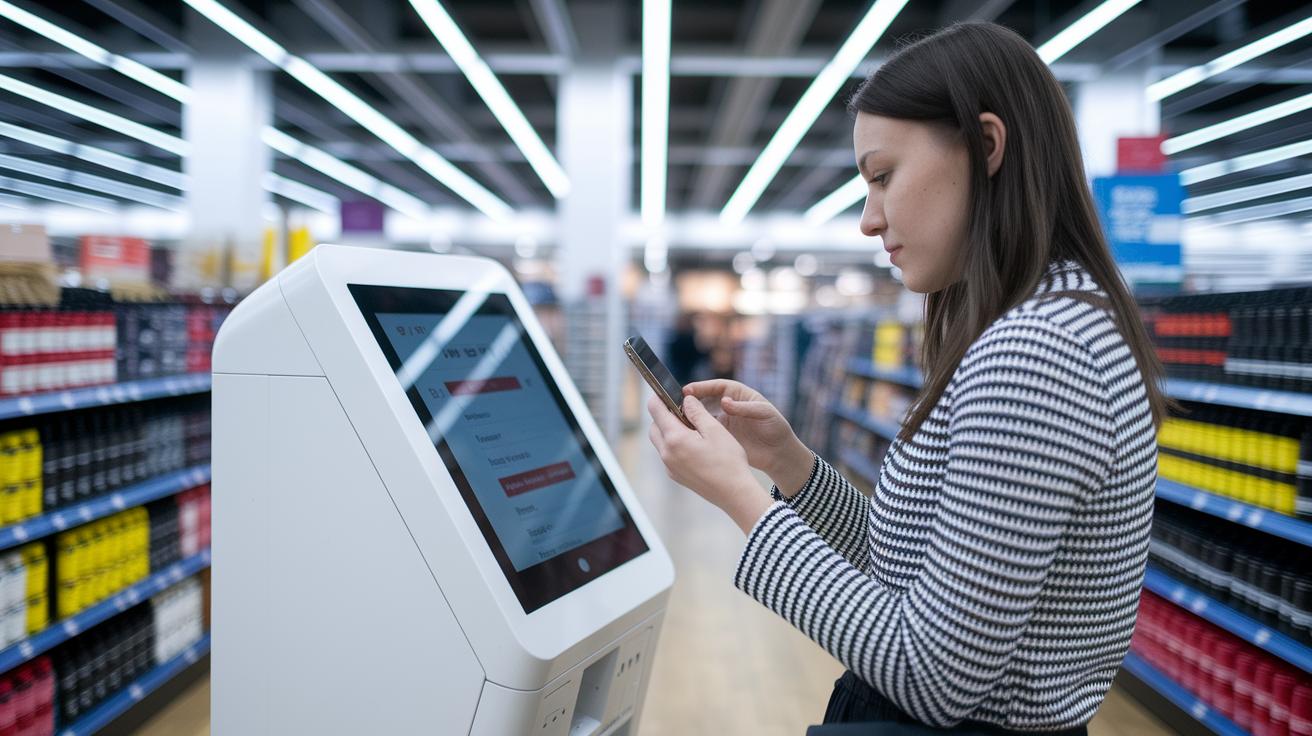
Retailers are shifting how they use technology. With the latest retail tech trends reshaping the industry, many are investing in tools that both enhance customer experiences and streamline everyday operations. In 2023, four standout trends are changing the game. For example, plenty of retailers rely on smart, AI-driven personalization to tailor recommendations, while others boost accuracy by upgrading to IoT-based inventory management.
| Trend | Description | Impact |
|---|---|---|
| AI-driven personalization | Smart algorithms tailor recommendations and marketing offers based on user behavior | 60% of retailers are actively investing |
| IoT-enabled inventory | Connected devices monitor stock levels in real time to minimize errors | 45% increase in inventory accuracy |
| AR/VR customer experiences | Immersive tech offers virtual try-ons, interactive demos, and simulated store visits | Market worth projected at $3.5 billion |
| Cloud platforms | Scalable solutions that improve data integration and overall operations | 75% of retailers have adopted cloud computing |
These trends empower retailers by offering real-time data and responsive tech that creates more engaging customer interactions. By mixing smart automation with customer-focused innovations, companies build systems that boost efficiency while perfecting the shopping experience. In fact, the seamless blend of AI, IoT, immersive tech, and cloud platforms gives retailers a real competitive edge in meeting today’s fast-moving market needs.
Tech for Retail: Boost Your Business

Today’s retail world is all about harnessing AI and data analytics to run smarter operations. Retailers are using AI to create engaging customer interactions and make better everyday decisions. For example, more than half of retailers now use AI chatbots for customer support, so shoppers can get quick help. This not only makes it easier to answer routine questions but also gathers useful insights from every chat. Plus, smart systems that use predictive analytics are now helping forecast demand more accurately, cutting errors by about 20% and paving the way for smoother operations.
Innovative AI tools are also transforming pricing strategies, boosting revenue by somewhere between 5% and 10% on average. Many businesses are trying out AI-driven tools that adjust prices quickly based on live market conditions. This dynamic pricing, which lets retailers respond promptly to customer habits and competitor moves, leads to better promotions and steady growth.
- Chatbots
- Predictive demand forecasting
- Dynamic pricing
- Recommendation engines
These smart tools do more than just improve customer interactions, they also streamline operations across the board. By using chatbots, recommendation engines, and other AI tools, retailers can cut down on manual work and focus on improving their strategies. The combination of predictive analytics and smart pricing not only refines forecasting but also drives revenue. In short, embracing AI and data analytics can smooth out daily operations, making shopping more enjoyable and boosting financial performance for retailers.
Omnichannel Retail Strategies with E-commerce Platforms
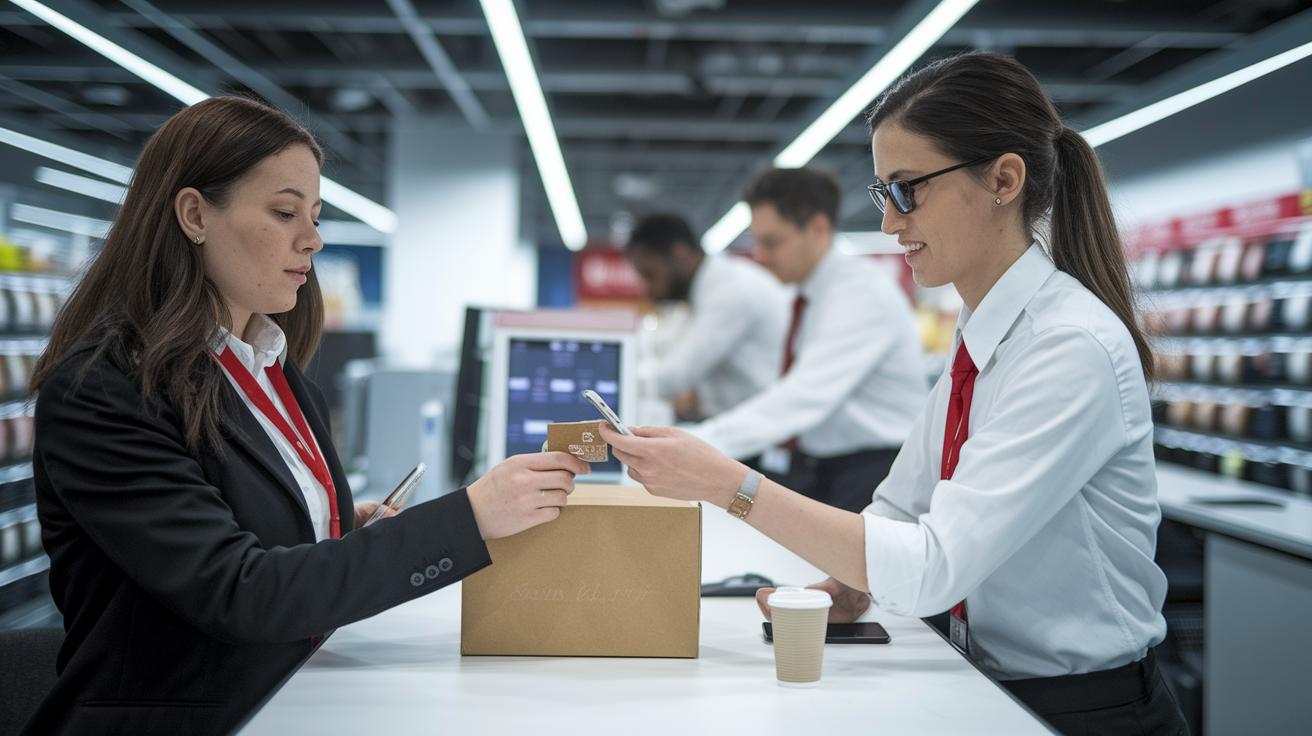
The way we shop is changing as stores blend online and in-person experiences. Today, 80% of retailers let you order online and pick up in-store, which means you get that mix of convenience and immediate satisfaction. This setup not only meets what savvy shoppers expect but also helps stores manage their inventory more smoothly and deliver service faster. It’s all about making sure the experience feels familiar and friendly, no matter where you decide to shop.
Picking the right e-commerce platform is a big deal when you're trying to keep both customers and business needs happy. Big names like Shopify, Magento, and Salesforce Commerce Cloud lead the market with 32%, 22%, and 15% shares, proving they can handle large volumes and complex orders all while keeping things simple. For those in the B2B space looking to widen their digital presence, taking a closer look at these platforms might just be the boost you need. Ever wonder what the future of B2B e-commerce might look like?
Bringing customer data and loyalty programs together across every channel creates real momentum. When stores merge online records with in-store interactions and offer rewards that feel personal, they see repeat purchases jump by as much as 30%. Simple strategies like linking your purchase history, using real-time insights for rewards, and ensuring every touchpoint tells the same brand story can make all the difference. This united approach not only makes shopping more personal but also builds long-lasting relationships that drive growth.
Automation and IoT Enhance Retail Supply Chain Efficiency

Retail supply chains are under constant pressure to deliver products both quickly and accurately while keeping costs low. It can be a real headache for many businesses to balance stock levels, avoid losses, and deliver orders on time. Even small hiccups can send ripples through the entire operation, impacting how happy your customers are and your bottom line. Imagine a situation where a delay in noticing low inventory stops a timely reorder – every minute matters.
IoT tracking is changing the game for how retailers keep an eye on what they have in stock. With sensors placed in warehouses and stores, companies can get live updates on their inventory. Picture a system that immediately alerts you when stock drops too low, so you can jump into action and reorder without delay. Some retailers have even seen a 40% drop in inventory shrinkage thanks to this real-time monitoring. It’s like having a digital assistant that ensures nothing valuable goes missing.
Automation is also revamping the fulfillment process. Nowadays, robotic pick-and-pack systems are lending a hand by efficiently collecting and packaging orders. Think of a busy warehouse where robots and people work side by side, speeding up order processing. Tasks that used to take hours by hand now get streamlined, cutting labor costs by 25%. This boost in technology means orders are processed fast and accurately, giving companies an edge in meeting customer expectations.
Blockchain is emerging as another tool to bring transparency to the retail game. Around 30% of top retailers are testing blockchain to follow products from manufacturing to delivery. This secure digital ledger checks product origins and monitors movement along the supply chain. With blockchain, retailers reduce uncertainties and tighten control over every step, paving the way for more reliable and secure operations.
Immersive Retail Technologies and Payment Innovations

New tech is changing the way we shop every day. Augmented reality (AR) and virtual reality (VR) let customers try on clothes, accessories, or makeup right from home. AR try-on tools, for instance, boost engagement by 65% by turning a simple browse into a fun, interactive event, imagine scanning your face to see how a new pair of sunglasses looks on you.
VR isn’t far behind. Virtual store experiences give shoppers a full 360-degree view of a store, increasing the time they spend exploring online by 20%. It’s like stepping into a digital boutique where every detail is at your fingertips.
Mobile payments are also stepping up. With mobile wallets now accounting for 51% of in-store transactions, checkout is faster and more secure than ever. Picture tapping your smartphone to pay and skipping long lines, making every shopping trip smoother.
Next-generation upgrades promise to make these experiences even more immersive and efficient, letting you enjoy a seamless, high-tech shopping journey.
Final Words
In the action, our discussion broke down key concepts shaping today’s retail environment, from core tech needs and emerging trends to AI-driven strategies and automated supply chains. We highlighted how immersive technologies and improved e-commerce platforms connect with consumer habits.
This analysis shows that tech for retail is making a real difference by boosting efficiency and customer engagement. The insights shared here can help craft smarter strategies and spark innovative ideas, making the future of retail a promising space for growth and success.
FAQ
What are the key technologies driving modern retail?
The key technologies include e-commerce platforms, AI and analytics, IoT and automation, and immersive experiences that improve operations and boost customer interactions in today’s retail market.
How is global retail technology spending evolving?
Global retail tech spending reached $600 billion in 2022 and is expected to hit $840 billion by 2025, reflecting retailers’ strong emphasis on digital transformation and consumer tech adoption.
What main trends are shaping retail technology today?
Current trends such as AI personalization, IoT-enabled inventory management, AR/VR customer experiences, and widespread cloud adoption are driving smarter, more efficient retail solutions that resonate well with consumers.
How does AI enhance retail operations and customer personalization?
AI improves retail by powering chatbots, predictive forecasting, dynamic pricing, and recommendation engines, which streamline operations and deliver more personalized experiences that directly benefit revenue.
What benefits do omnichannel retail strategies offer?
Omnichannel strategies connect online and offline experiences, simplify click-and-collect processes, and integrate customer data with loyalty programs, resulting in higher retention rates and improved overall service.
How do automation and IoT boost supply chain efficiency?
IoT devices and automation reduce inventory discrepancies and labor costs through enhanced tracking and automated fulfillment, leading to smoother and more cost-effective retail supply chains.
What role do immersive technologies and mobile payments play in retail?
Immersive tools like AR/VR boost customer engagement and dwell time, while mobile payment solutions streamline transactions, offering a more convenient and modern shopping experience.


