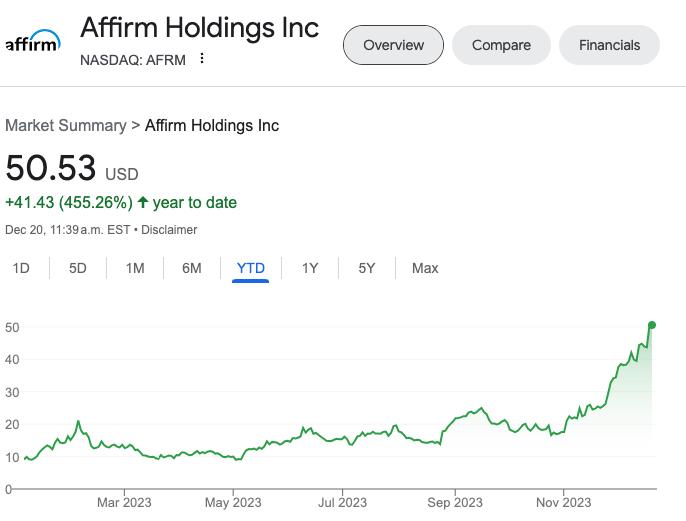
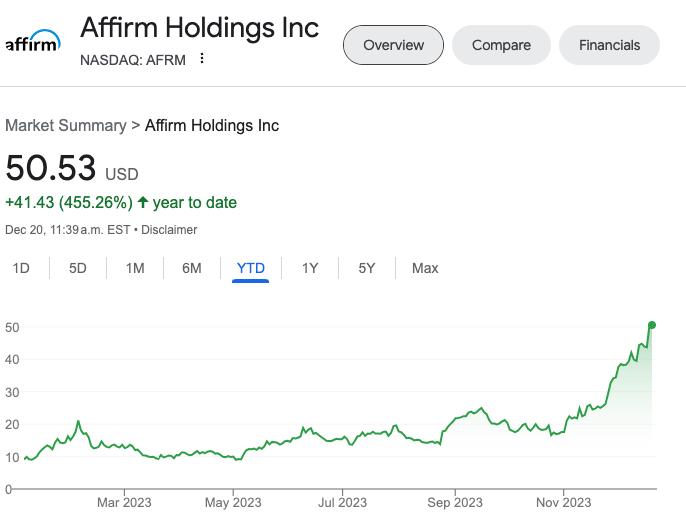
Buy Now, Pay Later (BNPL) just moved further into mainstream retail: thousands of Walmart locations are now offering BNPL at self-checkout. Adobe reports BNPL usage spiked to an all-time high on Cyber Monday, rising 42.5% year-over-year, and predicts a record year for instalment payment providers. That surge arrives while American credit card debt is at multiyear highs and fintech names like Affirm have exploded — Affirm stock is up roughly 455% year-to-date. The tweet’s final line, 'Probably nothing,' is a wink, but the trend has clear implications for shoppers, merchants, investors and regulators.
Walmart Puts BNPL at Self-Checkout , The Big Picture
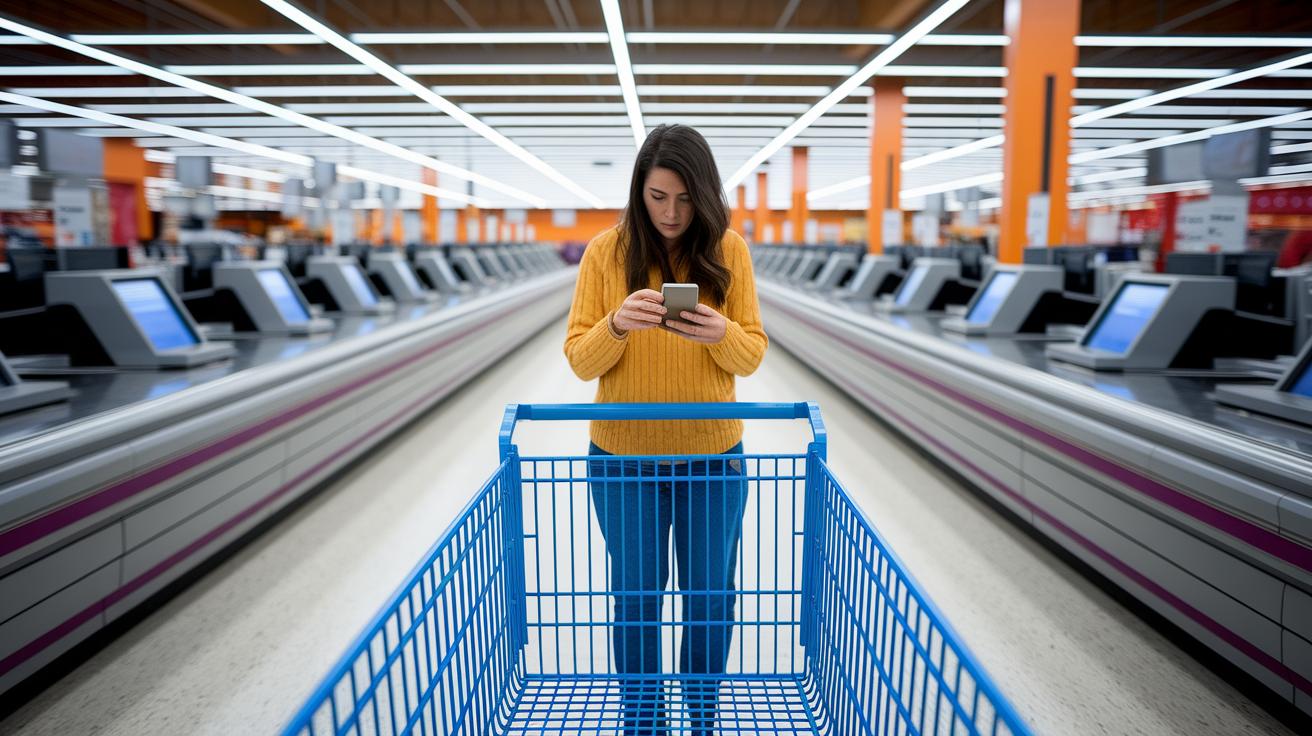
Buy Now, Pay Later's expansion into physical retail just took a major step: Walmart has started offering BNPL at thousands of stores through self-checkout, putting instalment options directly in front of everyday shoppers. That move amplifies a trend Adobe flagged on Cyber Monday , BNPL transactions jumped 42.5% year-over-year , and Adobe expects a record year for instalment providers overall. Combined with sky-high consumer credit balances and explosive fintech valuations, the change turns BNPL from an online checkout perk into a mainstream payment choice. For consumers it means easier access; for retailers, bigger baskets and conversions; and for regulators, a policy headache to sort out.
Thread Graphic: What the Attached Image Tells Us
The tweet thread included a graphic that helps visualize the story: rapid BNPL adoption and the associated market reaction. While the image itself is a snapshot, think of it as showing two converging trends , rising instalment usage around major shopping events and a corresponding lift in investor sentiment for BNPL issuers like Affirm. Visuals like this translate complex metrics into quick takeaways for readers and investors, but they also flatten nuance: underlying metrics such as default rates, average order value shifts and merchant fee structures matter for long-term sustainability. Use the graphic as a starting point, not the final word.