

Have you ever thought a digital storefront could drive real sales? Lately, screens are turning into interactive showrooms that feel almost as tangible as traditional brick-and-mortar stores.
Picture this: trying on shoes with an AR app or exploring a 3D boutique from the comfort of your living room. It’s a shopping experience that not only cuts down on returns and boosts sales but also spices things up with a fun, hands-on vibe.
Today, we’re diving into how smart technology is reshaping online shopping and transforming digital displays into powerful tools for success.
Overview of Emerging Virtual Storefront Trends
Imagine walking into a store that isn’t built of bricks but is alive with digital energy. Virtual storefronts are changing the way we shop by recreating familiar stores in 3D using VR headsets or mobile AR. It’s like stepping into a real boutique from your living room. For instance, picture using an AR app to "try on" shoes in real time. This simple trick not only makes shopping fun but can also shrink return rates by nearly 30% and boost your confidence at checkout.
These trends blend commerce and clever tech in a way that feels both innovative and personal. We’re talking about smart shopping strategies, data insights that help brands make better decisions, and experiences that transform how we shop online. Some brands are even using blockchain for secure transactions, which means your personal details stay safe while you enjoy a seamless shopping trip. Take YSL Beauty’s VR pop-up as an example. They’ve merged real-life shopping vibes with digital interactivity to create a journey that feels as tangible as it is futuristic.
The numbers back up this digital revolution as well. Virtual showrooms break down geographic limits and often see conversion rates climb by 20–25%. With AI-driven personalization, every digital window display adapts to what you love, imagine strolling through a digital Dior Atelier where every product feels picked just for you. Such innovations prove that blending physical and digital worlds isn’t just a trend, it’s a smart path to more engaging, successful shopping experiences.
Technology Innovations Driving Virtual Storefront Trends
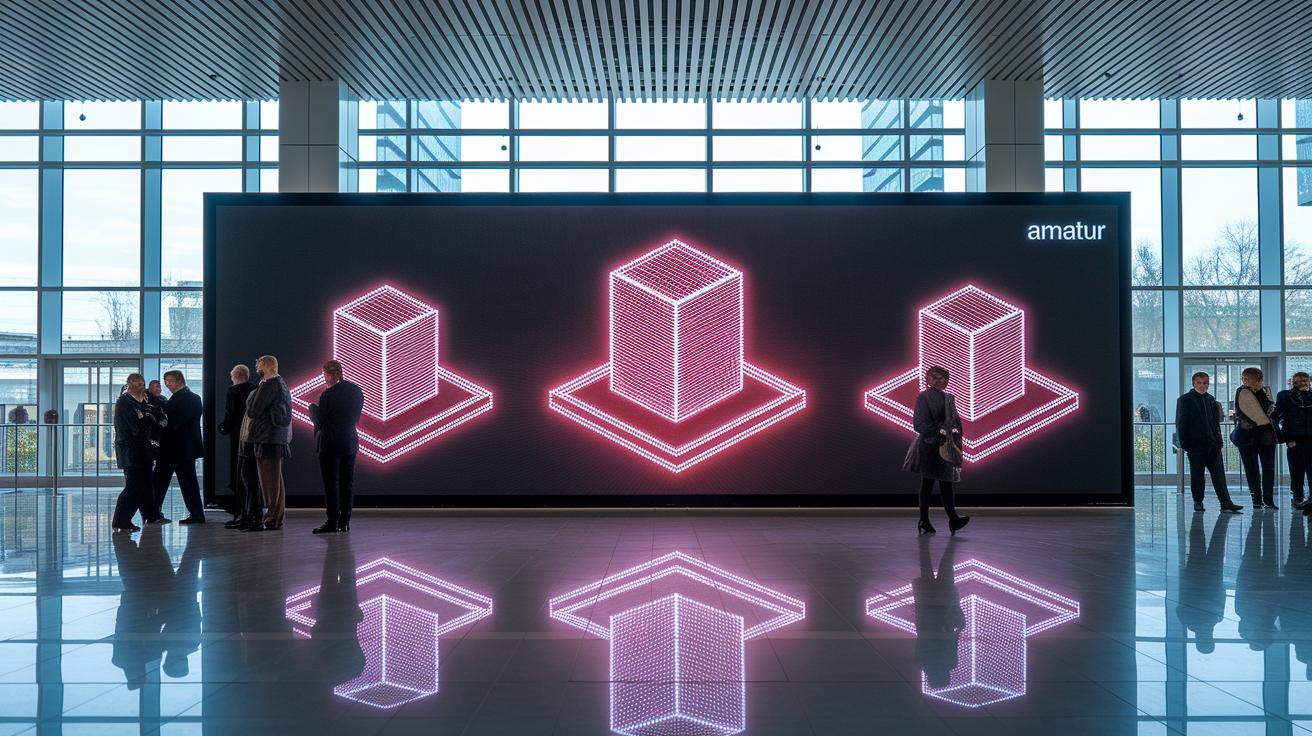
Digital storefronts have come a long way compared to those basic AR or VR demos. Today’s designs use advanced tools like 3D display technology with WebGL and powerful GPUs that recreate realistic lighting and shading. The result? Virtual stores that feel almost as tangible as brick-and-mortar shops. Plus, machine learning helpers watch your every move in real time, tweaking the layout and suggesting products as you browse, imagine having a friendly guide who makes your experience smoother.
Old-school e-commerce sites often stick with static designs and slow updates. New systems, on the other hand, deliver fast, interactive, and deeply personalized experiences. This shift not only highlights customer-friendly features but also reveals the tech secrets behind secure and dynamic digital interactions.
- AR virtual try-on modules that let you see products live
- VR showrooms delivering rich, multi-sensory experiences
- 3D designs powered by WebGL and advanced game engines
- AI tools that fine-tune personalization and product recommendations
- Blockchain-backed payment protocols for robust security
Case Studies Demonstrating Virtual Storefront Trends
Leading brands are completely rethinking shopping by mixing digital tools with interactive touches that work perfectly for today's customer. They’re using virtual storefront trends to craft playful and effective experiences that blend social vibes with real-time interactions. It’s a bit like stepping into a digital playground!
Take Nike, for instance. They’ve turned a popular gaming platform into a unique space where visitors can shop and play at the same time. Gucci is getting creative by pairing social hangouts with product drops, using influencer collaborations and a multi-channel approach to grab attention. Then there’s IKEA, which harnesses augmented reality to let you picture furniture in your own room, making it easier to decide on a purchase. Samsung’s virtual flagship store transforms product displays into hands-on demo sessions, inviting shoppers to linger longer and explore more. And let’s not forget Dior, their innovative setup has attracted a surge of new visitors, proving that a seamless digital experience can boost sales and keep customer interest high.
| Brand | Platform | Outcome |
|---|---|---|
| Nike | Roblox Nikeland | 60M active users, gamified engagement |
| Gucci | Roblox Garden/Town | Integrated social drops, 25% sales uplift |
| IKEA | AR Place App | 3D room visualization, 20% lower returns |
| Samsung | Decentraland 837X | Virtual flagship, 30% increase in dwell time |
| Dior | Atelier of Dreams | 91% new visitors, 15% conversion increase |
Overall, these examples show how fresh digital takes on retail spaces lead to real wins. They remind us that when brands get creative with interactive design, the rewards are clear, increased sales, more engaged customers, and a promising path to an even more profitable future.
virtual storefront trends spark success

Good design for virtual storefronts kicks off with creating immersive 3D spaces combined with simple, natural navigation cues. Teams mix UX expertise with 3D artistry to build layouts that guide customers effortlessly, from the first glance at products to the final checkout. Every detail, from subtle lighting to smart color choices, reinforces a brand’s identity. For example, a well-placed "Shop Now" button works just like a boutique window display, inviting users in with ease.
On the practical side, personalization engines fine-tune product displays based on what visitors like, making each journey feel custom-built. Adding community hubs and influencer-curated spaces ramps up the social proof, helping shoppers feel connected. With clear call-to-action spots and smooth checkout pages, every design element plays a part in creating a user-friendly, engaging digital experience.
Metrics Measuring Virtual Storefront Trends Impact
Brands need clear signals to fine-tune their online storefronts. They keep an eye on key numbers such as unique VR/AR sessions and better conversion rates to see if immersive shopping is really making a difference. Data gets pulled into real-time warehouses while AI helps break down customer feedback in everyday language. This method helps brands quickly adjust their plans as shoppers' habits change.
Here are the main points they watch:
- Unique VR/AR session count (aim: +30% year-over-year)
- Average session duration (ideal: more than 5 minutes)
- Conversion rate improvement (goal: an increase of 20–30%)
- Lower return rates from virtual trials (target: a 25% drop)
These metrics offer clear, actionable insights. For example, longer session times hint at stronger user engagement, and rising conversion rates show that smoother digital pathways are paying off. In fact, having real-time data lets brands adapt and keep polishing the virtual shopping journey.
Future Outlook on Virtual Storefront Trends
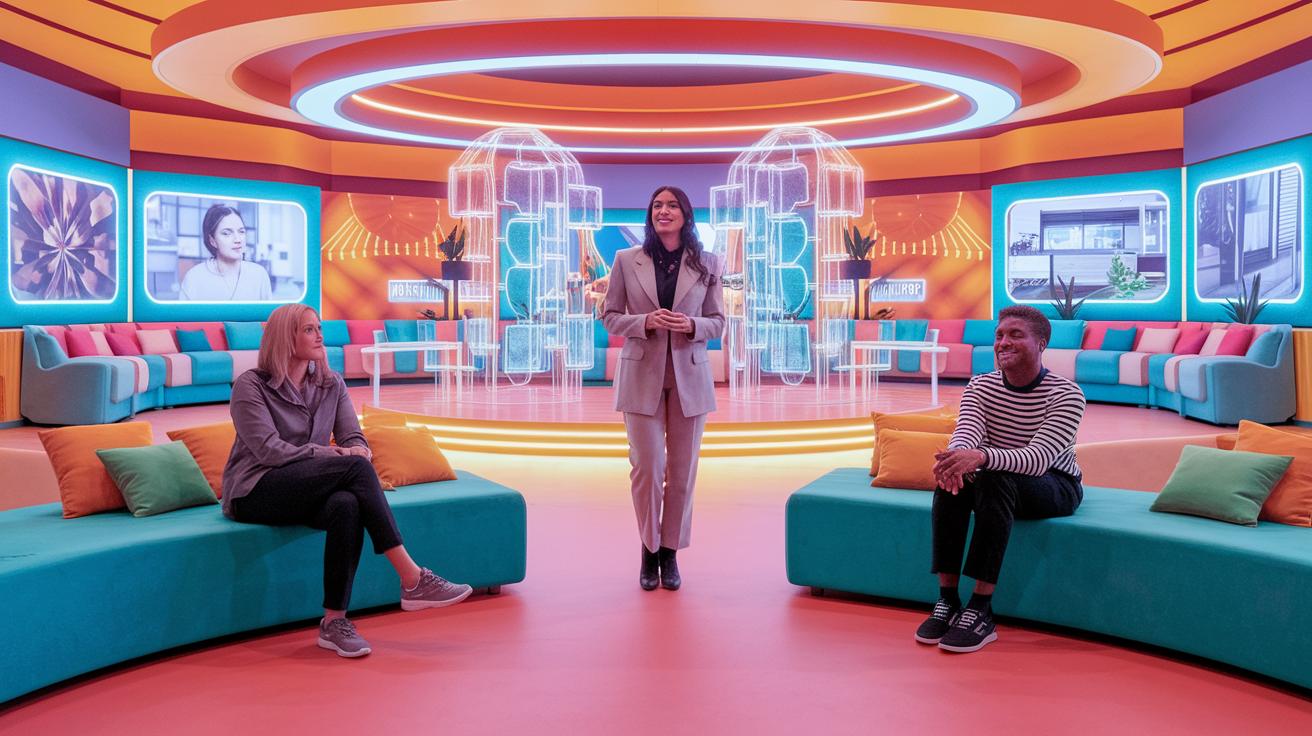
Imagine walking into a digital marketplace that feels as vibrant and lively as your favorite local hangout. Virtual spaces are evolving into dynamic hubs where shopping meets live entertainment and social VR meetups. Instead of simply copying brick-and-mortar stores, these environments offer layered, immersive experiences that add a fresh twist to how we shop and interact.
Consumers are clearly leaning toward more engaging experiences. Live video consultations and group shopping sessions are becoming popular, turning online shopping into a genuinely collaborative experience. This trend is set to give brands the chance to connect more personally with shoppers, building stronger, lasting relationships and reshaping the digital business model in the process.
Underpinning this shift are breakthrough technologies that make everything tick. AI-driven tools predict demand in real time, blockchain enhances customer loyalty with innovative rewards, and biometric systems add an extra level of security and personalization. Together, these advances are creating a future where virtual storefronts are not only efficient and safe but also incredibly inviting for every shopper.
Final Words
In the action, our discussion highlighted emerging virtual storefront trends reshaping digital commerce. We looked at interactive experiences powered by AR, VR, AI, and blockchain that boost engagement and drive conversions.
The article explained design strategies and data-driven measures that help businesses refine their digital presence. Each innovation and case study shows that practical, tech-forward approaches fuel success in online retail.
Looking to a bright future, virtual storefront trends pave the way for promising opportunities and measurable growth.
FAQ
Frequently Asked Questions
Virtual storefront trends examples
The virtual storefront trends examples showcase interactive digital replicas of physical stores that integrate AR try-ons, VR experiences, AI personalization, and blockchain-secured payments, resulting in improved customer engagement and conversion rates.
Virtual storefront trends 2022
The virtual storefront trends in 2022 featured the adoption of AR and VR technologies to create immersive shopping experiences, with brands leveraging these tools to drive higher visitor engagement and measurable sales improvements.
What is the #1 thing people buy online?
The #1 thing people buy online is typically consumer electronics, driven by convenience, frequent promotional offers, and ongoing technological enhancements that continually attract a broad audience.
What are current trends in e-commerce?
The current trends in e-commerce include the use of AR for virtual try-ons, AI-driven personalization, and blockchain-secured transactions, all aimed at creating immersive customer experiences and streamlining purchases.
Will e-commerce replace the storefront?
The possibility of e-commerce replacing physical storefronts reflects significant digital sales growth, yet many brands combine online and offline shopping experiences to provide a well-rounded and personalized customer journey.
What are the 7 P’s of retail?
The 7 P’s of retail describe key components—product, price, place, promotion, people, process, and physical evidence—that guide retailers in delivering consistent brand messages and optimizing customer interactions.