

Have you ever noticed that your casual scroll might actually lead to a purchase? Social selling is turning the tables by connecting brands with shoppers on platforms like TikTok, Instagram, and Facebook. These sites aren’t just places to chat, they're bustling marketplaces filled with real opportunities for revenue. In this post, we explore how interactive content and live engagement can transform a simple scroll into a smart shopping experience.
Core Social Selling Trends Shaping Ecommerce Growth
Social commerce is changing how brands connect with their customers. By blending social media with ecommerce, shoppers can now buy things directly on platforms like TikTok, Facebook, and Instagram. This makes the whole process feel more immediate and engaging, almost like meeting a friend for a quick chat about products.
Think about it: most of us spend over two hours every day on social networks. That makes these platforms a huge stage for brands to showcase what they’ve got. With nearly 94% of global internet users active online and US social shoppers expected to grow from 96 million to 104 million by 2025, social selling isn’t just popular; it's a game changer for online retail.
Money is definitely following the trend. Industry experts predict ad spending in social commerce could climb to $345 billion by 2029. Plus, strategies like influencer marketing, set to hit a valuation of $22.2 billion by 2025, are becoming power players in driving sales. In fact, 89% of consumers say that brand videos have directly influenced their buying decisions.
Recent trends make one thing clear: combining interactive content with real-time customer engagement is driving sales in a big way. Imagine a single day’s livestream event generating thousands of comments, with each comment holding the potential for a sale. It’s a vivid reminder of how social selling is reshaping the way we shop online and setting the stage for future growth.
Impact of Key Social Selling Platforms on Ecommerce Conversions

Instagram reaches about 26% of the global population aged 13 and up, giving brands a lively space to connect with a wide range of people. Facebook remains a favorite among marketers, nearly 9 out of 10 social media experts prefer it, making it a great place for targeted campaigns that turn browsing into buying.
TikTok is quickly becoming a standout. Experts predict that by the end of 2025, the U.S. user base will reach 48.8 million, nudging past Instagram’s 48.2 million. And with live-shopping features like TikTok Shop, you can watch a product demo live and click to buy right away. It’s a real game-changer that drives bursts of real-time interaction and sales.
Pinterest also shines in this arena, with a whopping 465 million monthly users. This platform isn’t just about pretty pictures, it’s a powerful search and discovery tool. Brands use these insights to shape campaigns that capture shopper behavior and boost conversions directly from the app.
Amazon is mixing things up too, with features like Inspire and Consult-a-Friend that bring a consultative touch to online shopping. These tools offer personalized recommendations and streamline the mobile shopping experience, making the journey from interest to purchase smoother and more engaging.
Influencer Collaborations and Consumer Trust in Social Selling
Micro-influencers are becoming key players in building trust. Experts believe that influencer marketing might reach a value of $22.2 billion by 2025. When brands team up with influencers who speak to specific audiences, their message feels real and relatable. Picture a micro-influencer posting a quick behind-the-scenes clip explaining why they love a product. That honest moment creates a genuine connection and serves as a strong sign of trust.
User-created content and customer reviews also play a big role in building credibility. Nearly half of social media users have bought a product after seeing an influencer’s recommendation. Millennials, in particular, show a 53% chance of converting after engaging with influencer content. These numbers highlight why influencer partnerships are so important for both boosting revenue and connecting with consumers on a personal level.
Clear partnership strategies make a huge difference too. Imagine a live stream where an influencer gives a product demo and answers questions in real time. It sparks immediate interest with comments and messages flooding in. This energetic, community-focused approach not only boosts a brand’s authenticity online but also creates a cycle of trust that keeps customers coming back.
Technology Integrations Driving Social Selling Innovation
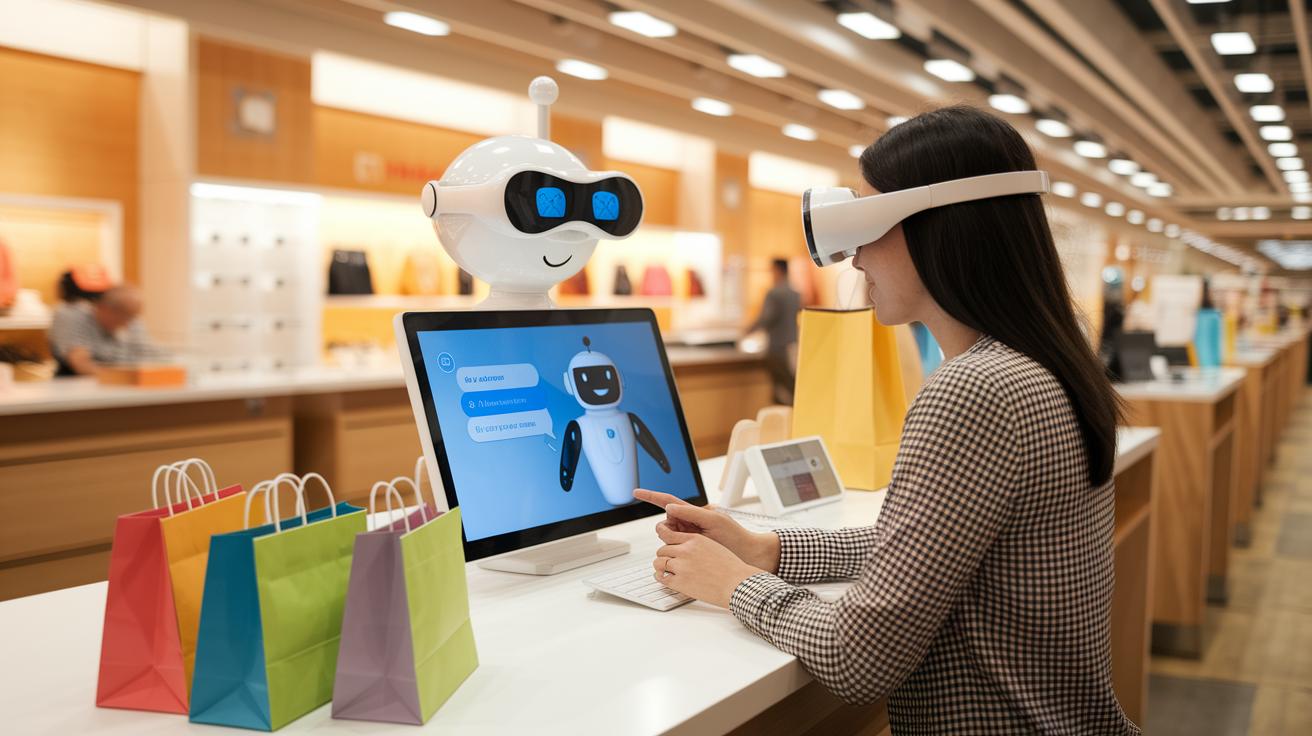
AI chatbots are completely changing how we connect with customers. They offer instant support and tailor product recommendations based on what you do online. Imagine a chatbot that quickly answers your questions, guides you to products that fit your style, and even suggests matching items, all in real time. One moment you're browsing, and the next, it's like having a personal shopping assistant saying, "Looking for a new pair of shoes? Based on your style, we suggest these options." Simple, efficient, and surprisingly friendly.
Then there's augmented reality try-ons, which are stepping into the spotlight in sectors like beauty, fashion, and eyewear. Picture this: you can virtually experiment with sunglasses or makeup right on your phone, getting an immediate sense of how the product will look. This digital try-on transforms ordinary online shopping into an engaging experience that bridges the gap between clicking on a product and actually using it.
On another front, blockchain-based payments are adding extra layers of security and transparency to transactions. This technology not only protects your payment details but also smooths out the checkout process, offering a bit more peace of mind when you complete your purchase. At the same time, smarter AI search algorithms are mixing traditional SEO methods with up-to-the-minute insights from user behavior, making it easier for you to find just what you're looking for.
Together, these digital retail innovations are reshaping the social selling landscape. By weaving AI, augmented reality, and blockchain into a seamless experience, brands are raising the bar for customer engagement and convenience. The result? A smoother, more intuitive online shopping journey that not only enhances conversion rates but also redefines what it means to shop in a technology-powered world.
Best Practices for Crafting Effective Social Selling Campaigns
Start by matching your chosen platform to where your audience hangs out. Think about it this way: if your ideal customers are drawn to Instagram's eye-catching visuals, Facebook's warm community vibe, or TikTok's lively energy, then focusing on that specific channel can really boost engagement and lead to more sales.
Livestreams are a game-changer. Picture yourself hosting a live demo where you introduce a new product and answer questions as they come in. Maybe kick it off with a fun fact like, "Did you know that 41% of consumers prefer direct messaging support when shopping?" This little surprise helps create a buzz and makes the experience interactive and memorable.
When it comes to direct messaging, treat it like a personal conversation. If someone reaches out, reply quickly and warmly. This kind of one-on-one interaction builds trust and often turns a simple question into a sale. A handy tip: view messaging as a way to give personal customer care that can really turn inquiries into purchases.
Keep your ad strategies sharp by planning when and where to spend your budget. Use clear, data-driven insights to pick the best moments for your ads, ensuring that your message reaches the right people without wasting money. If you need more detailed planning ideas, check out this ecommerce strategy at https://omegamarkets.com?p=469. This approach can be especially helpful for small businesses looking to get a big impact from low-cost ads.
Try a multichannel approach by syncing your content across different platforms. Make sure your message stays consistent, whether it’s a tweet, a Facebook post, or an Instagram story.
- Focus on choosing the right platform
- Show off your products with interactive livestreams
- Keep conversations personal with direct messaging
Using this mix of tactics not only makes your social selling efforts fun and engaging but also helps build strong customer loyalty and drive more conversions over time.
Measuring Performance: Metrics and Analytics for Social Selling

Tracking and analyzing data is like having a trusty map in the busy world of social selling. Brands today lean on real-time analytics to see how posts and livestreams are performing. Quick chat response times matter a lot, they not only keep customers happy but also help turn browsing into buying through shoppable content. Companies start to see real wins when they monitor media ROI and adjust campaigns with solid, data-backed tactics. For instance, a reliable statistic tells us that 53% of millennials make a purchase after seeing an influencer’s work. This really highlights why keeping an eye on influencer campaign performance is crucial.
Using these measurements helps marketers fine-tune their strategies. Take live chat tracking as an example: nearly a third of potential buyers appreciate getting help right away. Imagine a quick reply that transforms hesitation into a sale. Key metrics to keep an eye on include:
- Engagement rates on posts and livestreams
- Chat response times and customer satisfaction scores
- Conversion rates from shoppable content
- Advertising ROI
- Influencer campaign performance
Regularly reviewing these performance indicators lets brands spot their strengths and discover areas for improvement. With constant monitoring, small tweaks can lead to better conversion rates and overall sales growth. In short, turning raw data into simple, actionable insights is the secret sauce for social selling success.
Forecast: Emerging Social Selling Ecommerce Trends for Next Year
Next year, the spotlight shifts away from repeating old technologies. Instead, it’s about understanding how consumers are changing, how rules are evolving, and how market dynamics are taking new shapes. Digital shoppers are set to demand instant, tailor-made experiences that mix smart data predictions with insights from their communities. Believe it or not, some brands even experimented with real-time mood analysis early on, almost like they were reading your mind.
Regulators, on the other hand, are ready to up their game in digital advertising and data protection. Companies will soon need to be crystal clear about how they use customer data, much like having a straightforward return policy that reassures buyers with every click.
Here’s what to watch for:
| Trend | Description |
|---|---|
| Hyperlocal Social Commerce | Neighborhood-based communities driving real-time, location-specific purchases. |
| Mobile-First Payment Innovations | Seamless integration of digital wallets and cryptocurrencies to make global transactions easier. |
| Data-Driven Customization | Beyond standard recommendations, shoppers will enjoy experiences that adapt in real-time. |
Early indicators point to robust growth in social commerce ad spending and a rise in online shoppers. Looking ahead, experts believe that focusing on local market surges and interactive buying pathways will provide a clear roadmap for innovative, targeted strategies.
Final Words
In the action of exploring market shifts, the article traced social selling ecommerce trends from key platforms and influencer collaborations to cutting-edge tech and performance metrics. It broke down how brands can use social media to drive conversions, build trust, and capture emerging opportunities.
We've seen actionable insights and precise data guide effective campaigns. The innovative spirit behind these trends keeps e-commerce growth dynamic and their potential truly exciting.
FAQ
Q: What were social selling ecommerce trends in 2020?
A: The social selling ecommerce trends in 2020 featured platforms integrating shopping within social media channels, enabling brands to reach consumers via trusted influencer partnerships and interactive product showcases.
Q: What are the current social commerce trends?
A: The social commerce trends involve using live-stream shopping, enhanced in-app purchase experiences, and targeted influencer collaborations to drive engagement and offer customers quick purchase options directly on social media.
Q: What are some examples of social commerce?
A: The social commerce examples include live video demonstrations, shoppable posts on Instagram and Facebook, and TikTok Shop features that let users browse and buy without leaving the app.
Q: What social commerce trends are expected by 2025?
A: The social commerce trends for 2025 are set to feature more AI-powered recommendations, augmented reality experiences, and increased influencer marketing, along with growing ad spend fueled by shifting consumer behavior.
Q: How large is the social commerce market?
A: The social commerce market size is estimated to expand rapidly, with projections indicating ad spend could reach around $345 billion by 2029 and a steady rise in active social shoppers across key markets.
Q: How does social commerce compare with traditional e-commerce?
A: The social commerce versus e-commerce comparison shows that social commerce integrates social interactions and real-time product showcases into the buying process, whereas traditional e-commerce relies mainly on standalone websites and conventional online stores.
Q: What key social commerce statistics should be noted?
A: The social commerce stats reveal that 94% of global internet users are active on social networks, with rising influencer-driven sales and in-app purchases that highlight a shift toward more interactive shopping experiences.
Q: Which platforms lead in social commerce?
A: The social commerce platforms such as TikTok, Instagram, Facebook, and Pinterest drive high user engagement by offering shoppable features and live shopping events, effectively boosting consumer conversions and brand interaction.


