
Is your retail business ready to transform? In the wake of COVID, digital upgrades have given stores a fresh new outlook. Smart tools are now making transactions smoother and offering clear insights into customer needs. This means changes you never imagined in product selection and customer care. In this article, we break down six powerful retail tech trends that are reshaping the shopping experience, one innovation at a time.
Up-To-Date Retail Technology Trends: The Six Innovations Retailers Must Know
Retail tech is changing faster than ever, especially since the post-COVID era pushed stores to upgrade digitally. Businesses are quickly picking up systems that not only simplify operations but also freshen up customer interactions in real time. It’s all about using smart, integrated tools that truly meet today’s consumer needs.
In our fast-paced market, staying ahead means embracing new platforms that make online transactions smoother, offer clear inventory insights, and deliver marketing that feels both personal and timely. Picture the familiar buzz of a lively digital marketplace, each tool working together to create a seamless shopping experience.
| Innovation | Description |
|---|---|
| Digital Transformation | Rethinking store operations to blend in-store charm with online convenience. |
| SKU Rationalization | Simplifying product offerings to keep things clear and efficient. |
| AI & Machine Learning | Leveraging smart technology to deliver insights that drive smarter business choices. |
| Unified Commerce | Bringing all shopping channels together for one effortless experience. |
| Advanced Analytics | Using data tools that track everything from sales to customer habits. |
| Sustainability & Circular Economy | Integrating eco-friendly practices that benefit both the business and the planet. |
Keeping an eye on these six game-changing trends isn’t just about matching your competitors, it’s a way to lead the pack. Think of digital transformation and unified commerce as your tickets to creating a frictionless blend of in-store and online shopping that builds lasting loyalty. Meanwhile, embracing AI and advanced analytics gives retailers clear, actionable insights to adjust pricing and manage inventory with confidence. Ultimately, these trends help businesses navigate shifting markets and deliver genuine value in a rapidly evolving retail landscape.
Digital Transformation in Retail Technology Trends: Reshaping the Customer Journey
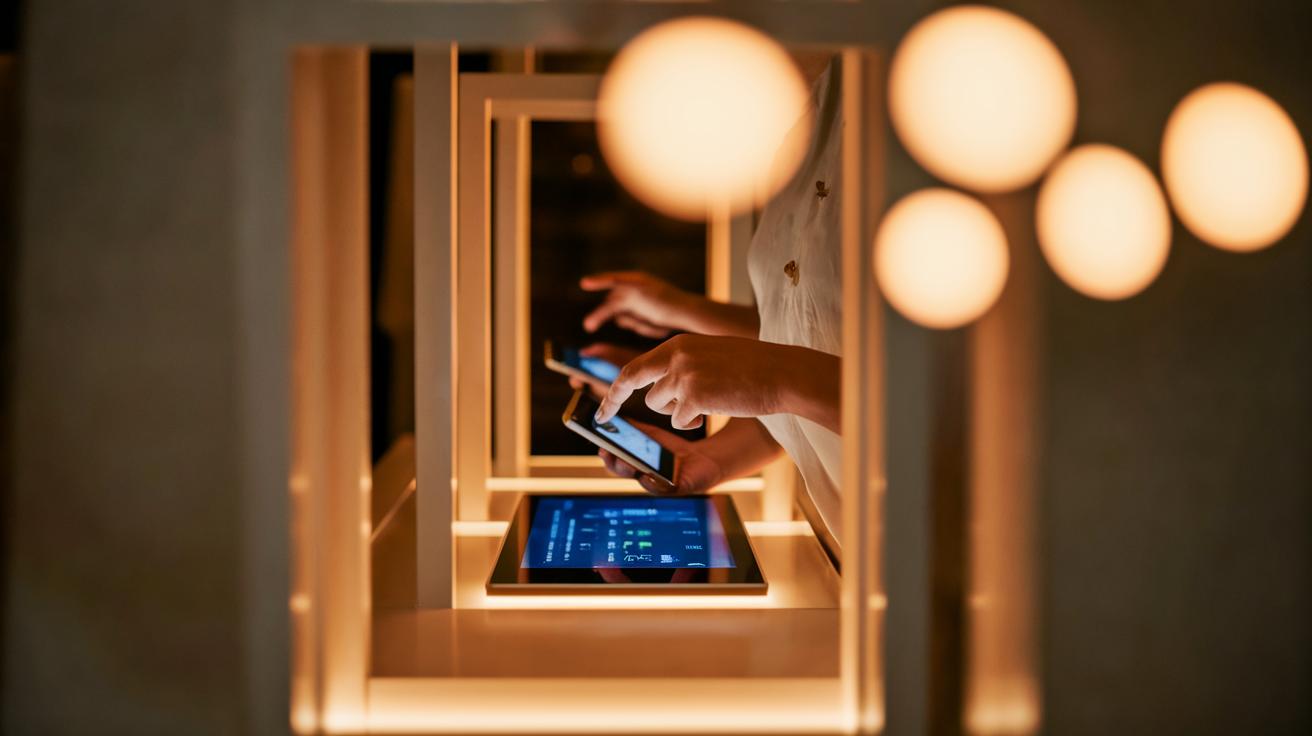
Retail is experiencing a major shift as digital and physical shopping merge into one smooth, engaging experience. Stores in fashion, multi-category retail, and personal care are blending online channels with real-world customer service to create journeys that truly feel seamless. Picture a customer browsing a digital catalog on their phone who then steps into a store and receives customized help thanks to smart technology.
Key tools driving this change include systems like ELERA Point of Sale, TCx Touch Display, and the integrated TCx OS for Android. These platforms gather customer data from various channels and use it to deliver personalized experiences efficiently. Here’s an interesting tidbit: one boutique reported a 20% faster checkout process after switching to an integrated system, which made customers a lot happier.
Across various sectors, these innovative retail solutions are not only increasing foot traffic and conversion rates but also building customer loyalty. Retailers are now using data-driven insights to predict what shoppers need and to iron out any operational hiccups, paving the way for the future of retail.
SKU Rationalization: A Critical Retail Technology Trend for Operational Efficiency
SKU rationalization is a clever way for retailers to simplify their product lineup by cutting out items that just aren’t moving. When you focus only on products that customers love, your inventory becomes easier to manage, costs drop, and shoppers find a clearer, more inviting selection.
This streamlined approach also helps your entire supply chain run smoother. Automated fulfillment systems can zero in on the products that really count, leading to fewer hassles, better storage management, and less waste overall.
Real-life case studies show that trimming out low-performing SKUs can boost inventory turnover by as much as 15%. That means stronger profit margins and a faster flow of goods, vital in a market where every edge counts. By homing in on what customers truly want, businesses can better allocate resources and keep their operations both agile and cost-effective.
AI and Machine Learning: The Driving Force Behind Next-Gen Retail Technology Trends
Retail technology is changing fast. Advanced AI tools now craft shopping experiences that feel tailored just for you. It’s almost like the store knows what you need before you even ask.
Retailers are using machine learning to sharpen demand forecasts, manage inventory more smartly, and serve up personalized recommendations right when you’re browsing. Think of it like a friendly digital assistant, chatbots that answer questions any time of day and marketing messages that adjust based on your interests. This makes operations smoother and boosts customer engagement.
| Technology | Use Case | Primary Benefit |
|---|---|---|
| Chatbots | Customer engagement | 24/7 support |
| Recommendation Engines | Personalization | Increased AOV |
| Dynamic Pricing | Real-time adjustments | Revenue optimization |
| Inventory Forecasting | Demand prediction | Reduced stockouts |
These AI-driven strategies aren’t just about chatting with customers, they deliver real wins for the bottom line. By combining smart analytics with machine learning, retailers can fine-tune pricing and inventory control, saving money and preventing waste. This smart mix of automation and insight is helping businesses work more efficiently and see faster returns on their investments, setting them up for continued, scalable growth in a fast-evolving market.
Omnichannel Unified Commerce: Integrating Channels as a Core Retail Technology Trend
Retail is evolving. Instead of old-school omnichannel strategies, businesses are now embracing a unified commerce approach that blends online, mobile, and in-store shopping into one smooth experience. Think about switching from a phone to a desktop, then completing your purchase in a local shop, all without missing a beat.
Cloud-based systems and smart sensors make this magic happen. In simple terms, sensors scattered across your favorite stores send live updates to the cloud. This means products and deals can change on the fly. For instance, one retailer even adjusted in-store promotions during busy times using real-time sensor data. Talk about innovation in action!
By bringing these technologies together, retailers can keep things running effortlessly while building stronger connections with their customers. Every channel syncing in real time means shoppers enjoy a consistent, trustworthy experience, making it all the more likely they’ll visit again.
Advanced Analytics: Elevating Data-Driven Decision Making in Retail Technology Trends
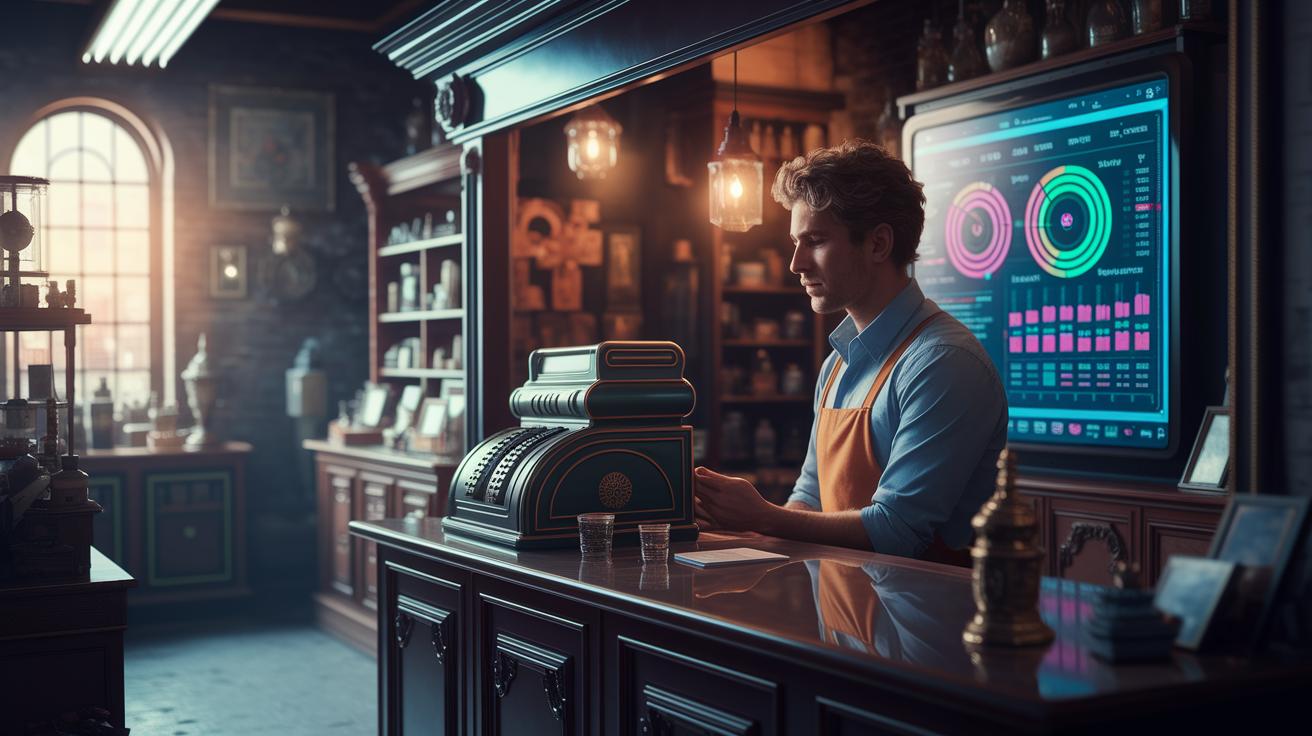
Advanced analytics is really shaking up how stores run every day. Retailers today lean on solid data to guide everything from restocking to pricing and even planning promotions, all in real time. This means businesses can quickly adjust when market trends shift, keeping them nimble. Imagine a shopowner tweaking their marketing on the fly because the latest sales numbers pointed out a clear need for a boost.
At the heart of these changes are real-time dashboards and sharp consumer insights. Many managers now watch clear, easy-to-read screens that flag issues as they happen, so they can act fast. By bringing together data from different sources, these tools ensure every choice is backed by hard facts. Think about how a sudden drop in sales might instantly spark a targeted campaign, just like that.
Retailers using these advanced tools are seeing big wins, with some even reporting a 10% jump in revenue. These systems don’t just offer detailed insights, they also streamline everyday operations. By constantly checking performance and tweaking strategies on the fly, stores are not only staying competitive but also building stronger bonds with their customers while keeping costs under control.
Sustainability and Circular Economy: Emerging Retail Technology Trends for 2025
Retailers are rethinking the old way of doing things. Instead of making products for one use and tossing them aside, they now extend a product’s life and reuse materials. They even support marketplaces where items can be resold. This method cuts down on waste and helps shift businesses toward greener practices.
Eco-friendly upgrades are not just good for the earth, they save money, too. Stores are switching to smart lighting, better HVAC systems, and renewable energy. These changes lower energy bills and build trust with shoppers who care about the environment.
Consumers are increasingly on the lookout for brands that share their green values. In fact, estimates show that by 2025, more retailers will adopt circular models and energy-efficient practices. This shift means less waste, lower costs, and a more resilient business ready to handle market ups and downs.
In short, embracing sustainability isn’t just about doing good; it’s a smart move that benefits both the business and its customers.
Final Words
In the action of exploring key retail technology trends, we examined six innovations reshaping e-commerce, from digital transformation and SKU rationalization to AI, unified commerce, advanced analytics, and sustainability. Each trend offers fresh perspectives on streamlining operations and meeting evolving consumer demands.
These insights yield actionable strategies and data-driven clarity, essential to staying competitive in today's market. Embracing retail technology trends equips retailers with the tools needed for smart, forward-thinking business decisions and a bright pathway ahead.
FAQ
Q: What are the current and upcoming retail technology trends?
A: The current and upcoming trends focus on digital transformation, SKU rationalization, AI and machine learning, unified commerce, advanced analytics, and sustainability with circular economy approaches. These trends are shaping retail today and in the near future.
Q: What are some retail technology examples making an impact?
A: Retail technology examples making an impact include integrated systems for unified shopping, AI tools for personalized recommendations and inventory forecasting, real-time analytics dashboards, and eco-friendly solutions that support sustainable practices.
Q: Who are the major retail tech companies driving innovation and operational excellence?
A: Major retail tech companies are those that deliver advanced AI solutions, unified commerce platforms, and robust data analytics tools. They drive innovation by streamlining operations, enhancing customer experiences, and promoting sustainable retail practices.
Q: How is retail technology news impacting the market?
A: Retail technology news impacts the market by highlighting breakthrough innovations and market shifts. It keeps industry professionals informed on trends and new strategies that boost profitability and improve customer satisfaction.