
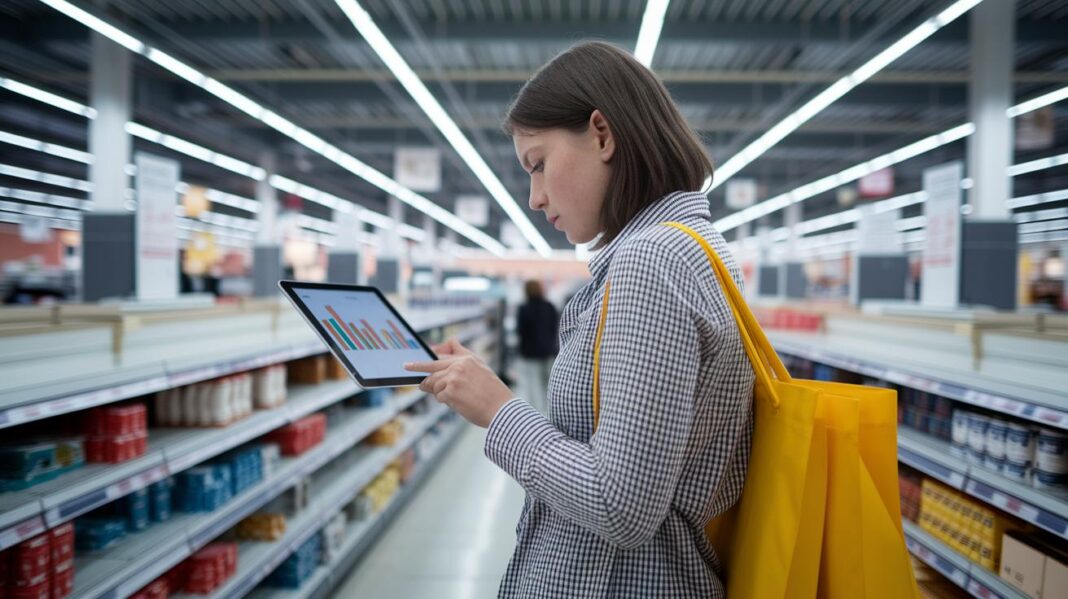
Retailers are facing a new era where shoppers enjoy both digital convenience and the charm of visiting a physical store. Most people now prefer shopping online, roughly 60%, yet many still love the personal service and clear product displays that only a brick-and-mortar location can offer.
This trend means retailers need to update not just their websites but also their stores. They have to mix high-tech digital tools with an inviting in-store experience to keep up with customer demands.
In this article, we'll walk through the latest retail shopping trends and discuss how businesses can adjust to these exciting shifts in the market.
Key Patterns in Retail Shopping Trends for Today’s Market
Consumers are blending online ease with traditional shopping in fresh ways. In fact, recent stats show nearly 60% of shoppers worldwide now lean toward online experiences, while about 40% still opt for in-store visits. And here’s something interesting, customers are expecting about six interactions before they make a purchase. Clearly, sticking to just one channel might not cut it anymore, so it’s time for retailers to beef up both their digital and physical offerings.
Online channels are reshaping how we discover and choose products. Data tells us that 83% of US online buyers find free shipping a big draw when they’re ready to check out, and 81% enjoy a shopping experience that feels tailored to their tastes. Plus, around 30% of shoppers come across new products directly through retail websites. In short, offering a personalized experience along with attractive delivery options not only boosts satisfaction but also builds lasting loyalty.
Meanwhile, physical stores still hold their ground. Seventy percent of consumers expect products to be available and stores to be well-organized when they shop in person. There’s also a noticeable shift towards sustainability, with 58% of buyers willing to spend a bit more for eco-friendly choices. Taken together, these trends lay out a clear plan for retailers: blend digital innovation with smart, practical in-store improvements to not just meet, but exceed modern consumer expectations.
Retail Shopping Trends in Technology and Digital Transformation
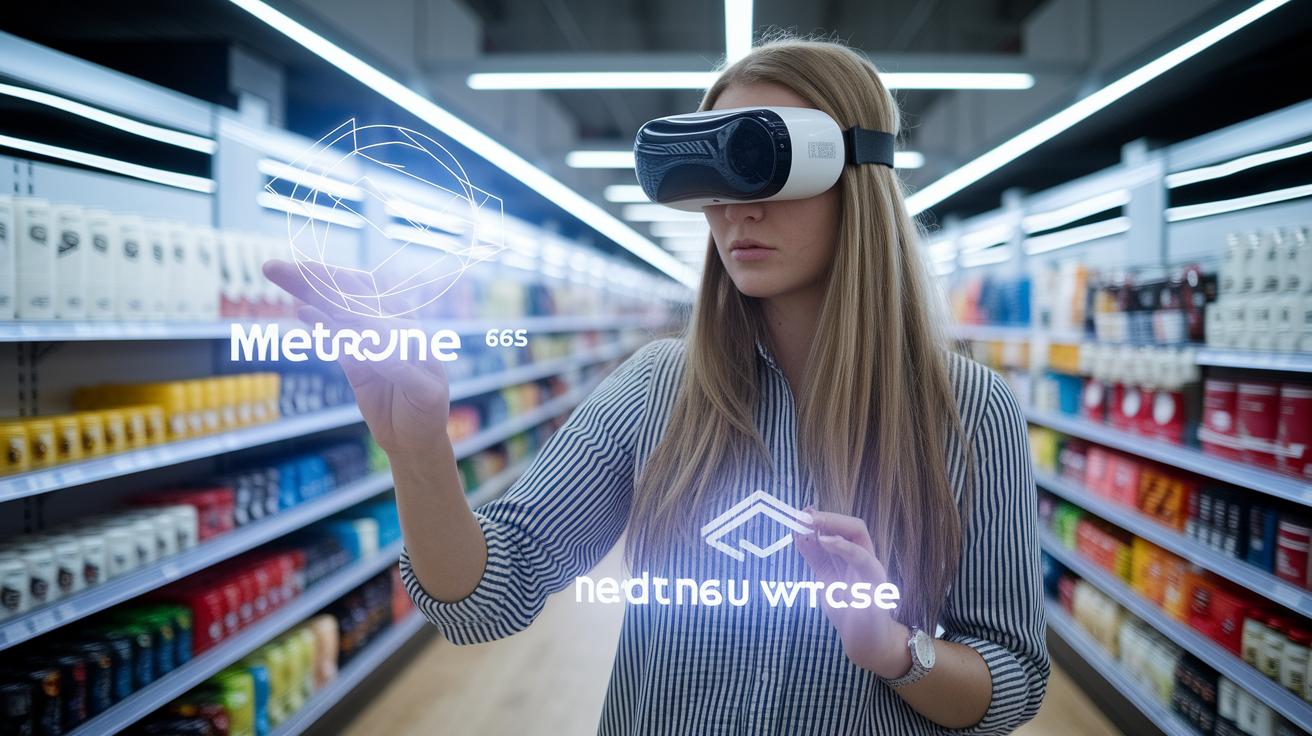
Global tech is changing the way we shop, and businesses are now leaning into digital upgrades as a real game changer. By 2025, nearly 378 million retail users are expected to use AI tools, pushing companies to rethink how they connect with customers, both online and in physical stores.
Phygital retail, which mixes in-store experiences with digital perks, is on the rise. Meanwhile, metaverse projects are creating vivid, immersive brand encounters that appeal to people of all ages. And get this: 64% of shoppers end up spending more when their problems are solved through their favorite communication channel. It’s a clear call for smooth, efficient digital customer support.
• AI-powered personalization
• Augmented reality try-ons
• Live chat and chatbot support
• Predictive inventory management
• Smart in-store mirrors
Retailers are now embracing these practical innovations to boost efficiency and make customers happy. Many are even turning to solutions like Tech for retail to simplify support systems and mix in the latest digital tech. By merging the best of the physical and virtual worlds, businesses aren’t just meeting expectations, they’re setting new standards for the shopping experience. This tech-fueled shift is sparking major changes in retail, keeping pace with the fast-moving demands of today’s consumers.
Retail Shopping Trends: Online vs. Brick-and-Mortar Evolution

Retailers are no longer just comparing online clicks to foot traffic. They’re now mixing digital tools with in-person experiences to create a smoother shopping journey. Rather than simply showing channel statistics, they’re using smart strategies that tie online innovations to physical store upgrades.
For instance, many stores are now using systems that update inventory in real time and offer interactive digital displays right on the shop floor. Imagine walking into a store where an app not only directs you to the exact aisle you need but also gives you instant discounts based on your past browsing. This blend of online and offline tools makes shopping feel more personal and connected.
| Metric | Online | In-Store |
|---|---|---|
| Preference % | 59% | 41% |
| Average Engagement Touchpoints | 6 touchpoints | 1-2 touchpoints |
| Key Satisfaction Driver | Convenience, free shipping, and digital personalization | Product availability, experiential displays, and real-time service updates |
Retailers are also getting creative with tech to boost both online and in-store experiences. Some are trying out augmented reality product trials or offering interactive store maps. For example, one effective approach is to have customers check product details online, then use an in-store kiosk for personalized advice. This mix of strategies helps bridge the gap between digital and physical shopping, making the whole experience feel more seamless.
Retail Shopping Trends: Personalization, Sustainability, and Consumer Behavior
Earlier parts of our discussion highlighted how shoppers love personalized and eco-friendly options. Now, we’re seeing that retailers are getting creative with returns. Instead of a hassle, the returns process is turning into an exciting moment to engage customers and build loyalty.
Retailers are experimenting with fun incentives during returns. Some now offer instant discounts or extra loyalty points, making the return less of a setback and more of an opportunity to create ongoing trust. For instance, one customer noted, "Receiving a discount coupon with my return made it feel like a bonus!"
At the same time, brands are taking to platforms like TikTok to share content that’s more personal and engaging. They post quick tips, behind-the-scenes videos, and real customer stories that spark genuine interactions. Recently, one retailer kicked off a TikTok challenge inviting customers to share their unboxing moments, which really boosted engagement and created a lot of buzz around the brand.
Retail Shopping Trends: Omni-Channel and Mobile Commerce Strategies
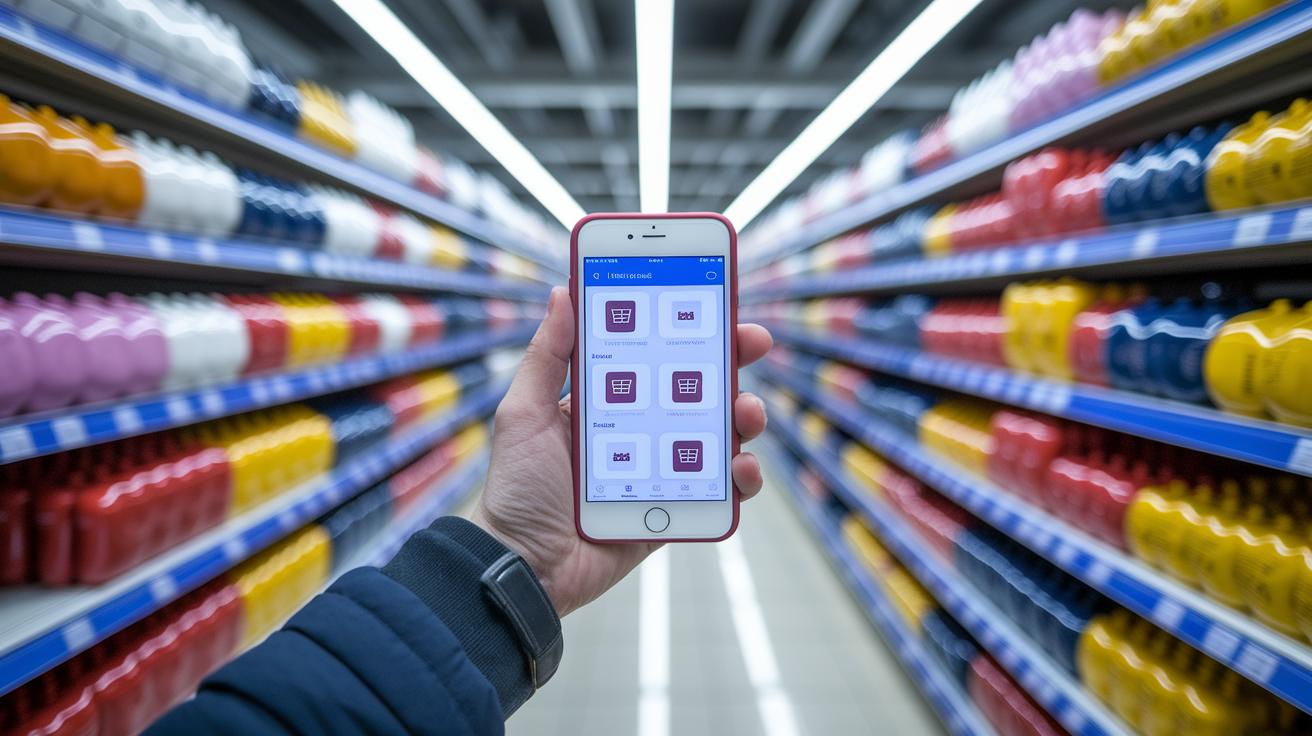
Retail shopping today is all about blending the best of both worlds – the personal touch of in-store shopping and the convenience of online browsing. Omni-channel strategies merge digital screens with physical service, so you never have to repeat your details twice. It’s a smart move that lets you enjoy a connected experience every time.
Mobile commerce is getting even simpler. Think of a smooth app design that lets you check out quickly without any hassle. Real-time updates keep you in the loop, much like having a conversation with a friend about your order. One retailer even mentioned that a single tap on their app moved customers from clicking around to making a purchase in under 30 seconds.
When brands combine mobile efficiency with their overall digital plans, they create a truly unified shopping experience. This approach cuts out extra steps and balances tech with a human touch. The end result is a smart, cohesive system that supports both modern digital trends and classic shopping methods.
Retail Shopping Trends: Predictive Analytics and Future Strategic Planning

By 2025, global spending on retail media ads is set to top $150 billion, a clear sign that brands are leaning hard into data-based advertising. And guess what? About 30% of Americans now discover new products on retail websites, up from 25% in 2020. This tells us that smart brands are diving into digital channels to harvest useful insights, allowing them to design clear, data-backed campaigns that not only forecast customer interest but also catch emerging market trends.
AI-powered forecasting is reshaping how retailers handle everything from inventory to demand planning. By tracking buying patterns, these systems help brands predict shifts in customer behavior and adjust stock levels accordingly. This forward-thinking approach is even more vital when you consider that 76% of European shippers faced major supply chain disruptions in 2024. It really highlights the need for agile operations and the ability to respond quickly when market conditions change.
Looking ahead, the secret to success lies in merging predictive trend analysis with smart strategic planning. Retailers who invest in detailed future insights can craft adaptable strategies that handle both sudden logistics challenges and the ongoing rise of digital discovery. In short, when you blend sharp analytics with a solid strategic framework, you pave the way for a smarter, more resilient future in this dynamic industry.
Final Words
In the action, this article broke down key retail shopping trends, highlighting shifts in consumer behavior, tech innovations, and the blend of online and in-store experiences. It painted a clear picture of personalized services, sustainability preferences, and predictive analytics that drive market evolution.
Each section builds on strategic insights for making timely decisions. The discussion on retail shopping trends leaves us with a positive outlook for advancing smart, data-driven strategies in a dynamic market.
FAQ
What do retail trends for 2025 include?
The retail trends for 2025 point to more online shopping, improved digital tools, and eco-friendly product options. Major experts like Deloitte predict enhanced customer personalization and smoother checkout experiences.
What are the current market trends in the retail industry?
The current market trends in retail mix increased online buying with traditional in-store experiences. Shoppers value free shipping, tailored service, and digital efficiency throughout their purchase process.
What insights does McKinsey provide on retail trends?
McKinsey highlights that retail strategies are shifting toward more digital solutions, improved customer journeys, and data-driven decision-making to meet growing consumer expectations in both online and offline stores.
How are online shopping and consumer buying trends evolving?
Online shopping trends and consumer buying shifts show higher expectations for personalized experiences and free shipping. Consumers increasingly use multiple channels before making purchases, blending digital convenience with physical store visits.
What retail trends are forecasted for 2026?
The forecast for 2026 indicates a further rise in digital integration, smoother customer interaction, and a continued balance between online and physical shopping, aiming for efficient, customer-centric experiences.