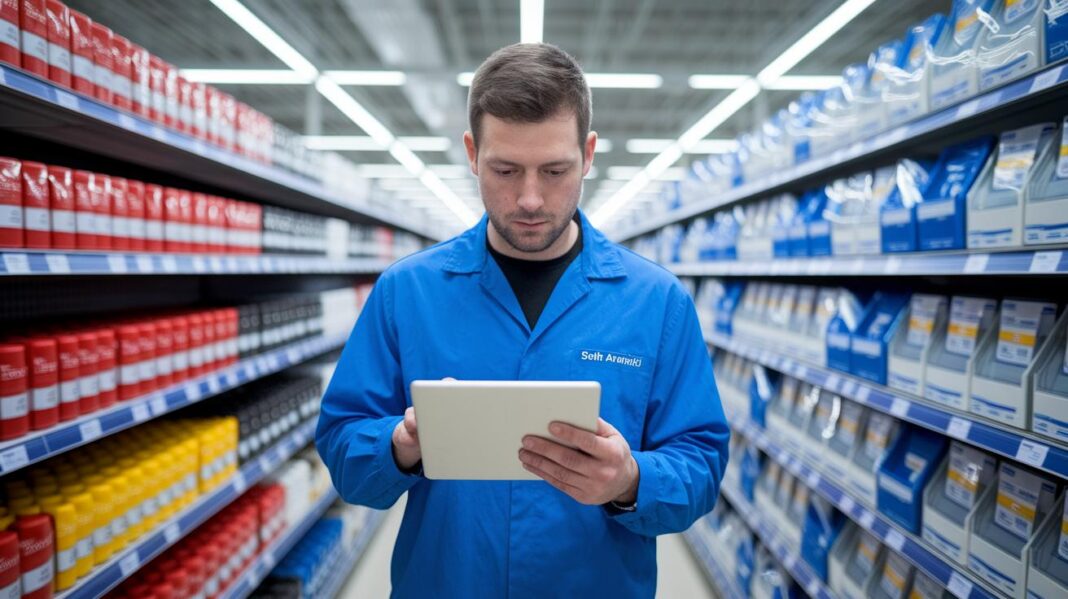
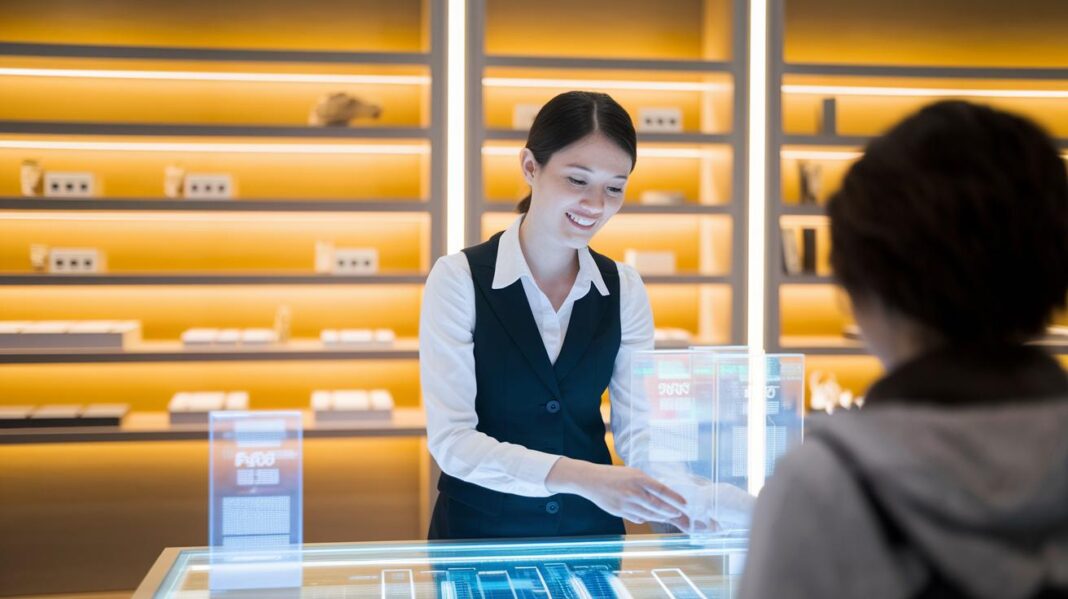
Have you ever felt like shopping could be made just for you? Imagine walking into a store that seems to know your style, offering you the perfect sweater right when you need it.
Retail AI crafts these personalized experiences by adjusting prices, managing stock, and speeding up checkouts behind the scenes. This modern approach transforms everyday shopping into a smooth, tailored journey that consistently leaves customers happy.
How Retail AI Elevates Operations & Shopping Experience

Retail AI makes shopping feel personal by tailoring every interaction to what you need. For instance, imagine a store that checks your past purchases and recommends a cozy sweater on a chilly evening, just what you’d love. It’s like having your own personal shopper who always knows the right moment to suggest something perfect.
Behind the scenes, smart systems are quietly revolutionizing store operations. They use predictive tools to forecast trends and manage stocks with surprising accuracy. This means prices adjust in real time to match demand and competition, keeping the experience smooth and offering you competitive deals without any hiccups.
Stores are also getting creative with in-depth data insights. By studying foot traffic, they can set up displays and promotions that really click with what you’re looking for. And when it’s time to check out, automated systems step in to cut down wait times, making the whole process a breeze.
All of these innovations come together with a smart supply chain strategy. By syncing inventory with customer needs, retailers reduce manual work and ramp up responsiveness. From forecasting to checkout, these AI tools build an integrated retail ecosystem that not only delights shoppers but also drives business efficiency.
AI-Powered Inventory & Supply Chain Optimization
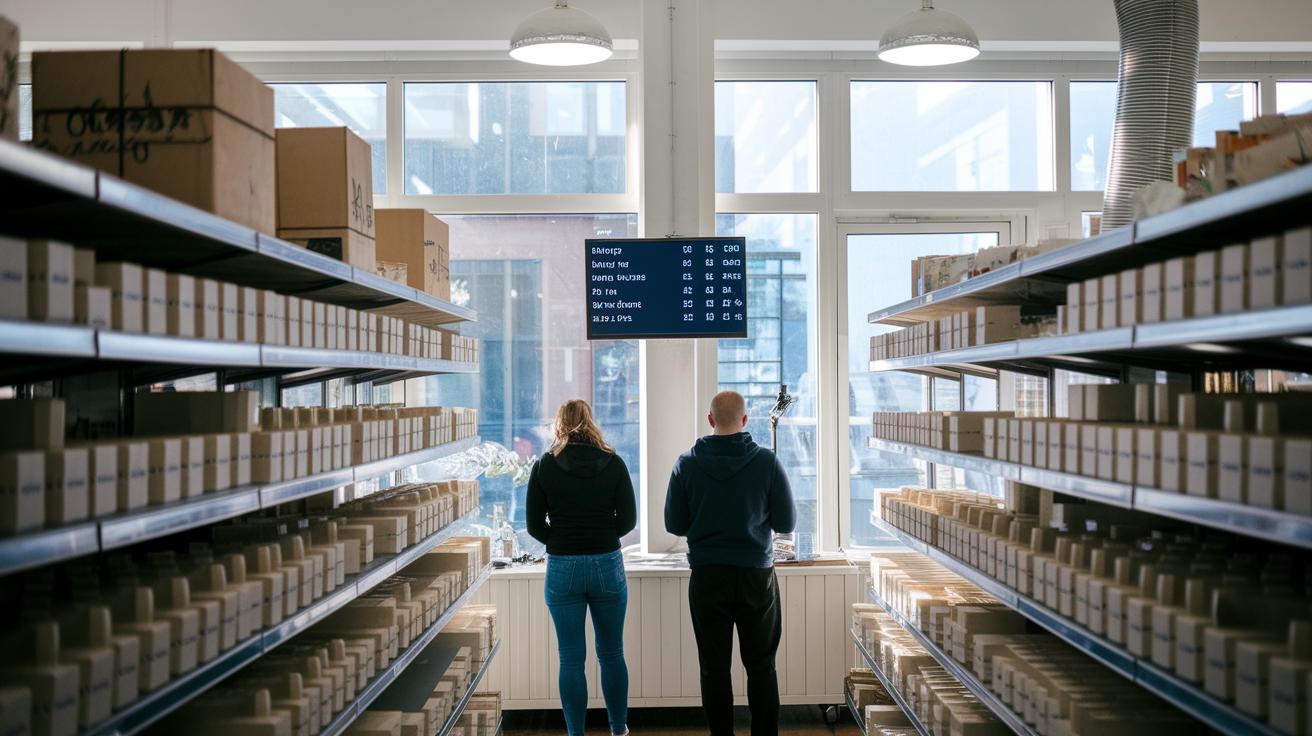
Retailers are now reaping genuine rewards by tapping into AI tools that simplify inventory management. These smart demand forecasting algorithms take into account sales numbers, customer habits, and even what's trending outside, predicting product needs with surprising precision. Imagine a system that warns you a product is about to run low, well before shoppers even catch on, like anticipating a sudden rush on sunhats during an unexpected heatwave.
Digital inventory systems pair up with automated stock replenishment features to keep everything running seamlessly. Think about a neighborhood store where items are restocked automatically as soon as they hit a preset low point. This setup not only cuts down on manual labor, it helps ensure that customers always find the items they love.
An integrated supply chain intelligence strategy is another game changer. By using algorithmic demand sensing, the system adjusts orders based on data from various locations and current market vibes. So, if there's an unexpected spike in demand for casual sneakers in one area, the system quickly flags it, making sure that each outlet gets the extra stock it needs right when it matters.
Retailers can lean into these AI-driven solutions, like those offered in "ai inventory management" at OmegaMarkets.com, to boost their overall efficiency. With hands-off forecasting, digital management, and automatic replenishment, the entire supply chain gets smoother, directly translating to happier customers.
Retail ai Boosts Customer Delight
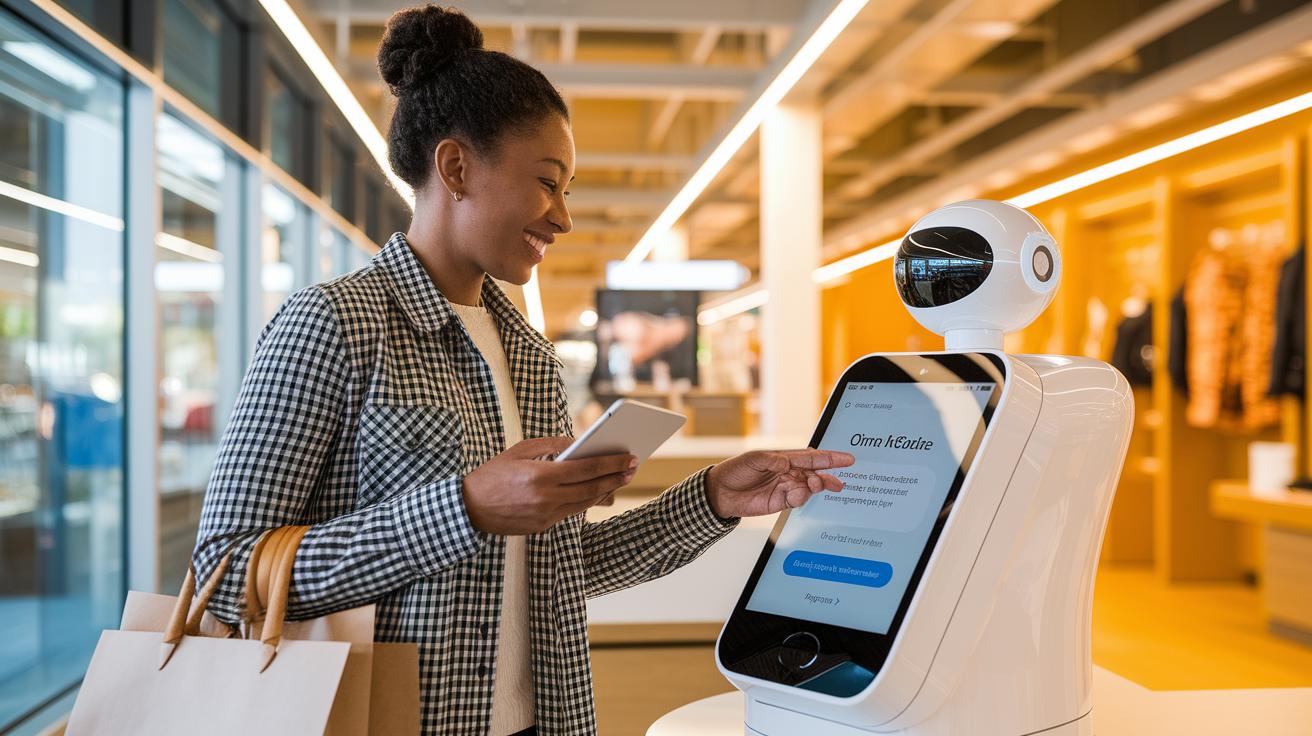
Retail AI is changing shopping into a uniquely personalized adventure for every customer. It’s like having a helpful friend on your side, virtual assistants and chatbots answer questions, solve problems, and guide you whether you're browsing online or exploring in store. Imagine chatting with a bot that asks, "Looking for something new today?" and then immediately pulls up suggestions based on what you've liked before. It’s almost like magic.
This smart shopping helper uses conversational design and advanced AI to create one-on-one interactions that feel natural. When you see recommendations on a website that match your past purchases, it’s not just guessing. It’s real-time insight at work, almost like a personal shopper that knows your style. Picture it: after picking out a cool pair of sneakers, you suddenly get ideas for just the right accessories to complete your look.
Behind the scenes, AI-driven engines analyze how you shop, tracking your clicks and what you buy, to suggest products that really click with you. Retailers map out your journey to ensure every recommendation feels friendly and intuitive. In simple terms, it's all about giving you a shopping experience that's both smart and enjoyable.
Key strategies include:
| Strategy | Benefit |
|---|---|
| Personalized recommendation engines | Offers suggestions based on your behavior, making shopping feel custom-made |
| Chatbot service solutions | Provides instant, interactive help that feels like chatting with a human |
| Conversational commerce platforms | Merges friendly dialogue with digital efficiency for a smooth experience |
This blend of friendly interaction and smart technology makes the shopping experience smoother and more delightful, inviting customers to return again and again.
Automation & Checkout Innovations in Retail AI
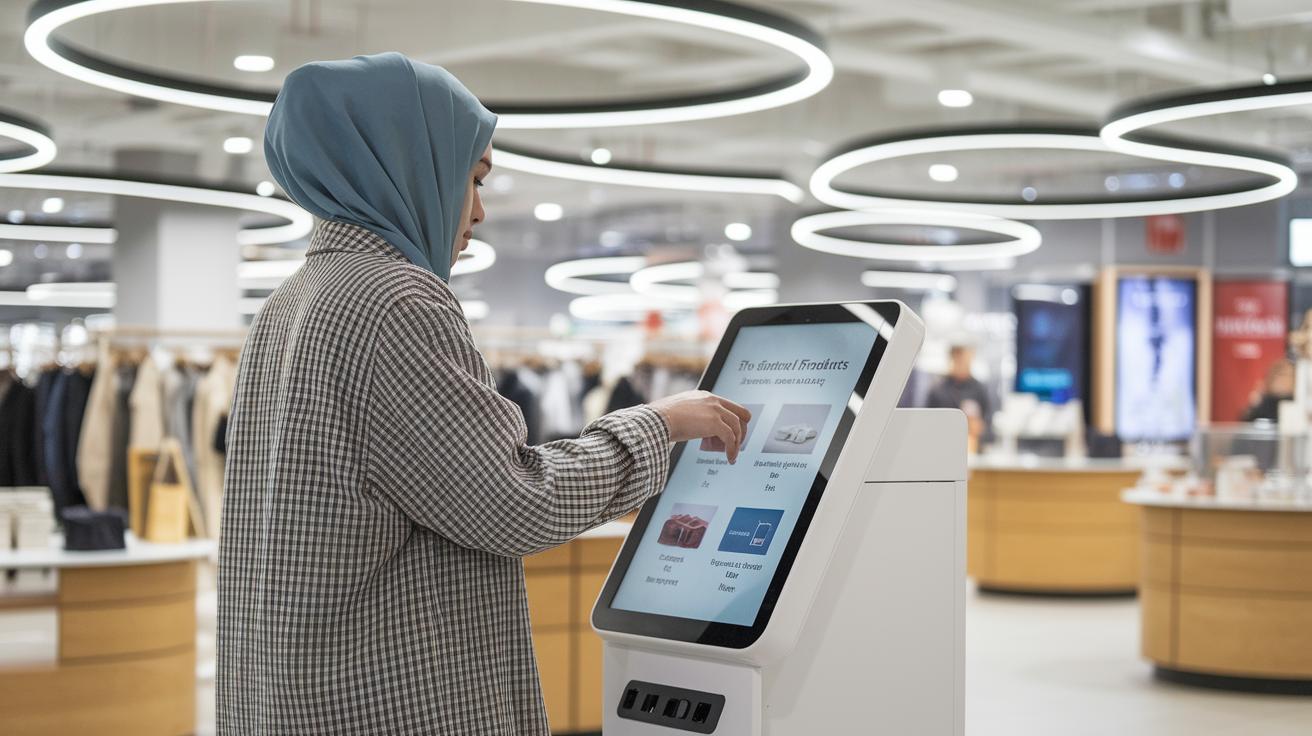
Retailers are quickly embracing automated checkout systems that make transactions faster and cut down waiting times. Picture this: you approach a self-service kiosk that verifies your payment and even suggests products you might love, turning a routine checkout into a smooth and engaging experience. Digital checkout tools have grown smarter by linking up with virtual shopping aides on websites and mobile apps, which means even when you're shopping from home, you get guidance that feels as personal as being in-store.
In many stores today, robotic assistants handle everyday tasks like order verification and payment processing. These systems work alongside friendly customer service teams who keep you updated and answer simple queries through chat, email, and social media. And with voice-activated features built in, you can quickly ask for help and get instant responses, making the whole process feel both fast and familiar.
By easing the load on staff, these smart technologies not only slash waiting times but also boost overall efficiency. With the seamless blend of advanced checkout automation and self-service kiosks, retailers are raising the game for convenience and customer service, ensuring that each shopping experience is both smooth and enjoyable.
In-Store Analytics & Intelligent Store Technology
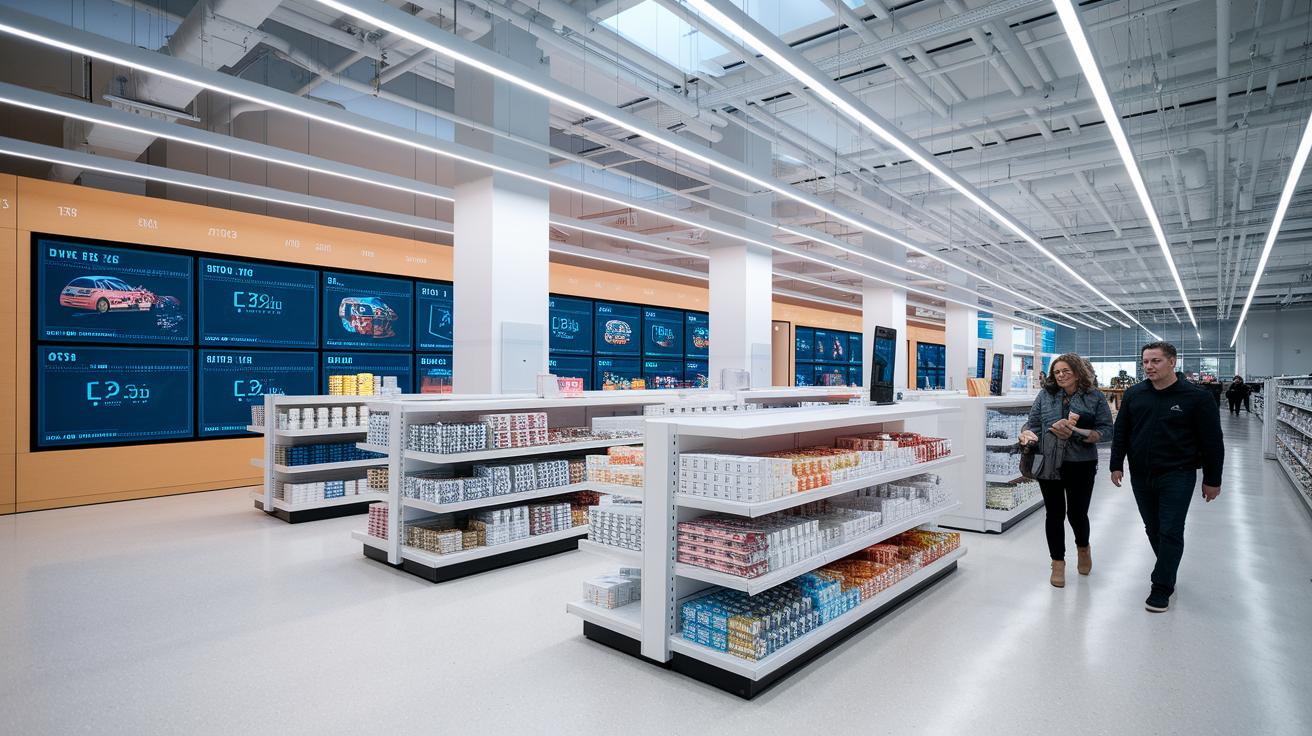
Brick-and-mortar stores are getting a tech makeover by making every inch work harder. Retailers now use real-time data to figure out the best spots for products. For example, shelf systems check sales, foot traffic, and inventory to decide the perfect placement and instantly update promotions. Imagine a shop that shifts its layout almost instantly when a product suddenly becomes popular, pretty neat, right? This quick response depends on smart analytics tools that turn simple numbers into useful retail moves.
On the operations side, technology is also making a big difference. Frontline staff can now use a unified digital assistant to access store procedures, manage incidents, and check inventory without jumping between different systems. It’s like chatting with a real-time helper that keeps everyone in sync. Multichannel platforms gather data from every customer interaction, both online and in-store, so nothing gets missed.
Interactive digital signage takes customer engagement up a notch. These displays not only flash the latest offers but also change their content on the fly based on live data insights. By connecting these signs with in-store analytics, retailers can fine-tune customer groups, adjust pricing dynamically, and even catch fraud before it becomes a problem. In short, combining intelligent store tech with advanced analytics creates a shopping environment designed to impress every customer.
Retail AI Trends & Emerging Solutions
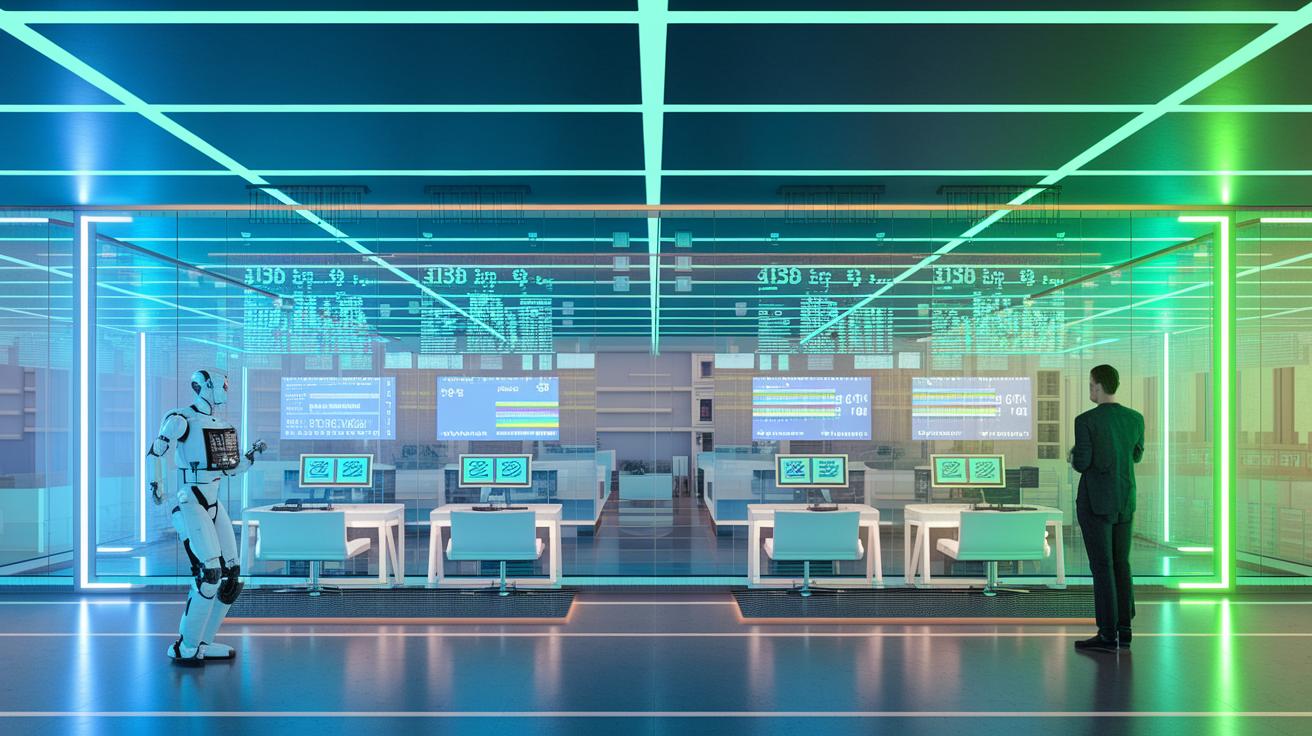
Retailers are quickly moving from testing AI to making it a core part of how they run their businesses. Smart systems now handle tasks like setting prices, keeping track of inventory, chatting with customers, and even managing their supply chains without needing a human to step in. Picture a system that tweaks discount rates in real time when demand suddenly spikes. In one case, a flash sale pumped up orders by 50% in just two hours. That’s the kind of impact predictive shopping trends can deliver.
Models that predict trends are getting a major upgrade with fresh, live market data. These insights help retailers adjust campaigns, shift budgets, and even plan flash sales as shopping habits change. Plus, by analyzing past purchases and live engagement, advanced consumer profiling fine-tunes offers like personalized pricing and promotions. It’s like having a smart guide that helps brands connect with customers more personally.
New AI tools keep upping the game. Retailers now use systems that not only adjust prices on the fly but also refine how products are presented, all based on ever-changing trends. By tapping into real-time insights, they can make quick, informed choices that boost customer engagement and drive more efficient business operations.
Best Practices & Tools for Implementing Retail AI

Imagine you're a retailer about to dive into AI. The best starting point is a focused pilot project in areas where you can see real returns, like personalized marketing or managing your inventory better. For example, one local shop ran an AI-guided campaign that boosted its conversion rates. It was a small test, but it showed big promise, offering a clear way to scale up later.
Getting your data right is crucial. When your data is clean and well-documented, AI models become more transparent and easier to understand. Plus, with solid data governance, you'll notice cost-saving opportunities as your digital strategy sharpens.
Choosing the right AI tools and trusted partners is a game-changer. New automation solutions can handle the routine tasks without losing that personal touch. And when you see transformation stories from peers, it’s reassuring and practical, proof that the approach works in the real world.
It’s also important to keep an eye on your systems. Even the best AI can fall behind as market trends shift. Regularly review your performance metrics and fine-tune the systems based on real feedback from your team and operational data.
Key tactics include:
- Targeted pilot projects
- Systematic data governance
- Ongoing performance tracking
- Strategic selection of specialized tools
Final Words
In the action, we explored how retail ai transforms operations, from predictive analytics to real-time pricing and personalized shopping. We saw AI-driven inventory forecasts, checkout innovations, and store insights that simplify tasks and improve customer engagement. Each section showed clear benefits and actionable strategies for smarter decision-making. The discussion emphasized automated processes and individualized experiences that support sustained growth. Embrace these insights for a future where smart data meets heightened customer satisfaction.
FAQ
What is retail in AI?
The concept of retail in AI refers to using advanced digital tools that analyze sales data, optimize inventory, and personalize shopping experiences to streamline operations and boost customer satisfaction.
Is AI replacing cashiers?
The idea behind AI replacing cashiers involves automating tasks like self-checkout and price scanning, yet human staff remain integral for customer support and complex service needs.
How to use AI in a retail store?
Employing AI in a retail store means integrating systems for inventory forecasting, personalized marketing, dynamic pricing, and self-service checkouts to streamline tasks and enhance the shopping experience.
How is Zara using AI?
Zara applies AI to analyze customer behavior, manage inventory, and adjust store layouts, using data-driven insights to improve product recommendations and overall operational efficiency.
What is a retail AI chatbot?
A retail AI chatbot is a digital assistant that answers customer inquiries, guides product searches, and processes transactions using natural language processing to create a more engaging shopping experience.
What are retail AI companies?
Retail AI companies specialize in developing software that leverages data analytics, automates inventory management, and personalizes marketing efforts for improved operational efficiency and customer service.
What are key features of retail AI platforms?
Key features include voice-enabled interfaces, secure login portals, and integration with search and communication tools, all designed to streamline operations and enhance customer engagement.
What do retail AI careers involve?
Retail AI careers involve roles focused on creating and managing smart systems that analyze customer data, optimize inventory, and personalize experiences, blending technology expertise with retail insight.