
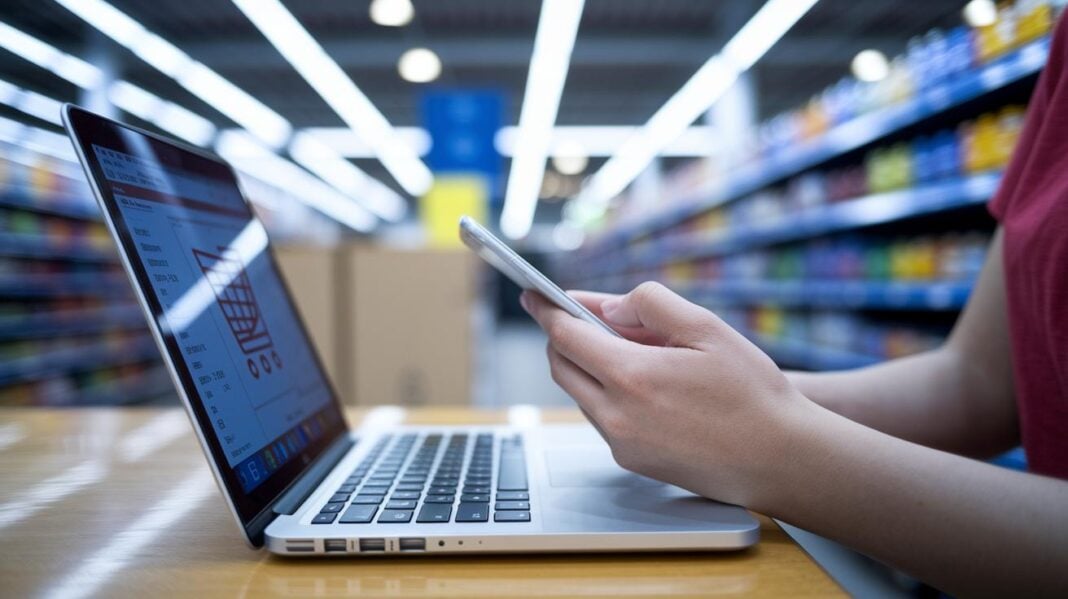
Ever thought shopping could be this easy? Today, you can enjoy the perfect mix of online convenience and a personal in-store feel. Retail trends now blend both worlds, turning everyday buying into a smooth, interactive experience.
Your smartphone becomes your go-to helper, making it simple to check prices, read reviews, and breeze through checkout. With features like in-store pickup and real-time personalization, every step feels just right. Dive in to see how these innovations are sparking excitement and reshaping the way we shop.
How Omnichannel Retail Trends Deliver a Seamless Shopping Journey

Retail is shifting fast. Today, shopping feels like one continuous experience that bridges the ease of online browsing with the tangible feel of walking into a store. Retailers are now mixing digital and physical channels, think buying online and picking up in store, curbside pickup, or even click-and-collect, to give customers a flow that’s as smooth as it is simple.
Smartphones have become our trusty sidekicks in this shopping journey. They’re not just for calls anymore; they help us compare prices, read reviews, and check out safely. And with social commerce growing, you’ll find in-app checkouts and live events turning shopping into an interactive, fun experience. By using smart, real-time personalization powered by AI, retailers tailor every step of your journey to feel just right.
Behind the scenes, businesses are fine-tuning their systems too. A unified backend that docks order processing, inventory control, and payments means that whether you’re eyeing something online or picking it up in person, every detail is covered. Fast delivery options and perks like free returns or shipping keep customers coming back. Everywhere you look, local offers and targeted promotions are making sure that what’s on display is exactly what you want, right when you want it.
Key trend categories in today’s omnichannel world include:
- Hybrid shopping models that blend online and in-store experiences
- Mobile commerce driven by smartphone interactions
- Social commerce with live events and seamless in-app checkouts
- AI-powered personalization that uses first-party data for a custom touch
- Localized campaigns and promotions created with regional tastes in mind
Hybrid Shopping Models and Fulfillment Innovations in Omnichannel Retail
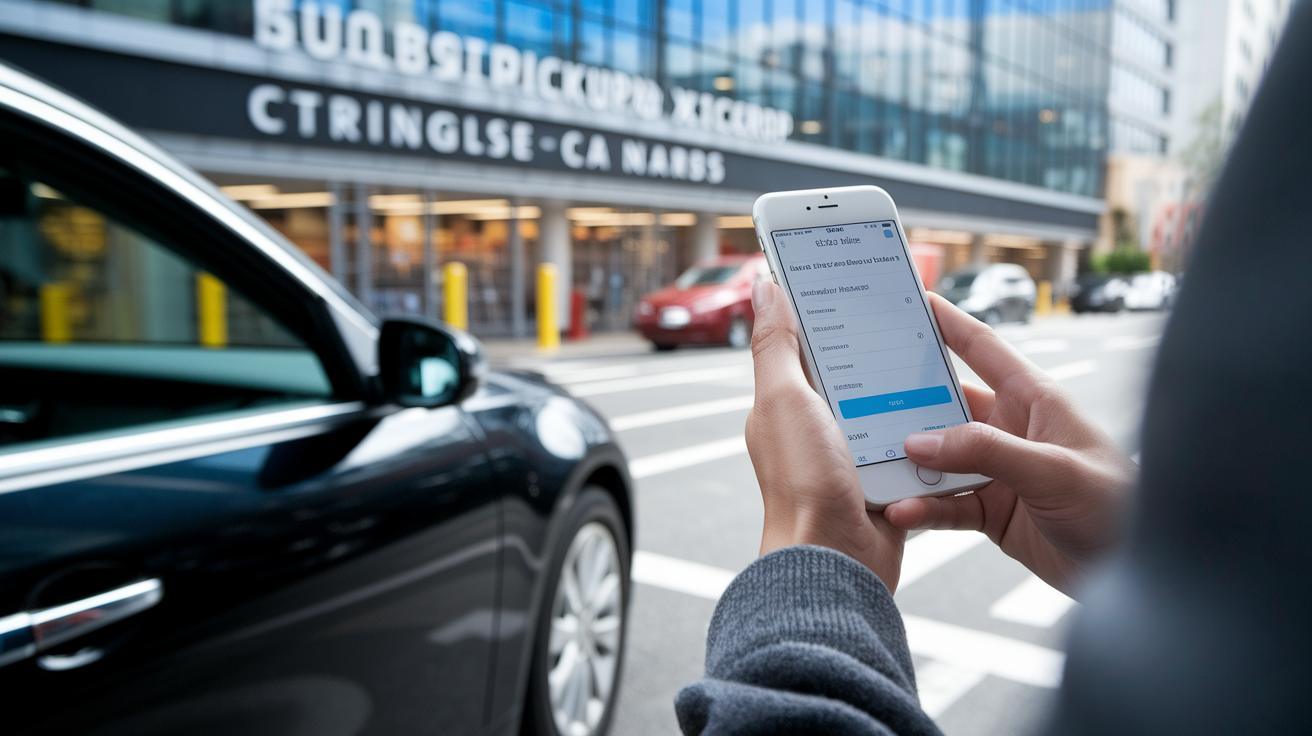
Hybrid shopping models such as buy online pick up in-store, click-and-collect, and curbside service are completely changing the way we shop. In 2024, about 97.2 million Americans, roughly 34.2% of all consumers, used the buy online pick up in-store option to skip long shipping waits. This method also cuts down on last-mile costs by letting stores handle orders right away. Plus, with 84% of shoppers drawn to free shipping and 65% loving easy returns, it's clear that speed and convenience really matter.
This blended approach mixes online ease with the friendly feel of a physical store. By using click-and-collect and BOPIS methods, retailers not only see a jump in conversion rates but also boost customer satisfaction. Curbside pickup adds an extra layer of speed and safety, making the whole process even smoother. Imagine ordering your favorite item online and picking it up moments later at your local store, it's a smart merge of digital and in-person service that excites customers and keeps them coming back.
| Fulfillment Option | Speed | Cost | CSAT Impact |
|---|---|---|---|
| BOPIS | Fast | Moderate | High |
| Click-and-Collect | High | Low | Very High |
| Curbside Pickup | Quick | Low | High |
Mobile Commerce and Social Selling Shaping Omnichannel Retail
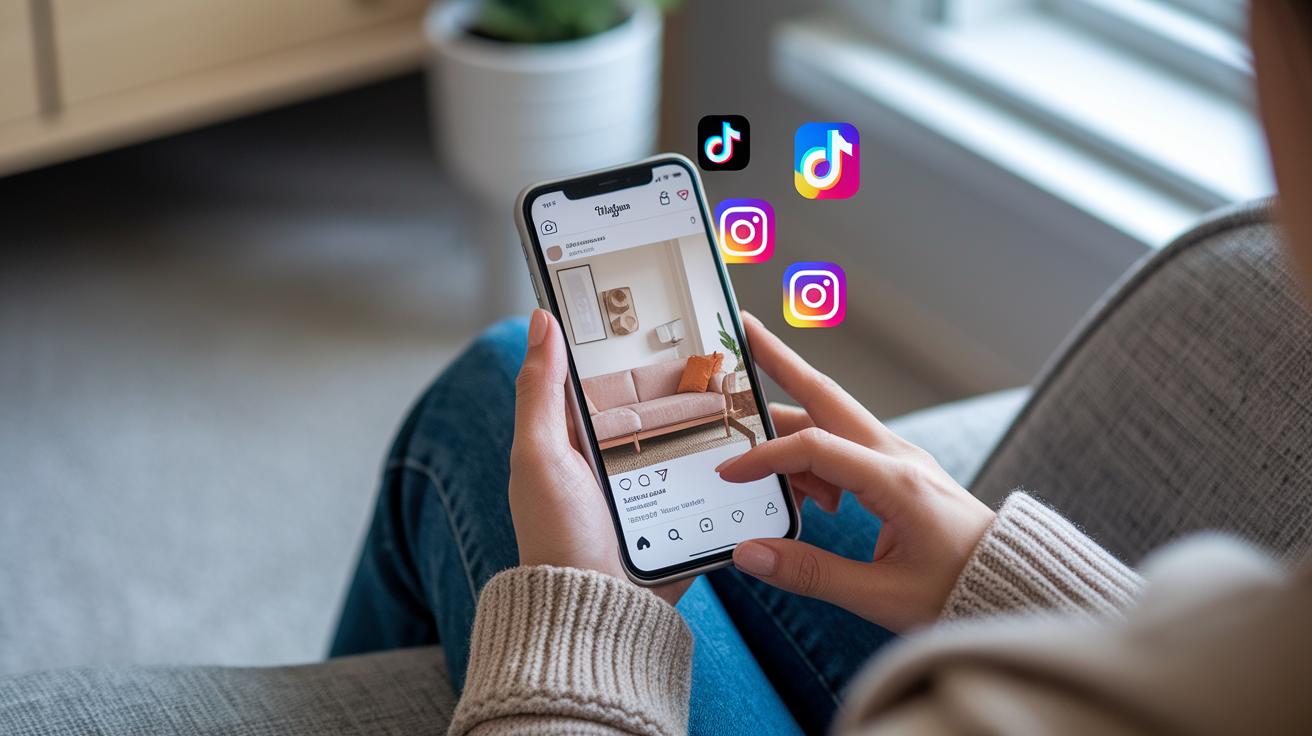
Smartphones now lead the way in shopping, blending online convenience with real-life experiences. By 2027, mobile orders might make up 62% of all ecommerce sales because we’re using our devices not just to look for products, but to check out securely as well. Social selling is also on the rise. Think live shopping events and curated collections by influencers that turn casual browsing into a lively buying experience. Retailers are tapping into platforms like TikTok, Instagram, and Facebook, meeting consumers exactly where they are, and making both discovery and purchase as smooth as possible.
This mix of mobile commerce and social selling builds a vibrant ecosystem that makes shopping easier and more engaging. It gives brands a chance to offer a shopping experience that truly feels unified, personal, and fun. Key features driving this blend include:
| Feature | Description |
|---|---|
| In-app Checkouts | Simplifies transactions so buying feels effortless. |
| Live Shopping Events | Brings the buzz of store experiences to your screen. |
| Influencer-Curated Collections | Builds trust and style by showcasing trusted picks. |
| Real-Time Inventory Updates | Keeps shoppers informed on what’s available right now. |
| Personalized Notifications | Delivers timely offers just when you need them. |
| Seamless App-to-Store Integration | Connects online browsing with in-person buying in a natural way. |
Together, these trends create a shopping journey that’s not just fast and efficient, but also delightfully personal and engaging.
AI-Driven Personalization and Data Utilization in Omnichannel Strategies

Artificial intelligence is shaking up retail by making product suggestions smarter, pricing more flexible, and chatbots feel like a helpful friend at every step. With 73% of shoppers expecting more AI-driven interactions, retailers are now tapping into their own data from loyalty programs, mobile apps, and even in-store actions. This new approach means moving away from old third-party cookies, so every interaction feels timely and truly personal.
Take, for example, a leading fashion retailer that completely transformed its digital experience. They swapped out outdated data methods for a centralized system that watches customer behavior in real time. This shift allowed them to fine-tune pricing strategies and match offers with each customer's browsing history and in-store trends. The result? A clear jump in conversion rates and order values, showing that blending technology with smart data can really drive sales.
Key ways AI is used in these omnichannel strategies include:
- Dynamic Pricing: Adjust prices automatically based on current demand and market trends.
- Smart Product Suggestions: Recommend products that match what customers are browsing or have bought before.
- Advanced Chatbot Support: Offer instant, context-aware help throughout the shopping journey.
- Contextual Customer Engagement: Serve personalized promotions using up-to-the-minute customer insights.
Unified Commerce Platforms and Technology Integrations

Unified commerce platforms are reshaping how retailers run their operations. They pull together inventory, orders, and payments so everything feels seamless, whether you're shopping online or in a store. Imagine it like a central hub that keeps every detail in check, making each transaction smooth and uniform. This setup not only keeps every touchpoint in sync but also helps retailers adjust quickly to changing customer needs.
Cloud-based retail management takes things a step further by offering scalability and the kind of real-time insights that matter. Integrated point-of-sale systems now bridge the gap between physical stores and digital channels, cutting stock shortages by up to 30% and boosting order accuracy. With all this information lined up neatly, businesses can fine-tune their supply chains and operations while keeping errors to a minimum.
The magic really happens when advanced back-end systems meet practical front-end tools. Connecting cloud platforms with integrated POS systems streamlines day-to-day tasks and offers a clear window into consumer behavior and inventory levels. In short, this robust digital ecosystem helps retailers make smarter choices and build trust by offering consistently reliable service.
Callout Diagram of Data Flow:
                [Customer Orders]
                        │
         [Unified Commerce Platform]
                        │
  ┌─────────────┬─────────────┬─────────────┐
  │             │             │             │
[Inventory] [Order Processing] [Payments] [Real-Time Data]
  │             │             │             │
  └─────> [Integrated POS & Cloud Retail Management] <─────┘
Flexible Fulfillment, Shipping, and Returns as Competitive Advantages
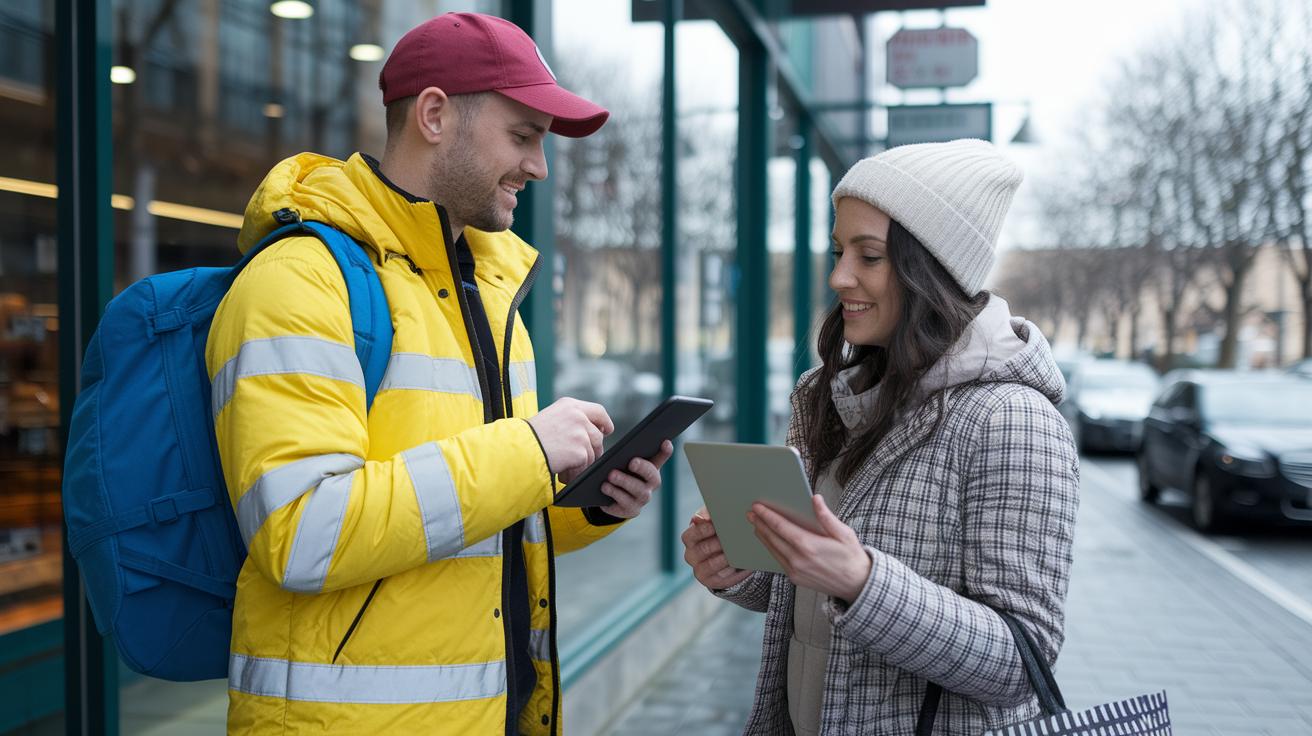
Modern fulfillment options like same-day delivery and in-store pickup meet customer demands and boost your bottom line. Think about it: digitizing the supply chain can cut stockouts by 25%, thanks to real-time inventory insights that keep orders flowing smoothly. And with return options that cover every sales channel, something 76% of shoppers appreciate, businesses can boost sales while reducing hassle.
Smart inventory control and easy return policies help top retailers stand out even more. When refunds are processed quickly, it not only saves costs but also lifts conversion rates. In fact, many studies show that businesses investing in flexible fulfillment enjoy both loyal customers and a strong ROI.
| Fulfillment Option | Speed | Cost Efficiency | ROI Impact |
|---|---|---|---|
| Same-Day Delivery | Very Fast | Moderate | High Impact |
| In-Store Pickup | Fast | Low to Moderate | Boosts Conversions |
| Omnichannel Returns | Streamlined | Cost-Effective | Higher Retention |
| Digitized Supply Chain | Rapid Response | Efficient | Reduces Stockouts 25% |
| Real-Time Inventory Insights | Instant | Optimized | Improves Order Accuracy |
Localization and Hyper-Personalized Customer Experiences
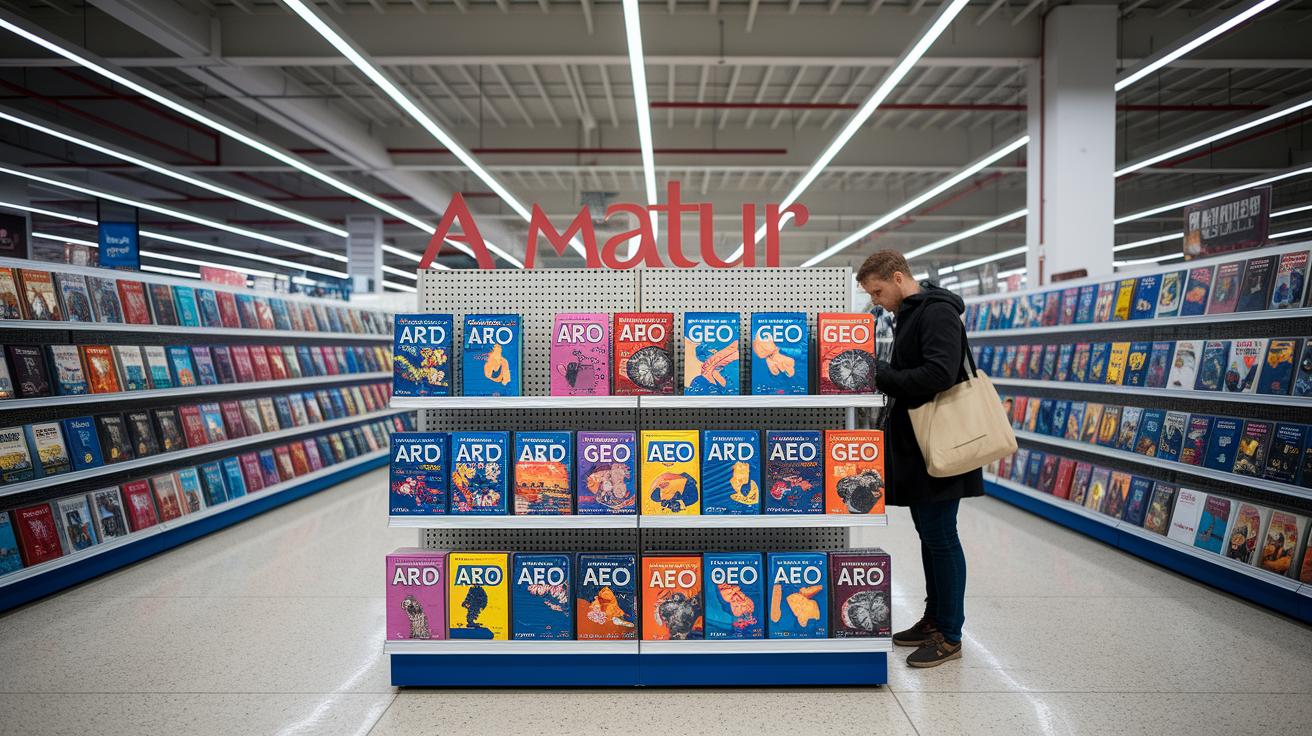
Retailers are getting creative by zeroing in on local trends to offer experiences that really hit home. They’re mixing regional offers and locally inspired inventory to connect with customers on a personal level. Using geo-targeting paired with insights from past purchases, they craft deals that feel both timely and relevant. This smart approach not only caters to varied consumer needs but also builds a deeper bond with local communities.
On the physical side, stores are evolving too. Imagine walking into a space that features local art, themed displays, and even community events. This blend of digital ease and hands-on, culturally rich design makes shopping more engaging and makes customers feel right at home.
| Tip | Description |
|---|---|
| Regional Promotions | Offer deals that tie in with local festivities and traditions. |
| Geo-Targeted Campaigns | Use location-specific insights to create offers that feel tailor-made for each community. |
| Customized Product Assortments | Stock products based on what local shoppers tend to buy. |
| Localized Store Design | Create environments that mirror the local culture and encourage community interaction. |
Omnichannel retail trends Spark Consumer Excitement

Before launching a seamless in-store and online experience, retailers need to plan in detail. Start by breaking down customer groups and picturing every step of their buying journey. This way, you can see which channels truly grab your customers’ attention and shape your strategy to match their needs.
Next comes choosing technology that bridges your digital and physical worlds. Look into tools like integrated messaging, inventory tracking, and even AI-powered helpers. Testing these technology options on a small scale first helps uncover which systems work best without risking too much. It’s a smart way to fine-tune your approach before full-scale rollout.
After a successful test phase, it’s time to track performance. Using real-time data, you can keep an eye on metrics like customer satisfaction and the percentage of visitors turning into buyers. Constant measurement means you can tweak your tactics based on what shoppers are really doing.
Finally, continuous improvement is key. Regular testing and small adjustments help you polish your process and expand on what works. This five-step plan gives you a flexible strategy that adapts to the ups and downs of every market.
Key steps for effective omnichannel implementation:
| Step | Action |
|---|---|
| Planning | Break customer groups and map their journey |
| Technology Selection | Pick tools for messaging, inventory, and automation |
| Pilot Testing | Run small tests to identify what works best |
| Performance Tracking | Monitor data like satisfaction and conversion rates |
| Continuous Optimization | Make regular tweaks to refine your strategy |
For more insights on shaping your digital retail strategy, check out the ecommerce strategy at https://omegamarkets.com?p=469.
Final Words
In the action, we explored hybrid shopping models, mobile commerce shifts, AI personalization, unified platforms, and localized customer experiences through real-world examples and practical steps.
• Hybrid fulfillment innovations
• Mobile and social commerce evolution
• AI-driven personalization
• Unified platform integration
• Localized customer strategies
Each point offers clear guidance for retailers eager to refine strategies and seize on emerging opportunities. Embrace these omnichannel retail trends for smarter, agile decision-making and a more seamless customer journey.
FAQ
What are some examples of omnichannel retail trends, including recent years?
Omnichannel retail trends include click-and-collect, BOPIS, curbside pickup, mobile commerce, social selling, and AI-driven personalization. These examples have evolved in recent years such as 2021, 2022, and ahead to 2025.
How does omnichannel retailing differ from multichannel retailing?
Omnichannel retailing means providing a seamless, unified customer experience across all touchpoints, unlike multichannel retailing where channels work separately, resulting in varied customer interactions and outcomes.
What are the 4 C’s and pillars of omnichannel retailing?
The 4 C’s often refer to channels, consistency, connectivity, and customer engagement, while some models emphasize unified commerce, personalized experiences, flexible fulfillment, and integrated data management as key pillars.
What defines an effective omnichannel retail strategy?
An effective omnichannel retail strategy integrates online, mobile, and physical channels by creating a consistent, personalized customer journey, unifying inventory systems, and offering fast, flexible fulfillment to enhance satisfaction.
What is the future outlook for retail omnichannel shopping by 2030?
Retail omnichannel shopping is projected to further incorporate AI personalization, mobile integration, and unified commerce. Customers can expect streamlined operations, hyper-personalized experiences, and faster fulfillment as standard features.