

Have you ever considered that your phone might become your go-to shopping companion? With mobile transactions expected to hit over 70% of all purchases by 2025, the shift is happening quickly. Cheaper devices and faster internet have made it possible for people to shop any time and anywhere. This trend is filling the air with excitement, as smartphones transform into powerful tools for buying. In this post, we take a closer look at how mobile shopping is gaining popularity and the benefits it offers both buyers and sellers.
Mobile Shopping Trends Spark Consumer Excitement
More than 70% of global online purchases are set to happen on smartphones by 2025. This fast-changing reality shows just how quickly digital commerce is evolving. Cheaper devices and more high-speed internet access mean people can shop quickly no matter where they are. For example, by 2025 mobile sales will top $4 trillion, making up 59% of all online retail transactions. Wow, that's a huge shift!
Smartphone use is exploding, with over 4.8 billion users worldwide. In the United States, 76% of adults have already made a purchase on their phones. It’s clear that mobile shopping has become a permanent part of how we shop. Around 1.65 billion people shop via mobile devices – that's about 30% of the world's digital consumers. These numbers are powerful signals to businesses as they fine-tune their mobile strategies.
| Statistic | Figure |
|---|---|
| Global Mobile Transactions (2025) | 70%+ |
| Projected Mobile Commerce Volume (2025) | $4 Trillion+ |
| Global Mobile Shoppers | 1.65 Billion |
| Global Smartphone Users | 4.8 Billion+ |
| US Mobile Shoppers (Adults) | 76% |
Mobile transactions are booming, and innovative shopping apps are making the buying process even smoother. With more smartphones in every pocket and digital pathways constantly evolving, mobile commerce is firing up consumer excitement around the globe.
Understanding Mobile Shopper Behavior and Preferences

Mobile buyers are changing the way we shop online. In the United States, 76% of adults have used their smartphones for purchases. And if you look at those under 50, 92% depend on mobile devices for everyday transactions. It’s clear that younger shoppers love the flexibility that mobile commerce offers.
Nearly 60% of consumers prefer shopping apps over mobile websites because apps provide smoother navigation and quicker checkouts. For example, one user shared, "I switched to an app because it makes ordering so quick and hassle-free." Such feedback shows how a well-designed mobile app really makes a difference.
Price comparison plays a big role in the mobile shopping journey, too. Around 49% of online shoppers worldwide check in-store prices on their smartphones, and in North America, that figure climbs to 72%. It isn’t just numbers, it shows how mobile analytics can shape buying decisions.
Yet, even with all its perks, mobile shopping hits a snag at checkout. With a cart abandonment rate of 75.5%, which is 5.31% above the global average, many shoppers stumble right at the end of their purchase. This insight pushes retailers to refine the checkout process, ensuring every step feels seamless and secure.
Technological Innovations Shaping Mobile Commerce
Artificial intelligence is changing mobile shopping in a big way. It looks at your habits and suggests items that really match your style. One customer mentioned, "I loved how the app predicted what I needed even before I searched." This kind of personal touch makes browsing more fun and can even turn a quick look into a real purchase.
Augmented reality is also shaking things up by letting you see products in your own space. Imagine using an app to check if a new sofa fits in your living room or to see how a makeup product looks on you before buying it. It’s like having a virtual try-on room right on your phone. And with the rise of virtual reality, you can now tour digital shops and try products virtually, almost like stepping into a store without leaving home.
Voice commerce is taking convenience up a notch by making searches and buying easier. With voice assistants like Siri and Alexa, you can simply speak your order. Picture saying, "Order my favorite coffee blend," and having it done in a flash. This smart feature saves you time and avoids those little mistakes that can happen when typing.
Mobile chatbots add even more ease by offering real-time support. These virtual helpers answer your questions instantly and guide you through the checkout process. They make solving problems quicker and even help reduce costs. Plus, timely push notifications remind you of special offers and discounts, prompting you to take advantage of a deal right then and there. All these innovations are working together to turn mobile shopping into an even smoother, more enjoyable experience.
UX and Design Trends in Mobile Shopping Apps

Today’s shopping apps are designed with clean, simple screens that help you focus on what really matters, shopping. Picture an app with a neat layout that feels custom-made for you. One user even said, "The streamlined design makes it feel like the app was tailored just for me."
Speed matters, too. One-click ordering cuts out the hassle of filling forms and lets you buy your favorite items in seconds, just tap and go, like grabbing a snack on a busy day.
These apps also pay attention to every customer by offering multilingual options and accessibility features. Whether you speak Spanish or need a screen reader, the experience stays smooth and effortless.
No matter which device you use, a consistent design means you can pick up where you left off. Start shopping on your phone and finish on your tablet without missing a beat.
Fast load times are a priority as well. Quick page responses mean less waiting and more time enjoying your shopping, turning casual browsing into real purchases.
| Feature | Description |
|---|---|
| Clean, minimalistic layout | Simple screen design that keeps things focused |
| One-click ordering | Quick purchase process without extra steps |
| Multilingual and accessibility support | Options for diverse language needs and assistive tools |
| Consistent cross-platform design | Seamless shopping experience across all devices |
| Fast load times | Quick responses to keep you engaged and buying |
Marketing Strategies Driving Mobile Shopping Engagement
By linking mobile wallets with straightforward payment gateways, mobile shopping is now easier than ever. These integrations have boosted average transaction values to around $120. One customer shared, "Using my mobile wallet, I completed a purchase in seconds, it’s all so simple." This snappy process motivates shoppers to finish their transactions quickly, driving up revenue per sale.
Geo-targeted push notifications and in-app offers are also making a big splash. They steer potential buyers to both online and brick-and-mortar stores. Imagine receiving a message like, "Flash sale in your area, grab your favorite item today!" These timely alerts spark immediate interest and help increase foot traffic while building strong local connections.
Social commerce is another key player in enhancing mobile shopping. Research shows that 62% of shoppers make purchases after spotting products on social platforms. Think about scrolling through your feed and stumbling across an irresistible offer, that’s the power of social media in nudging buying decisions.
Omnichannel practices bring everything together seamlessly. Today’s consumers can browse on their phones and then switch to another device to complete a purchase, ensuring a smooth experience no matter where they are. This cohesive approach makes the entire shopping journey feel natural and connected.
Mobile loyalty programs and rewards add even more value. These strategies encourage repeat purchases and increase customer lifetime value by making shoppers feel truly appreciated. One user remarked, "I love earning points when I shop via the store’s app, it’s a win-win." Together, these marketing techniques are fueling higher engagement and robust sales in the mobile commerce space.
Future Outlook and Emerging Patterns in Mobile Shopping Trends
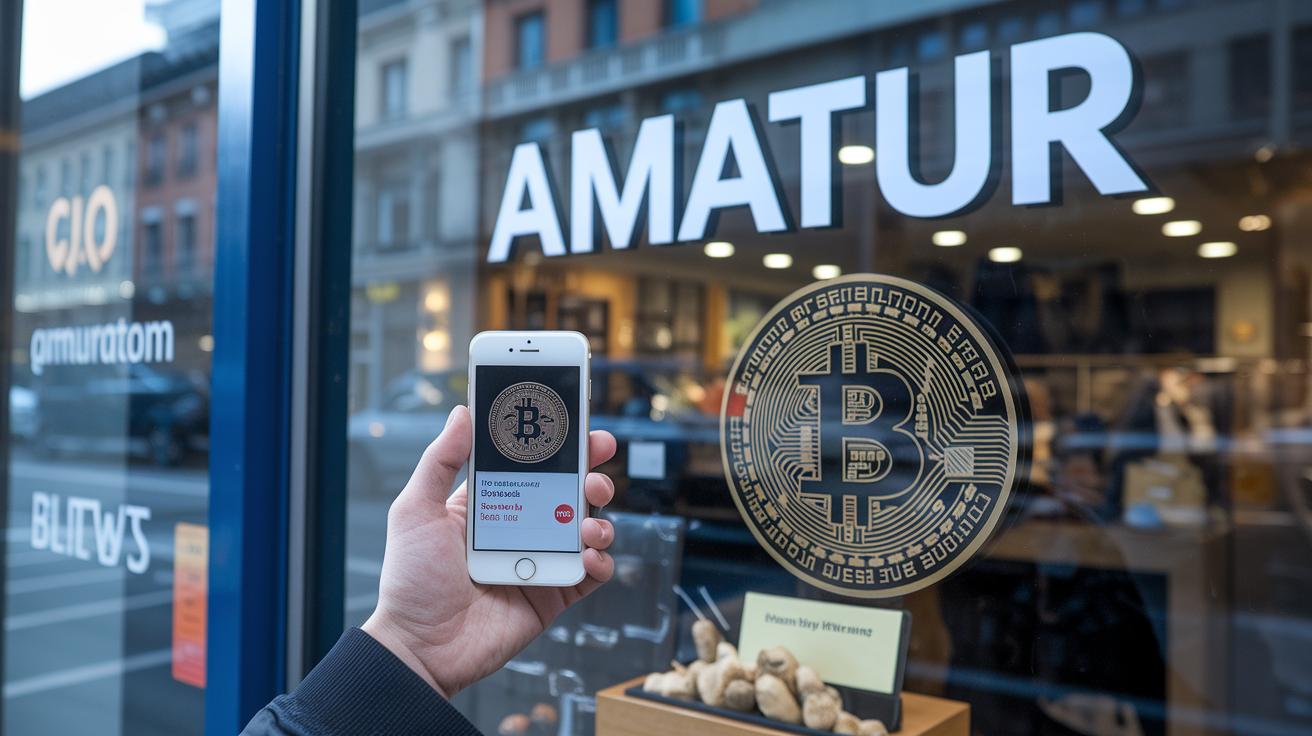
New technologies, like blockchain, are ready to change how we shop on our phones. Imagine buying something and knowing it’s backed by an invisible seal of security, a little nod to trust with every swipe.
The shift to 5G promises to turn mobile shopping into a real-time experience. Picture scrolling through a bright, live digital storefront with every tap delivering instant results, even when the crowd is heavy.
In emerging markets, digital habits are evolving quickly. Shoppers in these fast-changing areas are now using mobile devices that focus on both speed and safety, making each purchase feel smooth and secure.
Looking ahead, new rules on data privacy could soon reshape how retailers handle your information. Think of it as a fresh set of standards that pushes brands to protect your data more carefully than ever before.
Final Words
In the action, mobile shopping trends are pushing e-commerce forward with a mix of impressive growth, evolving shopper behavior, and fresh design innovations. Key sections explained how rising mobile transaction volumes and improved user experiences are transforming buying habits. We saw how technology, from voice-activated help to intuitive app designs, creates smooth experiences while smart marketing drives engagement. Looking ahead, the market holds promising shifts that empower businesses and simplify shopping. It’s an exciting time as mobile shopping trends continue to open up opportunities for all.
FAQ
What do current mobile shopping trends and stats indicate?
The mobile shopping trends and statistics indicate rapid growth. Reports from 2021 and 2022 show increased mobile purchases, with forecasts expecting mobile transactions to exceed $4 trillion by 2025 as smartphone usage expands.
What is mobile commerce?
Mobile commerce is the process of buying products or services through smartphones and tablets. It uses dedicated apps or mobile websites to offer consumers an on-the-go, streamlined shopping experience.
What mobile commerce trends are predicted for 2024?
The mobile commerce trends predicted for 2024 include more AI-driven personalization, enhanced voice-enabled transactions, and augmented reality experiences. These trends focus on making mobile shopping more efficient and engaging.
What are the latest buying trends and how do they relate to Gen Z online shopping behavior?
The latest buying trends highlight Gen Z’s preference for mobile apps, rapid price comparisons, and integrated social commerce. This generation values smooth interfaces and personalized recommendations that simplify the shopping process.
Are cell phone sales declining?
The data shows that cell phone sales are not declining. Instead, widespread adoption of smartphones, driven by affordable prices and better internet connectivity, continues to fuel mobile transactions.
Which mobile device is trending the most?
The most trending mobile devices are high-performance smartphones equipped with advanced cameras, fast connectivity, and seamless payment features, as they best support the growing mobile shopping and social commerce market.