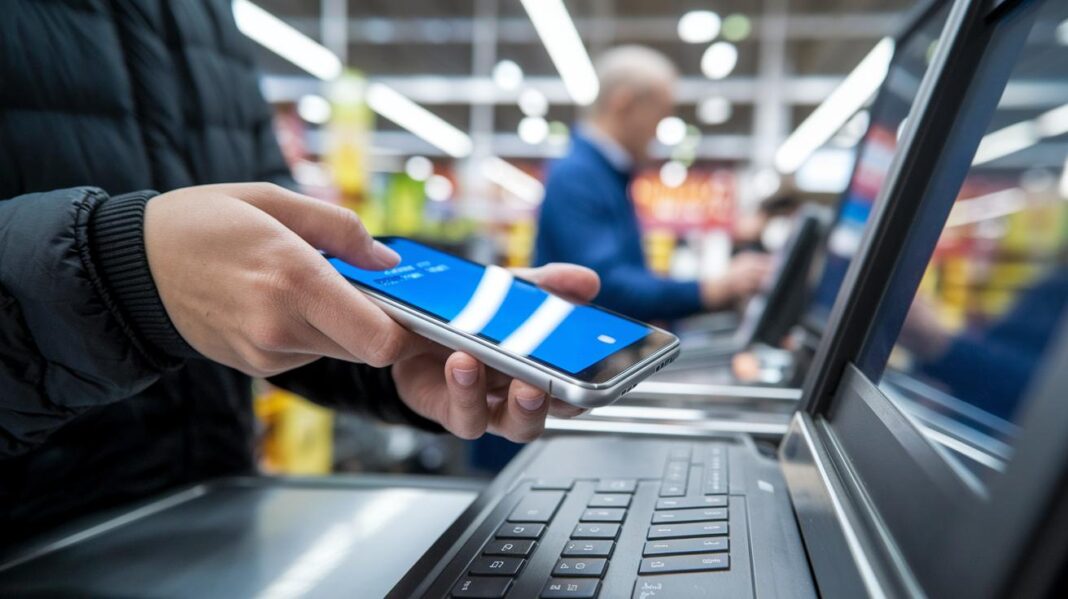
Have you ever thought your phone might double as your wallet? It’s becoming a real game-changer in online shopping. Now, instead of fumbling with card details, you just tap a few times and you’re done.
Digital wallets bring a refreshing mix of speed and security to the checkout process. They make shopping feel smoother and more effortless. Plus, this simple change is boosting customer satisfaction all around.
In short, mobile payments are pushing e-commerce to new heights every day, making the whole buying experience quicker and more secure.
Mobile Payment Trends in Ecommerce: Overview and Key Drivers
Mobile payments are reshaping the way we shop online. Now, you can pay using your smartphone, tablet, or even a wearable device. Digital wallets like Apple Pay, Google Pay, and PayPal make checkout easier by skipping the tedious step of entering your card details every time. It's a huge change from the old days when shoppers had to manually input their information and often left their carts half-filled.
These payment apps work smoothly with online stores, which means fewer bumps along the way when you're buying something. They use simple options like NFC, QR codes, and even fingerprint scans, letting each shopper pick what feels best for them, simple and secure.
The push for speed and ease is driving this rapid growth. Online retailers now focus on making transactions instant and keeping checkout delays to a minimum. This not only makes shopping quicker but also boosts customer satisfaction. Plus, with advanced encryption and smart fraud detection, digital wallets add an extra layer of security, proving that mobile payments are a key pillar in modern ecommerce evolution.
Digital Wallet Growth Dynamics in Ecommerce
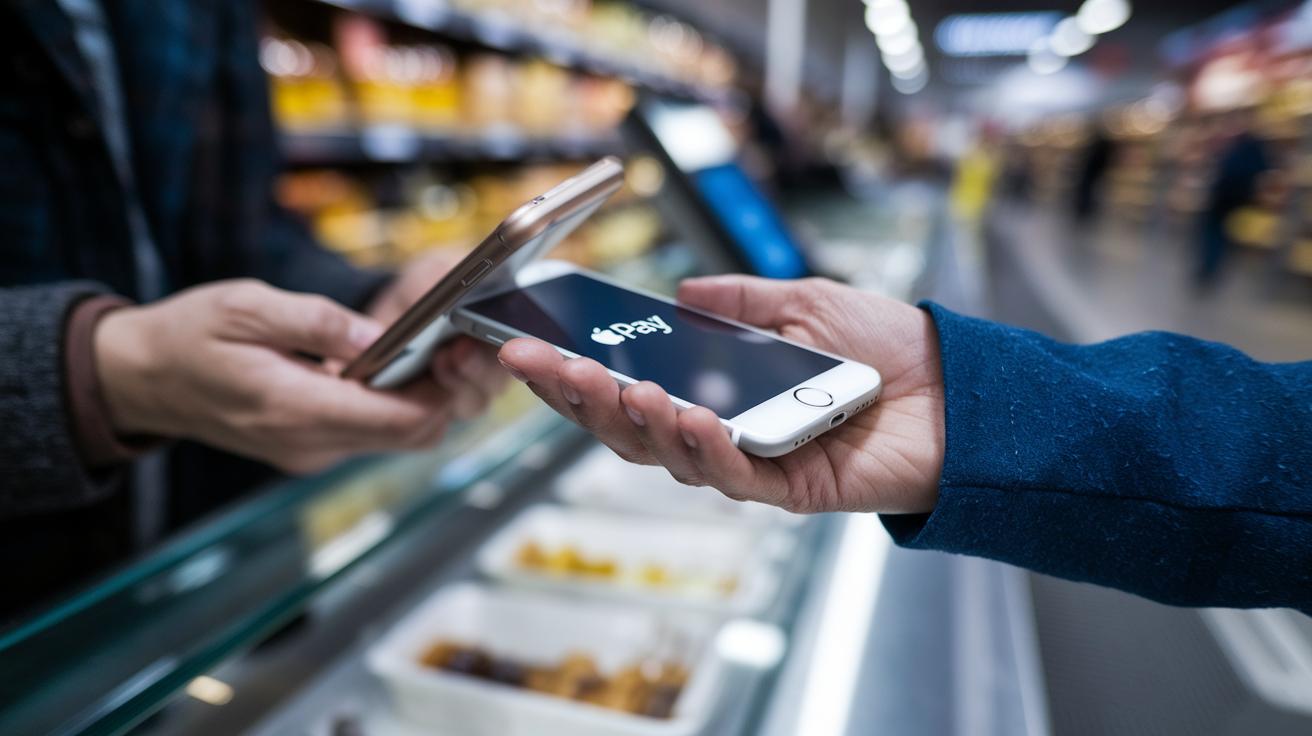
Digital wallets are quickly becoming the favorite way for people to pay, whether they're shopping online or in stores. Services like Apple Pay, Google Pay, and Shop Pay let you skip the hassle of entering card details by hand, which means checkout happens faster and more smoothly. Research even shows that using these wallets can cut cart abandonment by up to 40% and bump up the average order value.
Consumers today just want payments that are instant and available anywhere. And that’s exactly what digital wallets deliver. Their rapid adoption mirrors a growing preference for cashless transactions that make shopping easy and fast. Retailers are catching on too, they know that a streamlined payment process not only makes the customer experience better but also helps boost revenue.
With their blend of ease and strong security measures, digital wallets are a win for shoppers looking for quick, straightforward payment options. This change in payment habits is setting a new standard for how both online stores and physical shops operate.
Contactless Checkout Innovations in Mobile Ecommerce
NFC is reshaping how we pay by letting you tap your device within just about 4 centimeters to complete a transaction. It’s a quick, effective method that skips the usual delays of traditional checkouts. Imagine grabbing your coffee with a simple tap, no more fumbling for your wallet.
QR code purchases are also on the rise, with forecasts predicting the market could hit $66.9 billion by 2034. In-app scanners paired with digital wallets make checkout a breeze by cutting out the need to type in payment details manually. The result? A smoother, faster experience that encourages customers to complete their purchases.
Retailers are seeing the benefits too. Faster checkouts lead to more engagement and can even boost conversion rates. With these contactless innovations, mobile ecommerce is meeting consumer expectations by providing a payment process that feels seamless, safe, and enjoyable.
This surge in contactless technology not only elevates the customer journey but also supplies businesses with practical insights. In turn, these insights drive smarter operations and help set a modern standard for retail payments.
Secure Digital Transactions: Mobile Payment Security Measures
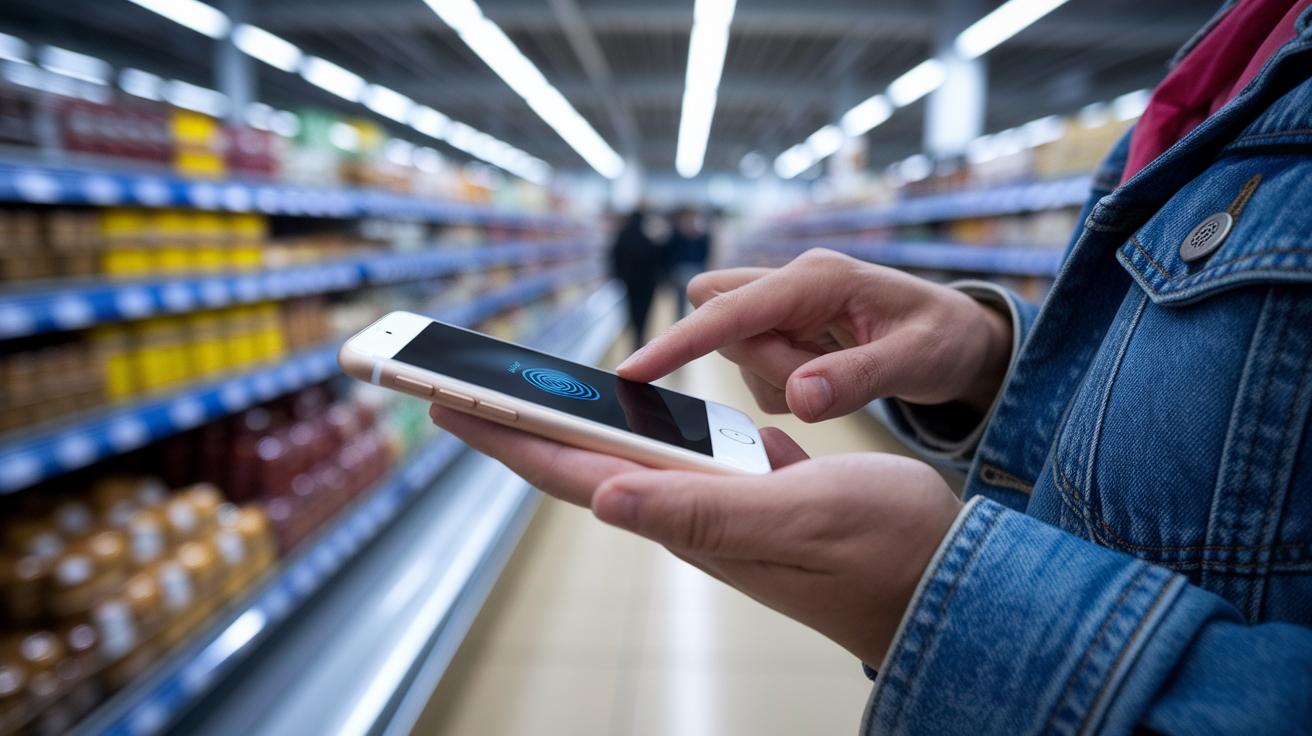
Digital commerce relies on safe online payment methods to keep customer trust strong and avoid security breaches. Using multi-layer encryption, sensitive card details get scrambled so well that it’s nearly impossible for hackers to access anyone’s private data. It’s pretty amazing, one retailer even shared that their smart combo of encryption and tokenization stopped several hacking attempts, saving both trust and revenue.
Tokenization works by swapping real card numbers for random tokens, which means that even if someone does intercept the data, it won’t be useful at all. Coupled with biometric checks like Face ID or fingerprint scans, these methods offer another solid layer of protection. And when these are paired with two-factor authentication, where you confirm your identity using both a password and a biometric input, it really makes unauthorized access a thing of the past.
On top of that, advanced algorithms work behind the scenes to monitor every transaction in real time. These systems watch for unusual patterns, flag suspicious activity right away, and take preventive action immediately. With encryption, tokenization, biometric checks, and smart fraud detection all working together, digital payment systems stay secure, keeping customers confident and keeping cybercriminals at bay.
Emerging Mobile Payment Technologies Shaping Ecommerce
AI and machine learning are reshaping the checkout process, making it smoother and smarter. These tools spot fraud and tailor the buying experience so that customers feel at ease during the final purchase step. In one test, adjustments powered by AI bumped up completed transactions by about 20% in just a few months.
Real-time payments are also making a big impact. Imagine getting a payment notification right after a sale, no waiting around. This instant processing boosts cash flow and lets businesses reinvest quickly, which is a real win for online operations.
Blockchain technology is stepping into the spotlight too, aiming to make transactions more transparent and secure. Although it's still early days, its promise of simplifying complicated deals is exciting. Plus, innovations like voice-enabled payments and even pilot projects for digital currencies are emerging. Picture ordering your favorite product just by speaking, with a secure system confirming your payment instantly.
By combining AI, real-time processing, and blockchain-based methods, mobile payment platforms are evolving fast. This forward momentum in fintech is setting the stage for a new era in how consumers and businesses handle transactions every day.
E-commerce Payment Integration and Implementation Challenges

When it comes to setting up payment options online, everything has to click together perfectly between your tech and your day-to-day operations. You need a process that makes installing plugins, entering API keys (like those for Stripe), and turning on your payment gateways as smooth as possible. But even when things seem simple, you might run into hiccups, like trying to connect old systems with new tech, sorting out different currencies and taxes for international sales, or hitting the mark on safety standards like PCI/DSS. Fixing these issues not only secures your transactions but also builds a strong foundation for your overall digital commerce game plan.
To make this journey easier, consider following this handy checklist:
-
API setup and plugin installation steps
-
Meeting PCI/DSS compliance requirements
-
Configuring currency and tax differences for international sales
-
Keeping data security updated and patched
-
Educating customers and testing user experience
-
Monitoring transactions with analytics
By keeping an eye on these areas, you can streamline back-end processes and reduce tech friction. This careful balance is key to creating a payment system that's not only efficient and secure but also ready to grow with you in the fast-paced world of digital commerce.
Forecasting Future Mobile Payment Trends in Ecommerce: Shaping Success
Global Buy Now, Pay Later deals are projected to hit $560 billion by 2025, clearly changing the way people manage their payments. Retailers are jumping on board, offering flexible plans that help customers pay on their own schedule, while also boosting overall sales. Think about it: once, many shoppers were cautious about delaying payments, but now, they enjoy spreading out the cost of big-ticket items.
Fintech companies are busy perfecting these payment options. But, businesses need to stay alert to challenges like customer overspending and tighter regulations. Waiting too long to adapt could mean losing ground to competitors and missing out on extra revenue. So, smart retailers are updating their payment methods now, integrating BNPL into a smooth, digital-first strategy to keep up in today’s fast-changing market.
Final Words
In the action, we explored how smartphone payment applications and secure digital transactions are reshaping online commerce. We tracked innovations from tap-to-pay options to biometric safety measures, and unpacked payment integration challenges that affect strategy. Each section shed light on mobile payment trends in ecommerce, driving the need for fast, secure, and convenient checkout experiences. These insights empower businesses to refine digital commerce strategies and seize emerging opportunities for a brighter, smoother future.