

Have you noticed your phone might soon become your favorite shopping buddy? Mobile commerce is set to skyrocket in 2025, with smartphones leading the charge in retail. Rising online spending and clever apps that predict what you'll buy next mean our shopping habits are evolving quickly. Brands are already adjusting their game plans to keep up with these changes. In this article, we'll uncover the trends that are boosting mobile sales and reshaping the shopping experience for everyone.
Key Drivers Behind Mobile Commerce Trends in 2025
Mobile commerce is quickly changing the way people shop. In 2024, over 70% of global online traffic came from mobile devices, and that number is only expected to get higher by 2025. Consider this: smartphone-driven retail sales hit $418 billion last year, while tablet sales lagged far behind at just $69 billion. It’s clear that our buying habits are increasingly centered on our phones.
Digital retail spending saw a 25% jump in 2024, reaching $70 billion in sales. Experts forecast that by 2027 this could grow to $110 billion, taking global digital revenue to fresh heights. Shoppers today expect mobile-first experiences, think fast load times combined with personalized offers. This blend of convenience and tailored service is forcing brands to rethink how they connect with consumers.
Take agencies like Blue Wheel, for example. They’ve tapped into this trend by generating over $1 billion in mobile commerce revenue. How? By using data-driven insights and smooth, user-friendly interfaces on platforms like D2C, Amazon, Walmart, and eBay. With these developments underway, it’s clear that technology and consumer demand are setting the stage for the next big wave in mobile commerce trends for 2025.
AI-Powered Personalization and Predictive Shopping in Mobile Commerce 2025

By 2025, nearly three out of every four companies around the globe will have embraced AI in one part of their business, sparking a major shift in mobile shopping. Retailers are already tapping into this technology to build smarter mobile apps that not only power chat tools and suggest products but also create engaging content in real time. In effect, we're moving from basic customization to a predictive shopping experience that gets what customers need before they even start browsing.
AI is now hard at work analyzing customer reviews and product pages to spot hidden obstacles and unseen benefits. This means retailers can offer ultra-personal experiences that truly resonate with each shopper. With this innovative approach, mobile commerce platforms are rolling out key features such as:
- Chatbots
- Predictive search
- Dynamic merchandising
- Generative content
It turns out that about 80% of consumers prefer mobile experiences that offer tailored, context-aware suggestions. This personal touch makes shopping smoother, reduces hiccups along the way, and boosts conversion rates. By blending dynamic merchandising with insights into consumer behavior, retailers are not only streamlining the shopping process but also building a more interactive and responsive retail environment, one that drives both quick wins and long-lasting customer loyalty.
Immersive Technologies: AR, VR, and Voice Commerce in Mobile Commerce Trends 2025
Augmented Reality and Virtual Try-On
Augmented reality is revolutionizing mobile shopping by letting you try on products virtually before you buy. Imagine browsing for glasses on your phone and instantly seeing how different frames suit your face. And it doesn’t stop at eyewear, this tech lets you see how a dress might look on you or how a sofa fits in your living room. Virtual fitting rooms and in-app visualization tools give shoppers the confidence to decide, turning online browsing into a tangible experience that feels almost real.
Voice Commerce Interfaces
Voice-activated shopping is making the mobile experience even smoother. These voice assistants let you search for products, add items to your cart, and finish your purchase without ever touching your screen. It’s a hands-free way to shop that’s perfect when you’re busy or on the go. Simple voice commands polish the search and checkout process, making digital transactions feel natural and stress-free. As more retailers jump on board, you can expect a shopping journey that’s as easy as chatting with a friend, boosting both satisfaction and sales.
Streamlined Mobile Commerce Checkout and Payment Innovations for 2025

Mobile commerce is facing a real hurdle, over 70% of shoppers drop their carts when checkout feels too slow or complicated. To solve this, new payment methods are on the rise that focus on speed and ease. Retailers are cutting out repetitive data entry by using one-click ordering and secure transaction tokens. These improvements offer mobile users not only a smoother experience but also a very secure checkout thanks to blockchain transparency.
One-Click and Tokenized Transactions
One-click ordering lets you complete a purchase with a single tap, removing unnecessary steps. Tokenized transactions swap your sensitive financial details for encrypted digital keys, which means less chance of data leaks. Retailers are also rolling out faster payment gateways that cut out the old manual processes. The result is fewer mistakes and a checkout process that stays efficient, even when things get busy.
Digital Wallets and Contactless Options
Digital wallets like Apple Pay and Google Pay are growing in popularity because they let you pay without any physical contact. Streamlined QR code systems add a quick scan-to-pay option, shaving precious seconds off checkout time. These features work hand in hand with blockchain technology, which provides clear and secure transaction records. With these systems, brands not only speed up transactions but also create a safe space for your customer data.
| Payment Method | Key Benefit |
|---|---|
| One-Click Ordering | Simplified checkout with a single tap |
| Digital Wallets | Secure, contactless payments |
| QR Code Payments | Fast scan-to-pay solution |
| Blockchain Transparency | Encrypted, tamper-proof records |
Social Commerce and Influencer Integration Driving Mobile Commerce Trends 2025
Social commerce is booming and transforming the way we shop with our phones. Forecasts suggest that sales coming through social networks could leap from 5.5% of online sales in 2018 to more than 20% by 2025, pushing revenue past the $100 billion mark. It’s clear that integrating social media with mobile commerce is reshaping our buying habits.
Take TikTok Shop as an example. This innovative platform blends fun, engaging content with in-app shopping, allowing brands to feature products directly in short videos. The result? A seamless, entertaining shopping experience where users can purchase without ever leaving the app. It’s a friendly twist that turns everyday social scrolling into shopping opportunities.
There are two key pieces of data to consider. First, experts project that social commerce revenue could top $1 trillion by 2028, underscoring a major shift toward social selling. Second, brands are increasingly using influencer campaigns, mixing authentic endorsements with real-time experiences that build trust and drive purchases through visual storytelling.
In addition, smart in-app promotions like flash sales and exclusive discounts add extra buzz, while peer recommendations boost confidence in buying decisions. Together, these strategies are crafting a mobile shopping environment that feels both fun and irresistible.
Omnichannel Strategies and Unified Mobile Commerce Experiences in 2025

Omnichannel digital retail is reshaping how people shop today. In 2024, online sales jumped by 25%, bringing in $70 billion, and experts say this could reach $110 billion by 2027. Retailers are now linking mobile and in-store experiences into one smooth journey. For example, tools like Amazon’s multi-touch attribution work to give credit to every customer interaction on mobile, web, or in-store, making sure every touch counts.
A winning omnichannel strategy hinges on three main tactics that boost customer engagement:
-
Multi-touch attribution
By tracking every interaction, this method gives deeper insights into customer behavior, allowing for marketing that really speaks to shoppers. -
Consistent UI/UX across devices
A familiar look and feel, whether on a desktop, phone, or tablet, helps keep customers happy and makes using the platform easy. -
Integrated messaging through mobile-first email and SMS
Sending timely, context-rich messages directly to customers strengthens brand loyalty and encourages repeat visits.
Together, these tactics build a seamless shopping experience that bridges the digital and physical worlds. Brands that master this cross-channel integration not only simplify shopping for their customers, but also form stronger, lasting connections, setting the stage for sustainable growth in mobile commerce well into the future.
Security, Privacy, and Trust in Mobile Commerce 2025 Trends
Mobile marketplaces are now facing tougher challenges with counterfeit goods and unauthorized sellers that can shake consumer trust and hurt brand reputations. The rise of AI in commerce only adds to these security concerns. So, brands must strictly follow data privacy rules while keeping sensitive information safe.
Retailers are fighting back by using smart monitoring tools and quickly removing suspicious listings. They’re focusing on these key security steps:
- Biometric security: Using fingerprint or facial recognition to confirm a user’s identity means only authorized people finish transactions.
- End-to-end encryption: Encrypting data right from the start keeps customer information safe from anyone trying to eavesdrop.
- Blockchain transparency: Adding blockchain into the mix creates a permanent record of every transaction. This secure audit trail really helps in building trust.
By keeping a close eye on systems, acting quickly on unauthorized listings, and sticking to data privacy regulations, businesses are setting a strong foundation for secure mobile shopping. These practices help boost consumer confidence and set the stage for mobile commerce trends in 2025.
Performance, Optimization, and Conversion Techniques for Mobile Commerce Trends in 2025
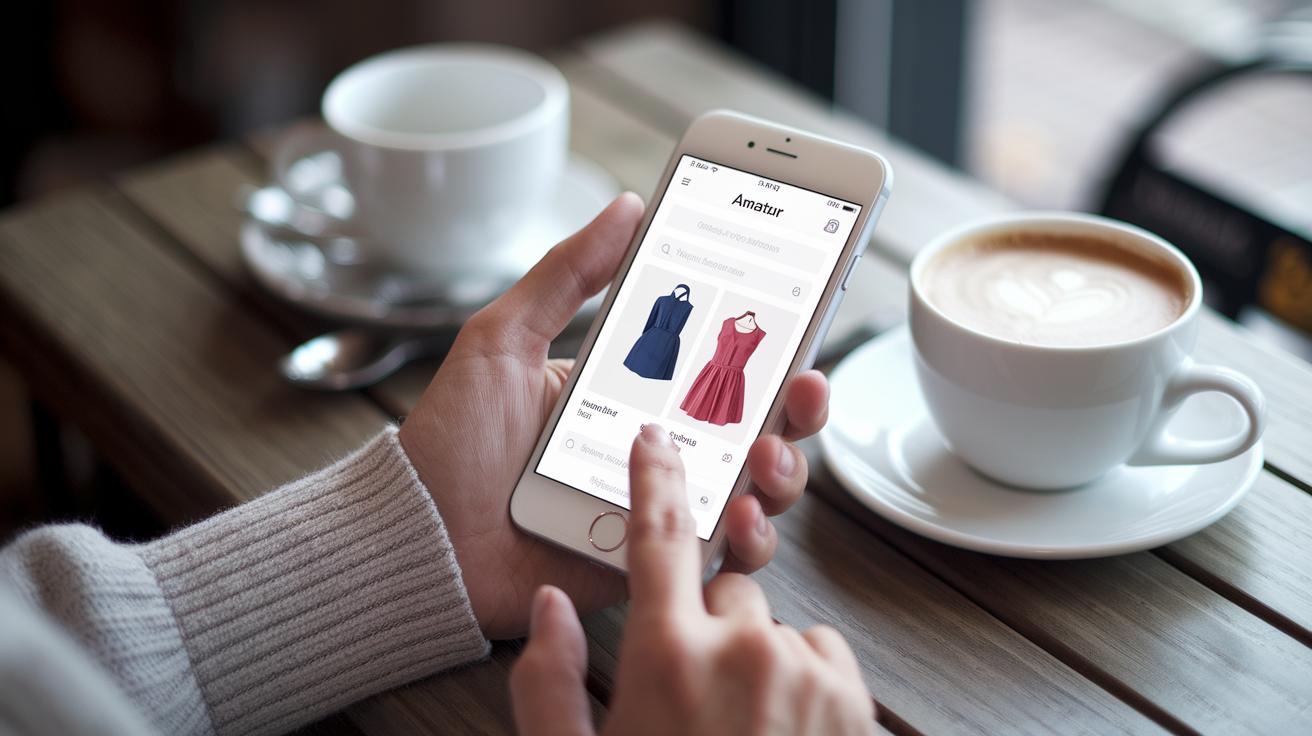
Speed is more important than ever. Research shows that 40% of mobile shoppers will leave a site that takes longer than three seconds to load. Every extra second can shrink conversions by 7%, which means a fast, smooth experience on mobile isn’t just a luxury, it’s a must. Retailers are challenged by limited screen space, so they’re turning to creative ways to boost order values.
Imagine a shopper tapping through a sleek, responsive interface that reacts instantly. That seamless experience makes buying easy and keeps engagement high.
Key ways to optimize mobile experiences include:
- Responsive frameworks that reshape layouts for any device.
- Streamlined menus designed to cut out unnecessary clicks.
- In-app search filtering that quickly guides users to what they’re after.
- Push notifications that deliver personalized offers, remind users about abandoned carts, and alert them to new launches.
Keeping an eye on how users engage with your app is crucial. Retailers measure session times and conversion paths to understand what works. By constantly monitoring and testing, brands can fine-tune their mobile experiences to boost conversions and create smoother journeys for every customer.
Final Words
In the action, mobile commerce trends 2025 hit center stage as we examined sharp growth metrics, AI personalization, immersive tech, and refined checkout methods. We broke down how streamlined payments, social integrations, omnichannel tactics, stringent security, and optimization techniques create a smoother shopping experience. These insights offer practical tools to boost customer engagement and conversions. It's a dynamic field that continues to inspire smart decisions and forward-thinking strategies. Embrace these trends and move confidently into a future filled with exciting opportunities.
FAQ
What are the key mobile commerce trends in the USA for 2025?
Mobile commerce trends in the USA for 2025 show that mobile traffic will drive over 70% of transactions, with smartphones powering robust retail sales and efficient, secure payment methods.
What do mobile commerce statistics for 2025 indicate?
Mobile commerce statistics for 2025 indicate that smartphones are set to dominate online transactions, supporting billions in digital retail spending and reflecting growing demand for faster, user-friendly checkout systems.
Where can I find recent trends in e-commerce in PDF format?
Recent trends in e-commerce PDFs compile data on mobile adoption, payment innovations, and AI personalization, providing detailed reports that help businesses stay updated with the latest market shifts.
How did mobile commerce trends in 2024 shape the market?
Mobile commerce trends in 2024 demonstrated rapid growth with smartphones leading sales and a 25% increase in digital retail spending, effectively setting the stage for future market developments.
What e-commerce trends have been highlighted by McKinsey?
McKinsey highlights e-commerce trends that focus on cross-platform integration, data-driven personalization, and streamlined checkout solutions, which together boost customer engagement and improve conversion rates.
What are five key trends in e-commerce?
Five key e-commerce trends include a mobile-first approach, personalized AI experiences, immersive AR integrations, streamlined checkout processes, and strong social commerce strategies, all designed to enhance customer engagement.
What does the future of m-commerce look like?
The future of m-commerce promises increased digital transactions, smarter AI integration, and mobile payment innovations that deliver more personalized shopping experiences and greater efficiency.
What trends are expected for B2B e-commerce in 2025?
B2B e-commerce trends for 2025 expect improved digital procurement processes, unified mobile experiences, and enhanced personalization, resulting in streamlined transactions and stronger customer engagement.