

Have you ever thought that a tiny sensor might give your online business a boost? Today, IoT e-commerce solutions are here to simplify order tracking and inventory management. Imagine sensors quietly doing the work, keeping your stock levels updated in real time and alerting you when it’s time to reorder. This smart technology cuts down on mistakes and speeds up both shipping and reorders, turning daily tasks into smooth operations. In short, IoT is changing how you serve your customers and manage your store, making your business both more efficient and more competitive.
Delivering IoT Ecommerce Solutions for Operational Efficiency
Integrating IoT into retail can really shake up how stores manage daily tasks. It helps merchants track everything from the moment an order is placed to when it lands at your doorstep. Using smart tools like sensors and RFID tags, tasks like shipping and inventory control become automatic, cutting down on manual checks and reducing errors.
Real-time analytics tracking is a real game changer. When stores collect data continuously, they get a clear view of every step in their supply chain. This live monitoring not only tells them exactly what’s in stock but also smooths out the order fulfillment process. Picture an online shop that updates its inventory right away as orders come in, that’s automation at its best.
It’s easier than ever to keep daily operations smooth with IoT solutions. When ecommerce systems connect seamlessly with digital backends, important supply chain details update automatically. For example, a network of connected sensors can instantly adjust stock levels, trigger automatic reorders, and help leaders make quick decisions.
By weaving these smart tools into digital commerce strategies, businesses can meet customer demands faster while staying ahead in a competitive market. With sharper order tracking and accurate inventory updates, costs drop, productivity rises, and overall efficiency in online retail gets a major boost.
Core Technologies Powering IoT Ecommerce Solutions
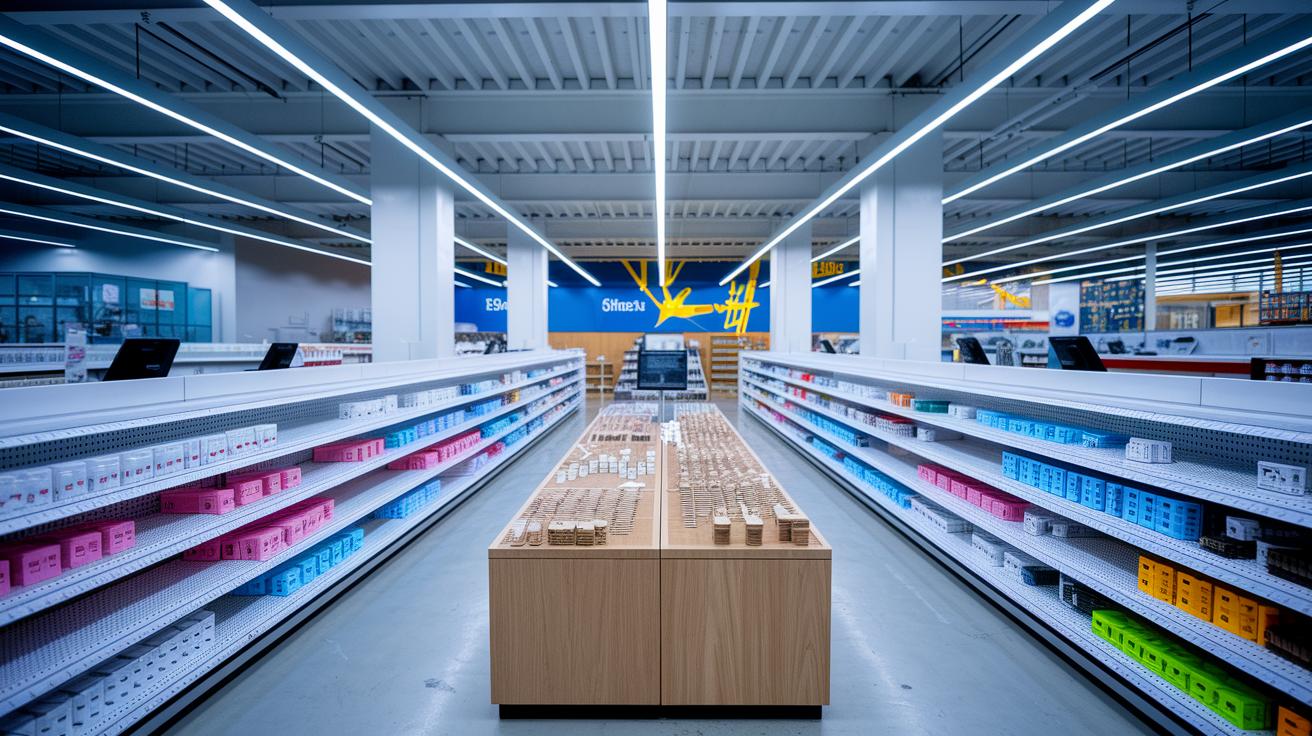
Scalable IoT commerce solutions rely on a solid sensor network, wireless sensor arrays, and connected shopping systems. Together, these components collect live data from devices like smartphones, tablets, and smart appliances, feeding this information directly into everyday commerce.
4G and 5G connectivity make retail operations smoother than ever. Imagine a store that processes orders instantly, thanks to sensors sending real-time updates. Some systems even register sensor responses in under a second, which means inventory can adapt to changing demand almost immediately.
Embedded sensors, RFID chips, and wireless arrays work like the system’s eyes and ears. They constantly monitor everything from a bustling warehouse to a busy online storefront, keeping close track of every detail that affects the customer experience.
Then, cloud analytics step in to gather all these data streams around the clock. This steady flow of information turns into sharp insights for quick decision-making. An API integration layer connects this real-time data with your existing systems so that every insight becomes an actionable update. Imagine a shopping system that instantly adjusts prices and stock levels as it senses shifts in consumer behavior – welcome to the power of advanced connectivity combined with integrated cloud services.
Scaling and Integrating IoT Ecommerce Solutions with Commerce Platforms
When it comes to boosting IoT ecommerce solutions, it’s time to go beyond simple API connections. Imagine a retailer who layered an orchestration system that sorts sensor data automatically. This clever setup allowed them to adjust inventory on the fly, using near real-time data to drive decisions.
Think about how physical sensors and digital systems can team up to process information. In one smart case, devices pre-checked their data before passing it to a commerce platform. This method trimmed down delays and paved the way for quick, effective actions.
Here are a few hands-on steps to consider:
- Look into advanced middleware that can juggle complex tasks and handle many IoT devices at once.
- Set up a model where hardware teams up with software to process edge data alongside cloud analytics.
- Check out detailed case studies that show how edge computing can speed up data management and boost responsiveness.
These practical steps build on earlier ideas, offering a fresh way to connect your existing systems and drive better, faster outcomes.
Top Benefits of IoT Ecommerce Solutions for Online Retailers

Online retailers are tapping into IoT solutions to make their operations smoother and more efficient. These smart systems cut out many everyday hassles and really boost the shopping experience. Here’s what you can expect:
-
Decreased waste from perishable goods
Using precision analytics, sensors adjust stock levels automatically. This means less waste and more savings on inventory. Imagine a fresh produce aisle where sensors alert managers just as items are about to go off, it stops waste in its tracks. -
Predictive maintenance that can deliver up to 500% ROI
Automated alerts notify you when equipment needs attention before it fails. This helps extend the life of your machines and keeps costs down. Think of a coffee machine sending out a service alert well before a breakdown could disrupt your day. -
Optimized logistics performance
Real-time tracking helps reduce shipping costs, speeds up deliveries, and minimizes transit issues. Picture an order that follows a brainy, smartly calculated route, ensuring a quick and efficient trip from warehouse to doorstep. -
Automation in inventory control
Routine tasks like stock updates, reordering, and payment processing run on autopilot. This reduces manual work, keeping things moving effortlessly. Imagine a system where every new order automatically updates your inventory in real time. -
Enhanced analytics for data-informed decisions
With 24/7 tracking of key performance indicators, you get ongoing insights that help you adjust your strategies fast. Consider a dashboard that sends an instant nudge when it spots a shift in sales trends. -
Personalized shopping journeys
IoT gathers real-time data about customer behavior to make spot-on product recommendations. Imagine receiving suggestions that feel like they were made just for you, making every shopping journey a personal one.
iot ecommerce solutions: Elevate Your Commerce
Big names in retail are shaking things up with IoT ecommerce solutions that mix AI-powered inventory checks, multi-channel sales ideas, and smarter stock control. This isn’t a lab experiment, it’s real technology making a big impact. Picture every sensor working like a watchful guardian, ensuring products arrive on time and stock levels stay in check. For example, Amazon uses warehouse robotics and RFID tracking to cut order cycle times by 30%.
At Microsoft, IoT sensors keep a close eye on shipping conditions for delicate items like Surface and Xbox devices. These sensors give real-time feedback that helps reduce product damage. Rolls Royce takes it a step further, using predictive sensors on engines to lower unexpected downtimes. And then there’s H&M, which uses automated warehouse robots to boost order processing efficiency by 20%.
Each of these success stories shows how IoT tools help brands make faster, smarter decisions, improve operations, and provide better customer experiences. It’s not just about adding new tech, it’s about reshaping how businesses run and manage their inventory. Imagine a retail world that adjusts to changes in demand in real time, operating as smoothly as a well-oiled engine.
| Company | IoT Use Case | Outcome |
|---|---|---|
| Amazon | Warehouse robotics & RFID tracking | 30% faster order cycles |
| Microsoft | Shipping condition sensors | Reduced damage rates by 25% |
| Rolls Royce | Predictive maintenance sensors | 40% lower unplanned downtime |
| H&M | Automated warehouse robotics | 20% productivity boost |
Overcoming Common Challenges in IoT Ecommerce Solutions Deployment

Rolling out IoT ecommerce solutions can be a real adventure. Companies often run into bumps that can affect both performance and security. One big challenge is keeping customer and device data safe. To do this, organizations need to stick to strict privacy rules and use tough measures like strong encryption to protect data as it travels between devices.
Another common obstacle is making sure all devices and sensors talk to each other. When different gadgets try to connect, compatibility issues can pop up. The trick here is to use standardized interfaces and the right middleware so everything fits together nicely.
Then there's the task of integrating specialized IoT management software with existing ecommerce systems, which can feel pretty overwhelming. By investing in a skilled tech team and rolling out changes in stages, companies can overcome that steep learning curve.
And let's not forget the risk of chasing every new gadget without a clear plan. Focusing on well-thought-out solutions and matching tech investments directly to business goals helps avoid wasted efforts and money.
Key strategies include:
- Adhering to privacy regulations with robust encryption methods
- Ensuring smooth device integration through standardized interfaces and middleware
- Staying focused on business priorities to drive strategic investments
Evaluating Cost-Benefit and ROI of IoT Ecommerce Solutions
Investing in IoT can save companies a lot of money by cutting manual work and boosting efficiency. For example, one power tool retailer managed to cut manual order processing costs by 70%. This shows that automating routine tasks not only slashes expenses but also frees up resources for more strategic projects.
Predictive maintenance is another clear win. Sensors provide proactive alerts that help extend equipment life and reduce downtime, delivering returns as high as 500% on IoT-enabled gear. With numbers like these, leaders can base their decisions on solid data instead of making guesses. Imagine sensors constantly checking your machines and flagging issues before they turn into costly failures.
Plus, IoT isn’t just about saving money on operations. It also helps reduce waste and streamline processes, which, in 2021, contributed to a 14.2% boost in ecommerce sales. Smart inventory management and better stock forecasting mean products are available at the right time, making customers happy.
In short, combining clear cost-benefit analyses with detailed performance metrics lets businesses confidently back their IoT investments. This practical, data-driven approach paves the way for steady growth and a stronger, more adaptable ecommerce operation.
Final Words
In the action, the article showcased how smart sensor networks and real-time analytics tracking streamline ecommerce operations. It highlighted how automation in inventory control and API integration layers improve workflows, cutting down manual checks. Real-world case studies illustrated the practical benefits of live stock monitoring and strategic tech integration. With clear steps for scaling and evaluating ROI, iot ecommerce solutions are set to drive operational success. The focus remains on making data-driven decisions that boost efficiency and market agility.
FAQ
What is IoT in eCommerce?
The term IoT in eCommerce refers to the integration of connected devices and sensors that streamline order tracking, inventory management, and overall operational workflows to boost efficiency for online retailers.
What are the 4 types of IoT?
The four types of IoT usually encompass consumer, commercial, industrial, and infrastructure systems, each designed to support a range of applications from personal devices to large-scale operational management.
What are the 4 types of eCommerce?
The four types of eCommerce include business-to-consumer, business-to-business, consumer-to-consumer, and mobile commerce, each catering to different interactions and transaction methods between buyers and sellers.
How does Zara use IoT?
Zara uses IoT to monitor inventory and track in-store activity, leveraging real-time data to optimize product availability and enhance the shopping experience throughout its retail operations.