

Ever thought your online store could feel more like your favorite neighborhood shop? Ecommerce merchandising turns your website into a welcoming boutique where every product gets the spotlight it deserves.
Imagine organizing your site into clear sections with captivating images and smart recommendations. Not only does this make it easier for visitors to browse, but it also helps turn them into loyal customers.
In this post, we break down the fundamentals step by step to help you boost your online sales and create a more inviting shopping experience.
Core Ecommerce Merchandising Fundamentals
Ecommerce merchandising is all about smartly showcasing products on your online store. It combines clear product categories, eye-catching visuals, tailored recommendations, and focused promotions that mimic the in-store shopping experience. Imagine kicking things off with a bold headline like "Next-Level Shopping Awaits" to instantly grab attention and lead customers smoothly from discovery to checkout.
Getting everything just right means tweaking every part of your site, from the homepage and category pages to your product listings. Retailers who focus on neat organization and dynamic content see a huge boost in customer engagement. By using detailed customer data to manage inventory, update banners, and fine-tune search results, the journey from browsing to buying becomes as smooth as it is effective. With most shoppers preferring brands that serve up offers tailored just for them, these adjustments really pay off.
At its core, effective ecommerce merchandising stands on four main pillars: a strong brand identity, intuitive UX/UI design, thoughtfully curated product collections, and personalized suggestions based on user behavior. Each piece plays a key role in creating an online experience that really resonates with your customers. Using real customer insights, retailers can continuously adjust layouts and offers to meet evolving tastes. For a deeper dive into these components, check out the detailed ecommerce strategy at https://omegamarkets.com?p=469. This approach not only makes your digital storefront more appealing but also keeps every catalog and display aligned with your broader sales goals.
Optimizing Ecommerce Merchandising Displays for Conversion
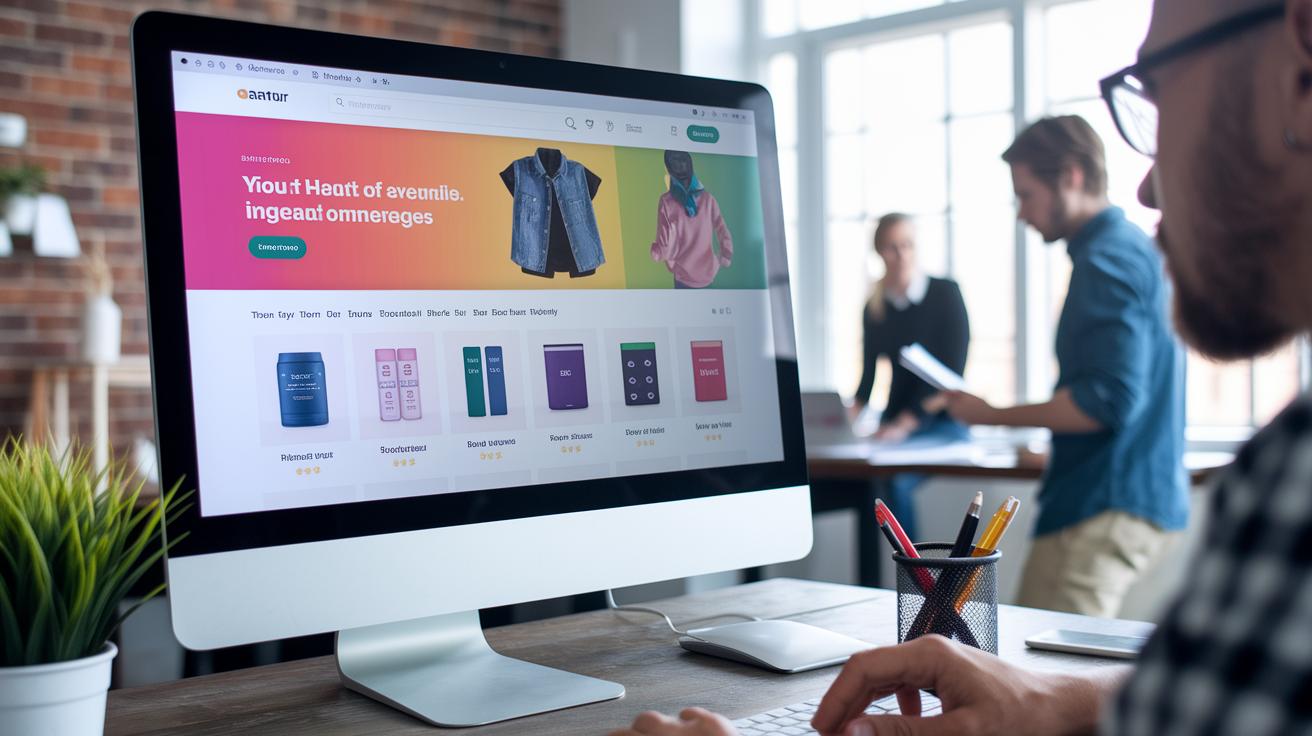
A great online display grabs your attention right away with eye-catching graphics and a well-thought-out layout. It’s like stepping into a neatly arranged store where every product seems to whisper, "Check me out!" A simple, clean grid combined with vivid images helps shine a spotlight on top items, inviting shoppers to explore further. Banners and headers, when designed with care, quickly tell you what a brand is all about.
Smart merchandising isn’t just about good looks, it’s also about strategy. Imagine a tool that suggests complementary products or even encourages you to go for a premium upgrade. This approach often uses dynamic banners and product recommendations to create a little excitement, especially during big sale events. It makes you feel a sense of urgency, nudging you gently toward that extra purchase while keeping the whole shopping experience smooth.
Mobile shoppers have special needs, and that’s why a mobile-friendly display is essential. With nearly one-third of US users buying on their phones every week, online stores must look sharp on any screen size. Easy menus and speedy pages make sure that whether you’re on a tablet or smartphone, your shopping journey remains hassle-free.
Trust is built on real voices. That’s why showing off customer reviews and ratings right on product pages works wonders. It’s a bit like having a friend vouch for you: positive feedback gives hesitant shoppers the confidence to dive right in. In other words, when genuine customer insights mix with appealing visuals and interactive design, conversions naturally follow.
Personalization and AI in Ecommerce Merchandising
Personalized shopping online isn’t just a passing fad. More than 70 percent of shoppers expect a store that feels custom-made for them, and retailers who deliver this often see revenue jump by as much as 40 percent. Imagine browsing a site that remembers what you like from your past clicks and purchases, showing you suggestions that really fit your style.
At the core of these custom displays is a set of smart AI tools like Data Engine, Predictive AI, Semantic AI, Visual AI, and Generative AI. These tools work together to adjust a site’s layout and deals on the fly, matching what you need right then. Take, for example, the ai inventory management tool available at OmegaMarkets.com, it helps stores tweak their digital displays quickly and accurately. This way, even a casual browser can soon find offers that feel personal and engaging.
It all starts with collecting solid shopper data. Only with reliable data can AI craft a shopping experience that truly connects with each customer.
Effective Ecommerce Merchandising Methods for Online Catalog Arrangement

Setting up your online catalog the right way can really boost sales and grab customer attention. A smart product layout not only showcases your best sellers but also helps guide shoppers smoothly from browsing to buying, whether they're on a laptop or a phone. Here are five key steps to get your product arrangement on point:
-
Group by Themes and Seasons
Sort your items into clear categories based on themes, seasonal trends, popularity, or price. This way, visitors can quickly zero in on what interests them as soon as they land on your site. -
Highlight Your Best Sellers
Feature your top-selling products in prime spots, like the homepage or the top of category pages. Making these items stand out can really boost their visibility and encourage more purchases. -
Design with a Natural Flow
Organize your products so that they lead shoppers naturally from one item to the next. A clear visual hierarchy that showcases complementary items alongside key offerings creates a smooth, inviting buying experience. -
Maintain a Balanced Mix
Keep a diverse range of products that cater to different tastes and budgets. This balance prevents any single page from feeling cluttered, making the overall shopping experience both fluid and engaging. -
Ensure Mobile Readiness
Adopt a responsive design that adapts seamlessly to both desktop and mobile devices. A consistent, user-friendly layout across platforms supports the growing trend of mobile shopping.
With a well-organized online catalog, you not only display a variety of products appealingly but also create an inviting environment that keeps shoppers engaged. Give these steps a try, and you'll notice how a clear, structured digital shelf can make a big difference in turning visits into sales.
Analytics for Ecommerce Merchandising Success
Smart tools built into merchandising platforms work hard behind the scenes to boost your store's performance. They keep track of helpful metrics so you can understand your customers better and tweak product placements and promotions as needed. For instance, when you check click-through rates, you’re really seeing how many people tap on your banners. Plus, using A/B or multivariate testing reveals which designs turn casual visits into solid purchases. It’s like fine-tuning a recipe, small changes can lead to big improvements.
With clear data at your fingertips, making decisions about refreshing your visuals or trying out new strategies becomes a breeze. Imagine having a roadmap that shows exactly which paths increase engagement and drive more sales. That’s the power of a systematic approach backed by solid metrics.
This method also makes it easy to pinpoint what works and what needs a little extra love. The steady flow of insights means every adjustment is based on real feedback from your audience. You get to see what captures attention and drives conversion rates, letting you adjust your tactics on the fly.
It’s not just about numbers. Picture the smooth interface of a real-time analytics dashboard, giving you a clear view of how every element on your site is performing. That real-time insight helps you stay agile, letting you test small tweaks that can make a big difference.
| Metric | Definition |
|---|---|
| CTR | Percentage of visitors who click on a specific element. |
| Add-to-cart Rate | Proportion of users adding an item to their shopping cart. |
| Conversion per View | Ratio of product views that lead to a completed purchase. |
| AOV | Average order value; total sales divided by number of orders. |
| Bounce Rate | Percentage of visitors who leave the site without further interaction. |
Multichannel Ecommerce Merchandising Integration Strategies
When you’re growing your online store across websites, mobile apps, and marketplaces, keeping your look and message consistent is essential. It means using the same visuals and clear wording everywhere so that customers recognize your store no matter where they shop. Imagine seeing similar product suggestions in your email campaigns or specialized offers, it not only drives cross-selling but also guides shoppers through their buying journey effortlessly.
Looking at the big picture, coordinating products across channels can sync your inventory, pricing, and visuals in a way that feels natural to your customers. By tapping into data from different platforms, you can tweak product displays and promotions to match customer behavior on the fly. Whether someone is browsing on a desktop or buying from a mobile device, every interaction feels like a smooth extension of your main storefront. This steady, unified approach even makes it easier to highlight premium products in targeted campaigns, adding extra value along the way.
On social platforms like Facebook and Instagram, eye-catching visuals work like magic. Engaging images paired with short, dynamic posts spark interactions and strengthen your store’s presence across various channels.
Ecommerce Merchandising Case Studies in Action
Case Study A shows how AI-powered search results optimization can boost conversion rates by 15% through carefully curated search results. When retailers fine-tune search outputs to match a shopper’s habits, the results hit home instantly. For example, one website that updated its search functions in real-time enjoyed a clear spike in purchases, proving that smart data use really grabs customer attention.
Case Study B demonstrates how dynamic banners spread across 70 data centers in 17 regions can lift regional revenue. These banners adjust their display to mirror local market trends, and the results speak for themselves: targeted, location-based merchandising not only drives sales but also deepens customer engagement.
Retailers are also seeing great results by mixing Visual AI with personalized recommendations. With continuous, real-time tweaks based on live customer behavior, merchants stay nimble and in tune with what shoppers want. This approach creates an interface that feels natural and responsive, paving the way for higher conversion rates and improved online sales.
Final Words
In the action, this article unpacked core ecommerce merchandising fundamentals, from visual organization and catalog management to personalization with AI.
It walked through optimization of display techniques, strategic online catalog arrangements, and data-driven metrics to refine performance.
Next, cross-platform integration and real-world case studies illustrated how tailored tactics drive conversions.
All these insights offer actionable steps that empower professionals to stay agile, innovate, and achieve growth in the dynamic world of ecommerce merchandising.
FAQ
Q: What are ecommerce merchandising jobs and roles?
A: The ecommerce merchandising roles manage product displays, personalize online catalogs, and use customer data to boost sales. These positions involve organizing site layouts and creating promotional tactics to enhance the shopping experience.
Q: What is the ecommerce merchandising job description?
A: The ecommerce merchandiser organizes online products, manages inventory and banner content, and refines search results. Their work ensures products are displayed strategically to maximize conversion and customer engagement.
Q: How can I become an ecommerce merchandiser?
A: The path to becoming an ecommerce merchandiser includes taking relevant certification programs or courses, gaining digital retail skills, and obtaining practical experience in product organization and data-driven promotional strategies.
Q: How do ecommerce merchandising salaries compare and is it a high-paying job?
A: Ecommerce merchandising salaries vary by experience and market conditions, with many professionals finding that competitive compensation reflects the crucial role they play in driving online sales and enhancing customer experiences.
Q: What are some examples of ecommerce merchandising?
A: Ecommerce merchandising examples include curated product collections, dynamic banners on homepages, and personalized recommendations. These tactics improve product visibility and guide buyers through an effective online shopping journey.
Q: What is ecommerce visual merchandising?
A: Ecommerce visual merchandising uses captivating graphics and strategic layout designs to present products effectively. This approach helps create a clear, inviting interface that encourages shoppers to explore and complete purchases.
Q: Are ecommerce merchandising certification and courses valuable?
A: Ecommerce merchandising certifications and courses provide practical knowledge on digital product organization, effective display techniques, and conversion strategies. They help professionals develop key skills and advance their careers in online retail.
Q: What are the four types of ecommerce?
A: The four types of ecommerce generally include business-to-consumer, business-to-business, consumer-to-consumer, and mobile commerce. Each type caters to unique buyer and seller interactions in various online environments.