

Have you ever stopped to think that influencer marketing might be more than just a fad? More brands are rethinking their approach as influencers turn personal stories into trusted advice that really moves the needle. It’s amazing how genuine social media recommendations are shaking up ecommerce in 2024. In this piece, we explore how true endorsements connect brands with customers, drive clicks, and build lasting loyalty. Let’s dive into these trends and see how they’re changing our online shopping experience.
Top Influencer Marketing Ecommerce Trends Shaping 2024
Influencer marketing is now a key strategy for brands looking to boost their reach and earn consumer trust. When influencers share real, honest stories about a product, their endorsements come off like friendly recommendations. This genuine approach not only strengthens a brand’s credibility but also drives organic traffic and brings in valuable leads in today’s digital marketplace. It’s a blend of heartfelt authenticity and smart storytelling that’s changing how brands interact with their audience.
Campaigns that introduce urgency, think limited-time discount codes, often see a jump in click-through rates and prompt responses from customers. Influencer collaborations today bridge the gap between old-school advertising and the natural flow of social media storytelling. They mesh well with broader industry trends, highlighting the strong connection between honest influencer content and lasting brand success.
Here’s what stands out:
- Influencer endorsements that feel like personal, friendly advice.
- Greater brand reach thanks to influencers’ dedicated audiences.
- Storytelling that connects on an emotional, relatable level.
- Urgency that drives quick actions through special discount offers.
- Higher click-through rates and better conversions that boost ROI.
- Creative tactics that grow organic traffic and overall brand visibility.
- Long-term partnerships that build steady customer loyalty.
Regular influencer partnerships are proving essential for building lasting customer loyalty. As influencers naturally weave a brand’s message into their content, their followers start to invest in the brand’s story. This consistent exposure builds trust over time, turning one-time buyers into repeat customers and fueling ongoing revenue growth.
Data-Driven Influencer Selection & ROI Measurement in Ecommerce Marketing

More than half of marketers, 56%, feel overwhelmed by the sheer number of influencers out there. It can be hard to find the right ones that truly match a brand’s vibe. Many merchants spend hours sifting through profiles, trying hard to balance big reach with genuine relevance.
Marketers typically look at key factors like how well an influencer fits the brand, their engagement rate, who follows them, past sponsorship success, and conversion rates. In simple terms, these metrics help decide if an influencer’s audience is not just large but ready to take action. This makes influencers more than just online personalities; they become vital strategic partners.
Platforms such as Shopify Collabs, Buzzsumo, HypeAuditor, Pitchbox, and GRIN make the search and screening process easier. These tools help identify influencers with at least 1,000 followers who can truly drive purchase decisions. Even if an influencer shows high engagement, it’s important to look deeper since clicks and likes don’t always lead to sales.
A solid approach to tracking ROI involves setting clear campaign goals, using tracking links, and blending influencer data with your overall e-commerce analytics. This method makes sure every influencer collaboration is measurable, allowing brands to adjust their strategies and boost conversion rates effectively.
Platform-Specific Ecommerce Influencer Marketing Tactics
Influencer marketing on social media is now a major force for ecommerce brands. Instagram is a favorite because its Reels and Stories grab attention with shoppable tags that let buyers click right into a purchase. TikTok keeps things lively with its quick, catchy videos that often start viral challenges. And YouTube wins by offering detailed looks at products, keeping viewers engaged with impressive interaction rates.
| Platform | Key Metric | Recommended Tactics |
|---|---|---|
| High impact from shoppable tags | Feature Reels and Stories with direct links | |
| TikTok | Viral reach from short clips | Create trendy challenges and engaging videos |
| YouTube | Strong engagement around 49.5% | Craft detailed tutorials and compelling product demos |
Using these strategies, brands can take full advantage of each platform's unique strengths. When product displays match what a platform does best, ecommerce businesses connect with their audiences more effectively. This smart approach not only lifts key metrics but also builds a stronger, more visible brand across social networks.
Micro, Nano, and Macro Influencer Marketing Segments in Ecommerce
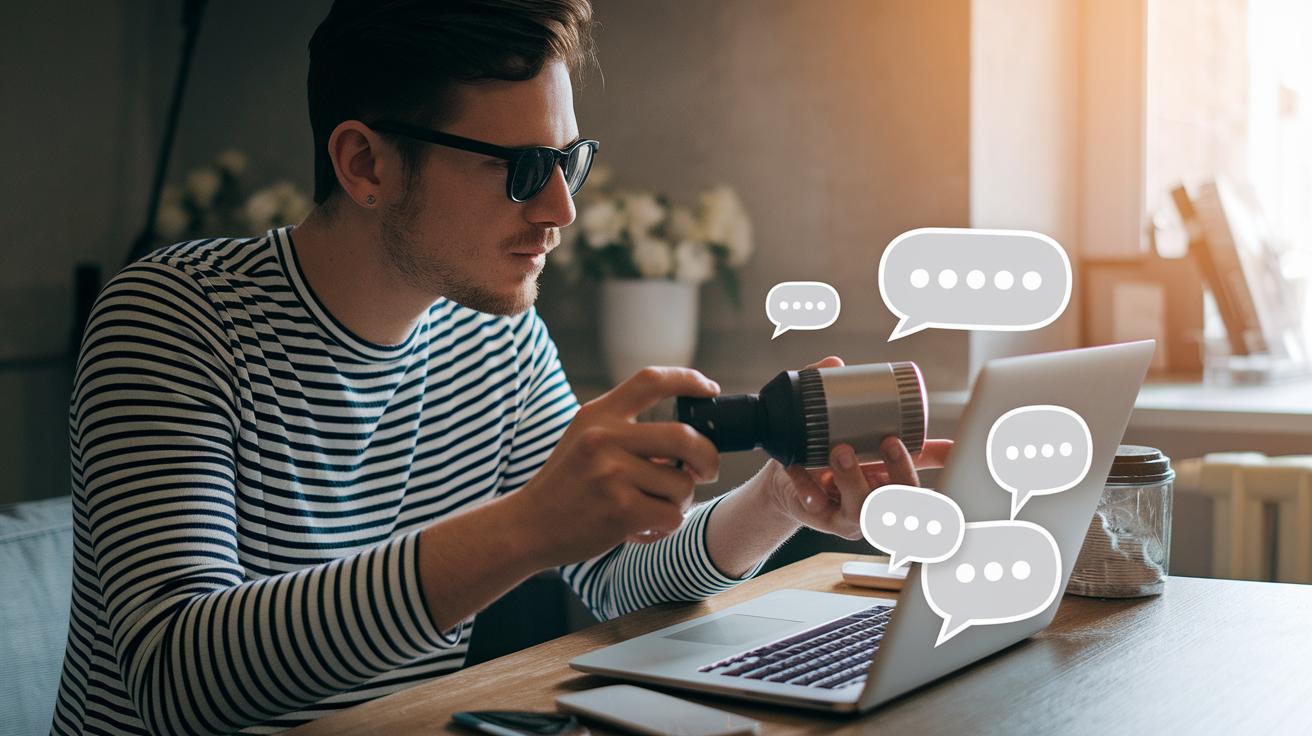
Influencer marketing in ecommerce works by tapping into different levels of influence, each with its own charm. Smaller influencers focus on tight-knit, niche communities and offer recommendations that feel like advice from a friend. Bigger influencers, on the other hand, deliver a broad reach with steady, memorable messaging that boosts a brand’s presence. This mix gives brands a handy set of tools to form genuine connections.
Micro-Scale Influence Tactics: description
Micro-influencers (with follower counts between 10k and 100k) connect deeply with their communities. Their shout-outs feel like a trusted tip from someone who really knows the scene, making them perfect for brands targeting specific groups.
Nano-Scale Promotion Trends: description
Nano-influencers, usually with fewer than 10k followers, bring a personal touch that feels almost like a friend’s recommendation. Their close, one-on-one interactions help each product mention feel sincere and spark natural buzz.
Macro-Scale Trend Insights: description
Macro-influencers, often with over 500k followers, deliver huge visibility. Their professionally crafted content and wide reach amp up mass awareness and drive a lot of organic traffic, all while reinforcing a brand’s core values.
Long-term partnerships with these influencers help build real trust. By working with them over time, brands not only boost engagement but also nurture customer loyalty.
AI Integration & Real-Time Analytics in Ecommerce Influencer Campaigns
The blend of artificial intelligence and real-time analytics is completely changing how ecommerce influencer campaigns are run. Brands now have the power of smart algorithms that reveal where audiences overlap and help predict engagement. This means picking the right influencer is more thoughtful than ever, letting marketers time their messages perfectly to catch their audience’s attention.
AI tools dive into huge amounts of data to find influencers who feel like the perfect match for a brand. They look at everything, from engagement trends to who’s following these influencers, to make sure the right partnerships are formed. Think of it as picking the right ingredient for a recipe; it simplifies the search and boosts the chances of a great return on investment.
Real-time analytics give you the flexibility to adjust your strategy on the fly. As a campaign unfolds, data from tracking systems offers fresh insights, helping you tighten up creative content, adjust who you’re targeting, or reallocate the budget. This nimble approach ensures you’re always in step with how consumers are behaving and what the market is demanding.
Interactive features like live streams and augmented reality filters are adding a whole new layer to influencer content. These engaging tools create moments where products naturally fit into the digital story, encouraging shoppable actions and raising customer interaction to new heights.
Case Studies & Best Practice Frameworks for Ecommerce Influencer Campaigns

Real-life examples shine a light on how to make influencer marketing work big time. Cases like Wicked Egg, Nest Brush, and Fashion Nova show different ways to boost engagement and drive conversions.
Wicked Egg Campaign Insights:
Wicked Egg rocked its campaign with fun, interactive videos that showcased its innovative pet toy dispenser. Offering discount codes sparked an instant urge to try the product, almost like watching a mini performance that elevates a simple demo into an exciting marketing moment.
Nest Brush Unboxing Strategy:
Nest Brush tapped into the power of influencer unboxing sessions, treating each reveal like a genuine personal recommendation. This approach not only made the content highly shareable but also lifted conversions by 25%, creating a buzz among viewers who trusted the influencer's honest take.
Fashion Nova Meme Tactics:
Fashion Nova chose a creative route by using meme-driven content with micro-influencers. Mixing humor and relatable posts, they boosted brand momentum and built a vibrant community that resonated with the fun, shareable energy of the campaign.
A solid 5-step framework starts by setting clear campaign goals and pinpointing influencers who match your brand’s vibe. Next, you craft simple yet creative guidelines, then kick off the campaign with collaboration tools, and finish by tracking every key metric along the way.
By combining performance-based promotion with smart customer acquisition strategies, brands can transform influencer partnerships into powerful, lasting connections that not only drive sales but also strengthen customer loyalty.
Forecasting Future Influencer Marketing Ecommerce Trends
Virtual and AI-generated influencers are quickly emerging as a reliable option for brands looking to keep their messaging consistent. As technology races ahead, companies are turning to these digital characters to share their values and engage audiences in new and interactive ways. In fact, this trend shows that our ability to predict market changes will soon depend on advanced tech and creative storytelling.
Shoppable posts are popping up everywhere, from mobile screens to the latest platforms. At the same time, immersive tech like augmented and virtual reality is transforming how customers discover products. Now, multi-channel strategies combine live streaming, social commerce, and in-app shopping into one smooth experience. It’s exciting to see how these developments encourage fast decisions and deeper exploration.
Long-term partnerships are also making waves in influencer marketing. More brands are choosing to build lasting relationships with influencers who truly represent their core values. This approach doesn’t just boost repeat business, it builds real trust with customers. In other words, as market dynamics keep shifting, these enduring connections ensure brand loyalty is only getting stronger.
Final Words
In the action of exploring top influencer marketing ecommerce trends shaping 2024, we reviewed essentials like data-driven influencer selection and platform-specific tactics. We saw how micro, nano, and macro segments, together with AI analytics, boost ROI and customer loyalty. Real-world case studies provided clear insights into practical measures and campaign performance. Embracing influencer marketing ecommerce trends positions brands to excel and drive efficient conversions. This fresh perspective fuels opportunity and propels growth in the dynamic world of digital commerce.
FAQ
What is influencer marketing in ecommerce?
Influencer marketing in ecommerce means using trusted social media figures to promote products and services. This approach builds credibility and trust, expands audience reach, and drives organic traffic to boost brand exposure.
How is influencer marketing built?
Influencer marketing is built on authentic collaborations where influencers offer genuine product endorsements. This approach involves careful selection, clear messaging, and ongoing partnerships that resonate with audiences while driving engagement and conversions.
What are influencer marketing best practices in ecommerce?
Influencer marketing best practices include partnering with influencers whose audiences align with your brand, creating authentic and relatable content, and using strategic calls to action like discount codes. These strategies effectively drive engagement and boost ROI.
What do influencer marketing articles usually cover?
Influencer marketing articles typically cover industry trends, campaign case studies, and practical strategies. They offer insights into successful partnerships, content creation techniques, and performance analytics to help brands refine their influencer initiatives.
How do influencers promoting products work?
Influencers promoting products share genuine endorsements and creative content that highlights product benefits. By connecting with their audience at a personal level, they build trust and stimulate interest, resulting in enhanced brand awareness and higher engagement.
What are the types of influencer marketing in ecommerce?
Types of influencer marketing include micro, nano, and macro segments. Each category offers unique advantages—from niche community engagement and authentic peer recommendations to extensive reach—enabling brands to precisely target and connect with diverse audiences.
How does partnering with influencers benefit brands?
Partnering with influencers benefits brands by expanding exposure through trusted endorsements and authentic content. These collaborations drive organic traffic, improve customer loyalty, and result in measurable increases in sales and overall return on investment.