

Ever thought your mobile app might be costing you a sale or two? Recent numbers show more people are downloading apps and hanging out on them longer than ever, which tells us that mobile commerce is really shaking up the shopping game.
Shoppers are switching from desktops to apps because apps are simply faster and easier to use. Clear layouts and speedy checkouts make for a smooth shopping trip, which means happier customers and stronger growth.
Today, we're diving into five mobile app trends that are reshaping online shopping. Let's take a closer look at how these trends might just change the way you think about your own mobile strategy.
Top ecommerce mobile app trends driving market growth
Mobile commerce is on fire these days. Insights from digital trends and smart sales strategies are pushing it to new heights. Shopify even predicts mobile commerce could hit $710.4 billion soon. That’s a clear sign that shoppers are moving away from desktop sites and diving into mobile apps. In fact, Q1 2023 saw 27 billion downloads on Google Play, and users now spend 332% more time on their devices – a testament to how much smoother and immersive app shopping can be.
This shift isn’t just a number on a report, it’s changing the game. Brands around the world are using fresh technologies to craft shopping experiences that truly stand out. Think one-click ordering, smart interfaces that adapt to your needs, and super-fast load times. All these features combine to make the shopping journey hassle-free, boosting customer satisfaction and driving real revenue growth.
Retailers have taken notice, too. They’re pouring resources into innovations that blend real-time analytics with personalized experiences. By tweaking layouts and navigation based on live data, they’re seeing better conversion rates and more sales. It’s a clear reminder that in today’s market, a data-driven approach isn’t just smart, it’s essential.
As mobile apps take center stage in online shopping, savvy investors and business leaders understand that these trends are here to stay. Embracing mobile technology isn’t an option anymore; it’s the key to staying competitive in a quickly evolving marketplace.
Ecommerce mobile app UX and interface design enhancements
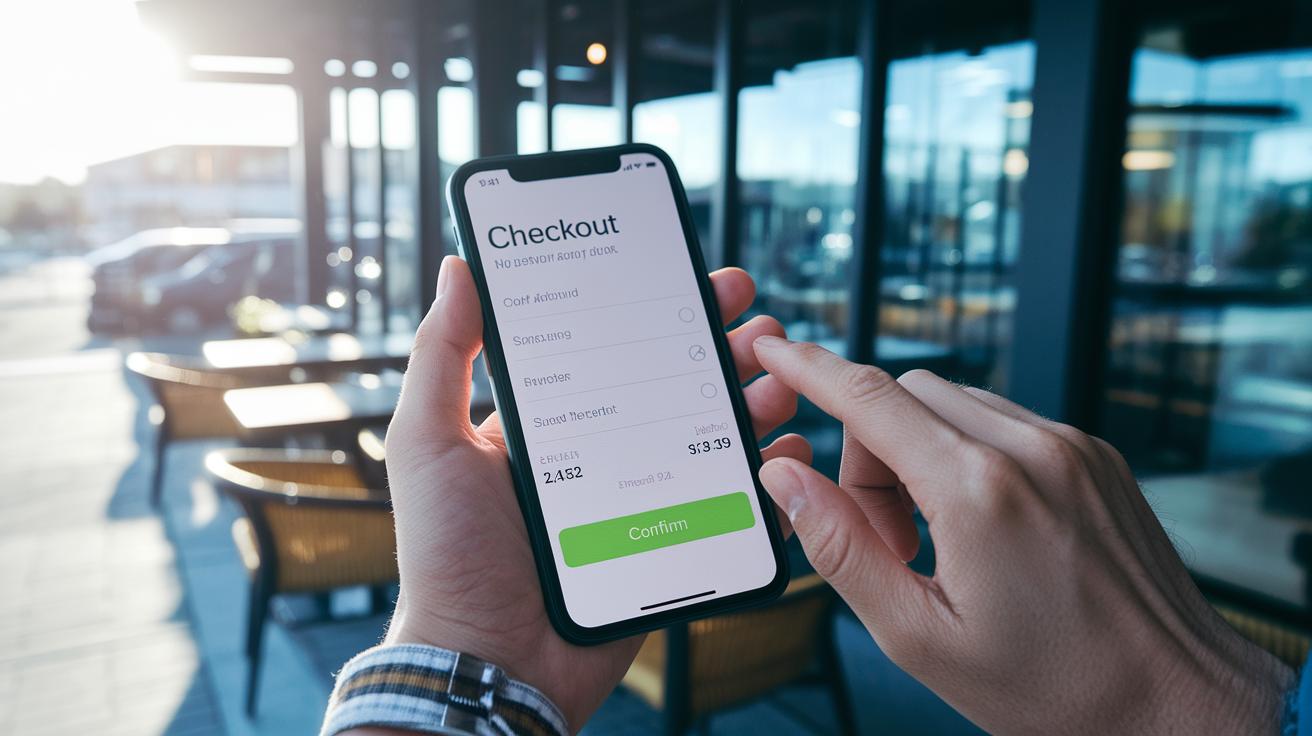
Mobile app users expect clear and speedy experiences. Recent data shows bounce rates jumped by 54% this year, mostly due to slow and confusing interfaces and error messages in everyday network settings. One case study even revealed that reworking the checkout page boosted conversions by 21%. It’s a solid reminder that a smoother interface can significantly boost both engagement and sales.
Consider this surprising fact: redesigning just one page led to a 21% increase in conversions. It really highlights the value of streamlining every step in the process.
Here are five best practices to help refine mobile interactions:
- Enable one-tap checkout flows
- Use adaptive layouts and responsive grids
- Follow WCAG 2.1 rules to keep your design accessible and inclusive
- Add real-time performance monitoring tools
- Use privacy-first UI design patterns
These tips aren’t just trendy ideas. Modern tools now capture how pages render instead of just looking at pixels, making it easier to find and fix issues. Adaptive design not only minimizes real-world errors but also fits various device capabilities. And with privacy-first patterns, you protect user data and build trust right from the start.
A clean, user-centered design keeps the shopping journey intuitive and hassle-free. It turns casual visitors into loyal buyers by making every step, from browsing to checkout, a real pleasure.
Emerging ecommerce mobile app technologies to watch
Mobile commerce tools are changing the shopping game. Augmented reality now acts like a personal fitting room right on your phone. Imagine trying on clothes virtually, this cool feature can also cut down on returns by mirroring the in-store experience, making customers happier and boosting sales.
Voice search is making waves too. From $4.6 billion in 2021, voice commerce jumped to $19.4 billion by 2023. Picture this: you say, "Add these sneakers to my cart," and your order goes through without a hitch. It’s a simple, hands-free way to shop that speeds up the checkout process and keeps things feeling intuitive.
AI-driven chat support is here to help as well. With smart chatbots available around the clock, customers can get quick answers for common questions. Ever had a query about return policies that got an instant, clear response? That’s exactly what these virtual assistants offer, ensuring you’re never left waiting.
New tech integrations, like generative AI and flexible backends, are also making updates a breeze. With platforms like the Buildfire SDK, developers can create and customize niche apps that meet modern demands. This way, mobile commerce stays fresh, engaging, and just plain efficient.
Ecommerce mobile app personalization and analytics strategies

Advanced analytics and AI personalization are completely changing the way mobile commerce connects with customers. These systems offer smart product suggestions that guide shoppers toward items they are more likely to buy, which can lift the average order value. It’s like having a digital assistant on your phone that really knows what you need.
Mobile sessions are now stretching dramatically longer, giving brands a rich pool of data to track every step of the customer journey in real time. With unified analytics cutting through data silos, retailers can quickly adjust offers based on what users are doing right then and there.
Modern session replay diagnostics now capture the actual instructions that create what you see on screen instead of just recording pixels. This means devices use less battery and the tools provide much more accurate insights. And with A/B testing in place, businesses can fine-tune everything from simple interface details to complex checkout flows, boosting conversion rates and overall revenue.
Businesses that closely track customer behavior and engagement are seeing impressive results. For example, one real estate app managed to cut its churn rate by 15% using specially tailored iOS metrics and behavioral insights.
By blending AI personalization with detailed mapping of the customer journey, brands can offer truly tailored promotional experiences. Data-driven strategies, teamed with ongoing real-time testing, not only improve the performance of an app but also drive revenue growth and increase customer loyalty. In today’s fast-moving mobile commerce world, advanced analytics is truly essential.
Cross-platform and omnichannel ecommerce mobile app solutions
Today, businesses are blending mobile apps, websites, and physical outlets into one smooth and unified experience. Customers expect a familiar look and feel, no matter where they shop. This trust naturally boosts loyalty.
When companies use cross-platform solutions, they simplify daily operations and keep customers engaged. For instance, tools like Buildfire’s plugin marketplace let developers add new features with just one click, making apps agile and easy to update. And when heavy traffic hits during flash sales or seasonal peaks, cloud-native systems automatically adjust to keep everything running smoothly.
API integration frameworks tie together your point-of-sale systems, CRM software, and even IoT devices. This real-time data flow ensures stock updates and customer interactions happen instantly. In short, merging the digital and physical worlds creates that true omnichannel experience modern businesses need.
Using these smart strategies not only meets today’s shifting consumer preferences but also drives revenue growth. Next, explore more about seamless channel integration in omnichannel ecommerce through the available resources.
| Integration Layer | Key Benefit | Example |
|---|---|---|
| API & Microservices | Real-time data sync | Inventory updates |
| Cloud Infrastructure | Auto-scaling during peaks | Flash sales |
| Device Connectivity | Unified UX | In-store QR scan |
Ecommerce mobile app payment security and wallet integration

Mobile commerce is shaking up how we shop, and secure payment options are more important than ever for building trust and driving growth. Services like Apple Pay and Google Pay make one-tap checkouts a breeze by cutting out extra steps and offering contact-free transactions. With digital wallets, you get a smooth, safe checkout even as mobile spending climbs.
Tech is stepping up to fight fraud with smarter security protocols. One cool example is blockchain, which checks transaction details to ward off fraud. Plus, biometric tools like fingerprint and facial recognition add another layer of security. Ever had your bank app ask for a quick fingerprint scan? It’s just making sure it’s really you making the purchase.
Now, multi-factor checks aren’t just a nice-to-have, they’re essential in today’s mobile world. Meanwhile, apps need to follow strict privacy rules like GDPR and CCPA to keep your data safe during long sessions. Together, these strong security practices and reliable digital wallet features are pushing mobile commerce forward.
5 ecommerce mobile app trends Boost Growth
Mobile apps are now the heart of modern retail, turning everyday interactions into opportunities to grow your customer base. Social commerce on platforms like Instagram and TikTok is proving effective at transforming casual browsers into loyal buyers. Retailers have even seen conversion rates jump by up to 21% when they offer in-app loyalty rewards that celebrate every little win and prompt repeated visits. Subscription services are also making a mark, boosting customer lifetime value by around 25% as buyers appreciate the ease of scheduled deliveries or access to special perks. And referral programs? They’re converting satisfied customers into enthusiastic brand ambassadors, increasing new user acquisition by about 30% with each recommendation.
Here are some actionable tips that are making waves in mobile commerce:
- Leverage social selling to spark immediate interest and drive impulse purchases.
- Integrate loyalty rewards that give instant benefits, keeping customers engaged.
- Launch subscription deals that make repeat purchases effortless and build a steady revenue stream.
- Develop referral campaigns that inspire users to invite their friends.
- Embrace a multichannel approach that ties together mobile, web, and even in-person experiences for a smooth brand journey.
In short, mobile apps have grown into much more than just shopping tools. They now serve as dynamic platforms for building long-term relationships with customers. By putting user experience at the center of every update, retailers can enjoy better retention, increased trust, and solid revenue gains in today’s fast-moving mobile market.
Final Words
In the action, we covered a range of topics, from optimal UX practices and emerging technologies like AR and AI to data-driven personalization and robust payment security. We also examined seamless cross-platform integrations and strategic retention techniques that boost customer loyalty.
These insights on ecommerce mobile app trends empower decision-makers with actionable strategies and data-backed forecasts. With innovative approaches steering growth, businesses are well-equipped to capitalize on market shifts and embrace tomorrow’s commerce with confidence.
FAQ
What are ecommerce mobile app trends in 2022?
The ecommerce mobile app trends in 2022 highlight a move toward app-based shopping, longer mobile session durations, and increasing consumer reliance on smooth, intuitive app experiences as businesses drive market growth.
What are some key mobile e-commerce statistics?
The mobile e-commerce statistics reveal Shopify forecasting mobile commerce volume to reach $710.4 billion, 27 billion app downloads on Google Play in Q1 2023, and mobile sessions lasting 332% longer than before.
How much online shopping is done via mobile platforms?
Online shopping on mobile platforms is strong, with 64% of consumers choosing apps over mobile sites, which underscores the growing preference for streamlined and secure shopping experiences via mobile devices.
What does m commerce in the USA involve?
M commerce in the USA involves a growing trend of using mobile apps for everyday transactions, featuring streamlined checkouts, robust digital payment methods, and enhanced user experiences that drive increased sales.