Ever wondered if your website's design might be stopping customers from clicking "buy"? Many online shops now sport cleaner, mobile-first layouts and engaging videos that really tell a brand’s story. These updates combine smooth navigation with creative visuals, turning casual browsers into eager buyers.
It's not just about looks. Today’s trends ramp up performance and refresh your digital storefront for maximum impact. Read on to discover how modern design trends can spark a brilliant update for your e-commerce site.
Understanding the Latest Ecommerce Design Trends
Retailers are reimagining their online shops with a mix of fresh design and smart functionality that boosts performance. Many are prioritizing mobile-first layouts to ensure that smartphone users enjoy smooth, touch-friendly experiences. Eye-catching videos, from engaging intros right at the top of the page to clear product demonstrations, weave together a captivating story for visitors, while gentle page transitions keep interest alive.
The design itself is taking a clean, modern turn. Minimalistic looks with neutral tones and bold typography help focus attention on the products. New navigation styles, whether inspired by neubrutalism or customized for the user, make it easier for shoppers to find what they need and move confidently toward a purchase. For a broader view, check out ecommerce industry trends.
Emerging tech is also transforming the user experience. Blockchain is adding a layer of transparency to transactions, and voice search is gaining ground with the rise in smart speakers at home. Retailers are offering more flexible payments, from traditional credit cards to digital wallets and BNPL (buy now, pay later), to create smoother checkouts and cut down on abandoned carts. Customizable commerce stacks and subscription models now let brands craft unique, loyalty-building digital experiences. Even B2B platforms are keeping up, featuring tailored pricing and easier reordering, while AI chatbots provide near-human responses that enhance customer service.
Together, these trends are more than just new looks, they’re reshaping brand identity and driving conversion rates, encouraging businesses to step up with innovative, performance-driven design strategies as we move into 2025.
Mobile-First Ecommerce Design Trends
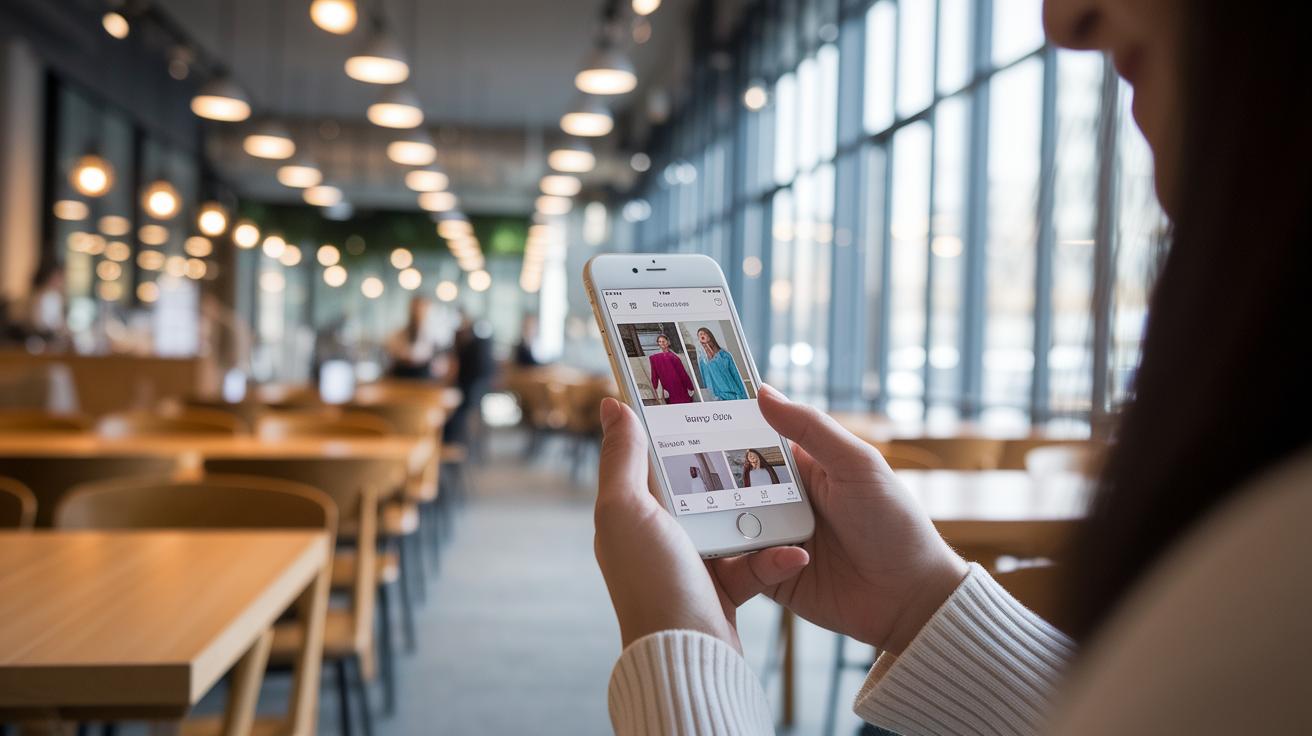
Mobile-first design puts smartphone shoppers center stage, tailoring every detail of an online store for smaller screens. It adapts layouts in real time so that images load quickly and buttons are easy to tap. The result is a seamless shopping journey that keeps users engaged, no matter what device they use. Think of it like a digital storefront that adjusts on the fly, offering a smooth, frustration-free experience, clear and compelling, much like an eye-catching ad.
Many design teams today are turning to mobile-first strategies to streamline site navigation and simplify the checkout process. By focusing only on what matters and cutting out the clutter, brands can effortlessly guide users from browsing to buying. This approach not only saves time but often boosts conversion rates by delivering exactly what customers need when they need it. Consider these core mobile-first design elements:
- Responsive grid systems
- Tap-friendly navigation and call-to-action buttons
- Optimized images with compression and lazy loading
- Simple mobile forms and one-page checkouts
- Prioritized content that shines on smaller screens
Immersive Visual and Interactive Ecommerce Design Trends
Online shopping is getting a whole new look with designs that feel more like engaging experiences than just a sales page. Brands now greet you with short intro videos right at the top, think of them as captivating trailers that share their story immediately. These videos, along with product clips and storytelling sequences, invite you to explore more without missing a beat. Smooth transitions between pages tie everything together, keeping your experience seamless and engaging.
Micro-interactions are changing the game, too. Animated buttons and subtle scroll effects make every tap or hover feel like a little reward, adding that fun, intuitive touch to browsing. Whether it’s a carousel of high-resolution images or a 3D product display, these interactive galleries help products come to life. Together, these updates make online shopping feel less like a task and more like stepping into an interactive event.
Minimalistic Ecommerce Design Trends with Bold Layout and Typography
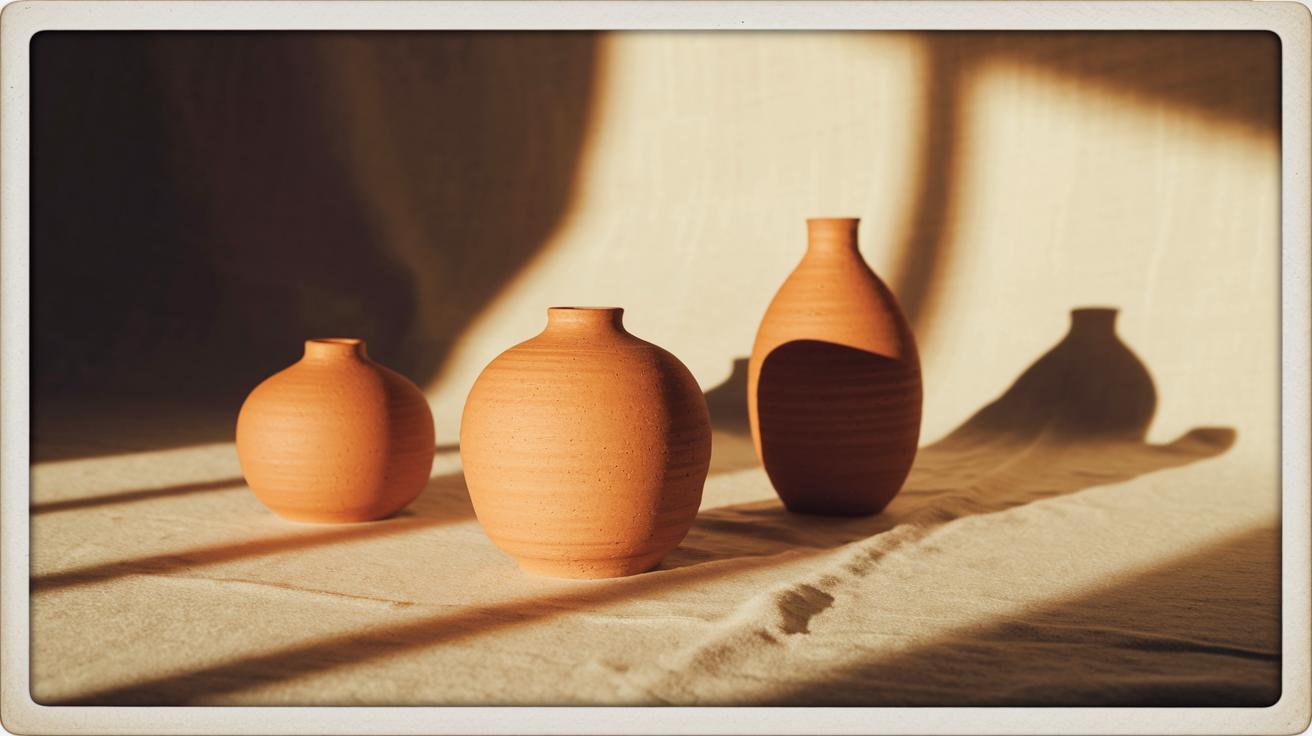
Minimalism in ecommerce design is sparking fresh ideas for online stores. Retailers are cutting out extra clutter and using a soft, neutral color palette so that their products shine without distractions. Clean layouts with plenty of white space help key messages and visuals pop, while bold typefaces add personality and guide your eyes to what’s most important.
Then there are creative, offbeat layouts that mix things up. Think of multidirectional grids and asymmetric designs that break away from the norm. These inventive arrangements create room for products to breathe and keep shoppers exploring. With just a few well-placed color accents, each page naturally leads the visitor toward the next step, often a key call to action. This blend of sleek minimalism and striking typography isn’t just about looking good; it boosts brand identity, streamlines navigation, and ultimately nudges customers closer to making a purchase.
Technology-Driven Ecommerce Design Trends
Blockchain is stepping up by showing off its security badges at checkout, giving shoppers that instant sigh of relief. Imagine browsing online and spotting a "Verified by blockchain" badge right next to the payment area, it builds trust in a flash.
Voice search is taking off, too. With more folks using smart speakers, finding products becomes as easy as asking a quick question. It turns the whole shopping experience into a friendly conversation.
Augmented reality is also making digital shopping feel more real. Virtual try-ons let you see accessories or even check out how a new piece of furniture would look in your own living room, all in real time. It’s like stepping into a mini showroom from the comfort of your home.
Then there’s AI-driven customization, a real game-changer. Retail sites are using smart algorithms to tweak homepage layouts based on how you shop. This means that product suggestions and page elements update on the fly, ensuring you always see what’s most relevant. For example, when a fashion trend hits, a retailer might quickly rearrange banners to feature seasonal must-haves.
These tech innovations aren’t just fancy upgrades, they’re reshaping how we shop online, making the experience smoother, more personalized, and ever more competitive in today’s fast-moving market.
Commerce and Checkout Ecommerce Design Trends

Ecommerce shops are making checkout a breeze by adding fun, animated progress bars and little pop-up hints along the way. One retailer even lowered cart drop-offs by 15% by using a visual progress bar that lights up as each step is finished, giving buyers a friendly nudge throughout the process.
Smart forms are also getting a facelift with real-time checks and flexible input fields on one-page checkouts. Imagine filling out a form that instantly spots a typo in your email address and gently asks you to fix it, this smooth approach helps shoppers complete their purchase faster.
Payment options are evolving too. Now, you can switch easily between paying by credit card, digital wallet, or even buy-now-pay-later, all while seeing clear security cues. Thanks to modern tools like modular APIs, checkouts can quickly flip from a one-time purchase to a subscription model with just a tap, making the experience feel almost magical during busy sales.
Even B2B platforms are catching up. With custom pricing displays and one-click reordering, bulk buyers now enjoy the same user-friendly experience as everyday shoppers, keeping the whole process simple and straightforward.
Sustainable and Cohesive Ecommerce Design Trends
Designers today are making eco-friendly choices a core part of their work. They know that modern shoppers love when brands show real commitment to the environment. Features like recycled material textures, green badges, and clear carbon footprints aren’t just decorative, they tell a story of responsibility. It’s a bit like adding a whisper of nature into your brand’s visual chat.
Staying consistent across every online touchpoint is just as vital. Using unified colors, well-thought-out fonts, and clear messaging ties a brand’s identity neatly with its values. By blending product storytelling with a genuine green promise, retailers create experiences that feel both authentic and welcoming. This approach builds lasting trust with customers who value quality and sustainability.
Final Words
In the action, we explored key shifts in online design that blend mobile-first approaches, immersive visuals, bold layouts, tech integrations, optimized checkout flows, and sustainable practices. Each focus piece demonstrates how fresh ideas boost user engagement and conversion rates. When you consider the overall impact, these ecommerce design trends offer a clear blueprint for creating sites that feel both current and intuitive. Keep these insights in mind as you shape your strategy, and stay positive while watching your online presence grow.