Did you know your voice might soon shape a multi-billion-dollar market? In just a few years, voice shopping is expected to boom, completely changing the way we buy things.
Imagine millions of devices eagerly waiting to hear your every command. It’s like stepping into a future where your spoken words can make online shopping smoother and more personal. This shift is making transactions faster and changing the retail scene as we know it.
In this post, we’ll explore how voice technology is streamlining shopping and opening the door to a whole new world of retail. Ready to see how your everyday words could be at the heart of this dynamic growth?
Voice Commerce Trends: Dynamic Growth Ahead
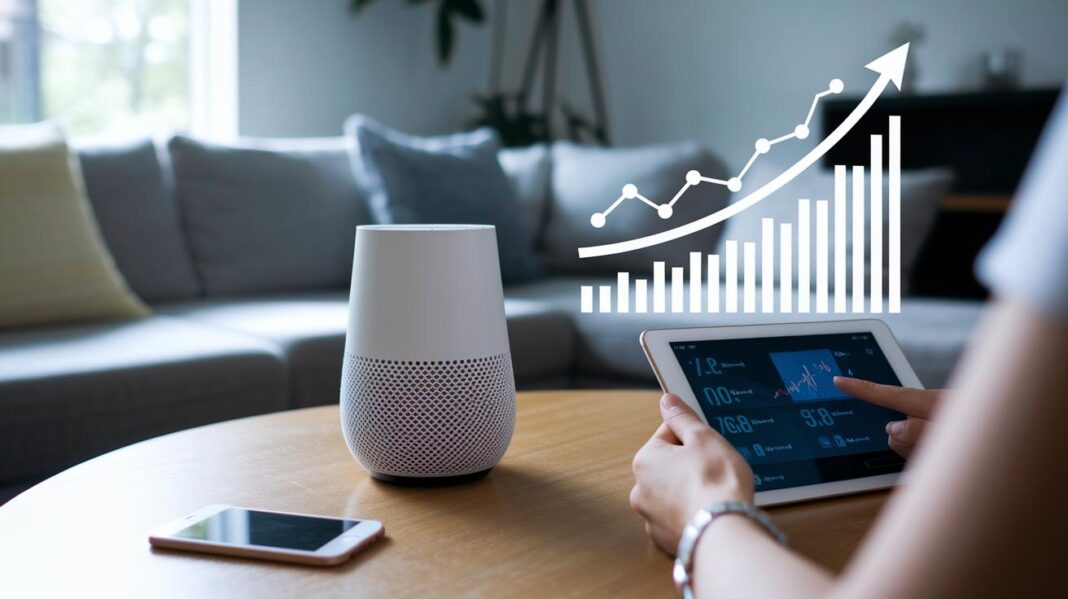
Voice commerce isn’t just a futuristic idea anymore, it’s quickly becoming a key way people shop. In 2023, studies valued this market at about $34.21 billion, and experts now expect it to surge to $186.28 billion by 2030, even reaching $286.87 billion by 2033. With a steady annual growth of around 24%, some estimates even suggest it could hit $75 billion as soon as 2025. Wow, talk about a booming trend!
Think about the digital assistants many of us have at home. In 2024, there are roughly 8.4 billion of these devices worldwide. These helpers make shopping simpler by letting us use voice commands to shop, whether it’s ordering groceries or booking a service. Back in February 2019, over 100 million Alexa devices were sold, an early sign of just how eager households are to embrace voice technology.
Today, voice commerce is a crucial part of e-commerce. Retailers are slowly moving away from traditional clicking and typing, shifting instead toward easy, hands-free voice transactions. This change not only makes shopping smoother and faster but also brings a fresh twist to how we interact with online stores. Have you noticed how quickly we adapt to new tech?
Overall, the numbers and trends speak for themselves. With more people jumping on board and shopping habits evolving, voice commerce is not just growing, it’s set to redefine the whole digital shopping experience.
Consumer Adoption Patterns in Voice Commerce Trends
Almost half of U.S. shoppers, about 128.4 million people, now use voice search when they shop. This isn’t just a passing fad; it's a clear sign that our buying habits are evolving. For instance, 74% of these users complete at least part of their purchases using conversational voice assistants, showing growing trust in hands-free transactions.
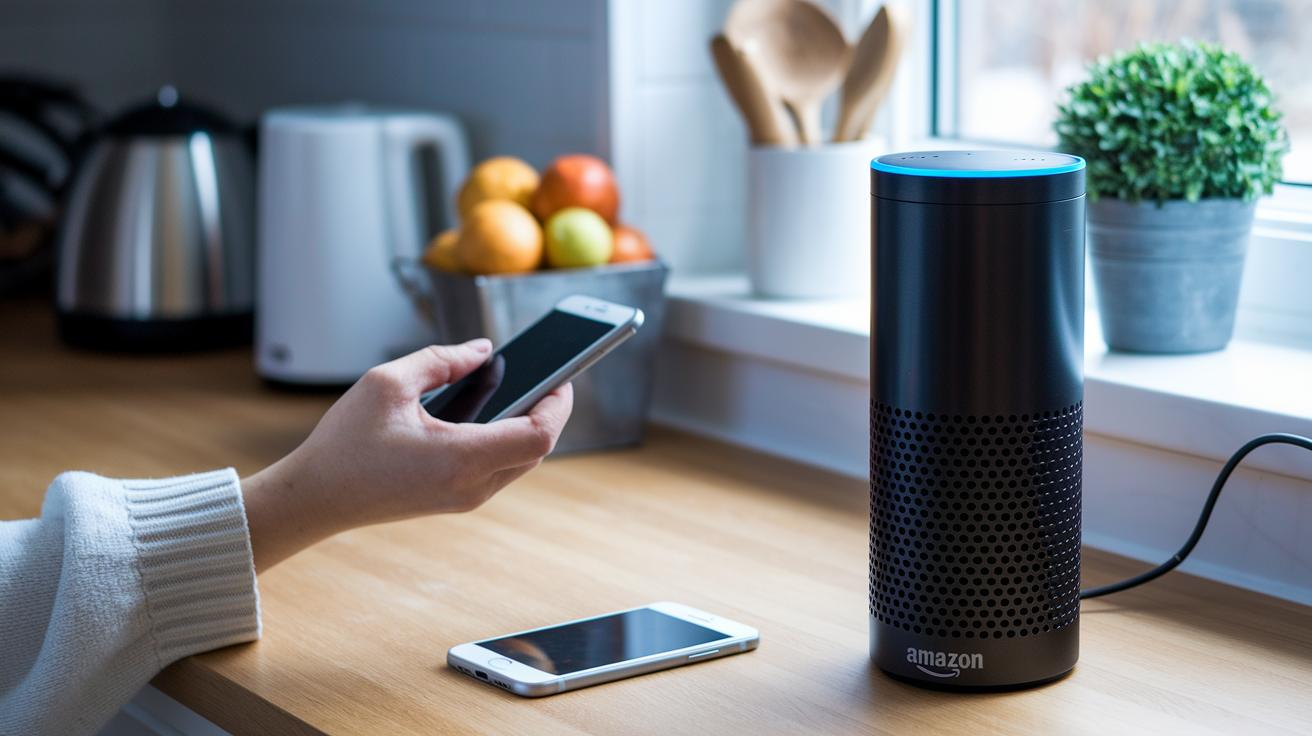
Amazon Echo leads the way, holding over two-thirds of the U.S. smart speaker market. Its powerful capabilities let people shop without ever touching a screen. Think about it: nearly one in two buyers now relies on spoken orders to make their shopping easier. This change not only smooths out transactions but also encourages spur-of-the-moment buys, especially when users are busy multitasking.
Moreover, roughly 58% of voice searches help people discover local businesses. This means voice commerce is giving a boost to small, nearby shops by letting them reach more customers. Overall, these trends highlight how smart, voice-driven orders are transforming the way we shop, making the process more efficient and refreshing the entire buying experience.
AI and Smart Speaker Innovations Shaping Voice Commerce Trends
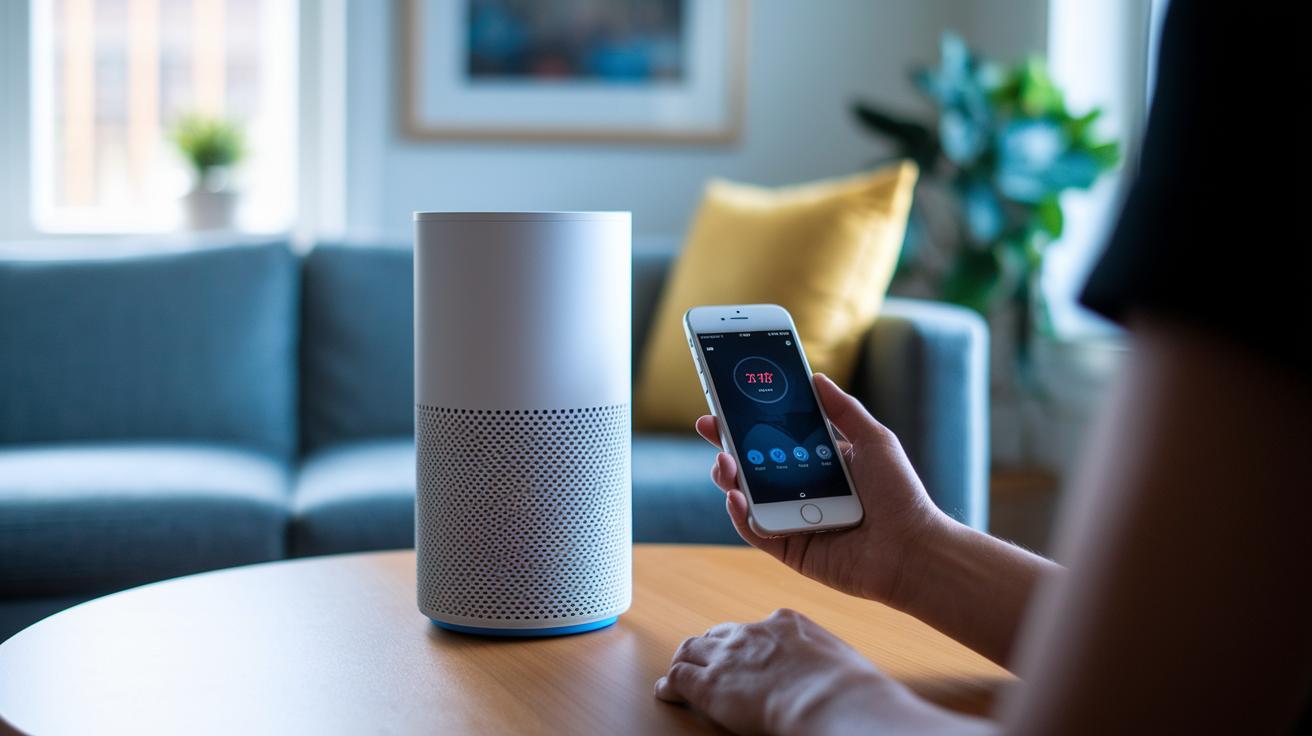
Innovative AI tools like Google’s BERT, advanced speech-recognition systems, and smart machine-learning models are changing the way we shop using our voices. They help devices understand everyday language so you can complete your purchase with just a simple spoken command. Picture this: you ask your device to "find the best running shoes" and it instantly offers up tailored suggestions, much like having a smart friend who really gets you.
Each platform has its own strengths. For example, Amazon Alexa lets you handle the entire purchase process from start to finish with ease. Google Assistant makes finding products a breeze with its excellent search integration. And while Apple Siri may offer limited shopping features, it connects you with a high-income audience of iOS users. Imagine saying a quick query and being led directly into a smooth, integrated shopping experience.
| Platform | Key Feature | Commerce Capability |
|---|---|---|
| Amazon Alexa | End-to-end purchase flows | Complete transaction support |
| Google Assistant | Superior search integration | Robust product discovery |
| Apple Siri | Access to high-income users | Limited commerce functionality |
Devices like the Amazon Echo, Google Nest, and Apple HomePod are behind these exciting innovations. They’re quickly becoming household staples, with AI that learns from each interaction to fine-tune its recommendations and make ordering smoother. It’s a bit like chatting with a friend who grows wiser with every conversation.
As natural language processing keeps improving, voice commerce will only get more intuitive and engaging. Whether you’re reordering your favorite items or exploring new products, smart speakers are reshaping the shopping experience into something truly effortless and fun.
Case Studies Illustrating Successful Voice Commerce Trends
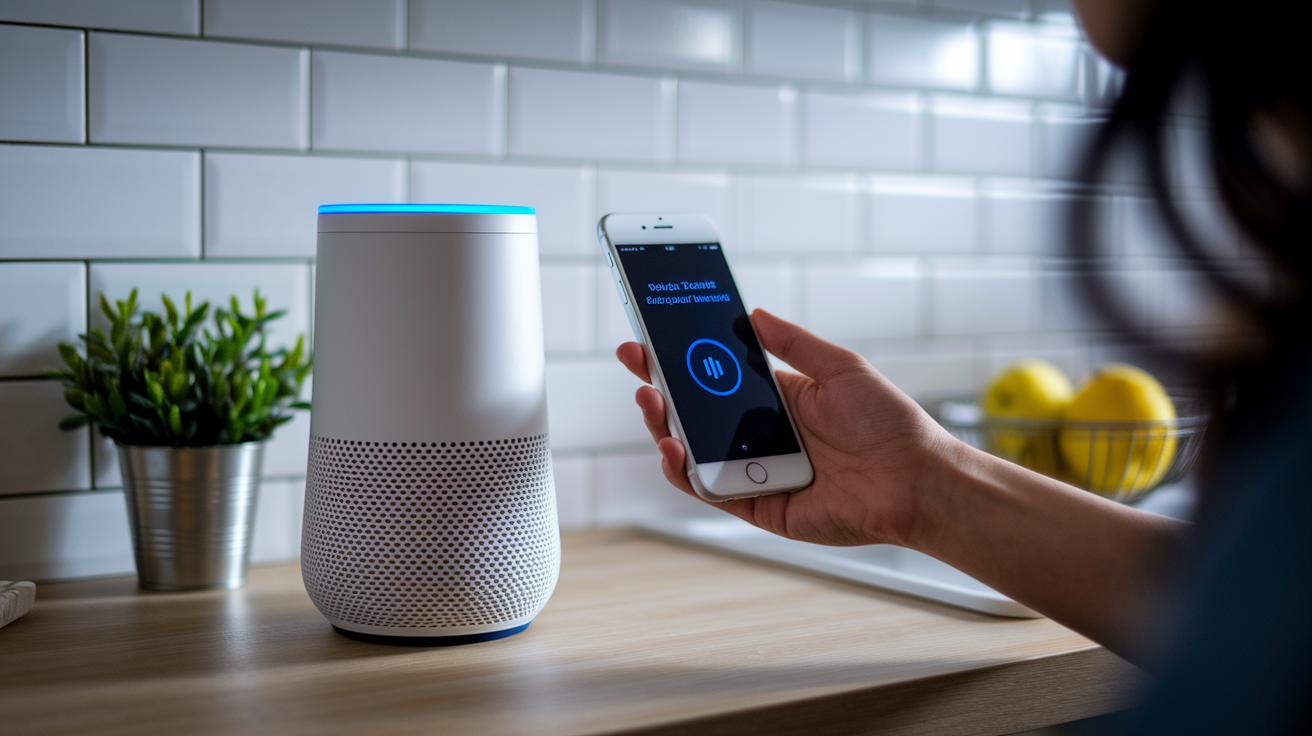
Grocery shopping is getting a major upgrade. Big names like Walmart and Amazon now let you order your essentials simply by talking. Picture yourself in the kitchen, casually saying, "Add bread and milk to my cart," and just like that, your favorite items are lined up for purchase. It’s a game-changing move that makes shopping feel totally natural and perfectly suited for busy households.
In the financial world, voice technology is changing how we handle everyday banking. Now, you can ask your bank about your balance, transfer money, or pay bills just by speaking to a digital assistant. Imagine saying, "What's my current balance?" and getting an instant, spot-on reply. This hands-free method makes managing money feel as simple as having a quick conversation, saving you the hassle of navigating through complicated apps.
Local retail is also enjoying the perks of voice commerce. Recent data suggests that 58% of people use voice commands to find neighborhood businesses, which gives small retailers a valuable way to reach new customers. Whether you’re looking for a cozy café or a unique boutique, voice searches help drive traffic both in stores and online. And it doesn’t stop there, voice ordering is popping up in cars, smart appliances, and even public kiosks. Just imagine driving and saying, "Reorder my favorite coffee," while your car or smart device handles the rest. These examples show how voice commerce is turning regular shopping into a smoother, more engaging adventure.
Security, Privacy, and Integration Challenges in Voice Commerce Trends

Voice commerce offers a hands-free, smooth shopping experience, but it isn’t without its bumps. Technical issues and rule-following problems still pop up, especially when systems struggle with different accents and dialects. Even though leading platforms support many languages, most still lean heavily on English, which can cause mix-ups with orders and muddle the overall experience.
There’s also a big worry about unauthorized transactions and data misuse. When voice-activated systems are in play, companies have to be extra careful about breaches and fraud. That’s why having strong privacy policies and encryption is key to protecting customer details and keeping trust intact. Businesses often face a choice: some platforms offer top-notch commerce tools, while others shine in search or appeal to unique audiences. Each option has its trade-offs, so it’s important for companies to weigh what matters most.
Then, there’s the extra layer of meeting various regulatory demands. Keeping up with different privacy laws and digital trade rules means voice commerce providers must regularly upgrade their security practices. Companies need to mix in secure integration methods that guard transactions while keeping the process easy for users. As tech gets sharper and language recognition improves, staying on top of these challenges remains a must in our fast-changing market.
Future Outlook and Forecasts for Voice Commerce Trends

Voice commerce is growing fast, with experts expecting it to jump by over 20% each year until 2034. This surge comes as smart home devices and the internet of things become part of our daily routines. Imagine a world where talking to your devices for shopping feels as natural as asking a friend for a favor. Projections even suggest the market could top $286.87 billion by 2033, a sign that our shopping habits are in for a big change.
Ambient commerce is emerging as another exciting trend in this space. Think about ordering a coffee by simply speaking to your car on your morning drive, or having your smart fridge automatically trigger a grocery delivery when you’re running low. These everyday scenarios show how our surroundings are slowly turning into interactive shopping hubs, making convenience a priority.
Driving this change is the wide adoption of smart home setups and smart strategies by businesses. As more companies weave voice interactions into their operations, you’ll find it easier than ever to place orders on the go or set up automatic reorders. In short, voice commerce isn’t just about a new way to buy things, it’s about rethinking the whole shopping experience with technology that understands and responds to us.
Actionable Strategies for Embracing Voice Commerce Trends

E-commerce teams have a prime opportunity to weave voice technology into their sales strategies, meeting the swift changes in consumer expectations. By tapping into smart data and modern tech, companies can add a fresh twist to the shopping experience. Think about it this way: converting raw data into a voice-activated store isn’t just about saving time, it’s about crafting a more personalized, hands-free journey for customers.
Adopt these smart moves to get started:
- Optimize your voice search by using structured data and schema.org markup.
- Put in place AI-driven recommendation engines to tailor each shopping experience.
- Automate common questions and repeat orders to ease the load on your call centers.
- Choose commerce platforms that match your target audience and their unique needs.
- Enforce strict privacy rules and train voice models with diverse accents so everyone feels included.
By using these techniques, companies aren’t just streamlining their operations, they’re adapting to the demands of a rising voice commerce trend. The latest numbers show that voice shopping is soon expected to top $286.87 billion by 2033, with steady growth each year. In short, these strategies not only boost operational efficiency but also open the door to a booming market that’s reshaping retail with the natural ease of voice technology.
Final Words
In the action, we explored market sizing, consumer behavior, and AI-led innovations that shape voice commerce trends. The discussion unpacked data on global growth, key platform comparisons, and real-world case examples from retail to finance.
We also tackled security challenges and practical strategies for pushing voice shopping forward. This clear breakdown helps professionals absorb value from each step and inspires confidence in embracing these rising voice commerce trends. The future looks bright, and smart moves can pave the way for continued success.
FAQ
What are the voice commerce trends in 2022?
The voice commerce trends in 2022 reveal rising adoption of voice-enabled shopping. Increased integration of smart speakers and AI has expanded hands-free purchasing, making shopping easier and more interactive.
What are some voice commerce examples?
The voice commerce examples include using smart speakers to add items to carts and check product details. These examples show how shoppers complete transactions and explore new offers effortlessly.
What were the voice commerce trends in 2021?
The voice commerce trends in 2021 showed steady growth as more shoppers embraced voice commands for retail inquiries. This period marked an increase in natural-language transactions and familiarization with digital assistants.
How is voice commerce used in retail?
The voice commerce in retail is used by enabling customers to order products and access information via voice commands. Retailers benefit from a smoother checkout process and boosted impulse buying.
What does voice commerce mean?
The voice commerce meaning refers to any shopping process where voice-enabled devices facilitate transactions. It represents a shift to hands-free and interactive purchasing methods that fit modern lifestyles.
What do voice search statistics show?
The voice search statistics show a high adoption rate among consumers, with many completing parts of the shopping process through voice. These numbers indicate a strong influence on purchase decisions and local discovery.
What trends are shaping voice search marketing?
The voice search marketing trends focus on optimizing content for conversational queries and improving voice assistant integration. Marketers adjust strategies to reach customers through natural, spoken language searches.
What are common voice assistant use cases?
The voice assistant use cases include ordering products, checking account balances, placing reminders, and finding local businesses. These applications enhance convenience and streamline everyday tasks.