

Have you ever imagined trying on your favorite outfit without stepping outside? Augmented reality shopping makes that dream real by letting you see products right in your home before you click buy.
This fresh take on shopping turns a simple click into a warm, fun experience that blends the ease of online browsing with the feel of an in-store visit. It cuts out the guesswork and builds confidence in every purchase. Both retailers and shoppers are excited about what comes next.
Augmented Reality Shopping Overview: Retail Innovations and Consumer Benefits

Augmented reality shopping brings products to life right in your space with digital overlays. Imagine standing in your room and effortlessly trying on a new outfit, testing makeup shades, or even picturing that perfect piece of furniture in your living room. It's like having a digital fitting room or a mini showroom at your fingertips.
This technology is shaking up both online and brick-and-mortar stores. For example, online shops now use tools like Shopify AR (find more details on our website) to show customers 3D models of products before they decide to buy. Meanwhile, in-store displays like smart mirrors let you instantly check makeup colors and style options. This seamless fusion of virtual magic and real products makes shopping more engaging and straightforward.
Businesses are also reaping big rewards. AR lets customers try out items virtually, which means fewer returns and more confidence in their purchases. In fact, about 61% of shoppers prefer stores that offer these AR experiences, leading to stronger customer loyalty and more interaction. This tech-savvy twist on shopping cuts down the guesswork and brings a fun, personalized edge to every shopping trip.
The numbers back it up too. The AR market was valued at $40.12 billion in 2022 and is expected to skyrocket to $1.19 trillion by 2032. Moreover, while retail made up 5% of global AR usage last year, experts predict that by 2025, up to 75% of people could be using AR to shop. This exciting blend of digital tools and everyday shopping is a win-win for both brands and customers.
Key Augmented Reality Shopping Use Cases in Retail
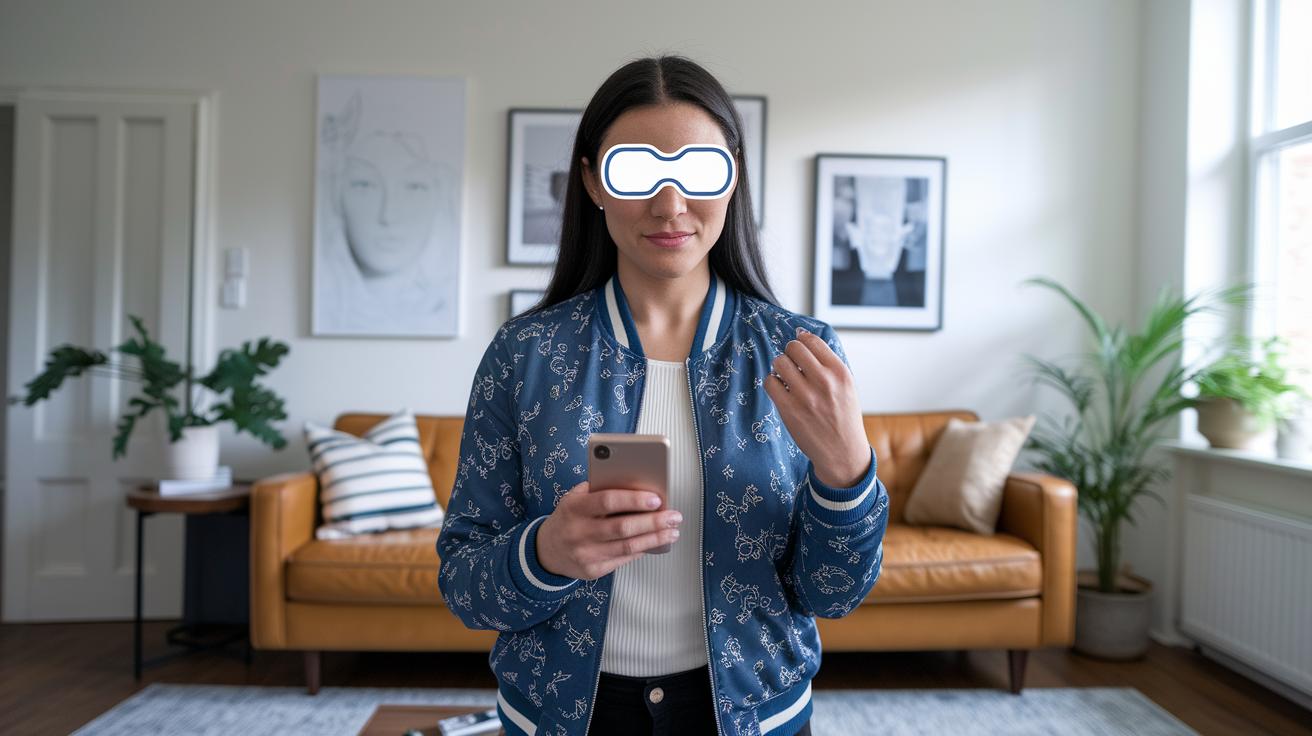
Augmented reality is really changing the way we shop. It gives you immersive, interactive experiences that build trust with every click. Think about checking out a cool jacket on yourself through a digital try-on feature before even stepping into a store. It's like having a mini fitting room right in your pocket.
-
Virtual product try-on: This neat tool lets you overlay digital clothes on your live image. Many users say trying on jeans virtually makes them feel more secure about their choices.
-
Digital showroom experiences: Imagine placing furniture or decor into a digital version of your home to see if it fits your style and space perfectly.
-
AR home decor visualization: With this feature, you can preview how wall art or rugs will look in your living room, making sure the colors and patterns match your vibe.
-
Social-media AR filters: These filters let you play with trendy looks on your favorite social platforms, deepening your connection with the products you love.
-
In-store AR mirrors: When you're in a store, these mirrors let you explore different styles in real time, almost like having a personal stylist on call.
-
Interactive retail displays: Digital overlays on product displays provide cool details and animations right where you need them, inviting you to learn more and interact.
Together, these AR tools create a shopping experience that's not only more engaging but also gives you the confidence to make choices that feel right.
Augmented Reality Shopping Sparks Retail Excitement
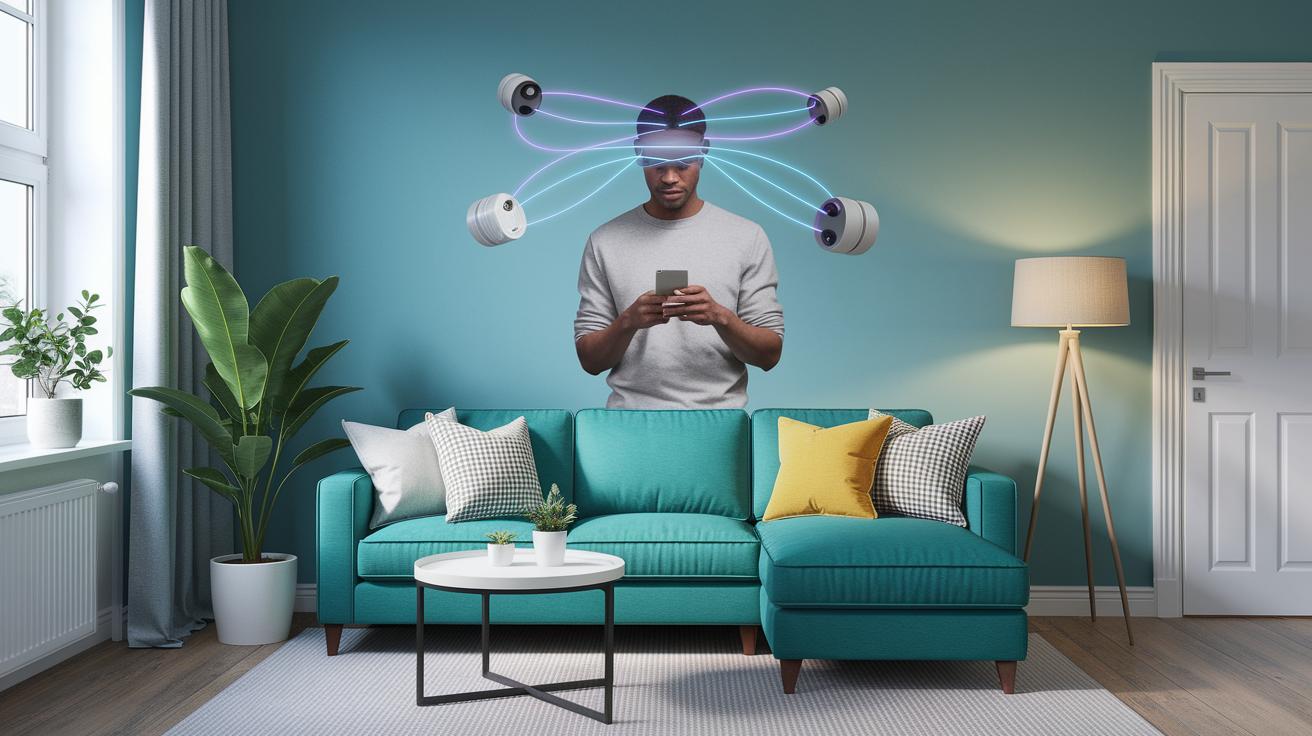
AR Sensors and Tracking
Imagine your phone spotting surfaces with a surprising level of detail. LiDAR and Time-of-Flight sensors work hard to measure distances and create a clear map of your surroundings. These sensors join forces with SLAM-based markerless tracking (that’s just a fancy way of saying they can figure out where things are without needing special markers) to drop digital items, like a 3D sneaker or a stylish piece of furniture, right onto real surfaces. So, when you point your device at your living room wall, it finds a flat space and places a digital painting with just the right size and angle. This clever mix of tech and real-world details reshapes how we picture products and makes shopping feel more interactive.
Web and Mobile AR Frameworks
Modern AR isn’t magic, it’s built on solid frameworks like ARKit, ARCore, Shopify AR, and even Amazon’s “see it in your room.” These tools let you visualize products directly on your browser or app, making it feel like the item is right there with you. Your smartphone camera works alongside these frameworks to show interactive, lifelike models that fit perfectly into your immediate surroundings. The result? An engaging shopping experience that blends the digital with the real, giving you mixed reality insights that build confidence in every purchase. This seamless dance between hardware and software is taking augmented reality shopping to a whole new level of consumer fun.
Implementing Augmented Reality Shopping: Retailer Best Practices
Kick things off with a small pilot program that tests out AR personalization features your audience will love. Start simply: roll out high-quality 3D visuals paired with an interface that just makes sense. For instance, one retailer saw customer engagement jump 15% in the very first month after introducing an AR assistant.
Then, weave AR shopping assistant apps right into your digital storefront to keep shoppers engaged. Tools like Shopify AR and Amazon’s offerings prove that smooth AR integration can make both online and in-store experiences feel modern and inviting.
Next, consider mobile AR retail apps with virtual try-on features. These not only boost buyer confidence but also help cut down on product returns. Here’s a clear, step-by-step plan:
| Step | Action |
|---|---|
| 1 | Run pilot tests to see how customers respond. |
| 2 | Invest in standout 3D assets and a friendly design. |
| 3 | Embed AR shopping assistant apps for ongoing engagement. |
| 4 | Keep an eye on how users interact so you can fine-tune their experience. |
By following these steps, you’ll craft a lively shopping space that speaks to the 61% of consumers who appreciate AR. The result? A shopping journey that feels smoother, more confident, and truly modern.
Augmented Reality Shopping Trends and Future Outlook
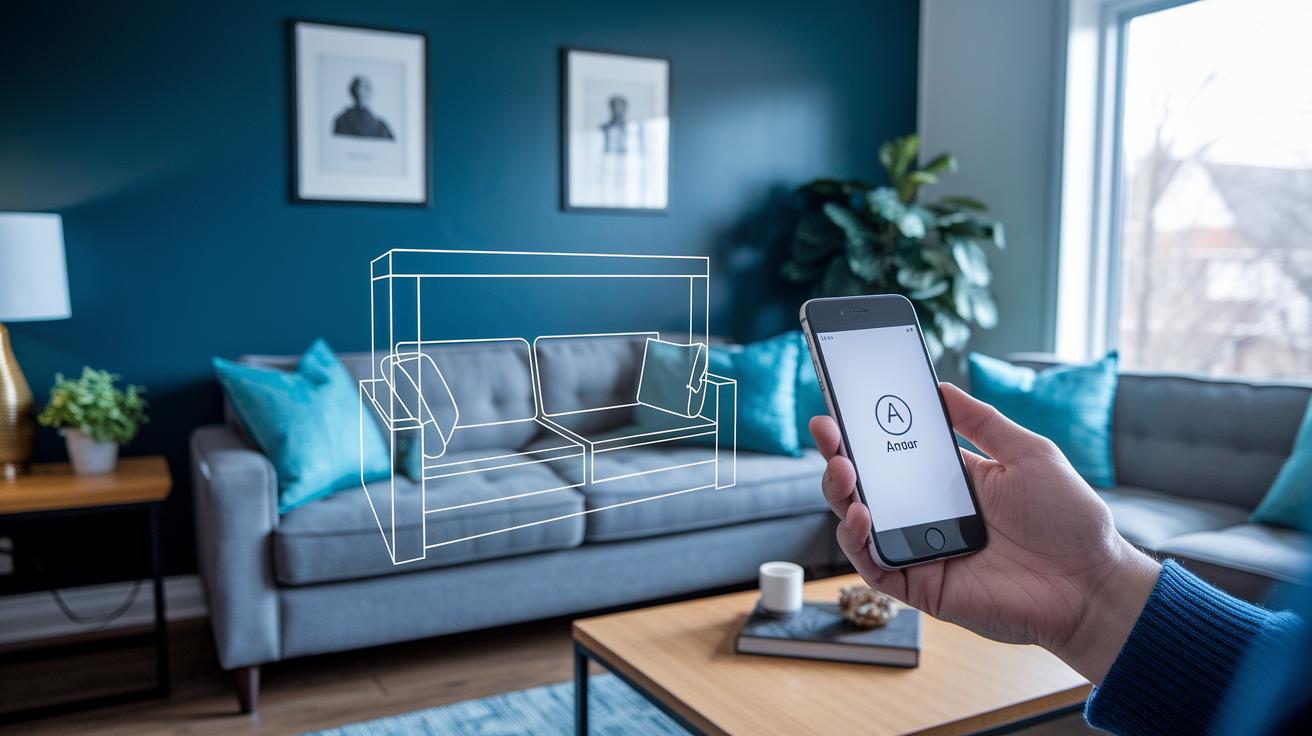
AR is moving at a rapid pace as it blends our digital screens with the real world. Thanks to improvements in mobile apps and hardware like LiDAR and Time-of-Flight sensors, your smartphone can now scan a room and quickly map out its layout. Picture it: you point your phone at your space, and in moments, it creates a detailed map that helps a virtual couch settle perfectly into place.
Innovative features like social-media filters and virtual showrooms are shaking things up by offering fresh ways to boost consumer engagement. Recently, the retail landscape has been shifting, with digital tools crafting interactive and dynamic shopping experiences that go far beyond traditional methods.
These developments hint at a future where AR is a key player in online shopping, turning everyday digital interactions into immersive experiences. Have you noticed how swiftly trends evolve? It seems clear that AR is set to redefine the way we engage with ecommerce, complementing the broad trends shaping the industry today.
Case Studies: Success Stories of Augmented Reality Shopping Solutions
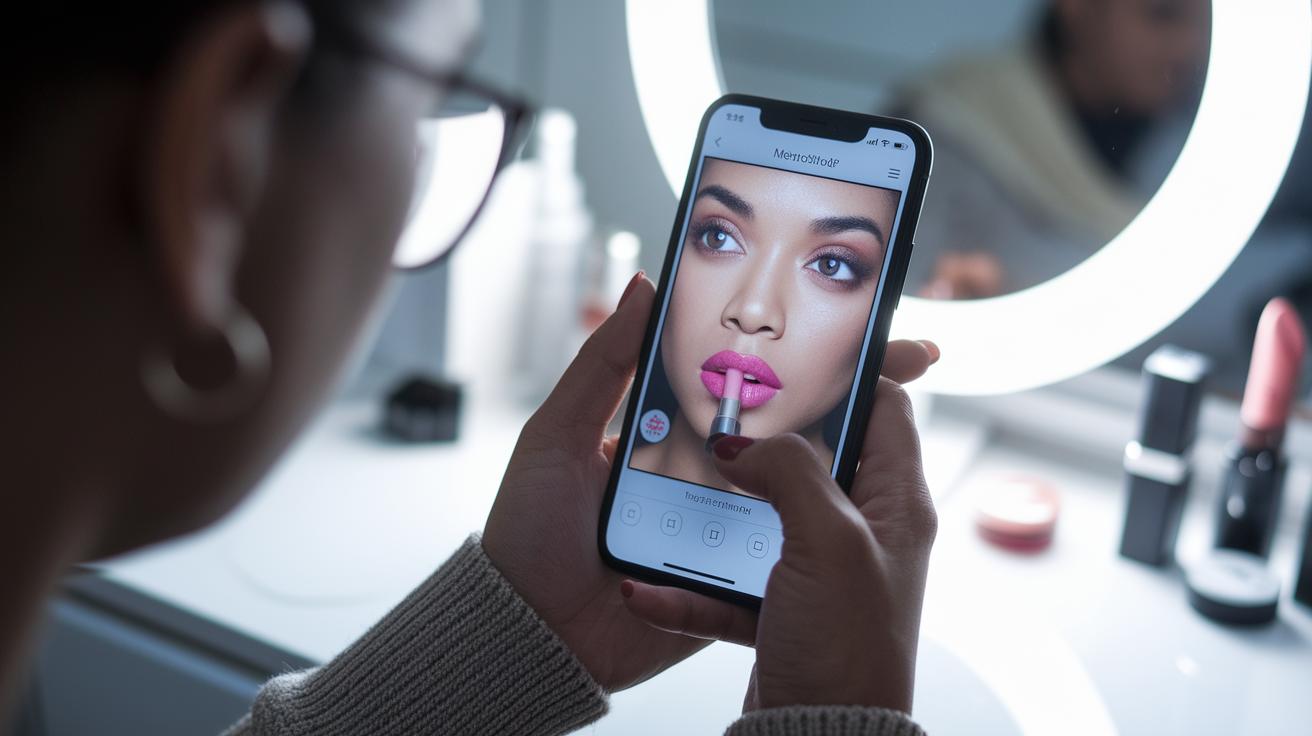
Many retailers are now using AR to create fresh and engaging shopping experiences. Take Sephora’s Virtual Artist App, for example, it lets you try on makeup in real time so you can experiment with a bold lip color and see instantly how it suits you.
Home Depot’s Project Color App makes choosing the right paint a lot easier by letting homeowners preview shades on their own walls. Meanwhile, Nike Fit uses AR to measure your feet for the perfect shoe size, so you shop with extra confidence. These innovations mean you no longer have to deal with the guesswork that comes with traditional shopping.
L’Oréal’s virtual makeup tool on Amazon helps beauty lovers get the right shade and texture by offering real-time product trials. Similarly, a UK bag retailer on Shopify has boosted its online catalog since 2017 by showcasing products in immersive digital showrooms. Even Gunner Kennels uses AR to let customers check out kennel fit and pet comfort, helping build trust with every purchase.
These examples clearly show that AR tools can boost customer engagement and turn product demos into interactive success stories. Together, they prove that interactive shopping experiences not only reduce hesitation but also foster stronger, lasting customer relationships.
Measuring Impact: KPIs and ROI for Augmented Reality Shopping Initiatives
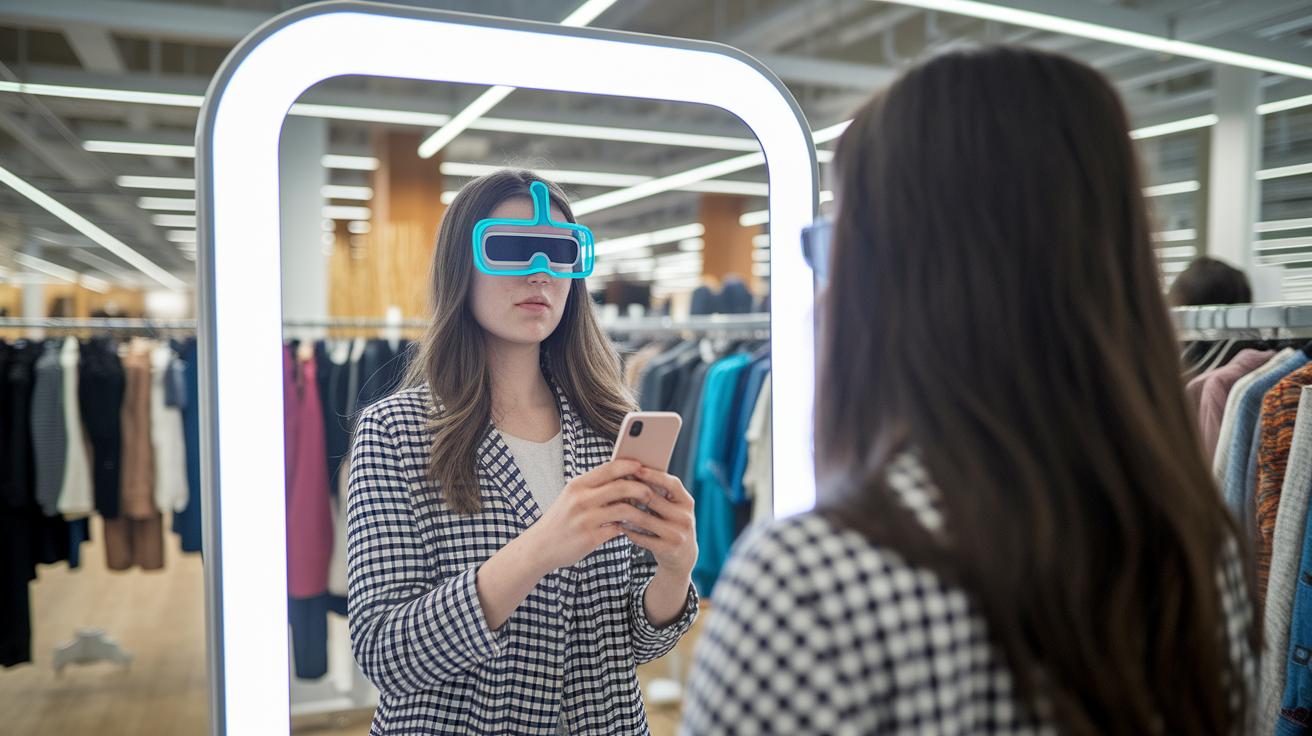
Retailers are diving into augmented reality shopping experiences and tracking simple, clear metrics to see how these innovations are working. AR virtual try-ons allow customers to view products in a realistic way before they buy, which boosts their confidence and cuts down on returns. In other words, fewer returns mean AR is clearly making a difference.
With AR, brands gather a wealth of data on customer preferences, ideal sizing, and shopping behaviors. This hands-on information helps them optimize inventory, fine-tune marketing strategies, and adjust the digital shopping interface. When you consider that 61% of shoppers favor retailers who offer AR experiences, it's easy to see how these insights can lead to better conversion rates and more loyal customers. Tracking things like session lengths, engagement, and repeat visits gives a real sense of AR's impact.
Key performance indicators include:
- Fewer product returns thanks to virtual try-ons
- Increased customer engagement and detailed session data
- Actionable insights into product preferences and sizing
These metrics are crucial for sharpening retail experiences. They paint a clear picture of AR market dynamics and drive smarter, more consistent decision-making across every channel.
Final Words
In the action, the post broke down the ways augmented reality shopping is reshaping online and in-store experiences. It explained how AR tools bring digital elements into real life, from virtual try-ons to interactive displays, fueling growth in consumer engagement.
We walked through technical essentials and retailer best practices, sharing success stories and measurable impacts. The future looks bright, and retailers are well-positioned to reap benefits with augmented reality shopping innovations.
FAQ
Q: What are augmented reality shopping websites?
A: The AR shopping websites use digital overlays on real product images to let customers visualize items in their environment, increasing engagement and helping shoppers make more informed decisions.
Q: What is an augmented reality shopping strategy?
A: The AR shopping strategy integrates digital visuals with physical products, enhancing customer engagement by allowing virtual try-ons and product explorations that lead to improved buying confidence.
Q: Who are some key augmented reality shopping companies?
A: The AR shopping companies include innovators like IKEA and Amazon, which deploy advanced AR tools to bring interactive product experiences to both online and in-store platforms.
Q: What are some augmented reality shopping examples?
A: The AR shopping examples include virtual try-ons for makeup and apparel, AR home decor visualizations, and interactive displays that overlay product details on physical items, boosting consumer confidence.
Q: What is an augmented reality shopping app?
A: The AR shopping app integrates digital overlays with real-world imaging to provide interactive shopping experiences, such as virtual product placement and try-on features that enhance customer interaction.
Q: How does augmented reality retail enhance the shopping experience?
A: The AR retail experience blends digital elements with physical products, allowing users to virtually test items and access detailed product information, which increases engagement and minimizes buyer hesitation.
Q: How is augmented reality shaping the future of the shopping experience?
A: The AR transformation in retail shows promising trends with wider adoption, more personalized interactions, and improved online-to-offline integrations that redefine how shoppers explore and purchase products.
Q: How does IKEA utilize augmented reality?
A: The IKEA AR experience lets customers use mobile apps to see furniture and decor items in their own spaces, providing accurate visuals that help in making confident, tailored home design choices.
Q: How is augmented reality used in shopping?
A: The AR uses interactive overlays, virtual try-on tools, and real-time spatial mapping, giving customers a realistic preview of products in their own environments, boosting satisfaction and reducing returns.
Q: What is the future of AR shopping?
A: The future of AR shopping lies in improved mobile integrations, more detailed digital overlays, and increased consumer adoption, all of which will drive deeper engagement and smoother purchase experiences.
Q: What does “shop with augmented reality” mean?
A: The term “shop with AR” refers to using digital overlays to explore and interact with products virtually, allowing consumers to test, view, and experience items before they make a purchase decision.
Q: What is shop with augmented reality on Amazon?
A: The Amazon AR feature, like “see it in your room,” lets customers use their devices to visualize how products look in their own spaces, merging digital convenience with real-world context.