Have you ever wondered if shopping could be as easy as a click and a smile? Retailers are blending traditional stores with online conveniences to make shopping smoother and faster. This year, almost one in every ten online sales is made through systems where you buy online and pick up in-store. That change is pushing brands to meet customer needs instantly and setting the stage for growth that benefits both retailers and shoppers.
How Retail Innovation is Shaping Operations, Experiences & Business Models

By 2025, retail innovation blends the digital and physical shopping worlds in a way that feels natural and intuitive. Augmented reality and the ability to buy online then pick up in-store are making buying easier and more fun. In fact, in 2023, BOPIS (buy online, pick up in-store) made up nearly 10% of ecommerce sales, which amounted to more than $132.8 billion.
This seamless integration is a big win for brands. When retailers adopt smart technology, they quickly adjust to changing customer needs. This means a smoother, faster shopping experience where decisions are made in real-time.
Look at some of the key components driving this shift:
- Digital transformation in shopping: New tech ties online and offline systems together effortlessly.
- AI analytics: Data helps predict trends and tailor recommendations to each shopper.
- AR/VR experiences: Immersive interactions let customers try products virtually.
- IoT deployments: Smart devices keep promotions engaging and ensure inventory levels are always right.
- Omnichannel integration: A unified approach connects ecommerce with in-store operations, making inventory management a breeze.
- Sustainable practices: Eco-friendly initiatives are winning over socially conscious buyers.
These trends are not just buzzwords; they’re changing how stores operate, how customers interact, and how businesses plan for the future. With digital transformation, retailers can react quickly to market twists and consumer tastes. AI analytics fine-tune promotions and stock, while AR/VR makes testing products a more personal affair. IoT streamlines everything from display setups to supply chain management, ensuring that every shopping experience counts. And with sustainable methods, brands build long-lasting bonds with customers eager for change.
Emerging Technologies Accelerating Retail Innovation
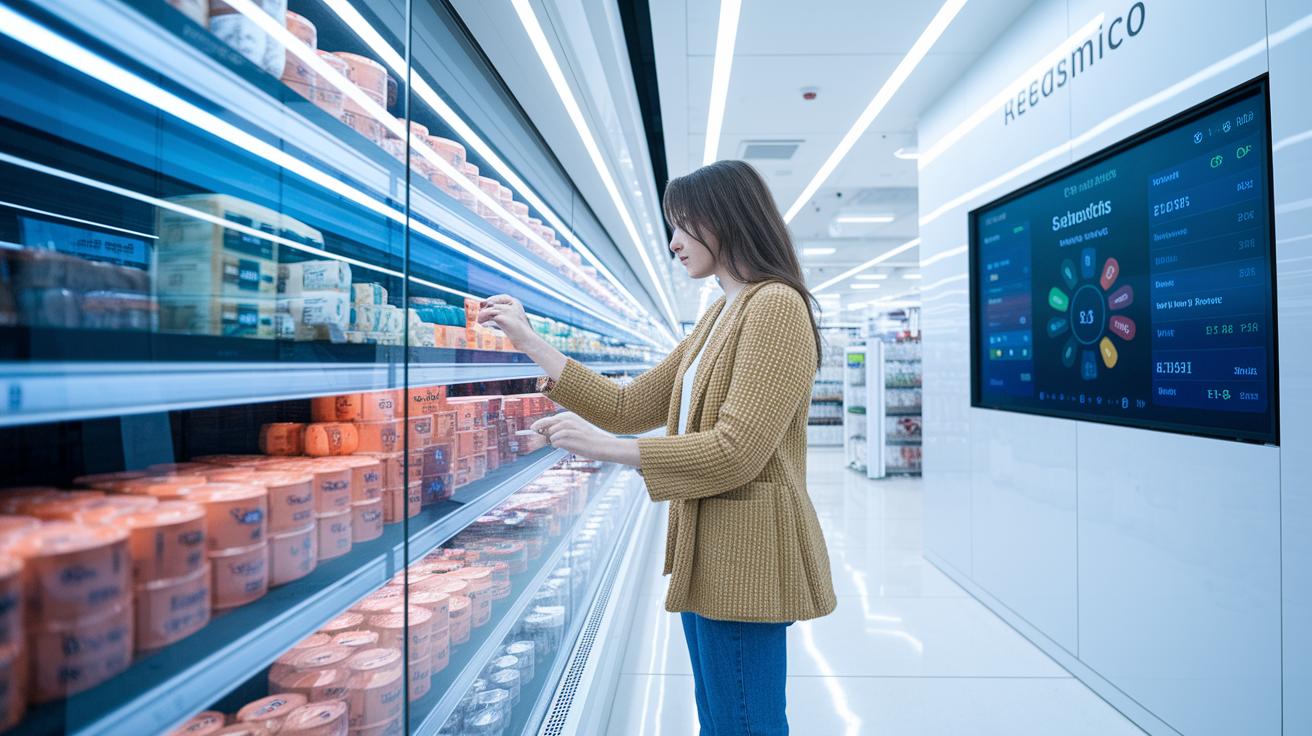
Retail tech is evolving quickly. Today, smart AI tools, handy IoT devices, interactive augmented reality, cashier-less checkouts, and clever smart shelving systems are making shopping more engaging and efficient. These breakthroughs aren’t just trendy add-ons; they’re reshaping how we shop on every level.
| Technology | Application | Key Benefit |
|---|---|---|
| AI | Demand forecasting, automated purchase orders, personalized recommendations (ai inventory management) | Boosts sales and profit growth (5–6% increase) |
| IoT | Electronic shelf labels and RFID for dynamic promotions | Enables predictive stock management |
| AR | Immersive virtual try-on and enhanced visual displays | Creates engaging shopping experiences |
| Computer Vision | Cashier-less checkouts and smart store monitoring | Streamlines in-store operations |
| Smart Shelving | Inventory monitoring and dynamic pricing strategies | Optimizes product placement |
These technologies are working side by side, transforming both behind-the-scenes tasks and in-store experiences. AI predicts behaviors and automates routine tasks, giving retailers deeper insights and flexibility. Meanwhile, IoT tools like ESLs and RFID let stores manage stock in real time and run promotions that grab your attention. AR is making shopping interactive, imagine virtually trying on a jacket before buying it. And computer vision is helping smooth out checkout lines with cashier-less options while smart shelving quickly adapts product layouts.
The impact is clear: better order accuracy, quicker restocking, and marketing that really speaks to shoppers. By combining these smart systems, retailers are not only cutting delays but also creating a personal touch that resonates with customers.
Embracing these advancements means higher efficiency and a significant competitive edge. It’s an exciting time in retail, where technology is enhancing every layer of the shopping experience both in-store and behind the scenes.
Omnichannel Approaches in Retail Innovation

Omnichannel retail is all about merging online and brick-and-mortar shopping into one fluid experience. Today’s systems make shopping faster and simpler by blending mobile checkouts, click-and-collect features, and point-of-sale systems into one smart setup. Take mobile checkouts for example, they now use biometric methods like fingerprint scanning, which can slice transaction times by 30%. Pretty cool, right?
Click-and-collect has evolved too. It’s not just about picking up an order anymore. With tools like geolocation and real-time tracking, you might even get a friendly alert on your phone as you near the store, letting you know your order is ready. Imagine the convenience of getting that nudge right when you’re in the vicinity!
Then there’s the integrated point-of-sale system, which ties everything together by sharing live data across all channels. This means your inventory updates automatically. Picture a system where every sale triggers an immediate update, so you never wonder if an item is still in stock, whether you’re shopping online or in the store.
These upgrades don’t just look impressive; they make life easier for customers and smoother for store operations. In fact, faster pickups and seamless data flows lead to happier shoppers and a more efficient retail environment. Isn’t it amazing how a few smart tweaks can transform the shopping experience?
In-Store Retail Innovation: Immersive Experiences & Automation
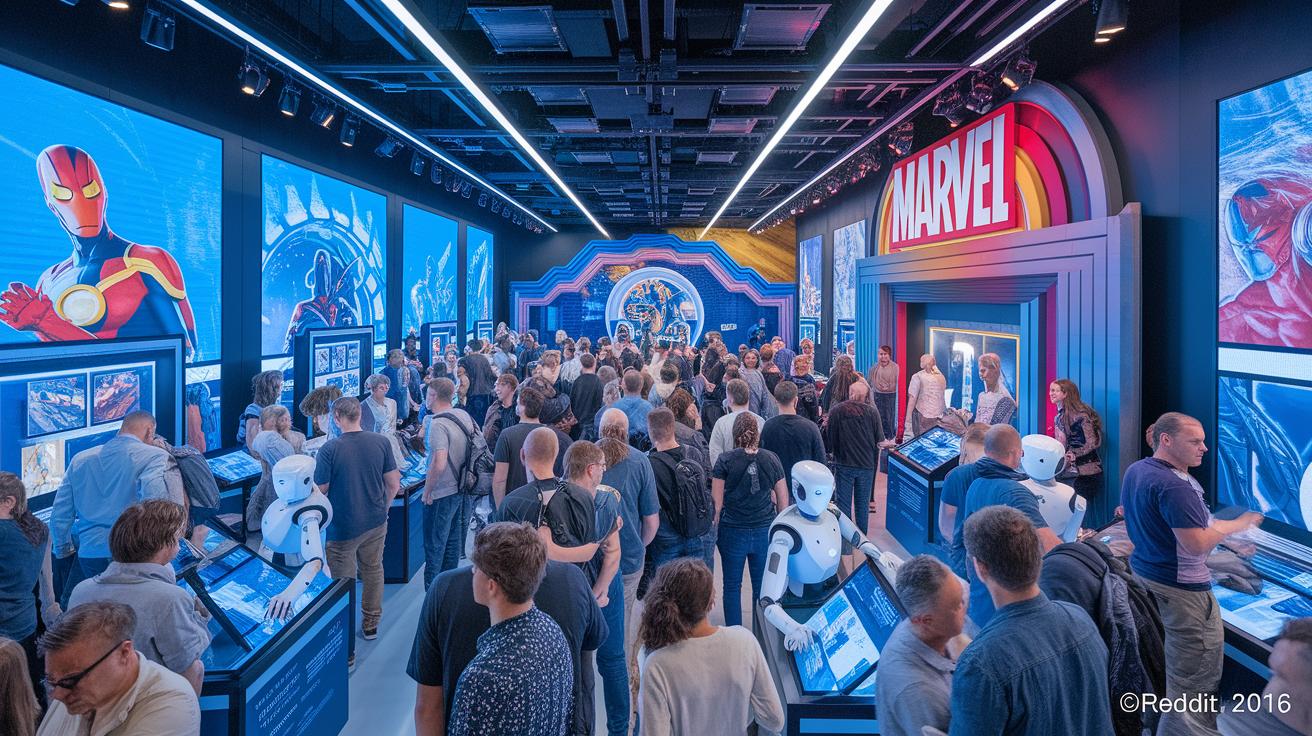
Physical stores today are transforming shopping into an adventure. Stores now offer experiences that invite you to explore products in fun, unexpected ways. Imagine a setup like Marvel’s touring Avengers exhibit, you don’t just see the characters, you step into their world. It turns a routine shopping trip into an event you really look forward to.
Retail technology is making things even easier. Self-service kiosks, robotic helpers, and checkout-free systems are streamlining your visit. Stores are using smart shelves that adjust displays in real time and computer vision checkouts so you can scan your own items. Imagine grabbing your favorite products and breezing through checkout without waiting in long lines. It’s fast, personal, and efficient.
All these innovations are boosting both the shopping experience and the everyday work of the store. Interactive displays capture your attention, letting you explore at your own pace, while automation speeds up routine tasks. This not only makes your visit smoother but frees up staff to create a warm, welcoming atmosphere. In short, shopping is becoming a modern, deeply personal journey.
Data-Driven Analytics Powering Retail Innovation

AI-powered analytics are shaking up retail by offering straightforward insights that make decision-making a breeze. Many retailers now mix real-time sales numbers with supply chain details. This combo not only picks up on emerging trends but also boosts sales and profits by about 5 to 6%.
This smart, data-focused approach empowers managers to tweak product displays, fine-tune promotions, and streamline inventory handling, each step built on clear, practical insights.
Take real-time demand forecasting, for instance. Stores are increasingly using point-of-sale data along with supply chain numbers to predict short-term changes in demand. One retailer even synced its sales and supply data to adjust stock levels on the fly during busy seasons. This quick-thinking strategy helped avoid stock pileups and snag more sales. In fact, keeping just the right amount of inventory means lower storage costs and fewer missed opportunities.
Even though only 21% of current POS systems are under two years old, mixing fresh data with historical trends is totally reshaping how demand is managed. Cloud-based platforms also play a crucial role by keeping operations nimble and cutting costs. Modern, cloud-native microservices help minimize downtime during updates and can slash maintenance costs by roughly 30%.
This solid technology makes it easier for retailers to pivot when the market shifts, keeping systems running as smoothly as a well-oiled machine.
Sustainable & Ethical Retail Innovation Practices
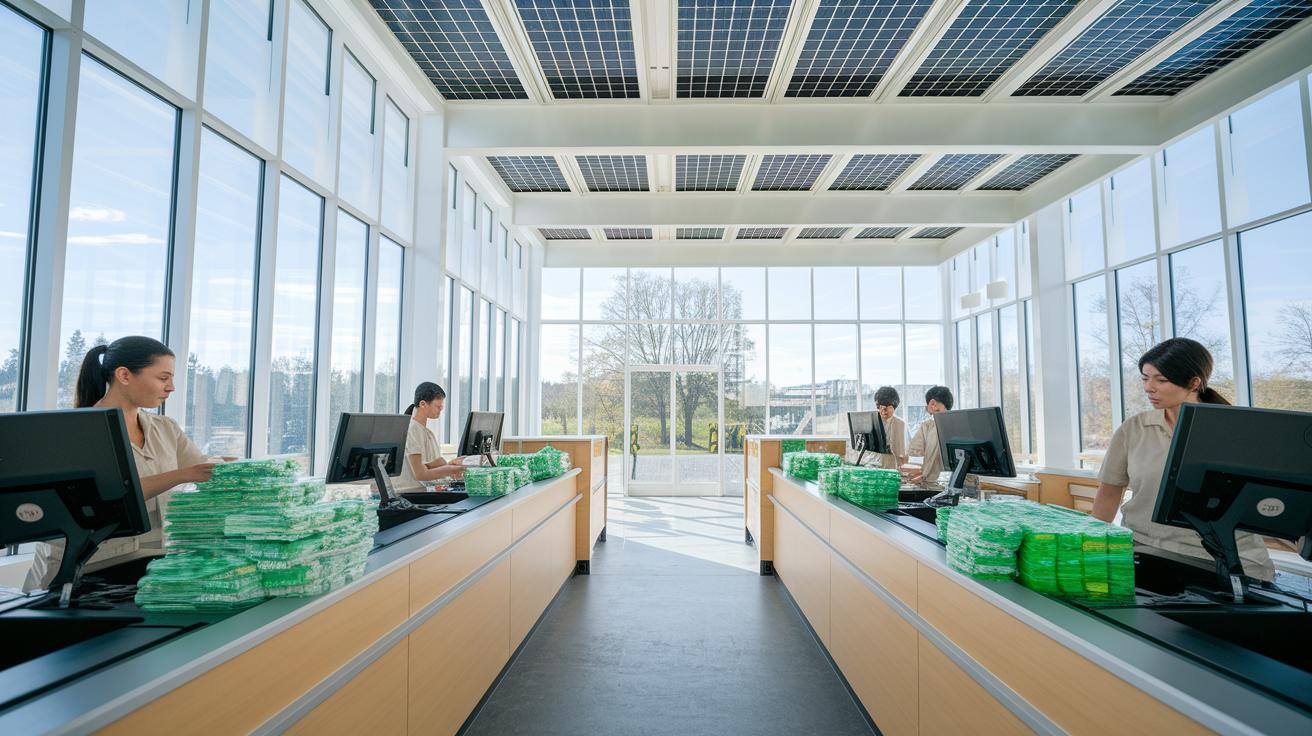
Brands are quickly realizing that a focus on sustainability sets them apart. When companies put ethical values front and center, they build trust and win the loyalty of consumers who care about a greener future. By choosing ethical sourcing and eco-friendly packaging, retailers not only catch the eye of millennial and Gen Z shoppers but also nurture lasting relationships that drive steady revenue. In short, sustainability isn’t just a buzzword, it’s a smart way to connect with customers.
Retailers are also rethinking the physical design of stores and the logistics behind their supply chains. Picture energy-efficient store layouts that lower operating costs and reduce emissions. At the same time, smart waste-reduction practices and responsible sourcing work together to trim expenses and lessen environmental impact. These initiatives show a genuine commitment to responsible business practices that resonate with eco-conscious consumers and support robust growth in today’s competitive market.
| What They Do | Benefits |
|---|---|
| Eco-friendly packaging & ethical sourcing | Attracts younger consumers and builds trust |
| Energy-efficient store design | Reduces operating costs and cuts emissions |
| Sustainable supply-chain practices | Minimizes environmental impact and optimizes costs |
Future Trends to Watch in Retail Innovation

Retail innovation is moving fast. Imagine a store where you can try on clothes virtually or simply talk to your device while browsing. New technologies like virtual fitting rooms and voice-activated interfaces mean shopping could soon be as easy as chatting with a friend. Autonomous checkouts are cutting out long lines, and generative AI is starting to offer spot-on recommendations as you shop. It’s clear that startups are shaking up the way we buy everyday items.
Recent case studies from NRF 2025 show just how much brands are leaning into these changes. L’Oréal’s virtual try-on app, for example, has driven up sales by as much as 35%. Meanwhile, Foot Locker’s FLX loyalty program uses AI to curate special events and product drops, deepening customer relationships in exciting new ways. Innovative startups are mixing voice, vision, and self-checkout solutions to help retailers better meet growing consumer expectations. These trends underscore a major shift: technology investments aren’t a far-off dream anymore; they’re essential for creating a smarter, more responsive shopping experience.
Final Words
In the action, this article showcased key trends shaping retail innovation. It broke down digital transformation, AI analytics, and immersive experiences that bridge the online and in-store buying experience.
We saw how smart tech and data-driven strategies create agile, customer-centered operations, all while supporting sustainable business practices. Retail innovation is not just a theory, it's a practical, dynamic framework powering today's competitive market. Keep these insights in mind as you explore new opportunities and strategies for progress.
FAQ
What are some retail innovation examples?
The retail innovation examples highlight ways brands integrate digital tools, interactive displays, and smart systems to improve customer engagement and streamline store operations.
Which companies are leading retail innovation?
Retail innovation companies focus on combining technology with strategic approaches to enhance operations, improve customer interactions, and drive profitability in an increasingly competitive market.
What is the Retail Innovation Conference?
The Retail Innovation Conference gathers industry experts to share insights on emerging technologies and strategies that transform retail operations and consumer experiences.
What are some retail technology examples?
Retail technology examples include cashier-less payment systems, smart shelving, real-time inventory management, and interactive displays that modernize shopping experiences and improve efficiency.
What retail innovations are expected in 2025?
Retail innovations 2025 emphasize augmented reality, AI analytics, integrated omnichannel strategies, and IoT applications that offer enhanced customer engagement and operational improvements.
Which retail technology trends will dominate in 2025?
Retail technology trends 2025 focus on digital transformation, immersive AR/VR experiences, and data-driven insights that create seamless and interactive shopping environments.
What information does a Technology in Retailing PDF typically provide?
A Technology in Retailing PDF usually details case studies, practical examples, and emerging strategies that explain how modern tech is applied to enhance retail operations and customer experiences.
Who is Innovative Retail Concepts Pvt Ltd?
Innovative Retail Concepts Pvt Ltd specializes in applying modern technological solutions and strategic innovations to optimize store operations and enhance customer interactions.
What does retail innovation mean?
Retail innovation refers to using new technologies and strategies to create better shopping experiences, improve operational efficiency, and boost customer engagement across various platforms.
What are the 4 types of innovation in retail?
The 4 types of innovation in retail include product, process, service, and business model innovations, each contributing by refining operations, enhancing customer experience, or introducing new value propositions.
What are the 7 P’s of retailing?
The 7 P’s of retailing cover product, price, place, promotion, people, process, and physical evidence, all essential elements for creating a cohesive and engaging shopping experience.
Why is innovation important in retail?
Innovation is important in retail because it drives improved customer experiences, operational efficiency, and competitive advantages that ultimately lead to stronger market performance and profitability.