
Ready to rethink how you sell online? Multichannel ecommerce is making waves by linking different sales channels and encouraging customers to spend more. Some brands have even seen a significant boost in revenue when they mix smart tech like AI with clever strategies. This fresh approach smooths out your workflows and drives impressive growth. Today, we'll dig into the trends behind multichannel ecommerce and show you how blending these platforms can set your business up for long-term success.
Multichannel Ecommerce Trends Boost Remarkable Growth
Multichannel ecommerce has become a lively strategy that is transforming the online shopping world. In 2025, we’re seeing a big push toward expanding across various marketplaces, thanks to a mix of advanced technology and clever marketing campaigns.
Take generative AI, for example. Sellers are now using these smart tools to create eye-catching product listings. When you add thoughtful PPC strategies into the mix, different sales channels start working together seamlessly. Here’s a fun fact: some brands have seen a 14% jump in average spending by uniting channels that used to operate separately. That really shows the impact of a unified approach.
But it isn’t just about the tech. The entire e-business scene is undergoing a major makeover. Dropship automation allows sellers to add new products almost instantly without big inventory costs, and innovative retail media ideas are boosting profitability even in a cutthroat market. On top of that, personalized shopping experiences have been shown to increase revenue by 5–15% and improve marketing returns by 10–30%. Clearly, putting the customer first really pays off.
Looking ahead, market forecasts are all about scalability and flexibility, catering to both a booming global digital marketplace and the specific needs of local retailers. By diversifying their channels, businesses can avoid the pitfalls of unexpected fee hikes on any single platform while keeping their revenue stable.
All in all, industry players are rethinking their ecommerce strategies. With smart planning, real-time tweaks, and automated workflows, connected channels are setting the stage for true growth. It’s pretty exciting to see how multichannel efforts are turning into real, tangible success in the market.
Technology Innovations Powering Multichannel Ecommerce Trends

AI is quickly changing how sellers work. By automating tasks like integrating supplier catalogs, retailers can turn messy lists into a streamlined, live feed. Tools like ai inventory management allow businesses to see all their products in one place through smooth dropship workflow automation.
Shopify Fulfillment Network is a real standout. It offers two-day shipping across North America, meeting the rapid delivery demands consumers now expect. Plus, generative AI adds a fresh twist by creating engaging, tailored product descriptions that draw shoppers in. Automatic PPC ad optimization fine-tunes ad spending, boosting returns without the guesswork.
Retailers are also benefiting from fresh retail media options that push products onto emerging platforms. Apps such as Extensiv, GoDataFeed, and Gorgias help manage inventory, coordinate data, and deliver top-notch customer support, keeping operations nimble and ready for change.
Imagine a seller turning a chaotic supplier catalog into a seamless online storefront. That’s the transformative power of AI integration. As these innovative technologies blend with smart marketing ideas, they create a unified commerce experience that drives growth, efficiency, and solid market performance.
Performance Metrics and Analytics in Multichannel Ecommerce Trends
Tracking your business performance across many sales channels isn’t just about crunching numbers, it’s a straightforward way to see what works. By keeping an eye on key indicators like conversion rates, average order values, and video engagement, you can easily spot where to boost performance and cut back on abandoned shopping carts.
Real-time dashboards become your best friend here. They let you see as soon as market segments shift, so you can fine-tune every campaign on the fly. For example, did you know that personalized multichannel campaigns can lift revenue by 5% to 15% and bump up marketing ROI by 10% to 30%? It’s like having a secret recipe for success right at your fingertips.
Metrics such as Shopify POS integrations have even pushed quarterly growth in gross merchandise volume by 150%, an amazing sign that digging into operational details really pays off. These insights empower you to catch trends early and make smart choices quickly.
Consider keeping an eye on these numbers:
- Revenue uplift percentages from tailored personalization
- ROI differences linked to dynamic retargeting efforts
- Improvement in sales funnel conversions thanks to real-time insights
Plus, with nearly 91% of businesses already using real-time sales insights and 68% planning new video strategies, it’s clear that this data edge makes all the difference. In fact, combining advanced market segmentation with precise performance data creates a reliable feedback loop that optimizes spending and ramps up conversion rates everywhere.
Best Practices for Implementing Multichannel Ecommerce Trends
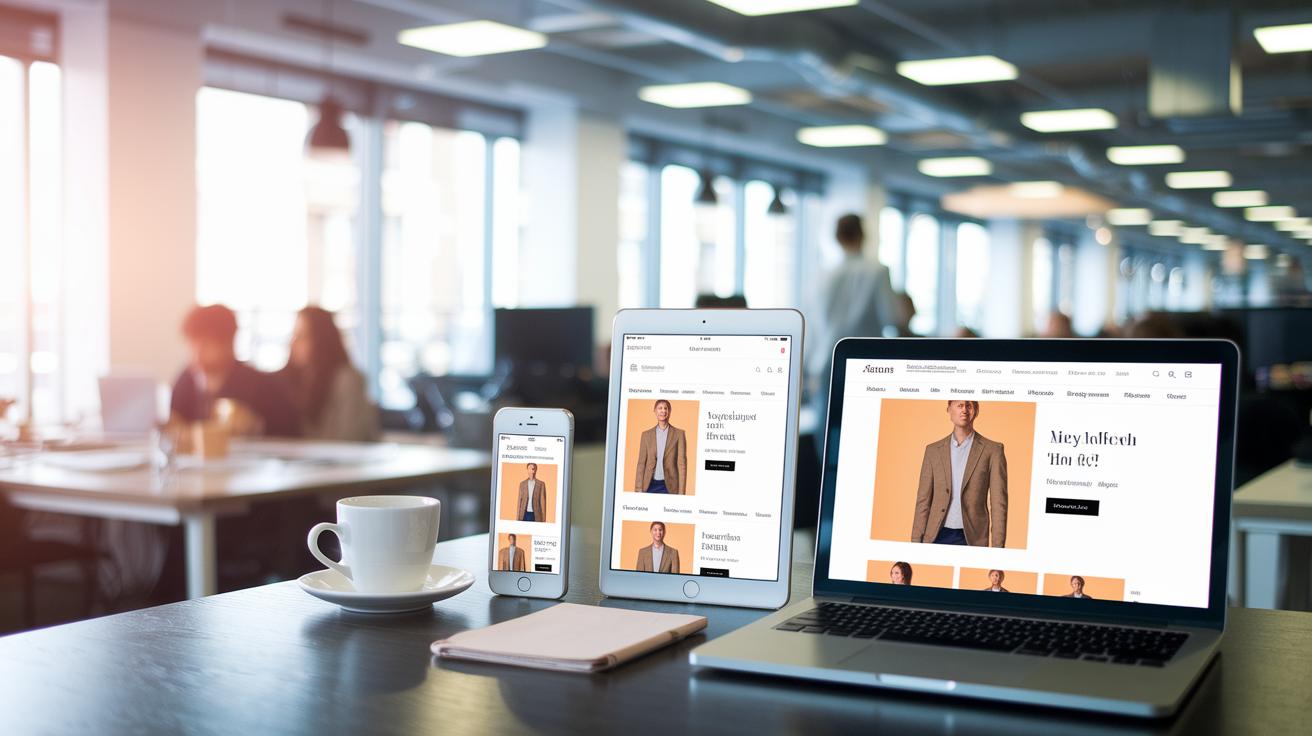
Multichannel ecommerce means using several channels to connect with your customers, not just one fully integrated system. When you use different channels, it's essential to keep your brand’s look and feel consistent at every touchpoint. For example, brands that send unified messages via email, social media, and on their websites tend to get better customer recognition. In fact, customers are 20% more likely to complete a purchase when they enjoy a seamless, consistent brand experience. This approach builds trust and boosts engagement.
Tactics like dynamic retargeting and event-triggered campaigns can really help cut down on cart abandonment. Retailers can create a smooth customer journey by aligning their email and social branding, forming a coherent narrative that resonates with shoppers. Adding user-generated content and collaborating with influencers also offers a relatable, authentic voice for the brand. In North America, smart use of affiliate links can drive higher average order values.
Here are a few key tips:
- Use dynamic retargeting to reconnect with visitors after their initial interaction.
- Sync email campaigns with social posts to keep your messaging uniform.
- Incorporate user-generated content to add an extra layer of authenticity.
Tools can make all this easier. Apps like Stocky help manage inventory across multiple platforms, while Loop Returns streamlines the returns process. If you’re building a solid ecommerce tech stack, check out our guide on ecommerce tech stacks (https://omegamarkets.com?p=505) or see how adopting an omnichannel approach (https://omegamarkets.com?p=121) could simplify linking your offline and online operations.
Following these practical guidelines, retailers can optimize performance, reduce friction, and deliver a truly seamless purchase experience across all sales channels.
Case Studies Demonstrating Multichannel Ecommerce Trends
A top music store chain recently mixed the feel of in-person shopping with the ease of online buying by linking their physical stores with digital sales through Shopify POS. This smart move boosted their quarterly sales volume by over 150%. It’s a clear example of how combining different shopping routes can strengthen customer connections and drive revenue. Every store visit even became an opportunity for immediate online interaction, a tactic that more brands are now exploring.
Another case involved a clothing brand that traditionally sold online. They decided to open physical stores and paired that with speedy two-day delivery from SFN. This shift not only widened their customer base, but also made the in-store experience more memorable, proving that branching out can increase both profit and customer loyalty.
In North America, affiliate partnerships proved their worth by generating the second-highest average order values compared to direct traffic. And with Nike, focusing on mobile apps paid off too, these apps accounted for 18% of their 2022 revenue. It shows that a well-planned mobile strategy can really boost a brand’s overall success.
Future Outlook on Multichannel Ecommerce Trends and Emerging Channels

Brands are moving toward a more connected system that brings together inventory, fulfillment, and customer data for a smooth shopping experience. This new way of doing business makes it easy for shoppers to switch between online stores, social sites, or even brick-and-mortar outlets. It’s like having a conversation with a friend who always seems to know what you want, even when you’re browsing on your phone or chatting on social media.
Social commerce is constantly evolving, with platforms like TikTok shops leading the way. New methods of selling on social networks are changing how we discover and buy products. And it’s not just about scrolling on our phones; voice shopping is stepping up, too, making it as simple as telling your smart speaker what you need. At the same time, mobile shopping is more dominant than ever, 70% of consumers now use smartphones to make purchases, so retailers are working hard to create mobile-friendly experiences that are both visually appealing and easy to use.
Looking to the future, businesses are encouraged to invest in systems that support a context-aware shopping journey. By merging various sales channels with modern tools, companies can quickly adapt to emerging trends. Whether it’s through voice commands, augmented reality try-ons, or innovative social commerce tactics, the goal is to create every shopping interaction as smart, engaging, and tailored as possible.
Final Words
In the action, our article tackled the spectrum of multichannel ecommerce trends, from smart tech innovations and precise performance analytics to practical best practices and real-world case studies. We looked at how strategic integration and connected systems boost revenue and reduce risk. Each section offered clear insights and actionable tips for optimizing strategies in today’s digital sales world. The discussion highlighted how businesses can benefit from multichannel ecommerce trends to drive growth and spark fresh opportunities. Stay inspired and ready to innovate, exciting times lie ahead.
FAQ
What defines multichannel ecommerce trends and how do market forecasts shape strategies?
The multichannel ecommerce trends refer to expanding reach across various marketplaces, including AI-enhanced product listings and strategic PPC. Market forecasts highlight opportunities to increase average spending and reduce fee risks.
How are technology innovations impacting multichannel ecommerce strategies?
The technology innovations impact multichannel ecommerce strategies by automating supplier catalog integration and optimizing PPC. Tools like Shopify Fulfillment Network and “ai inventory management” enhance product listing quality and streamline inventory operations.
What performance metrics are crucial for driving improvements in multichannel ecommerce?
The performance metrics for multichannel ecommerce include tracking KPIs like revenue uplifts from personalization and real-time dashboards. These metrics help improve conversions while reducing cart abandonment and optimizing overall sales funnel performance.
What best practices help implement a successful multichannel ecommerce strategy?
The best practices for a successful multichannel rollout involve coordinated channel integration, dynamic retargeting, and aligning email with social branding. Recommendations include leveraging tools like “omnichannel ecommerce” and “ecommerce tech stack” for effective results.
How do case studies illustrate the success of multichannel ecommerce strategies?
The case studies demonstrate success by showing how integrating online and offline sales, like using Shopify POS, boosts quarterly growth. Real-world examples prove that diversifying channels increases average order values and enhances customer acquisition.
What future outlook is predicted for multichannel ecommerce and emerging channels?
The future outlook for multichannel ecommerce anticipates a shift toward unified commerce systems, with increasing social, voice, and AR-powered shopping. These emerging channels promise seamless experiences and continued enhancements in consumer engagement.