
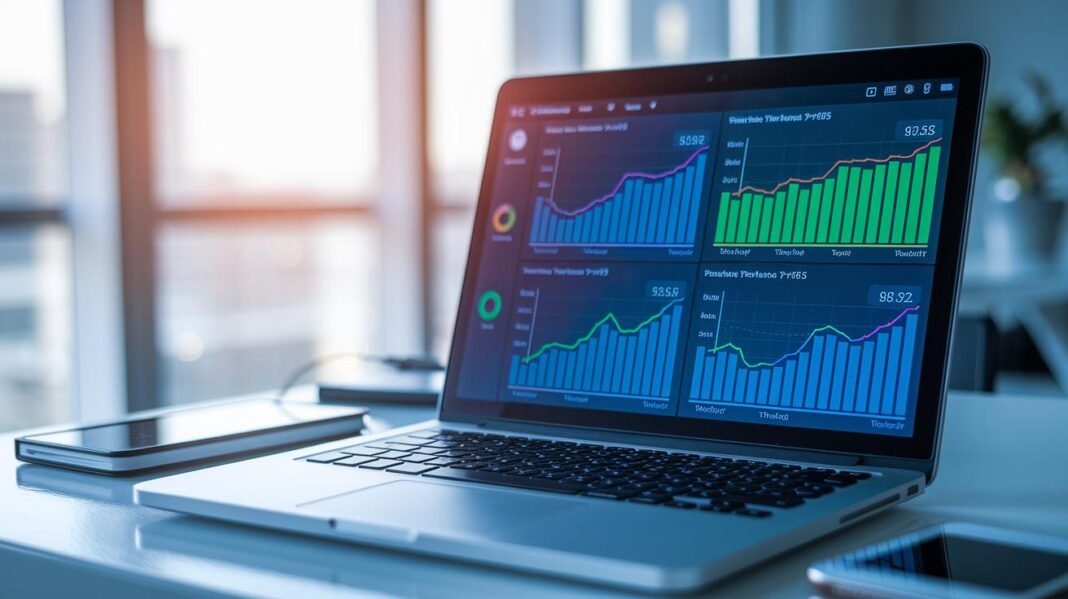
Ever catch yourself wondering if your online store is missing those key moments that drive results? Real-time analytics gives you fresh, second-by-second insights so you can jump in while trends are still hot. It shows you exactly how your sales are doing and where a simple tweak could make all the difference.
In this post, we’ll chat about how live updates can change your decision-making process, keeping you a step ahead of the competition. Ready to see your e-commerce strategy shift into high gear with insights that really cut through the noise?
How Ecommerce Real-Time Analytics Enhances Decision-Making
Real-time analytics gives you a crystal-clear view of your ecommerce activity almost as soon as it happens. Data is processed within seconds of being created, so you get bite-sized, instant reports on every sale. By sending events from your website, app, or digital product directly into your analysis system, you’re always in touch with the freshest information.
Unlike the old approach that only refreshed data hourly or even daily, real-time systems help you catch sudden shifts in customer behavior as they occur. Traditional reports might leave you guessing about market changes, but with live data, your team can track conversions, monitor sales, and measure revenue continuously, so you’re never behind.
When you have up-to-the-minute insights into how your store is doing, making quick tweaks becomes a breeze. Marketers, product managers, and sales teams can instantly adjust tactics, perhaps by launching a timely promo or fixing a hiccup right away. It’s interesting to note that many retailers used to miss key opportunities simply because outdated snapshots masked emerging trends. With real-time updates, you’re always poised to respond immediately, keeping your business competitive and sharply in tune with customer needs.
Architectural Components of Ecommerce Real-Time Analytics Platforms

Today’s ecommerce analytics platforms mix a variety of smart technologies to turn raw data into quick insights. They weave together layers like stream processing, real-time storage, and API microservices, helping you analyze orders and track customer funnels in the blink of an eye.
Stream Processing Technologies
Kafka stands out by keeping messages safe so no events slip away. At the same time, Flink handles timing issues and cleans up data that might arrive out of order. Together, they let you watch live events as they unfold, ensuring your team has the clarity needed for on-the-spot order analysis.
Real-Time Storage & Databases
ClickHouse and Druid form the sturdy backbone of your data storage. These tools use columnar data layouts, pre-aggregation, and partitioning to make session tracking and data quality checks nearly instantaneous. ClickHouse is known for its cost efficiency, while Druid really shines with fast, real-time event processing. If you’re curious about how they fit into the broader ecommerce setup, check out https://omegamarkets.com?p=505.
Query Builder & API Layer
SQL-based microservices take complex queries and turn them into neat REST endpoints. This smooth conversion means business intelligence tools get data in real time, making on-demand funnel analysis fast and effective for making smart decisions.
Integration & Side Services
Lastly, integration and side services add that extra layer of depth. OLTP systems deliver steady data while batch processing handles offline tasks in the background. On top of that, helpful extras like caches and machine learning models enrich your overall analytics, ensuring the platform remains robust and reliable.
| Component | Role | Example Tool |
|---|---|---|
| Stream Processing | Keeps messages secure and handles real-time data | Kafka |
| Real-Time Storage | Delivers low-latency queries with pre-aggregation | ClickHouse |
| Query Builder/API | Transforms complex SQL queries into easy REST endpoints | Custom Microservice |
| Integration & Side Services | Enhances data with steady OLTP sources and batch processing | ML Models/Caches |
Key Metrics and Dashboards in Ecommerce Real-Time Analytics
Real-time dashboards let you see your key performance numbers instantly. You can track sales speed, how long visitors stick around, bounce rates, and even how many shoppers leave their carts behind. This clear view helps you notice if something’s off, for example, super-short sessions might be linked to higher bounce rates. Plus, you get a quick snapshot of checkout times and conversion funnels so you know right away if visitors are falling off before they complete a purchase.
Specialized tools add even more power by letting you run experiments and use feature flagging. In simple terms, you get A/B testing insights and session replays that show how customers engage across multiple channels. This approach allows teams to check visitor loyalty on the fly and better understand changing customer behavior. It’s a straightforward way to stay on top of real-time trends in product performance.
Dashboards also connect with your data warehouse. They continuously transform, clean, and enrich info from various sources, keeping every metric sharp and up-to-date. This seamless integration makes it easier to optimize performance and make smart, tactical decisions every step of the way.
Integration Strategies for Ecommerce Real-Time Analytics

Streaming ingestion is at the heart of making instant decisions. It works like a constant stream, where native connectors from tools such as Kafka, Amazon S3, and Google Cloud Storage feed in fresh data all day long. This means every transaction and user click is captured without missing a beat. Imagine a retail website where order dashboards update immediately as sales happen, letting you adjust on the fly and boost overall performance.
SQL-to-API conversion takes this one step further. It turns complex queries into simple, ready-to-use REST endpoints, making it easy for business intelligence tools, ORM frameworks, and front-end apps to access data in real time. For instance, this rapid process can empower marketers with immediate A/B testing insights, so they can tweak campaigns on the spot based on what’s working best.
Best practices here mean keeping a close watch on schema migrations, strong data governance, and a tight-knit team effort. Data engineers, software developers, and analysts often collaborate, sometimes through our ecommerce operations platform at https://omegamarkets.com?p=382, to streamline workflows and keep the system secure. This teamwork ensures that every part of the real-time analytics setup remains both reliable and robust.
Ecommerce Real-Time Analytics Case Studies and ROI
Real-time analytics are a game changer for many online businesses. Sports betting sites adjust their odds instantly by watching live bets, travel companies tailor packages based on current demand, and retailers use dynamic dashboards to monitor product usage as it happens. Even HR teams benefit by tracking key performance indicators in real time. It’s clear that immediate insights let companies react in seconds, keeping them competitive in rapidly shifting markets.
Many businesses are now seeing a boost in their bottom line thanks to quicker campaign tweaks and lower operating costs. Analytics platforms process data in less than a second, so marketing teams can optimize promotions on the fly. This rapid turnaround not only drives a noticeable lift in promotions and conversion rates but also cuts down manual work, helping teams stay ahead of market trends. In short, raw data transforms into clear financial gains and improved cost efficiency.
Quick, actionable insights provide a strategic edge. Being able to monitor live promotional performance and adjust tactics instantly not only creates a better customer experience but also drives revenue. Overall, this fast-paced approach makes the business run smoother and more profitably, offering a constant pulse on what works best.
Final Words
In the action of the blog post, we explored how real-time data processing fundamentally reshapes decision-making in e-commerce. We examined immediate transaction reporting, efficient tech architecture, and the power of intuitive dashboards. The post highlighted how live sales monitoring and conversion tracking catalyze strategy refinements and market responsiveness. With ecommerce real-time analytics at the forefront, these advancements empower professionals to act swiftly and confidently toward smarter, data-driven growth.
FAQ
Q: What are ecommerce real time analytics examples?
A: The ecommerce real time analytics examples refer to features like instant transaction reporting, live sales monitoring, and immediate conversion tracking that enable rapid, informed actions.
Q: What ecommerce real time analytics tools, software, and technologies include?
A: The ecommerce real time analytics tools comprise rapid performance dashboards, swift revenue measurement, and real-time processing that help businesses adjust strategies quickly through actionable insights.
Q: What does a real-time analytics database do in ecommerce?
A: The real-time analytics database processes live data streams from user events, offering low-latency queries and on-demand insights to support quick decision-making in busy online environments.
Q: What is an example of real time data in ecommerce analytics?
A: The example of real time data in ecommerce analytics is instant transaction reporting, where purchase details are processed in seconds, allowing for immediate sales performance monitoring and optimization.