
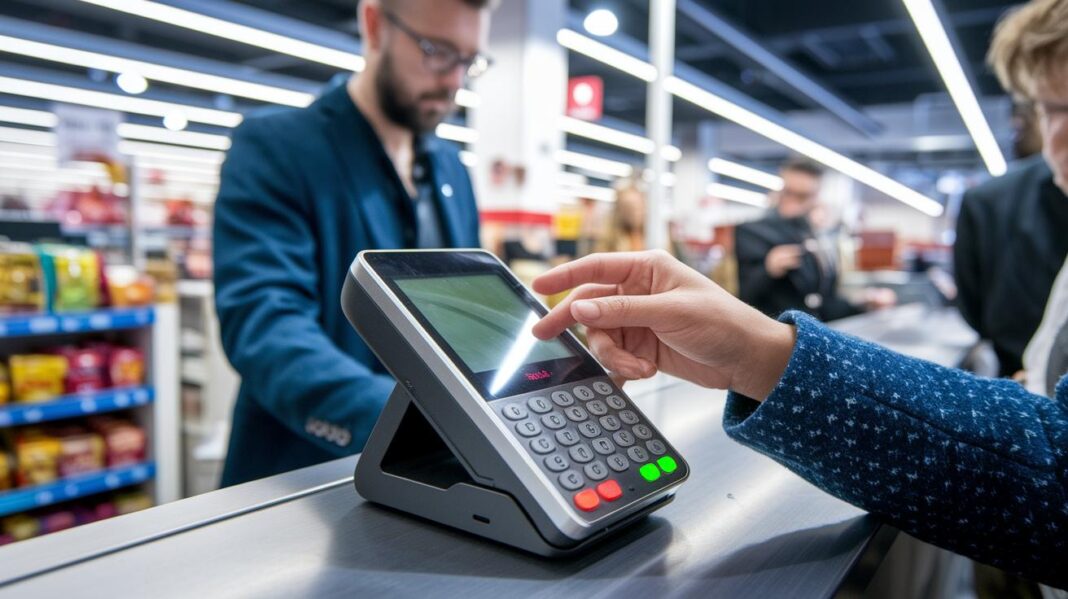
Have you ever wondered if your payment system is slowing you down? It turns out that sticking with outdated registers might be costing you both time and money.
Today’s leading POS systems offer smart features to make your life easier, think automated reports, real-time inventory tracking, and smooth syncing between online and in-store sales.
In this post, we break down some of the top options that simplify daily tasks for store and restaurant owners. With clear insights and straightforward comparisons, you'll see how a modern POS system boosts efficiency and gives you a real edge over the competition.
Compare Leading POS Systems: Quick Overview

If you run a store or restaurant, you understand how vital a reliable payment system is. These top platforms are designed to meet today’s business needs by offering features like automated reports, up-to-date inventory tracking, and smooth integration of both online and physical sales. They even use AI insights and cloud technology to help manage your business from anywhere. Have a look at the table below for a quick side-by-side comparison of leading cash register solutions.
| System | Best For | Key Features | Price Range | G2 Rating |
|---|---|---|---|---|
| Square | Cafes and Bars | Menu and inventory management; intuitive setup | Budget-friendly | 4.7/5 |
| Lightspeed | Inventory-heavy operations | Loyalty and gift-card options; advanced reporting | Mid-range to high | 4.5/5 |
| Shopify POS | Omnichannel retailers | Unifies online and in-store catalogs | Varies with Shopify plans | 4.4/5 |
| Toast | Dine-in restaurants | Free plan option; tailored for restaurants | Entry-level to premium | 4.0/5 |
| Revel Systems | Multi-location venues | Centralized inventory and menu updates | High | 4.0/5 |
| SumUp | Self-order kiosks | Cloud-based back-office; mobile setup | Affordable | 3.5/5 |
If you’re curious about what’s next in POS technology, take a deeper look at emerging trends for more insights.
Top POS Systems for Different Business Models

For retail boutiques, Rain POS is a standout option. It offers tiered cloud subscriptions along with a clear, intuitive dashboard that simplifies inventory management. Whether you run a one-person shop or a growing boutique, Rain POS helps your team shift focus from tedious stock checks to engaging with customers. Take one small shop that streamlined its operations so well that the team could spend more time assisting customers.
Shopify POS is another great choice for retail. It bridges the gap between online and physical sales by keeping your product catalog in sync. Imagine a boutique where online orders and in-store purchases merge effortlessly into one system, making stock and order tracking a breeze.
When it comes to restaurants, Toast POS makes a mark with its free plan option and features designed specifically for bustling dining experiences. Its tools efficiently manage orders for both dine-in and takeout, smoothing out busy periods. For instance, one café saw faster order flows and shorter wait times after switching to Toast POS.
Lavu is also a solid option for eateries. It integrates advanced kitchen displays and flexible table management so that front-of-house and kitchen teams can work smoothly together. In busy restaurants, Lavu creates a steady rhythm that keeps everything moving, from seating guests to processing orders.
For mobile and pop-up vendors, Square POS stands out with its quick, user-friendly setup and per-item inventory tracking. It's perfect for market days or pop-up events where you need to get up and running in moments. Picture a vendor setting up at a community fair, swiftly ready to handle sales.
SumUp offers a handy portable kiosk and real-time cloud reporting that suits temporary setups or mobile businesses. Its fast and flexible system ensures that your sales and stock data remain updated, no matter where you set up shop.
Essential Features in Top POS Systems
Our best POS systems come packed with smart features that are both simple and effective. First up, AI insights. Powered by advanced algorithms, these systems deliver real‑time analytics and predictions. Picture this: a retailer quickly adjusting staff during peak hours because the system flagged a busy period. It’s that real-world efficiency in action.
Then there’s cloud flexibility. You get robust, elastic cloud solutions that let you access your POS from anywhere while keeping updates smooth and hassle‑free. It’s like having a powerful tool right at your fingertips wherever you are.
Next, omnichannel sync stitches your online and offline systems together. This unified view of sales and inventory cuts down on errors and makes every customer interaction feel seamless. It’s a layout that just works, helping you stay on top of everything effortlessly.
And don’t worry about unexpected connection hiccups. With offline operation, your system keeps processing transactions even if the network blips, ensuring your business doesn’t miss a beat.
Training becomes a breeze thanks to the unified UI. The intuitive design cuts down on learning time and lets your team focus on what matters most: engaging with customers.
Finally, built-in marketing and loyalty tools are a game‑changer. Automated marketing engines and loyalty programs keep your brand top-of-mind and encourage repeat purchases, turning casual buyers into long‑term supporters.
All these features work together to simplify daily operations, drive consistent sales growth, and boost customer retention. When you mix AI insights with cloud agility and a seamless omnichannel approach, you’re setting up a strong foundation for lasting success.
Pricing Breakdown of Leading POS Platforms
Rain POS offers flexible subscription plans that adjust based on your business size and needs. Instead of a one-size-fits-all package, you get a custom quote that ensures you only pay for what you use, making it easy to avoid unnecessary extras.
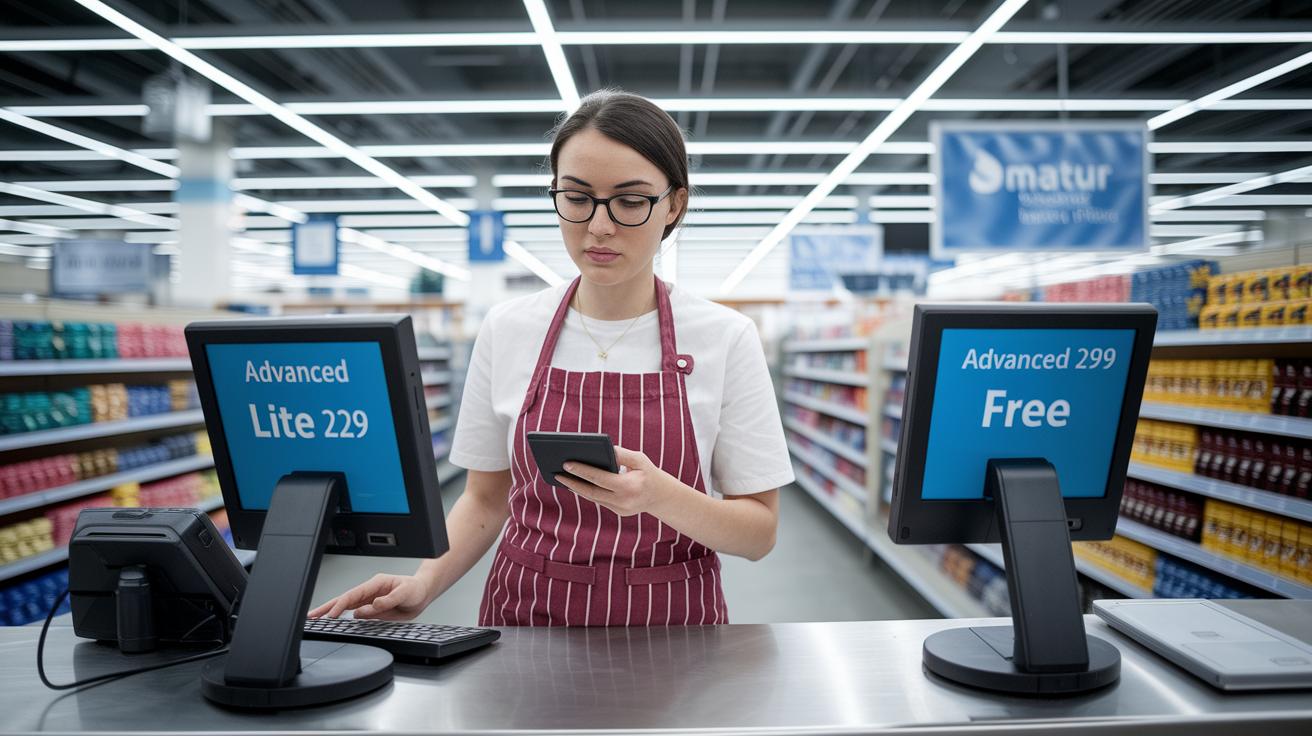
Shopify POS ties its pricing to Shopify’s e-commerce plans. You can start with the Lite option at $29 per month, and as your retail needs become more complex, upgrade to Advanced options at $299 per month. This approach aligns cost with the level of service you require.
Square POS is a great option for small businesses. It provides a free core app, with a transaction fee of 2.6% plus 10¢ per sale. This simple, pay-as-you-go model makes it easy to manage costs while keeping the entry point low.
Toast POS is designed with dine-in restaurants in mind. It offers a free-forever plan, plus optional terminal add-ons that can be added as your business grows. This setup keeps costs flexible while enhancing functionality over time.
Lightspeed stands out with its single- and multi-store plans, complete with built-in loyalty features and detailed reporting add-ons. This integrated solution evolves with your business, ensuring you have the tools you need as your demand increases.
Clover provides a customizable pricing model based on the hardware and software bundle you choose. This lets you tailor your package to fit your operational needs and budget, balancing your initial investment with ongoing support.
Real User Feedback and Performance Metrics on Top POS Systems
Businesses are seeing real success with these advanced systems. For instance, Talkin Tacos enjoyed a boost in online sales, hitting $120,000 in revenue each month, right after switching to a smarter POS solution. And over at Sushi Me Rollin’, a smart set of platform features drove a $91,000 monthly increase in sales. Stories like these really show how effective modern payment processing can be.
G2 ratings capture user experiences with these platforms. Square shines with a 4.7 out of 5, closely trailed by Lightspeed and Shopify at 4.5 and 4.4, respectively. Toast and Revel hold steady with ratings of 4.0, while SumUp sits at 3.5. OrderCounter and KwickPOS haven’t been rated on G2 yet, so it might be worth checking other review sites for more feedback.
Ultimately, matching these ratings with your business needs is key. A high score often signals reliable sales tracking and a user-friendly register, but every system brings its own strengths. Think about what matters most, maybe offline reliability or simple integration is your top priority, to ensure smooth and efficient transactions.
Buyer’s Guide: Selecting the Right Top POS System

When you’re picking a POS system, start by checking that all costs are clear. Make sure you review fees for software, hardware, and any extra add-ons upfront. Look for helpful features like built-in loyalty programs or promotional engines that can help your business grow. Also, confirm that you can easily export your data and that ownership rights are clearly explained. And don’t forget to test how well the system works offline during Wi-Fi hiccups, the goal is a smooth, consistent experience whether your team is in-store or online.
Think about your needs based on the size of your business and your industry. Smaller companies might lean towards simple, budget-friendly solutions that still work offline, while larger or growing businesses might benefit from more advanced cash handling and tools for managing sales across many channels. Tailor your decision to what fits your everyday operations and future goals.
Final Words
In the action, this post provided a compact side-by-side look at several leading POS systems. It compared each option’s ideal use, key features, pricing, and user feedback. We also highlighted essential functions like AI insights and cloud flexibility while offering a practical checklist to match your business needs. The insights aim to support your drive for smarter, effective decision-making. Step forward with confidence and embrace the benefits of top pos systems.
FAQ
What do top POS systems recommended on Reddit feature?
The top POS systems recommended on Reddit feature platforms like Square, Lightspeed, Shopify POS, Toast POS, Revel Systems, and SumUp—each praised for ease of use, robust features, and flexibility across various business sizes.
How do top POS systems for restaurants and small dining establishments work?
The top restaurant POS systems, such as Toast and Square, work by streamlining dine-in workflows, offering free plans, and integrating inventory management—ideal for small dining establishments focused on efficient operations.
What POS systems are ideal for small businesses and retail shops?
The best POS systems for small businesses and retail shops include Square, Shopify POS, and Lightspeed; these platforms combine cost-effective pricing with versatile features such as inventory tracking and multi-channel sales support.
What types of POS systems are available for retail operations?
The types of POS systems available for retail operations range from mobile and cloud-based solutions to countertop models, each designed to handle sales, manage inventory, and support customer interactions seamlessly.
Which POS system is recognized as the best or market leader?
The best or market-leading POS systems are often identified by their ease of use, high user satisfaction, and comprehensive feature sets—with many experts pointing to Square and Lightspeed as top contenders.
Which POS systems do major brands like Chick-fil-A and Starbucks use?
Although major brands like Chick-fil-A and Starbucks rely on custom solutions, similar operational strengths are seen in systems such as Toast and Lightspeed, which are designed to handle complex sales environments.
What details does a comprehensive POS system comparison chart offer?
A comprehensive POS system comparison chart offers details on the best-for category, key features, price range, and user ratings—helping businesses quickly pinpoint the solution that fits their specific operational needs.
Are there free or low-cost mobile POS system options available for small businesses?
Free or low-cost mobile POS systems—such as Square’s free core app—offer essential sales processing and reporting features, making them attractive for small businesses and pop-up vendors operating on budget constraints.