

Ever thought your cash register could do more than just ring up sales? Today’s retail systems pack in smart features into one easy tool. They let you track inventory, manage customer details, and pull up clear sales reports at a glance.
Imagine having a helper that’s on duty all day, keeping things smooth during even the busiest hours. These setups speed up your transactions and simplify scheduling, completely changing how you handle everyday store tasks.
Curious to see how these smart solutions can boost your business? Let’s dive in.
Retail systems: Streamlined Smart Solutions
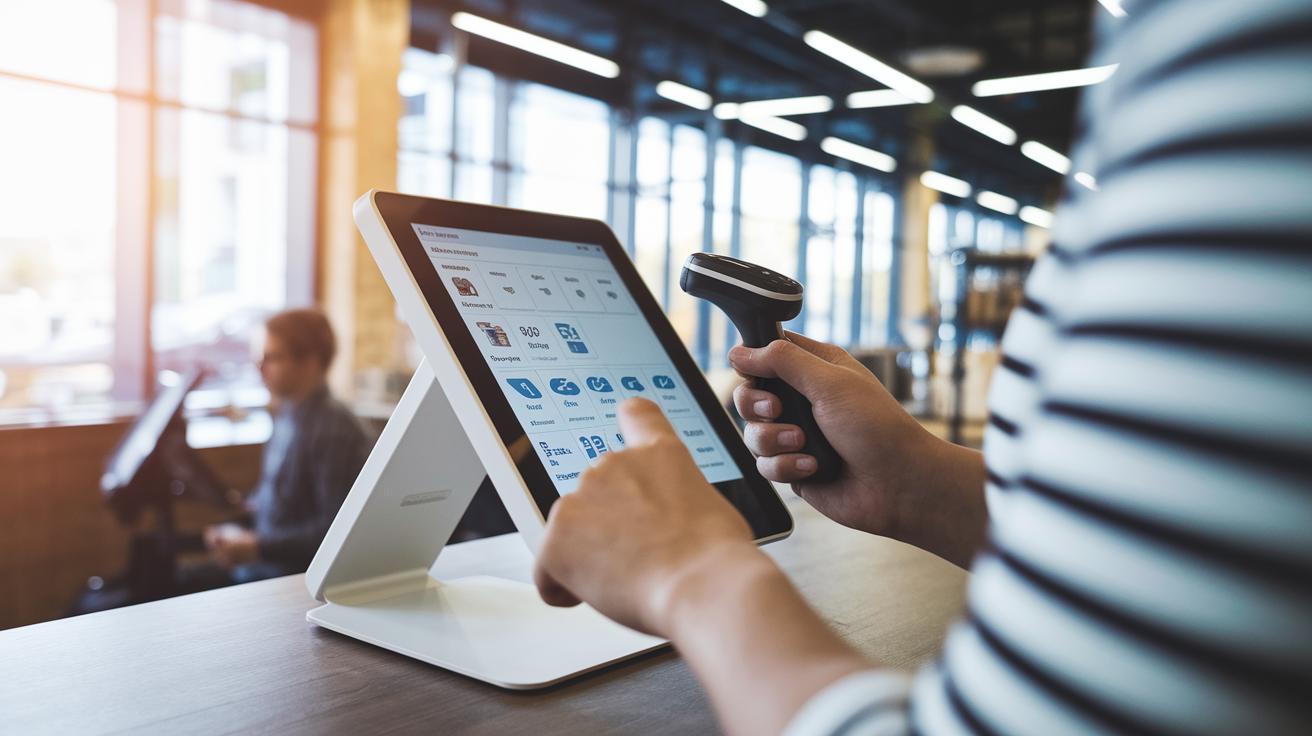
Retail systems are all-in-one digital tools that bundle every function modern businesses need. They mix essentials like the point-of-sale interface, inventory tracking, customer management, and clear, easy-to-read reporting into one neat package. Imagine a digital register that not only finalizes sales but also logs customer interactions and keeps track of stock, all at once. Built with smart connectivity between hardware and software, these systems offer round-the-clock support, lifetime troubleshooting, and even battery backups to keep your business humming along without interruptions.
Adopting a well-integrated retail system really changes the game. Faster transactions cut down customer wait times, which means happier shoppers. Managers get real-time visibility of inventory, letting them adjust stock levels on the fly, so there's less chance of overstocking or running out. Staff management gets easier too, as the system simplifies scheduling, tracks performance, and handles shift planning with ease. Picture an unexpected busy moment handled gracefully because live updates let your team shift resources quickly and confidently.
Comparing Top retail systems: Vendor and Feature Overview

Our review looks at key aspects like setup ease, integration ability, fee structure, and real-world use cases. We’ve spent three years testing these systems across 25 different points and gathered plenty of on-the-ground feedback. With options that range from free plans to monthly fees up to $150, there’s a match for nearly every business type. The idea is to find a system that gels with your workflow, supports fast transactions, and offers reliable performance.
Square
Square offers a free plan that even comes with a complimentary card reader. Its quick setup and intuitive interface make it a hit with small shops. The checkout process is smooth and hassle-free, so you can get started without the headache.
Shopify POS
Shopify POS ties your online store with physical locations and social channels using built-in omnichannel integration. If you’re working to merge online and in-store sales, you’ll find its strong digital connectivity and easy management of multiple channels particularly helpful.
Helcim
Helcim is built for B2B and wholesale merchants. It offers flexible payment options and volume discounts, making it a solid choice for businesses that handle larger transactions. Its adaptable pricing model grows with your business, ensuring you’re always set up for success.
Clover
Clover lets you use your own payment processor and offers customizable hardware. This flexibility means you can build a system that fits your specific needs, perfect for retailers looking for a tailored solution.
GoDaddy POS
GoDaddy POS simplifies cost management with a straightforward flat-rate processing fee. Its no-nonsense system is ideal for vendors who value consistency and ease in transaction processing.
Lightspeed for Retail
Lightspeed for Retail shines with robust inventory management and detailed, easy-to-read reporting dashboards. Designed for retailers with complex inventory demands, it gives you the insights needed to keep your operations running efficiently.
For a detailed overview, refer to top pos systems.
| System | Best For | Monthly Fee | Notable Features |
|---|---|---|---|
| Square | Small retail shops | $0+ | Free plan, fast setup, user-friendly |
| Shopify POS | Omnichannel merchants | Varies | Ecommerce and social integrations |
| Helcim | B2B & wholesale | Varies | Flexible rates, volume discounts |
| Clover | Custom setups | Varies | BYOP, customizable hardware |
| GoDaddy POS | Simplified fee structure | Varies | Flat-rate processing, ease of use |
| Lightspeed for Retail | Complex inventory needs | Up to $150 | Advanced inventory management, detailed reporting |
Inventory Control with retail systems

Retail systems make keeping track of your inventory simple and stress-free. They mix handy tools like stock level monitoring, reorder triggers, and purchase order creation to help you stay on top of your game. It’s like having a reliable assistant who updates your stock automatically and nudges you when it’s time to restock.
Take, for example, Standard and Premium Retail System kits. They automatically set off reorder triggers and keep an eye on stock levels every minute. And if you're using an iPad, there’s a cloud-based retail system that combines stock tracking, purchase-order management, and e-commerce integration for a seamless experience.
- Low-stock alerts
- Multi-site sync
- Lot/batch tracking
- Automatic reorder
- Vendor catalogs
Real-time data lets retailers make smart, proactive decisions. When low-stock items pop up, dynamic stock balancing and distributed inventory tracking jump in to minimize any hiccups. This immediate insight not only helps prevent stockouts but also boosts efficient vendor management. Systems like Lightspeed for Retail even take it further by synchronizing multiple locations, keeping everything running as smoothly as a well-oiled machine.
Securing Payments in retail systems

When it comes to handling payments, retail systems put safety first. Every transaction involves sensitive customer data, so they stick closely to rules like PCI DSS to ensure everything stays secure.
These systems work with strong encryption, regular PCI DSS checks, tokenized payments, and careful log storage. They even support modern methods like contactless or NFC protocols to keep the experience smooth and safe.
For instance, platforms such as Helcim and Clover provide end-to-end encryption paired with tokenization at every step. And when the network isn’t cooperating, GoDaddy POS switches to offline mode using LTE or Wi-Fi, ensuring your transactions keep moving without a hitch. This kind of robust setup means retailers can enjoy fast, secure transactions while keeping customer data well-protected.
Architecture and Integration of retail systems

Retail systems now come in two flavors: cloud-hosted and on-premise. Think about platforms like Shopify POS or the iPad Retail System, they use cloud technology to sync your online and in-store operations in real time. This means businesses can scale quickly without getting bogged down by heavy local hardware, and they can respond fast when market trends change.
Open APIs and middleware connectors are like the secret sauce that links all your business tools together. These tools work smoothly with CRM systems, loyalty programs, accounting software, and other third-party applications. Essentially, they create one flowing ecosystem where data moves easily between platforms. This integration, driven by modern retail tech, makes it simple to set up or adjust components as your business needs and customer expectations evolve.
Good device management is just as important. Standard retail setups usually include features like remote firmware updates and round-the-clock technical support. This ongoing vendor care helps keep every device running at its best, ensuring the system stays reliable even during the busiest times.
Implementing and Budgeting for retail systems
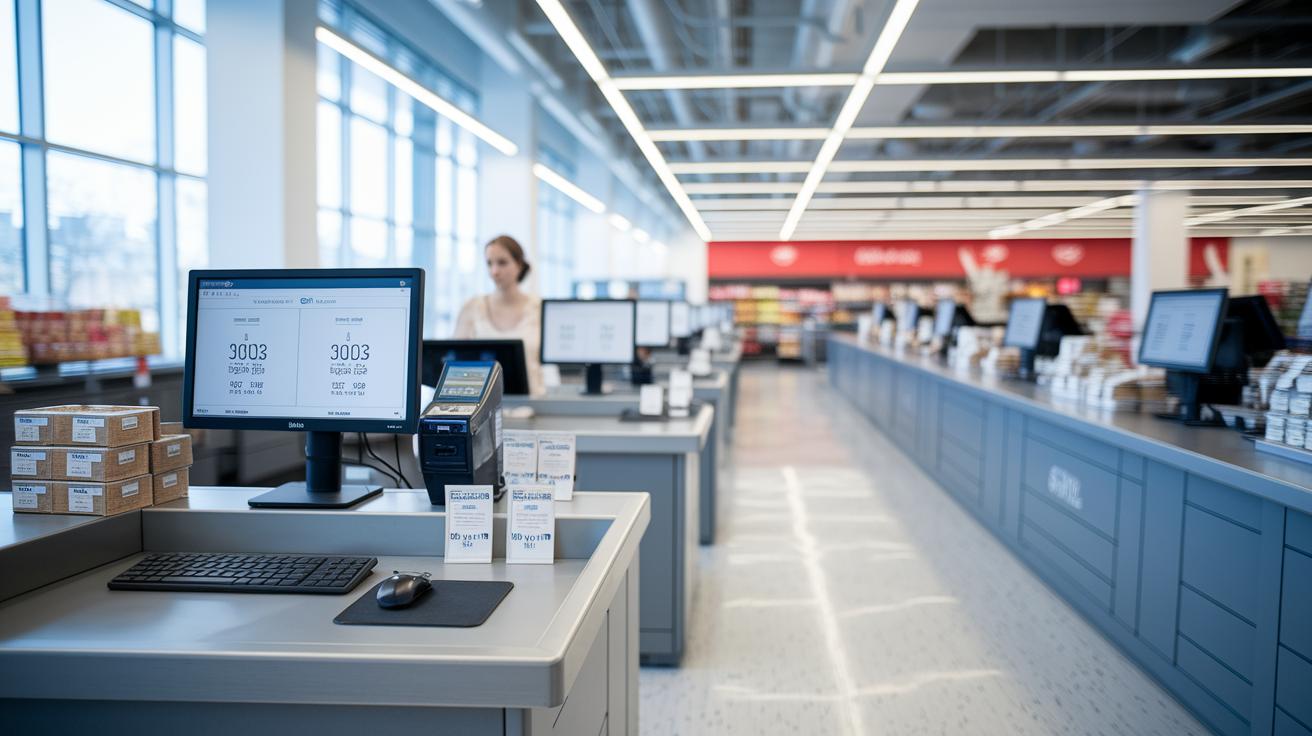
Let’s break down the costs of retail systems so you have a clear view of what you’re paying for. Some software options, like Square, start at $0, while others such as Lightspeed can reach up to $150 per month. You’ll also need to factor in hardware, most Standard and Premium Retail Kits start around $500, and you might see extra fees for payment processing too. Vendors offer either a monthly subscription or a one-time perpetual license, each with round-the-clock software support and lifetime hardware help. Plus, processing charges and support plans complete the picture, making it easier to understand your business’s total operating expenses.
Now, let’s talk about the return on your investment. With faster checkouts and fewer times running out of stock, many retailers see their investment pay off within 6 to 12 months. Automated processes can trim labor costs and even boost sales, adding long-term value. Regular vendor reliability checks and clear service level agreements (SLAs) help you keep an eye on the system’s performance during busy periods. In short, these methods give you a practical way to balance upfront costs with long-term gains and smoother operations.
Final Words
In the action of unraveling how retail systems integrate core modules, from a smooth POS interface and accurate inventory tracking to robust payment security, we explored the essential building blocks that keep operations running.
The discussion compared top vendor features, detailed inventory management benefits, and highlighted cost considerations and ROI insights. The analysis shows that leveraging retail systems can transform daily business operations, paving the way for positive growth and better strategic decisions.
FAQ
What are retail systems?
The term retail systems refers to comprehensive platforms that combine a point-of-sale interface, inventory tracking, CRM integration, and reporting dashboards to streamline daily retail operations.
What do Retail Systems software, Retail Systems Inc, and retail systems companies mean?
These terms describe both the specialized software used by retailers and the companies that develop and offer these integrated solutions, ensuring efficient management from inventory to customer data.
How does one access a retail systems login?
A retail systems login typically involves entering secure credentials into a web-based or app-based portal, granting access to management dashboards, transaction data, and support options.
What are the unique features of Retail Systems Software?
Retail Systems Software boasts comprehensive modules, 24/7 support, lifetime hardware troubleshooting, and battery-backup options — all designed to keep store operations running smoothly.
What types of careers exist in retail systems?
Retail systems careers span roles in software development, technical support, sales, and system implementation, offering diverse paths for professionals to contribute to retail technology.
What are the four types of POS systems?
The four types of POS systems include countertop registers, mobile devices, self-service kiosks, and integrated online solutions, each tailored to meet varying operational needs.
What are the three types of retail?
The three types of retail typically include brick-and-mortar stores, online shops, and hybrid models that combine physical locations with digital sales platforms.
What is an example of an online retail system?
An example of an online retail system is Shopify POS, which seamlessly integrates ecommerce functions, social channel links, and user-friendly checkouts for a smooth customer experience.