
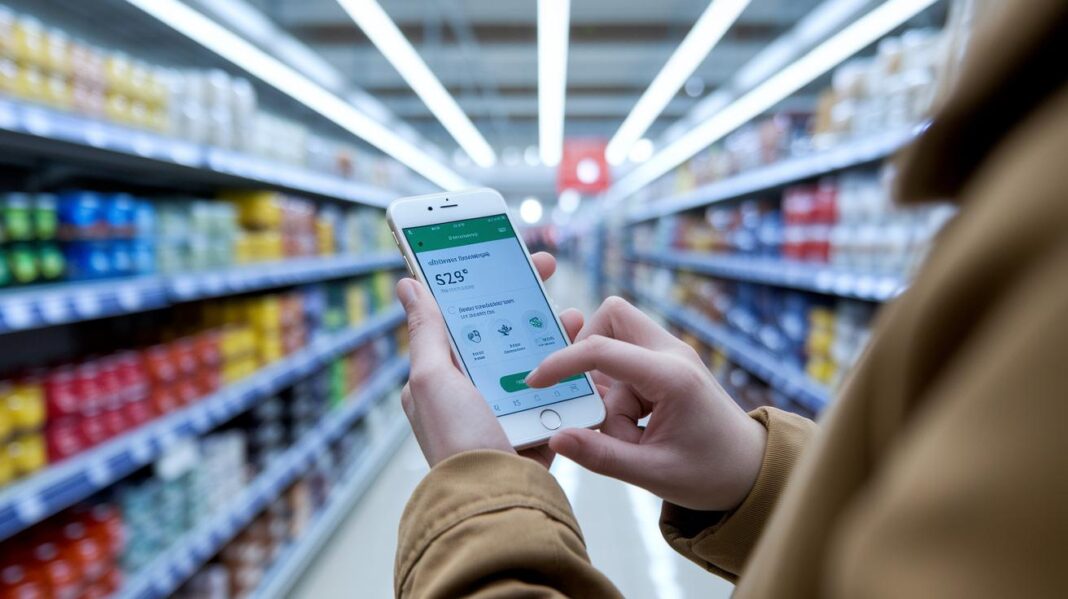
Ever thought your smartphone could be your shopping sidekick? Imagine snagging your favorite sneakers in just a few taps. Mobile shopping lets you buy on the go, skipping those long checkout lines you used to face. With millions of people enjoying quick and easy mobile transactions every day, it’s clear that smart buying makes perfect sense. In fact, this post dives into how phone-powered purchases are changing our shopping habits for the better.
Mobile Commerce Fundamentals: On-the-Go Transactions and Market Growth
Mobile commerce , or m-commerce , means consumers can shop using their smartphones and tablets instead of a desktop computer. This change makes buying simpler and faster, letting you complete a purchase in just a few clicks. Picture it like this: you’re looking for a new pair of shoes, and in seconds, your phone has found the best deal and closed the order for you.
A December 2022 survey found that more than 60% of U.S. adults count mobile shopping as a major convenience in their day-to-day lives. Global m-commerce sales hit $2.2 trillion in 2023, and U.S. sales are expected to reach $558.29 billion by 2025, which would represent about 7.4% of total retail sales. Experts also say that by 2025, the average American will spend roughly 3 hours and 15 minutes on their phone each day, keeping these gadgets at the center of our daily routines.
It’s no surprise that smartphones are leading the charge. In 2024, smartphone-related mobile sales hit $418 billion, while tablet sales were around $69 billion. M-commerce thrives on quick, efficient transactions and easy-to-navigate designs, making it a clear step up from traditional online shopping that can bog you down with long forms and clunky interfaces.
| Metric | Value | Year |
|---|---|---|
| Global m-commerce sales | $2.2 trillion | 2023 |
| U.S. m-commerce sales | $558.29 billion | 2025 forecast |
| Smartphone mobile sales | $418 billion | 2024 |
| Tablet mobile sales | $69 billion | 2024 |
Key Mobile Payment Systems Powering M-Commerce
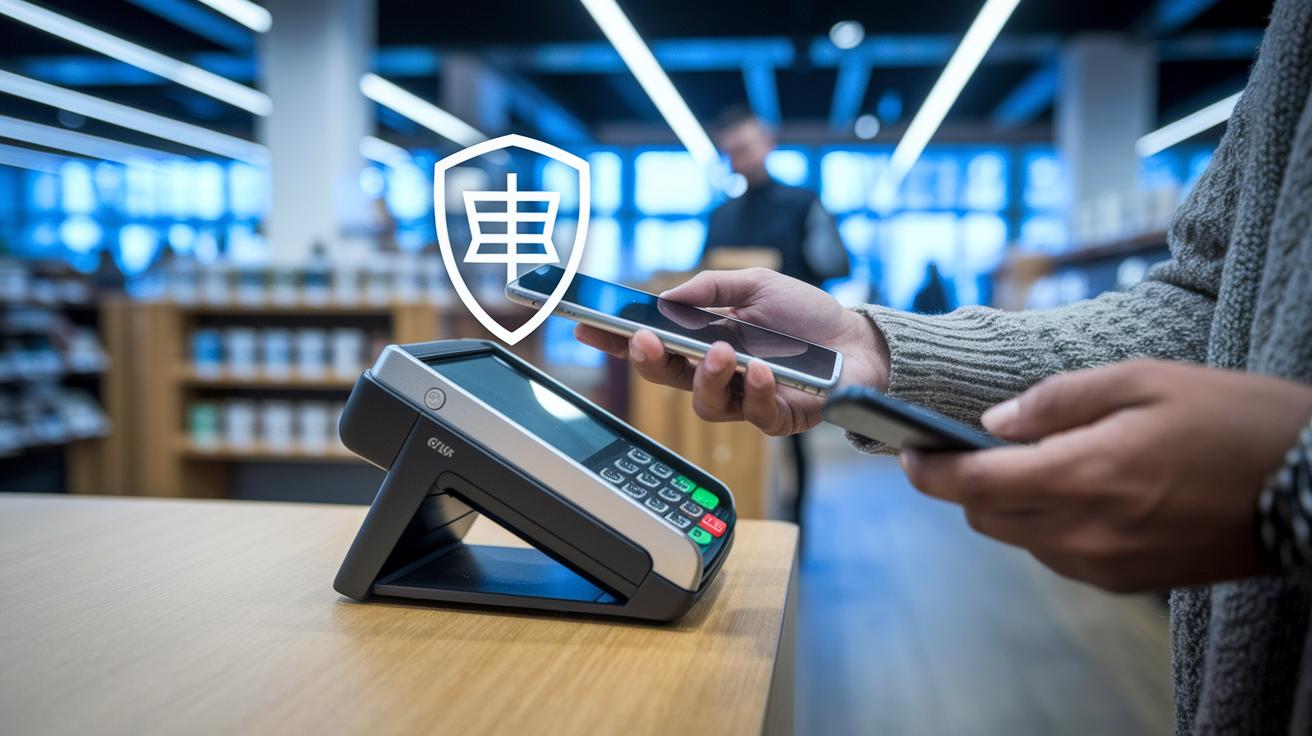
Mobile payment systems form the foundation of m-commerce, making transactions smooth and hassle-free. These systems plug directly into apps using API-based payment gateways, which connect banks and payment processors seamlessly. Techniques like tokenization and end-to-end encryption keep sensitive data safe, and you can almost picture tapping your phone to pay instantly, no clunky forms, no waiting around.
Even though around 30% of smartphone users feel a bit uneasy about mobile payments, a clear data-use policy goes a long way. In fact, 71% of users feel more at ease when a brand explains how it handles personal information. This kind of transparency builds trust, which is key when swift, secure transactions are your top priority.
Mobile commerce offers a variety of payment methods that fit perfectly with our fast-paced lives. Some popular options include:
- NFC Tap-to-Pay
- QR Code Scanning
- In-App Payments
- Mobile Web Checkout
- One-Click Ordering
Each of these methods supports contactless commerce and mobile wallet innovations, creating an efficient network of payment options. With a strong focus on quick transactions and solid security, m-commerce platforms deliver the reliable, user-friendly experiences that today’s shoppers expect right from their smartphones.
Mobile Commerce Security: Protocols, Frameworks, and Trust Building
When it comes to keeping mobile purchases secure, it’s all about putting strong defenses in place to protect each transaction. Think of it like giving every deal its own little bodyguard. For example, tokenization swaps out sensitive details with coded stand-ins. Meanwhile, SSL/TLS encryption makes sure any data traveling between your device and the server stays safe. And with multi-factor authentication, you verify users using a mix of credentials. Not to mention, fraud detection algorithms work around the clock to spot any unusual activity.
Gateway security systems serve as dedicated routes for your data, much like secure highways. They’re designed to fend off unauthorized access and minimize weak spots. Regular penetration tests are also key, as they help uncover any trouble spots so they can be fixed right away. Plus, secure app development frameworks enforce solid coding practices that make it tougher for hackers to break through.
It might surprise you that around 30 percent of mobile shoppers worry about security. But here’s the flip side: over 70 percent feel better when they know exactly how their data is being handled. Clear, honest security protocols not only protect your information, they also build trust with customers. And that trust makes all the difference, giving people the confidence to shop on mobile knowing their personal details are safe every step of the way.
mobile commerce technology Powers Smart Buying

Shopping on a mobile device relies on a clear, straightforward design. Studies show that 36% of users have trouble finding what they need, so simple search options and seamless navigation become essential. Imagine opening an app and instantly spotting your favorite snack without endless scrolling. That’s the charm of intuitive design.
Mobile app trends now lean toward clean layouts and logical groupings that smooth out the shopping experience. A smart app might feature a search bar at the top with helpful auto-suggestions, guiding you right to what you're after. Designers use mobile analytics to learn which features work best, fine-tuning the experience. Picture getting a friendly push notification saying, "Good news: the shoes you like are back in stock!" No wonder 65% of shoppers stick around once they experience personalized content.
The focus also lies on keeping a consistent look and feel everywhere, from the app to social channels. It’s like walking into your favorite store where everything feels familiar and trustworthy. For brands, this uniformity builds confidence and encourages purchases. To make this happen, consider using a robust digital commerce platform that integrates sleek design with smart data insights. This blend helps create a tailored shopping journey every time.
Emerging Trends Shaping Mobile Commerce Technology
Social Commerce 2.0
Social Commerce 2.0 is shaking up how brands connect with you by placing shopping right in your social feeds. Now, retailers can tag products directly in posts so you can tap, ask a quick question, or leave feedback in real time, all without leaving your favorite app. This immediate interaction not only speeds up your decision-making but also builds a lively and engaging bond between you and the brands you love.
One-Click Ordering
Imagine completing a purchase with just a single tap. One-click ordering makes that possible by securely saving your payment and shipping details for future use. This streamlined checkout process cuts out the hassle of multiple steps, reducing the frustration that often leads to abandoned carts. It’s a lot like ordering your go-to meal effortlessly, intuitive, fast, and designed to keep your shopping experience smooth and straightforward.
Voice Shopping
Voice shopping is quickly becoming a favorite as our daily routines blend more with digital assistants like Siri and Alexa. With a significant number of shoppers leaning towards voice search, these tools are evolving from information sources to active purchase helpers. Whether you’re ordering groceries while cooking or adding items to your list on the go, voice commands let you shop hands-free, making life a bit easier for busy days.
AR and AI Enhancements
AR and AI are teaming up to transform your shopping experience. Augmented reality apps let you virtually try on products, like checking out how a pair of sunglasses looks, right from your phone. At the same time, AI-powered analytics send personalized recommendations your way and even forecast the next big trend. With chatbots ready to offer instant support and tailor-made promotions, every interaction on your mobile feels smart, engaging, and perfectly suited to your needs.
Business Benefits and Real-World Mobile Commerce Technology Implementations

Mobile commerce is shaking up traditional sales models by boosting conversion rates, sparking impulse buys, and expanding market reach in ways that old-school methods just can't. Apps that store gift cards and loyalty rewards make checkouts nearly effortless, imagine tapping "pay" and instantly having your saved gift card kick in, much like ordering your favorite coffee with a single touch.
One exciting benefit is the seamless connection between channels. In fact, 71 percent of shoppers kick off on one platform and finish their purchase on another. This highlights why omni-channel strategies are so important. Retailers using these methods let customers smoothly transition from browsing on social media to finalizing a purchase on an app without missing a beat.
Data analytics also play a key role. By diving into how shoppers interact with a site, companies can offer hyper-targeted promotions based on individual browsing habits and past purchases. It’s like having a digital assistant that customizes discounts just for you, boosting sales with smart, on-the-spot offers.
Real-world examples show how effective these strategies can be. Sephora’s augmented reality try-on feature brings products to life in a fun, interactive way, Target’s app-to-store workflows create a fluid, modern shopping experience, and Coursera’s mobile learning platform is reshaping online education. These successes prove that mobile commerce not only enhances customer loyalty but also drives solid business growth.
- Increased conversion rates
- Boosted impulse purchases
- Broadened market reach
Mobile Commerce vs Traditional E-Commerce: Key Differences and Insights
Mobile commerce is all about getting things done fast and easily. With features like one-click checkout, you can wrap up a purchase in just seconds. Think about it, finding a great deal on your phone and tapping it away feels so much smoother than spending valuable minutes entering your details on a computer.
These mobile-first designs really step up by cutting out the usual hassles. They’re built for busy folks who need quick access to products and services while they're on the move. In fact, experts predict that by 2025, mobile devices will power around 70 percent of all transactions worldwide. That rapid, on-the-go interaction is a big win for mobile commerce compared to traditional platforms, which often depend on larger screens and more detailed views but may not offer the same instant access when you’re out and about.
Traditional e-commerce sites do have their perks, like extra space for high-quality images and detailed descriptions. This can create a richer shopping experience when you’re not pressed for time. Still, they can’t match the quick, streamlined process you get with mobile interfaces.
Plus, mobile commerce works hand-in-hand with backend retail systems. This means real-time inventory updates and automated order fulfillment, making the entire checkout process smoother and more dynamic. It’s a system that simply outshines the old-school setup when it comes to speed and convenience.
Final Words
In the action, this post explained mobile commerce fundamentals, highlighted cutting-edge payment methods, and stressed the importance of robust security. It walked through optimizing user experience and spotlighted trends that drive market growth. By comparing mobile commerce technology with traditional online shopping, it showed how fast, effective transactions can transform business outcomes. Embrace accurate data and smart design to capture emerging opportunities and steer your strategies. The future shines bright with mobile commerce technology powering smart and agile market advances.
FAQ
What are some mobile commerce technology examples and m-commerce examples?
Mobile commerce technology examples include NFC tap-to-pay, QR code scanning, and in-app one-click ordering. These methods show how smartphones simplify transactions, enabling fast and secure shopping on the go.
What do mobile commerce technology PDF, PPT, and notes provide?
Documents in PDF and PPT formats offer clear outlines of mobile commerce technology, covering digital payment systems, security protocols, and intuitive interface designs. They act as handy guides for industry professionals.
Which companies are leaders in mobile commerce technology?
Leaders in mobile commerce technology include prominent firms like Apple, Google, and Samsung. These companies launch advanced digital wallets and secure payment systems, driving innovative shopping experiences.
How does m-commerce differ from traditional e-commerce?
M-commerce focuses on fast, one-click mobile transactions with streamlined interfaces, while traditional e-commerce typically occurs on desktops with detailed browsing and longer checkout processes.
What are the types of mobile commerce and the three main categories?
Three main types of mobile commerce are app-based shopping, mobile website purchases, and mobile payment systems. Each offers a unique interface tailored for quick and secure transactions.
What is the most common platform for mobile commerce?
The most common platform for mobile commerce is the smartphone-based app or mobile website, which provides quick access to digital payment options and a smooth transaction experience.
What are the four types of e-commerce?
The four types of e-commerce include Business-to-Business, Business-to-Consumer, Consumer-to-Consumer, and Consumer-to-Business. Each model facilitates distinct online transaction formats and interactions.
What does mobile commerce on Amazon involve?
Mobile commerce on Amazon involves buying through its mobile app or website, featuring one-click ordering and personalized recommendations that provide a fast, convenient shopping experience.


