Tired of waiting on slow updates and lagging network responses? Imagine a system that handles information right at the source, eliminating delays and boosting efficiency instantly.
Picture this: each office or branch operates like its own smart dashboard. Instead of relying on distant cloud servers, tasks are managed closer to home, making everything run a lot smoother and faster.
In this article, we dive into how this local data handling shifts heavy workloads away from far-off servers. As a result, everyday business tasks turn into quick, real-time actions you can actually feel.
Defining Edge Technologies: Architecture and Key Concepts
Edge technologies process data right where it's created instead of sending everything to a faraway cloud. Back in 1989, early PC and LAN systems handled data on-site for individual stores. Today, systems built for real-time updates spread processing across several outlets, letting each location instantly update inventory, gift card, and loyalty balances. In fact, one outlet even used a single edge device to update a customer’s rewards score right after a purchase, showing how far we've come.
Traditional cloud setups handle everything in one spot, which often slows things down as information has to travel long distances. In contrast, edge systems share the workload among nearby nodes. Managers can even log in remotely from anywhere with an internet connection, reducing the strain on central servers. This smart design cuts delays and supports quick, local decisions, even when the network has hiccups. It’s like having several independent dashboards that work together effortlessly.
The secret is in the hardware. Local nodes, micro data centers, and edge gateways all work together. These devices, powered by swift microprocessors, handle calculations on the spot while edge gateways link them into a unified, secure network. This means businesses can process data immediately, making it easier to respond fast when real-time events strike.
Edge Technologies: Accelerating Smart Network Processing
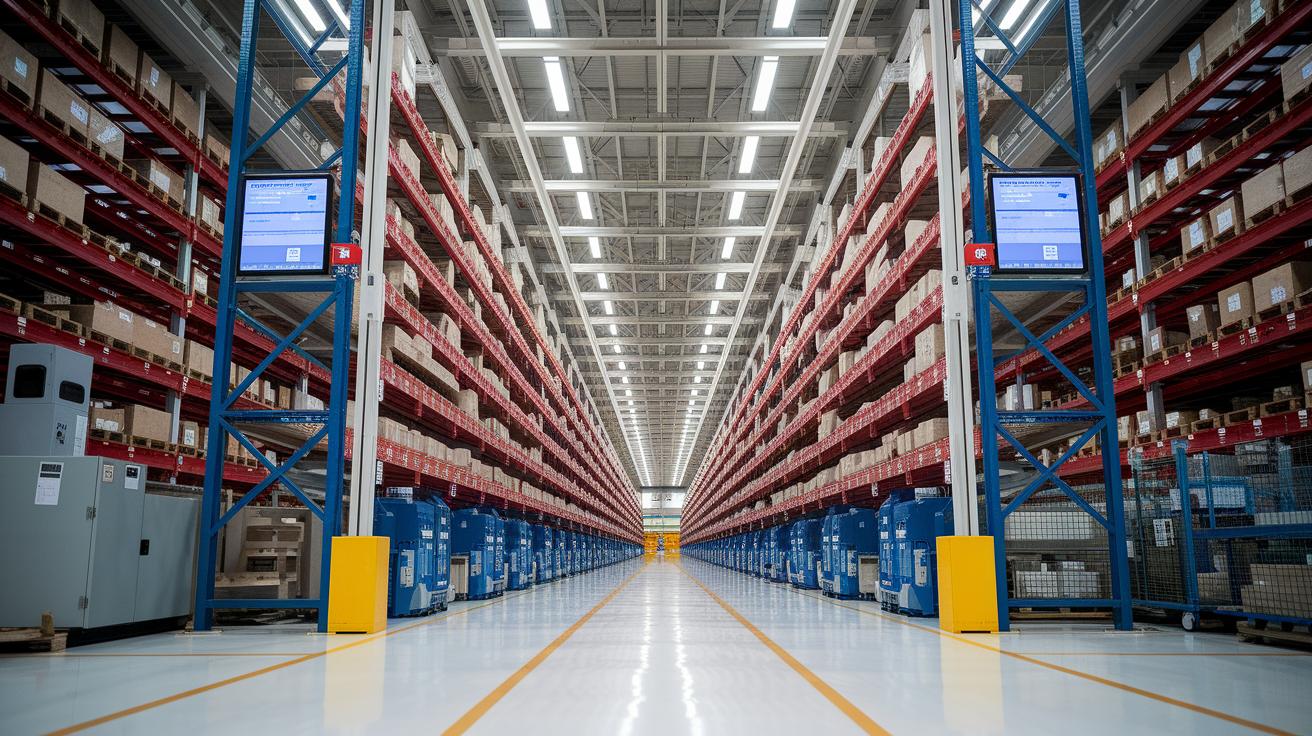
Edge computing brings data processing closer to where information is created. By handling tasks right at the source, it cuts out typical cloud delays, ensuring updates happen instantly. Think of a system that instantly adjusts inventory numbers and loyalty points as invoices roll out, it’s like having a real-time dashboard at your fingertips.
Tests have shown that response times can drop below 50 ms, which means quicker performance across the board. Local processing also saves bandwidth by limiting the amount of data sent back and forth over networks. Additionally, encrypting data on-site adds a layer of privacy that helps keep sensitive information secure.
Another smart feature is local analytics. When data gets processed right where it’s generated, decisions happen on the spot, making it easy to act on real evidence. Even if connectivity takes a hit, these systems continue running smoothly. Plus, storing data locally makes it simpler to meet strict regulatory requirements.
Updates are streamlined too. Integrating elements like customizable button menus and online vendor content allows the system to work faster on POS hardware. And when it comes to secure communications, protocols like remote login and Internet Backup ensure maintenance can be done safely from anywhere. This combo of local encryption and remote access not only boosts efficiency but also keeps the network’s integrity intact.
Edge Computing in IoT: Data Flow and Component Overview
Sensors are hard at work, gathering data right where it happens. In today’s smart factories, equipment comes with built-in sensors that capture signals instantly and kick off local processing. Think of devices like bar feeders in various sizes, they work with loaders and unloaders to keep the flow smooth and data timely. Even machines like the Vortex Coolant Mist Collector keep a keen eye on environmental conditions, so operators always know what’s going on. And then there are precision tools like Schlenker Collets; these use microcontrollers to blend sensor readings right at the edge. It’s like having an extra pair of eyes that fast-track the data instead of waiting for it to travel all the way to a central server.
| Component | Edge Function | Benefit |
|---|---|---|
| Bar Feeder | Processes signals on-site | Fast responses with minimal delay |
| Mist Collector | Monitors environmental conditions with smart sensors | Boosted safety and operational awareness |
| Loader/Unloader | Controls tasks locally | Ensures smooth, efficient production |
| Schlenker Collet | Fuses sensor data using microcontrollers | Enhanced precision for real-time updates |
Local processing lets these IoT devices crunch numbers nearby, easing the load on central systems and cutting down on network chatter. When data gets processed at the edge, it doesn’t need to travel far and wide, which is a big plus if connectivity isn’t top-notch everywhere. This hands-on approach means real-time insights for smarter decision-making. It brings a system together that is both resilient and responsive, a network that keeps key operations humming without missed beats.
Real-World Edge Technologies Use Cases
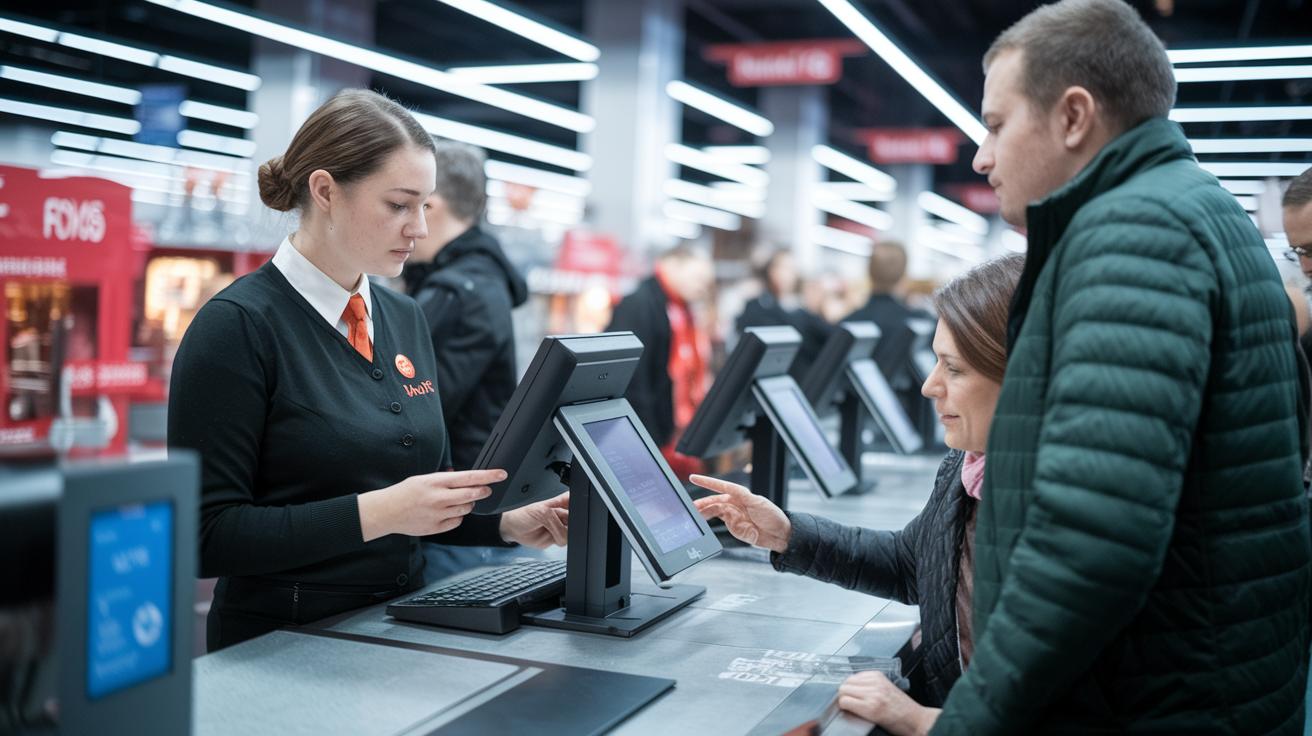
Modern retail shops are using smart devices built into their point-of-sale systems and cloud platforms to keep everything in sync, from stock levels to gift card balances and loyalty points. Local data processing means that even mid-sale, customer information updates instantly. Imagine a busy store during rush hour: one major chain reported that balance updates happened so smoothly, operations stayed on track without a hitch. Plus, edge-powered AI, like in AI Inventory Management, keeps the data fresh and reliable, so customers always get the best service.
In manufacturing, companies lean on edge service models, think EDGE Service or FMB Service, to monitor equipment and environments in real time. This means that parts like bar feeders or mist collectors are watched closely by local systems that immediately flag any slight changes, such as a small temperature shift. One factory saw that these on-the-spot alerts helped them fine-tune production schedules and maintain a safe workspace. It’s like having a watchful assistant who catches minor issues before they become major problems.
Smart buildings are getting a boost, too. In modern office projects like Next Sense and Triodos, edge computing is used for managing energy consumption and making sure everything runs smoothly. Continuous checks on HVAC systems and lighting, paired with AI adjustments, help keep buildings energy-efficient while also offering remote help when needed. This real-time processing not only drops energy use but also ensures that buildings operate at peak performance. In short, these edge solutions are a game changer for sustainable, cost-effective building management.
Deployment Challenges and Best Practices for Edge Technologies
For many retailers, merging older hardware and software with modern edge systems is a real challenge. Old point-of-sale units and legacy software often don’t interact smoothly with today's distributed computing solutions. Companies sometimes describe the experience as trying to fit square pegs into round holes. Even though configurable menus and vendor pipelines simplify firmware upgrades, synchronizing these updates across various modular units is still tricky.
Keeping data secure is equally important. When you use remote logins or rely on online backups, a secure data exchange is a must. Services like EDGE Service and FMB Service set up solid on-site maintenance plans to protect sensitive information. This means your data stays safe during unexpected network hiccups, and all parts of your system communicate securely.
Optimizing your network also matters. With distributed systems, bandwidth can be an issue. By processing data locally, the network avoids overloading central servers, which helps keep delays low and performance high.
Rolling out modular updates requires careful coordination. Regular firmware updates and dedicated on-site maintenance ensure that each module works reliably over time. This steady approach makes scaling up and keeping operations synchronized much smoother.
Emerging Trends and Future Directions for Edge Technologies

Educational tools are sparking a shift toward AI-powered edge nodes and advanced network security. The Edge-U-Cation Resource Library and Edge Insights articles break down complex ideas like self-adjusting algorithms and adaptive learning in a straightforward way, giving busy pros quick insights. This hands-on guidance is helping organizations build smarter edge computing setups while boosting their security measures.
Across Europe, teams like those from the EDGE Suedkreuz project are showing how mixing different skills, from project management to design, can create innovative systems. By combining their know-how, these teams are enhancing building controls and crafting cutting-edge edge integrations. Their teamwork highlights how collaborative efforts can shape reliable, AI-driven, and decentralized solutions across various industries.
In research labs, developers are testing next-generation adaptive edge platforms that pave the way for advanced robotics and new machine learning experiments. They’re honing self-optimizing algorithms and secure zero-trust network models to work seamlessly with future 5G networks. This push signals a clear move toward edge computing that’s resilient, secure, and more adaptable than ever before.
Final Words
In the action, edge technologies are transforming how data moves from local nodes to centralized systems. The post reviewed core components, compared traditional cloud models with modern edge setups, and highlighted key benefits like latency reduction and secure local analytics.
Real-world examples from retail, manufacturing, and smart building operations showcased practical implementations. The discussion on challenges and future trends points toward enhanced integration with AI, promising a brighter path for data-driven decision-making.