

Is your supply chain feeling a bit stuck in the past? In today’s bustling ecommerce scene, smart tech is ready to upgrade every step of your order process. Imagine a system that instantly refreshes your stock levels and alerts you when it's time to reorder. This not only smooths out your operations but also sharpens order accuracy, giving shoppers the quick, clear service they crave. Let's take a closer look at how innovative supply chain tools are shaking things up and driving order success.
How Ecommerce Supply Chain Technology Transforms Operations
Technology links every part of the ecommerce supply chain – from buying and production to storage, order tracking, shipping, and even handling returns. With sales expected to hit $5.42 billion by 2025, having a platform that syncs supply with demand is a must. These smart systems smooth out every step and help companies meet shopper expectations for speed, clear communication, and reliability. Picture a digital dashboard that instantly updates inventory levels as orders move through each stage, alerting you before stock runs too low.
Digitizing the whole process is breaking down old silos and building integrated back-end systems. By bringing together data from different sources, businesses can watch every detail of the order process in real time. This integration makes transitions smoother, reduces mistakes, and boosts overall order success. It’s like having a central command center where every team member sees live updates and can respond quickly. One small retailer even cut mis-shipments to under 2% just by connecting every step, showing how automation can slash manual errors.
Omnichannel solutions take things a step further by merging online and offline sales data, keeping inventory counts accurate no matter where a sale happens. As buyers push for seamless experiences, technology turns operations into a tight, coordinated network that doesn’t just keep up with growth but actually drives order success forward.
Top Ecommerce Supply Chain Technology Trends for 2025
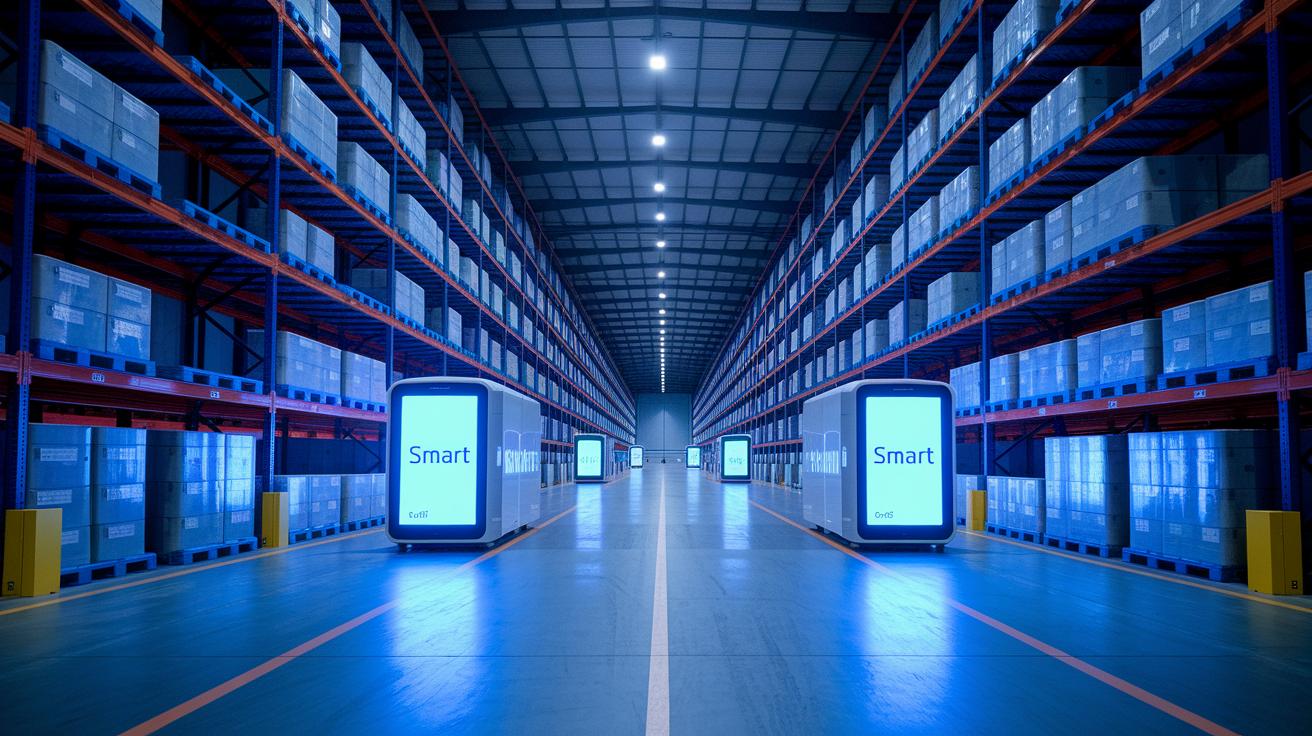
Imagine a smart system that predicts stock needs using machine learning. It senses when to reorder items before things run low, kind of like having a weather forecast for your warehouse. This technology refines everything from buying supplies to delivery, picking up on tiny shifts in order patterns and adjusting in real time.
Self-driving trucks and other autonomous delivery networks are changing how we handle the last mile. Picture a vehicle that navigates on its own, ensuring packages reach your doorstep promptly and reducing delays. It’s like having a dependable driver operating on autopilot.
In modern warehouses, robots are playing a starring role. Robotic arms and automated conveyors work together to handle merchandise and pick orders, cutting down on mistakes while speeding up the process. Think of it as a well-rehearsed performance in a busy space where every move counts.
Blockchain traceability is stepping in to secure supply chains by keeping immutable records of every transaction and movement. This sturdy framework teams up with advanced cybersecurity measures to protect crucial data from tampering.
Plus, innovations like IoT for real-time asset tracking and automated procurement are redefining operations. These advances are paving the way for ecommerce platforms to not just keep up but thrive as we head into 2025.
Dynamic Inventory Forecasting in Ecommerce Supply Chains
Ecommerce store owners know that misjudging inventory can really hit your bottom line. Luckily, today's systems blend historical sales numbers, real-time market cues, and machine learning to pinpoint demand with impressive accuracy. Imagine this: retailers leveraging these insights have slashed extra inventory costs by nearly 25% while keeping stockouts at bay.
Automated rules kick in when product levels dip too low, sending purchase orders straight away. This smart process helps cut the risk of excess or insufficient stock, making sure you're never caught off guard. Plus, with real-time data fine-tuning these rules, the system adapts quickly to changing buying trends.
Platforms like ai inventory management tie all these elements together, they mix tech-driven insights with smooth procurement processes so the right products are always in the right place at the right time.
Modern Warehouse Management and Automation Solutions

Cloud-based Warehouse Management Systems now tackle task assignment and slotting optimization with precision. They adjust orders by shifting tasks around based on emerging demand, imagine a system that repositions inventory on the fly to balance a busy period before shipping.
Advanced robotics have stepped up as well. Smart robotic arms work hand in hand with automated conveyors to trim downtime and speed up order picking. For instance, one warehouse ramped up processing speed by letting robotics guide pickers to the next item dynamically.
Recent updates also feature adaptive algorithms that blend digital analytics with real-world robotic performance. This smart mix keeps receiving, fulfillment, and shipping perfectly in sync in real time.
| Feature | Unique Benefit |
|---|---|
| Task Assignment | Adaptive reallocation based on current demand |
| Slotting Optimization | Precise product placement enhances order accuracy |
| Robotic Integration | Seamless coordination speeds up order processing |
Real-Time Order Tracking and Last-Mile Delivery Tech
Imagine watching your order travel live from the warehouse to your doorstep. Companies are now developing self-driving vans and drones to speed up that final delivery stretch. Thanks to precise GPS and smart shipping tools, you get updates at every turn, so you’re never kept guessing.
Automated shipping guidelines teamed with flexible routing bump on-time delivery up to 95-98%. Picture a notification popping up like, “Your package just cleared a major checkpoint,” keeping you in the loop every step of the way. And if an unexpected delay pops up, the system quickly recalculates the route to keep things moving.
By combining these tech tools, the delivery system constantly adapts to real-world conditions. This means your package reaches you faster, boosting your satisfaction. With smart transport solutions and real-time tracking, last-mile delivery becomes a well-oiled operation that prioritizes both speed and precision, setting a new high bar for order success.
Securing Ecommerce Supply Chains with Blockchain and Cybersecurity

Ecommerce supply chains are getting a serious upgrade as they blend smart contracts with top-notch cybersecurity measures. One major retailer recently put smart contracts to work, automating the process of verifying shipments. Imagine a scenario where a shipment is automatically marked as received once a sensor confirms its secure arrival, this approach cuts the need for manual checks by half.
Blockchain plays a key role here by using consensus algorithms to lock in tamper-proof records with timestamps and cryptographic validation. When paired with dynamic IoT sensor data, these systems provide clear, real-time proof of an asset’s status. For instance, if a sensor picks up a temperature change, an alert is triggered and a smart contract kicks off an immediate security review.
| Feature | Impact |
|---|---|
| Smart Contracts | Automate checks and trigger tailored responses |
| Cybersecurity Protocols | Quickly identify and neutralize threats |
Enhanced security measures, like multi-factor authentication, intrusion detection, and secure key management, further strengthen blockchain platforms against emerging cyber threats. For example, an automatic lockdown activated by a network intrusion alert, combined with several layers of verification, was able to stop further exposure almost instantly.
On top of that, regulatory changes are influencing the way ecommerce integrates these innovations. New guidelines demand more transparency in automated processes, which is reshaping smart contract design and cybersecurity practices. As a result, many companies report smoother compliance and reduced risk, thanks to the seamless integration of advanced blockchain protocols with real-time IoT monitoring.
Case Study: ShipBob’s Integrated Ecommerce Supply Chain Technology
Major retailers are switching to ShipBob’s all-in-one platform to simplify their operations and speed up order delivery. The system features a cloud dashboard that gives clear, real-time insights with straightforward advanced data tools. Demand forecasting tools help match inventory with buying trends, cutting down worries about too much stock or running out. And automated returns management makes the whole process smoother and more efficient.
ShipBob’s backend mixes intuitive inventory software with a strong warehouse management system that keeps track of every detail. This unified view helps retailers handle orders without a hitch and scale up fulfillment quickly. On top of that, its collaborative shipping network ties several warehouses together for optimized routing and a more seamless order flow.
Retailers can tap into even more power by connecting with a host of ecommerce platforms. For instance, some combine the ShipBob system with their own tech stack, creating an even smoother process across multiple channels.
This case study shows how a smart, tech-driven approach can transform daily workflows. It makes managing orders easier, speeds up processing, and keeps everything accurate. By blending advanced cloud technology with scalable fulfillment software, ShipBob adapts effortlessly to changing market needs, processing every order with steady precision every day.
Measuring Success: Key Metrics and Analytics for Ecommerce Supply Chains
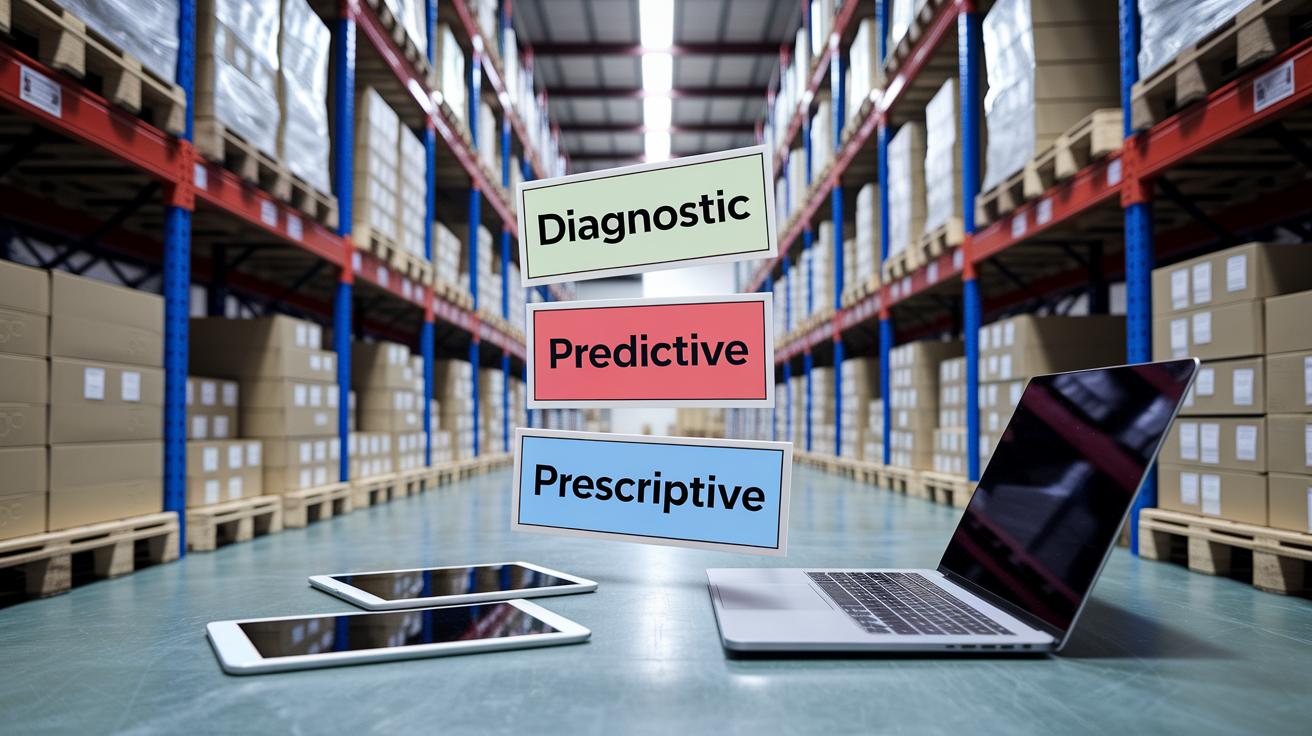
When it comes to running a smooth ecommerce supply chain, you need to look at three types of metrics: diagnostic, predictive, and prescriptive. Diagnostic metrics, like fill rate and inventory turnover, give you a quick snapshot of how your operations are doing. They help teams catch issues early and make quick fixes. For example, by keeping an eye on order accuracy, businesses can quickly spot problems that slow down processing and delivery.
Next up is predictive analytics. This method takes past data, combined with a bit of machine learning, to spot future trends. It’s like a crystal ball that helps you see upcoming shifts in order cycle times and picking rates. This way, companies can gear up for demand spikes before they hit.
Then there are prescriptive metrics, which are even more hands-on. They don’t just predict what might happen; they suggest specific steps you can take. Whether it’s fine-tuning vendor partnerships or adjusting staffing levels during busy times, prescriptive metrics help guide smart decisions.
Some best practices include:
| Practice | Description |
|---|---|
| Monitor Cycle Times | Keep a constant watch on how long each process takes. |
| Track Picking Rates and Order Accuracy | Regularly check how efficiently orders are processed to spot any hiccups. |
| Partner with 3PL Providers | Work with third-party logistics to get better insights into distribution. |
By incorporating ERP and inventory management tools, companies can make smart, data-driven decisions around the clock. This ensures every part of the operation stays in tune with the market’s demands, keeping you agile in a fast-changing landscape.
Final Words
In the action, our discussion highlighted how technology transforms every stage of the ecommerce supply chain. We covered digitized processes, dynamic inventory forecasting, smart warehouse management, and real-time tracking that meet today's customer demands.
The case study and key metrics underline that integrated systems boost speed, cut costs, and provide robust security. With ecommerce supply chain technology driving strategic decisions, the future looks bright and full of chances for innovation.
FAQ
What are e-commerce supply chain technology examples?
The e-commerce supply chain technology examples include robotic warehousing, AI-based demand forecasting, blockchain traceability, and integrated backend systems that streamline order processing and inventory management.
Where can I find PDFs on e-commerce supply chain technology and management?
The e-commerce supply chain PDFs offer detailed guides on technology applications, digital commerce strategies, and management best practices, serving as valuable resources for both academic study and industry insights.
Is there a degree in e-commerce supply chain technology?
The e-commerce supply chain technology degree provides specialized training in digital commerce operations, focusing on system integration, analytics, and comprehensive supply chain management techniques.
What does an e-commerce supply chain diagram illustrate?
The e-commerce supply chain diagram illustrates the flow from procurement and inventory management to order fulfillment and delivery, highlighting how digital tools connect each operational stage seamlessly.
What courses or lecture notes are available for e-commerce supply chain management?
The e-commerce supply chain management courses and lecture notes cover topics like integrated backend systems, dynamic inventory forecasting, logistics, real-time tracking, and cybersecurity, offering a rounded view of digital commerce operations.
What is green supply chain management?
The green supply chain management focuses on reducing environmental impact through sustainable practices such as waste minimization, energy efficiency, and resource conservation in digital commerce.
What is an e-commerce supply chain?
The e-commerce supply chain combines digital tools with core operations like procurement, warehouse management, order processing, and delivery, ensuring speedy and efficient handling of online retail transactions.
What are the 4 types of e-commerce?
The four types of e-commerce include Business-to-Consumer (B2C), Business-to-Business (B2B), Consumer-to-Consumer (C2C), and Consumer-to-Business (C2B), each differing by the parties involved in transactions.
What is supply chain technology?
The supply chain technology encompasses digital systems that automate and monitor processes like procurement, inventory tracking, order management, and delivery, boosting efficiency and transparency across operations.
What are the 5 C’s of supply chain management?
The five C’s of supply chain management cover Capacity, Cost, Communication, Coordination, and Control, which guide businesses in optimizing operations and adapting to market demands effectively.
How are supply chain management, e-commerce, logistics, management, marketing, and finance related?
The relationship between these fields lies in their collaborative approach to drive operational efficiency, connect customer needs with business strategy, and support sustainable growth in digital retail.