
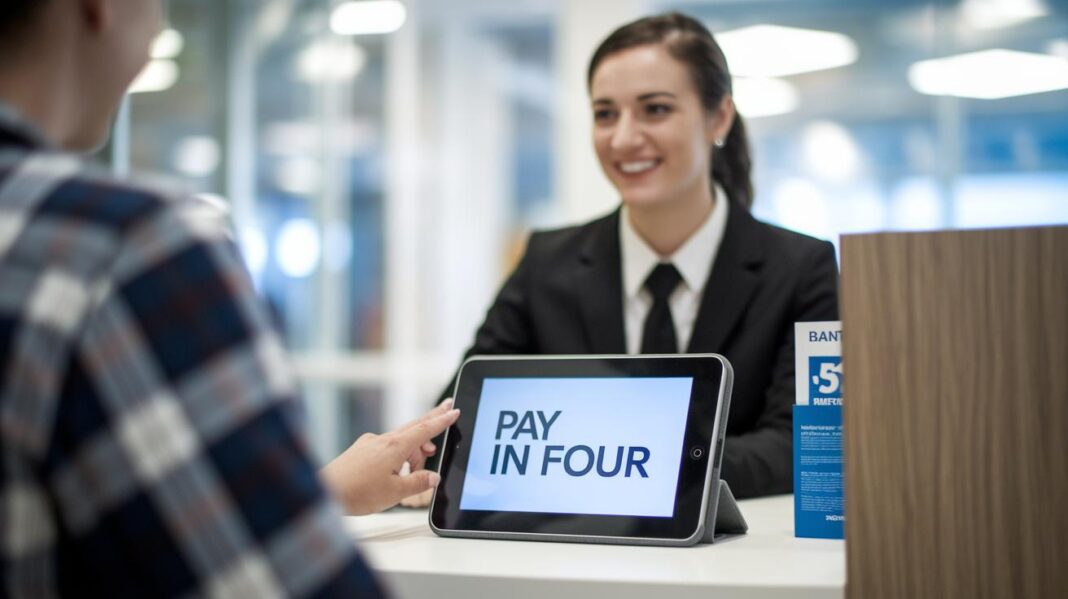
Chase appears to be experimenting with a Buy Now, Pay Later-style feature for debit-card holders. According to early reports, customers can retroactively tag eligible debit transactions between $20 and $400 and convert the full charge into four interest-free installments. Chase then credits the original transaction back almost immediately and debits 25% of the amount on a two-week cadence thereafter — roughly two, four, and six weeks after the split. No interest is charged. On the face of it this is a clean convenience play, but because it moves cash flow timing it raises questions about underwriting, merchant economics, regulatory treatment, and whether it should be treated like credit.
Chase Tests a BNPL-Style Debit Split
Chase appears to be experimenting with a Buy Now, Pay Later-style feature for debit-card holders. According to early reports, customers can retroactively tag eligible debit transactions between $20 and $400 and convert the full charge into four interest-free installments. Chase then credits the original transaction back almost immediately and debits 25% of the amount on a two-week cadence thereafter , roughly two, four, and six weeks after the split. No interest is charged. On the face of it this is a clean convenience play, but because it moves cash flow timing it raises questions about underwriting, merchant economics, regulatory treatment, and whether it should be treated like credit.
Why Chase Might Be Doing This: A Blocking Play
At first glance this feels like a defensive, or 'blocking', move. Debit interchange revenue is heavily regulated and thin, so Chase gains little directly from standard debit activity. By offering a more generous timetable , roughly a two-week cadence between debits compared to many BNPL 'pay-in-four' products that spread payments monthly , Chase can make a debit alternative more attractive. The bank may be trying to blunt the growth of third-party BNPL providers by keeping installment behavior inside its ecosystem. Even if the initial rollout is loss-leading, preserving customer relationships and cross-sell opportunities across cards, accounts, and lending can be more valuable long term.
Who Pays? Merchant or Bank?
Traditional BNPL firms charge merchants fees because the provider underwrites and absorbs some default risk; merchants accept those fees because BNPL lifts conversion and average order value. Chase’s debit-split appears invisible to merchants: they get the full payment upfront, with no separate BNPL integration or fee. That makes adoption frictionless from the merchant side, a clear advantage. But if Chase scales this and needs to cover costs, economics may shift , merchants might be asked to share fees, interchange could be repriced, or Chase could monetize through targeted offers or data. The current model simply buys time to prove customer demand.
Bank Advantage: Experiment First, Monetize Later

A strategic advantage big banks have over scrappy fintechs is the luxury to run 'irrational' experiments. Banks with tens or hundreds of millions of customers can test new features that lose money in the short term to see actual behavior at scale. Fintechs, chasing unit economics and funding milestones, must show sustainability quickly. Chase can introduce a retroactive split product, measure adoption and retention, and only then decide how to monetize , whether via fees, merchant agreements, interchange tweaks, or cross-sells. That approach lowers risk on product-market fit and lets banks convert behavioral wins into profitable offerings later.
Most 'Definitely Not Credit' Products Actually Are
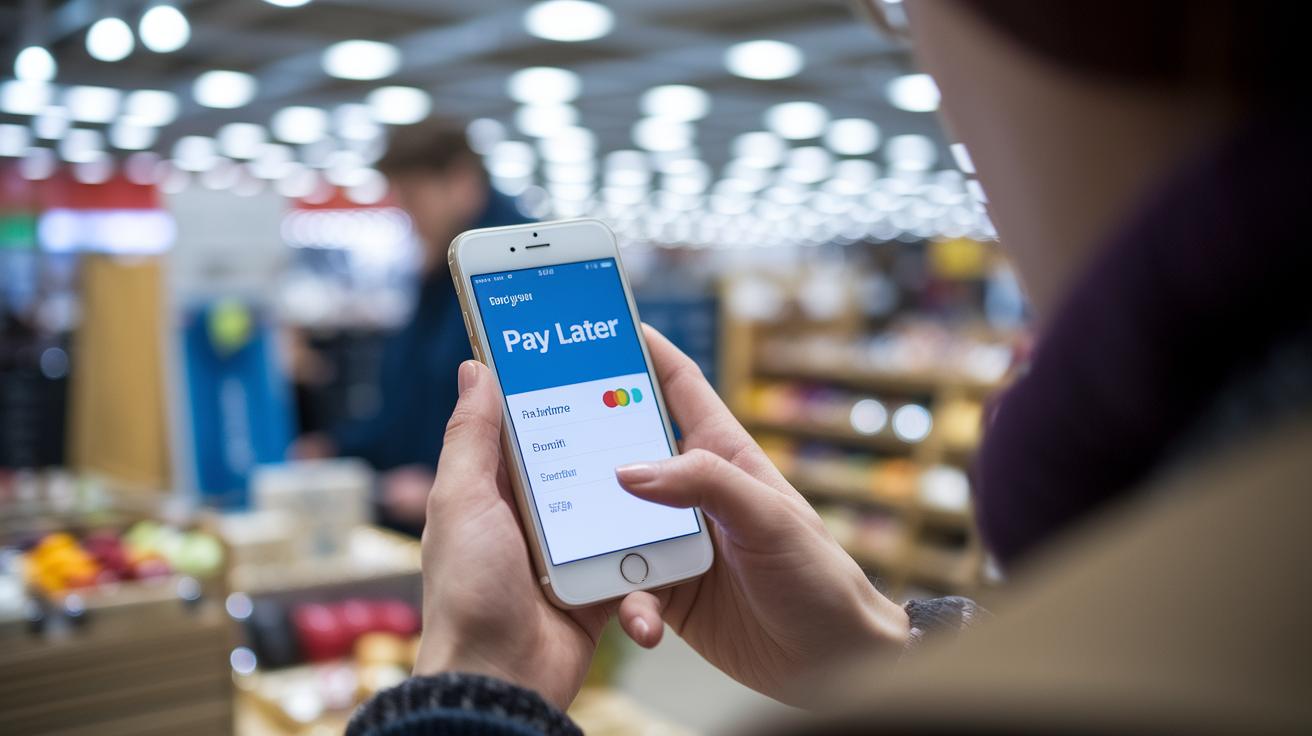
There's a running joke: many products marketed as 'definitely not credit' are economically credit-like. Language and labeling can obscure the financial reality , a short delay in when money is collected is functionally a loan advance, especially when the bank advances value today and collects later. This matters for consumer protections, disclosures, and regulatory oversight. Consumers may not appreciate that conveniences , installment toggles, provisional credits, or debit buffering , carry the same risk dynamics as small unsecured credit. Calling something a 'debit feature' doesn't change the economics; regulators and customer advocates will likely scrutinize how these products are represented.
Checking Accounts, Merchant Accounts and Debit Cards: All on a Spectrum
Financial plumbing is messy: checking accounts, merchant processing accounts, and debit cards live on a spectrum that blurs deposits and credit. Checking accounts enable overdrafts and float; merchant processors underwrite settlement risk and can hold funds; debit cards sometimes give provisional authorization and delayed settlement. Chase’s split-debit is another point on that line , the bank fronts money by effectively reversing a settled debit and later collecting installments. Recognizing these products as credit-ish changes how we think about consumer protections, disclosure requirements, and which regulators should weigh in.
Why the 'Checking is Credit' Point Matters
The idea that checking accounts are functionally credit is one of the least appreciated facts of US finance, and it explains a lot of odd outcomes. Because banks use deposit and payment timing to manage liquidity, everyday interactions , holds on deposits, overdraft fees, ACH returns , reflect credit decisions. That architecture lets banks deploy novel features quickly, but it also creates regulatory ambiguity. For customers, it introduces friction: what looks like a neutral product may hide the bank's underwriting choices. Expect more coverage and debate as banks experiment with debit-borne installment products that behave like loans.
Short Answer: Merchant Economics Still Drive BNPL
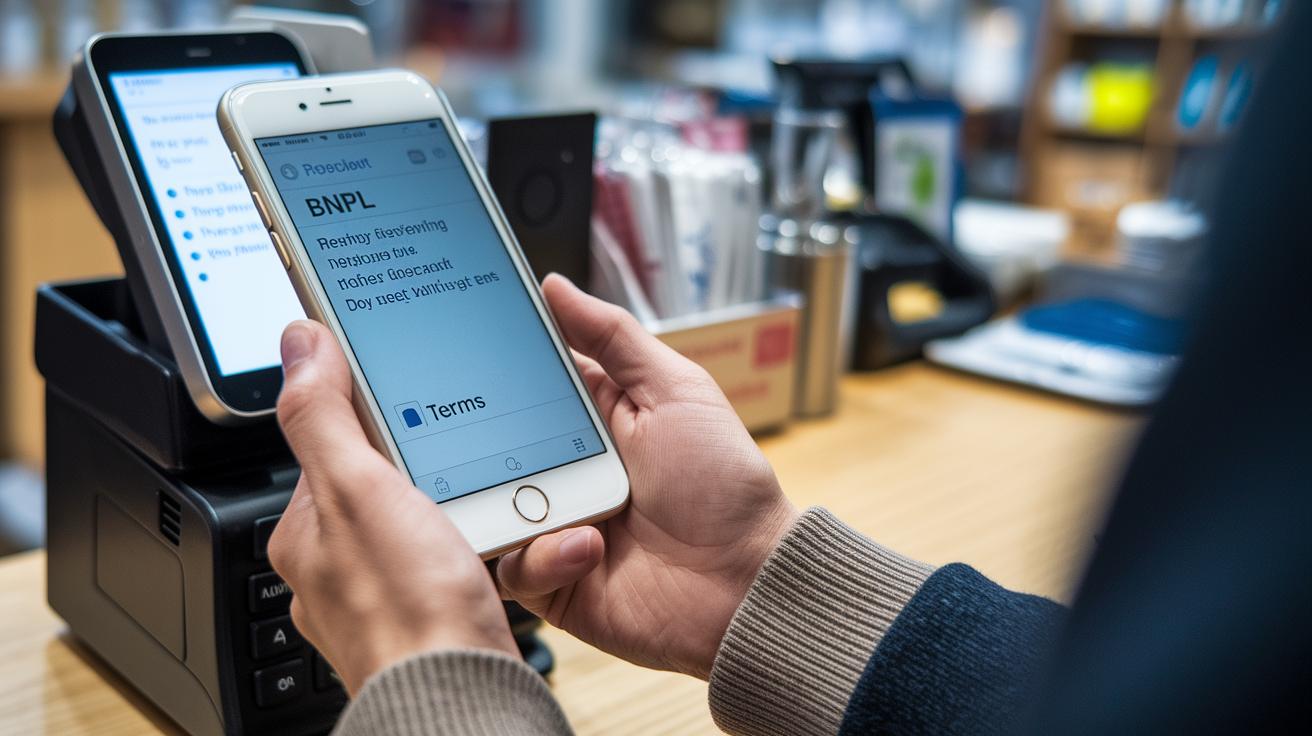
The short answer accepted in the thread: merchants typically pay for BNPL because they cover the cost in exchange for marginal sales lift. BNPL vendors pitch retailers on higher conversion and larger baskets; merchants tolerate fees if incremental revenue outweighs the cost. Chase’s model removes merchant friction by letting the bank absorb or hide the installment logistics initially. But merchants will not be indifferent forever , if Chase seeks to cover costs or extract profit, it may introduce merchant fees. Merchants will weigh sales lift against any new charges, and competitive dynamics will influence pricing.
Rewards, Habits and Why Customers Might Not Use It

Even with a smooth debit-split, adoption is not guaranteed. Many Chase customers prefer credit cards for points, cash back, and purchase protections , rewards that debit transactions typically forgo. Using a debit installment could feel like leaving money or benefits on the table, especially for shoppers who optimize rewards. There are also behavioral concerns: customers worry about overdrafts or unexpected debits hitting their checking accounts. To drive usage Chase may need to align incentives , offer bonus points for using the split, build protections to prevent overdrafts, or target segments that prefer debit due to credit constraints or budgeting needs.