

Have you ever stopped to consider if your tech spending is really propelling your business forward? Many companies see tech procurement as just another checkbox, missing out on the opportunity to save money and work more efficiently. Instead of just buying software or hardware on the fly, why not reframe your approach? By treating your tech investments as smart growth moves, you can keep a closer eye on your budget while ensuring your technology fits perfectly with your overall business goals. Read on to discover how a thoughtful tech procurement strategy can set you up for long-term success.
Tech Procurement Fundamentals: Defining Digital Acquisition in Modern Enterprises

Procurement is all about planning, sourcing, buying, and paying for everything a company needs to function smoothly. It goes further than just placing orders, it's the full journey from figuring out what you need to completing the payment. In tech, this means securing key items like software licenses, hardware, cloud services, and facility management tools that can take up a big part of a company’s budget. For example, one large corporation recently streamlined its tech procurement process and trimmed costs by 15% by better linking its buying and payment steps.
At its heart, tech procurement is about making sure every step in acquiring technology supports your business goals. This process involves checking your needs, scoping out the market, negotiating deals, and handling contracts. That way, each digital asset not only meets day-to-day requirements but also fits into the company’s broader strategy. There are a few main categories to know: direct procurement, which covers hardware and software, and indirect procurement, which takes care of office supplies and services. Breaking things down even further into goods versus services helps companies pinpoint efficiencies and manage vendor relationships more effectively.
On the money side, a solid tech procurement process is key to controlling costs and using resources wisely. By keeping a close watch on spending and supplier performance, businesses can avoid surprise expenses and ensure every tech investment supports overall financial stability. In fact, smart procurement turns a routine task into a powerful tool for sustainable growth.
Tech Procurement: Empowering Efficient Sourcing

Tech procurement isn’t just another back-office task, it’s about making smart, strategic choices that drive success. At its heart, this process relies on strategic sourcing. In plain terms, that means finding ways to quickly spot needs, dive into market trends, negotiate deals, and manage contracts efficiently. Picture this: by reclassifying software licenses based on real-time usage data, even small tweaks can lead to impressive annual savings.
Keeping a close eye on your suppliers is equally important. Using simple metrics like on-time delivery or tracking how much you spend helps ensure that every vendor is up to the mark. Regular performance reviews mean that any slip-ups are caught early, helping build a steady system that continuously trims costs.
New tools like artificial intelligence and machine learning are changing the game too. They can automatically flag potential risks, while cloud-based platforms enable teams to work together in real time as market conditions change. Whether you opt for an all-in-one system or specialized tools, every decision adds to a broader, well-planned strategy. Plus, considering environmental and ethical factors during supplier selection makes the whole process as sustainable as it is smart.
Isn’t it intriguing how a minor shift, like integrating automated spend checks, can boost supplier performance and drive down costs? In today’s fast-moving digital world, the right tech procurement strategy doesn’t just save money; it sets you up for a resilient, forward-thinking future.
Tech Procurement Tools: Software Platforms and Automation Solutions

In 2023, tech procurement has truly transformed. There are now 23 standout tools, each crafted to tackle different parts of the buying process. Companies increasingly lean on these digital platforms to make IT purchasing smoother, sharpen their spend analysis, and boost contract management. It’s like having a vigilant assistant that not only improves efficiency but also adds smart analytics to spot risks and ensure compliance. Ever imagine a tool that automatically flags a potential hiccup in your supply chain? It’s that dependable partner keeping tabs on every little detail.
One of the best things about these tools is how they clearly separate out functions. They come with systems to manage both internal and external risks, keeping vulnerabilities in check. At the same time, contract tracking tools guide every agreement to meet tough compliance standards. And digital purchasing platforms? They help cut costs by automating routine tasks while giving real-time updates on spending. Think of it like this: a tool like Suplari uses AI-driven spend visibility to turn raw data into smart, actionable insights that save both time and money.
| Tool | Category | Core Function |
|---|---|---|
| Onspring | Internal & external risk management | Risk & compliance monitoring |
| Venminder | Third-party risk oversight | Vendor risk evaluation |
| Gatekeeper | Contract tracking & analysis | Contract lifecycle management |
| Conga | Contract creation & compliance | Contract drafting and review |
| Circulor | Supply-chain traceability | Tracking material origins |
| Ecovadis | Vendor sustainability ratings | Sustainability performance |
| RFP360 | RFx process automation | Streamlining request for proposals |
| Suplari | AI-powered spend visibility | Advanced spend analytics |
By tapping into these diverse solutions, companies make sourcing, contracting, and spend analysis a breeze. Every decision is backed by real-time data and insightful analytics that empower smarter procurement moves.
Tech Procurement Trends: Innovations Driving IT Acquisition
AI and machine learning are changing the way companies manage buying tech. These smart tools can sort spending automatically, route invoices to the right people, and even rate supplier risks so decisions happen faster and more accurately. Picture a system that spots an unexpected jump in spending before it blows your budget, pretty neat, right?
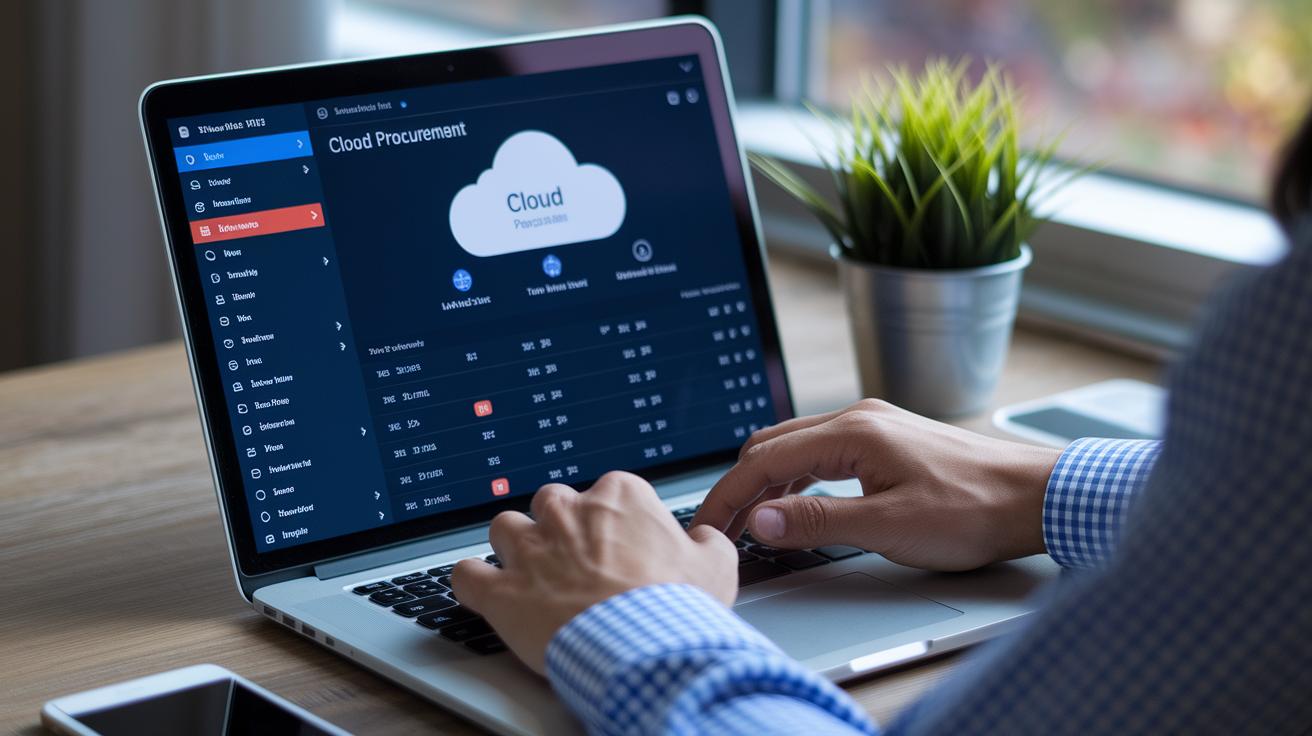
Cloud-based procurement tools are also shaking things up. They let teams work together from anywhere by offering remote access, live data sharing, and smooth connections with platforms like SAP Ariba or Oracle Procurement Cloud. This means that no matter where you are, you can keep your buying strategies flexible and on track.
There’s also an ongoing debate: Should you use an all-in-one procurement system that covers every step, or are specialized tools better for tasks like spending analysis and online sourcing? Many professionals are weighing these options.
Today’s trends also put a spotlight on ESG and supplier diversity tools. These help companies meet rules and promote sustainability. In short, modern IT buying isn’t just about new gadgets, it’s about making smarter, greener decisions.
Tech Procurement Lifecycle: End-to-End IT Buying Process

The tech procurement lifecycle is a step-by-step process designed to ensure every decision, from planning to payment, matches your business needs. It kicks off with a clear needs assessment and budgeting phase. Here, companies pinpoint what technology they require and estimate costs, much like planning a budget for both urgent IT repairs and future cloud solutions.
Next, the focus shifts to strategic sourcing and supplier evaluation. During this stage, teams carefully review various vendors and compare their offerings on the basis of quality, reliability, and price. Following this, they move into contract negotiations where procurement professionals work side by side with suppliers to set the deal's specifics and secure the best terms. Using digital contract management tools can speed up this process by tracking revisions in real time.
Once an agreement is reached, the next step is issuing the purchase order. This formal document marks the official start of the acquisition. The cycle wraps up when the order is received, invoices are processed, and payments are made. In the early 2000s, cloud-based automation first streamlined these tasks; today, ERP-linked modules integrate orders, supplier management, inventory, and spend analytics into one unified system.
This connected approach stands in stark contrast to older point solutions that handled tasks in isolation. It perfectly balances the strengths of comprehensive suites with specialized tools, streamlining the tech purchasing journey in today’s market.
Tech Procurement Vendor Selection and Risk Management

This section dives into clear, results-focused methods for choosing vendors and managing risks. Instead of rehashing old topics about risk and compliance, we’re zeroing in on smart ways to review suppliers and boost how smoothly your operations run. For instance, some companies set up standard performance reviews, one surprising audit even showed a 30% jump in on-time deliveries after updating how contracts were monitored.
Key practices include:
- Running thorough risk checks on third parties
- Checking sustainability and ESG ratings
- Keeping up with regulatory changes using compliance dashboards
- Following supplier metrics like delivery performance and spend variance
- Using contract-management tools to keep clear audit trails
- Spreading out your supplier base to cut down on dependency risks
These focused steps not only tighten up your compliance framework but also help you consistently improve supplier performance without repeating ideas from other parts of procurement.
Tech Procurement Careers: Roles, Skills, and Salary Benchmarks for IT Buyers

Tech procurement is a broad field where you might find yourself working as a Procurement Technician, Procurement Analyst, Sourcing Manager, Lead IT Sourcing Manager, or Senior Procurement Specialist. In today’s fast-evolving landscape of interconnected systems, from ERP modules to complete end-to-end suites and targeted point solutions, keeping up can feel a bit like flying a plane. Imagine a Procurement Analyst scanning a real-time data dashboard, much like a pilot glancing at instrument panels to steer through changing skies.
These jobs call for strong skills in data analysis, negotiation, and supplier management, along with a solid grasp of specialized software. Take a Sourcing Manager, for example: one day, you might be comparing vendor proposals and the next, streamlining the process with the latest automation tools. Entry-level roles in IT procurement usually start with competitive salaries that grow as you pick up experience and skills on the job. As you move up, you’ll not only step into leadership positions but also see meaningful improvements in your compensation. Every software update or process innovation offers a fresh opportunity to boost efficiency and drive cost savings in digital sourcing.
Final Words
In the action, this article explored key facets of tech procurement, covering digital asset buying fundamentals, strategies for cost control, essential software tools, emerging trends, vendor management, and career paths.
It brings together clear ideas and practical examples that can guide your day-to-day decisions.
These insights help simplify long processes into manageable steps, making smart moves attainable. Embrace the approach and see how straightforward planning and analysis can boost your impact in the market.
FAQ
What is tech procurement and what is a procurement tech?
Tech procurement refers to the end-to-end process of planning, sourcing, purchasing, and paying for IT assets, while procurement tech describes the digital solutions that simplify and streamline these activities.
What are the 4 types of procurement?
The four types include direct procurement for IT hardware and software, indirect procurement for general office needs, services procurement, and the acquisition of capital goods essential for business operations.
What is tech procurement salary?
Tech procurement salary reflects the specialized skills required in managing IT purchases, with competitive pay based on experience, role complexity, and regional market demand.
What are tech procurement jobs?
Tech procurement jobs center on planning, sourcing, and managing IT asset purchases, demanding proficiency in analysis, negotiation, and supplier management within a dynamic marketplace.
What does tech procurement school entail?
Tech procurement school typically involves specialized education or training programs that cover the key concepts of digital asset acquisition, supplier evaluation, and cost optimization strategies.
What is referred to by tech procurement PDF?
Tech procurement PDF often denotes downloadable guides or case studies outlining best practices, strategic frameworks, and process guidelines useful for professionals in digital purchasing.
What are tech procurement companies?
Tech procurement companies specialize in sourcing IT products and services, helping organizations manage the buying process efficiently while optimizing costs and ensuring reliable vendor relationships.
How do you get into tech procurement?
Getting into tech procurement generally starts with gaining a strong grasp of IT purchasing processes, developing negotiation skills, and building experience through relevant training or entry-level roles.
What does a tech procurement course cover?
A tech procurement course covers topics such as IT asset planning, sourcing strategies, market analysis, supplier performance, and cost control techniques, providing a comprehensive view of digital acquisition.
What is tech procurement Reddit about?
Tech procurement Reddit refers to community threads where professionals exchange practical advice, share industry experiences, and discuss the latest trends in digital asset sourcing and supplier management.