

Have you ever thought about how stepping into a digital world might feel as real as the one we walk around in every day? VR technology turns that idea into reality with headsets that bring vivid virtual spaces right to your eyes.
It all started in the 1980s, and things really took off with the Oculus Rift Kickstarter. Now, VR isn’t just for gamers, it’s changing how we learn, train, and even work.
In this article, we’ll show you how VR is paving exciting new paths. It blends the fun of interactive play with real-life benefits that make our daily routines a bit more magical.
Comprehensive Overview of VR Technology

Virtual reality is a technology that lets you step into a digital world where everything feels real. With a simple headset (and sometimes a few extra gadgets), you can explore environments that react to your every move. It’s almost like magic, some setups are so immersive that you might briefly lose track of where you are!
The idea of VR started back in the 1980s with early research that laid the foundation for today's digital experiences. It really took off in the early 2010s, fueled by breakthroughs like Palmer Luckey’s Oculus Rift, which famously raised $2.4 million on Kickstarter. This moment opened up exciting new possibilities in gaming, training, and digital art, driving further innovation in the field.
Today, VR is changing the way we work, play, and learn. Whether you're collaborating with colleagues on a remote project or enjoying an interactive educational module, virtual worlds blend fun with practical benefits. As the technology grows, it continues to unlock creative and transformative experiences in digital communication and beyond.
Evolution and Milestones of VR Technology

VR technology has evolved dramatically from its experimental days in the 1980s. Those early prototypes opened a window to simulated worlds and sparked the curiosity that would lead to revolutionary breakthroughs. I still remember the buzz around the 2012 Oculus Rift Kickstarter, it really marked a turning point, shifting VR into the realm of smart, head-mounted displays. Today, every couple of years, we see a new version hit the market, each one even lighter and more powerful than the last.
| Year | Milestone |
|---|---|
| 1980s | Concept emergence |
| 2012 | Oculus Rift Kickstarter |
| 2020s | Standalone headset launches |
As VR continues to mature, ongoing hardware improvements are driving fresh waves of innovation. Each new headset brings better features, lighter builds, stronger performance, and crisper displays, that make immersive digital experiences more accessible to everyone, from casual users to busy professionals. It’s clear that these steady advances aren’t just fueling consumer excitement; they’re also paving the way for a future where immersive tech reshapes how we interact with digital content.
Core Components of VR Technology
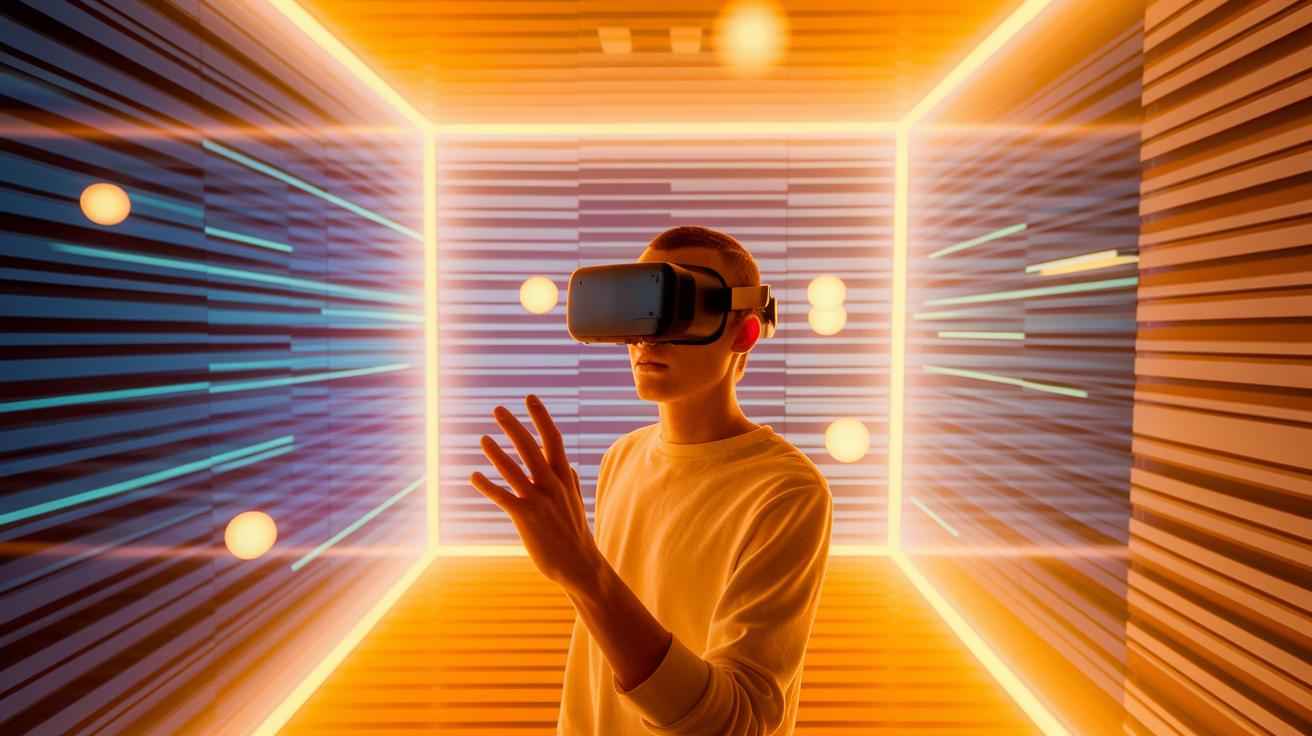
VR tech paves the way for digital worlds that feel surprisingly real. It all starts by mixing top-notch devices with clever software to create scenes that aren’t just pretty to look at, they react just like the real thing.
Take a look at some of the key pieces:
- High-refresh-rate, high-fidelity head-mounted displays that deliver clear, immersive visuals.
- Real-time tracking systems for head, hand, and body movements, ensuring every gesture looks natural.
- Spatial audio tech that mimics sound direction, giving you a real sense of space.
- Advanced 3D graphics engines that bring photorealistic environments to life with smooth, detailed motion.
Imagine putting on a modern headset. The display refreshes so quickly that your eyes barely notice any lag. At the same time, the tracking system picks up every subtle move you make. Then, spatial audio surrounds you, anchoring you in a digital space that sounds as real as it looks. Behind the scenes, the graphics engine works hard to update visual details on the fly as you move and interact.
This natural blend of components turns VR from a simple set of images into an engaging, lifelike experience. Whether you’re exploring new worlds, learning something new, or even just having fun, VR is built to adapt and respond in ways that used to belong only in science fiction.
VR Technology in Gaming and Entertainment
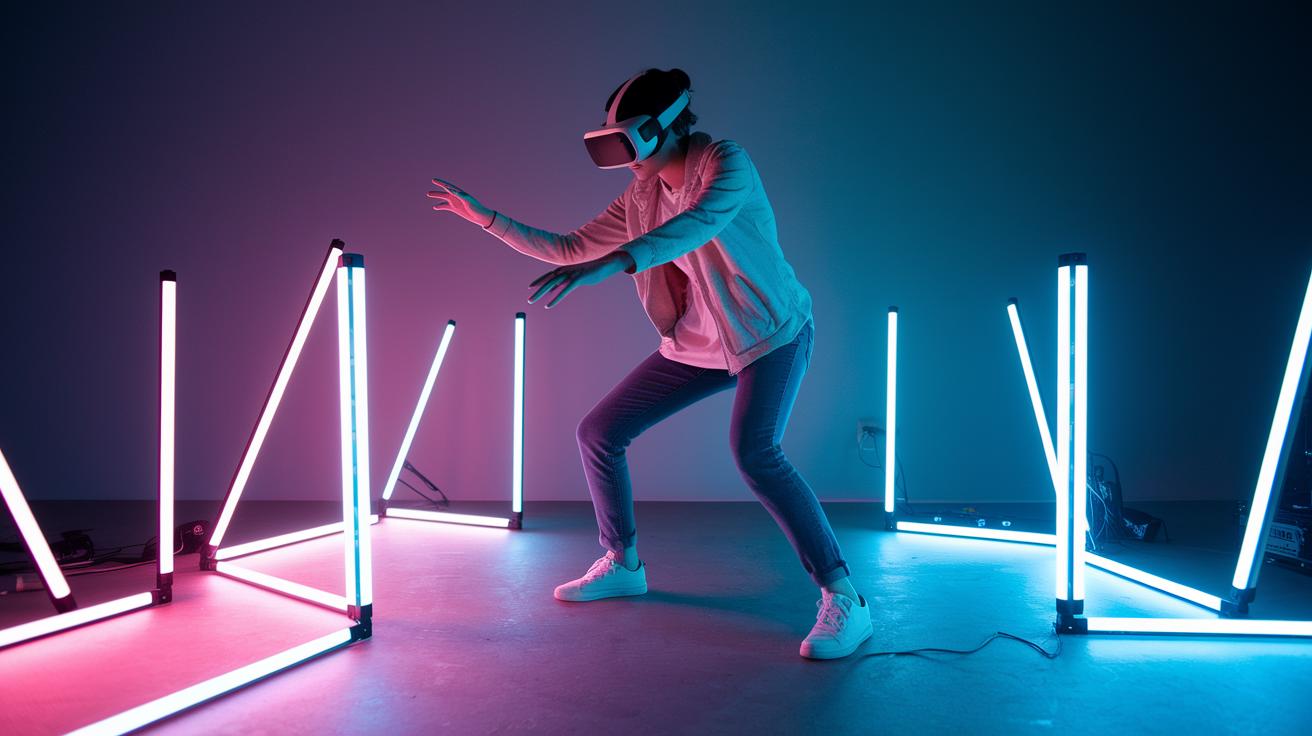
Gaming is taking on a whole new life with VR. It’s not just about hitting buttons anymore, it's about feeling every moment with all your senses. For example, think about games like Beat Saber and Pistol Whip. They turn simple rhythmic moves into a high-energy adventure where each gesture feels instantly rewarding. Imagine dodging neon obstacles to the beat of a pulsating soundtrack. It’s a clear sign that VR is reshaping how we have fun.
Social VR is also making waves by creating digital hangout spots for gamers around the world. Platforms like VRChat and Rec Room are home to millions looking to share wild adventures and casual chats. Picture joining a virtual concert where people from every corner of the globe meet to enjoy live music, swap stories, and even dance together. These aren’t just games, they’re lively meeting places where genuine friendships can spark.
VR's magic doesn't stop at gaming. Think about virtual museums where you can get up close with stunning art or historic treasures, all from your favorite chair. And then there are live VR events and immersive cinemas that let you dive into movies or sports from totally fresh angles. It’s like stepping right into the middle of an action scene, turning watching into becoming part of the story.
In short, VR is changing entertainment by mixing play, social fun, and deep storytelling into one dynamic digital experience.
VR Technology for Training and Education

Virtual reality is changing how we learn by letting us dive into digital worlds where real-life challenges come to life, in a safe, virtual space. This hands-on method turns learning into an interactive, engaging experience that sticks.
Companies are catching on, using VR to train employees in ways classic methods just can’t match. Think about a big retailer that’s used VR to train 1 million people. Their setup simulates real customer interactions and daily operational challenges. It gives staff the chance to navigate familiar work scenarios and build confidence, all without the risk of real-world errors.
Schools and universities are stepping into the VR arena too. In medical schools, students get to practice surgeries in simulations that look and feel real. Engineering programs, on the other hand, bring complex technical challenges into a virtual lab. These VR tools complement textbooks and lectures, offering a clear, practical way to learn and remember important skills.
On top of that, smart learning simulators provide instant feedback and track progress. They help learners see exactly how they’re doing, making it easier to hone skills and really get the most out of each training session.
Enterprise and Professional VR Technology Applications
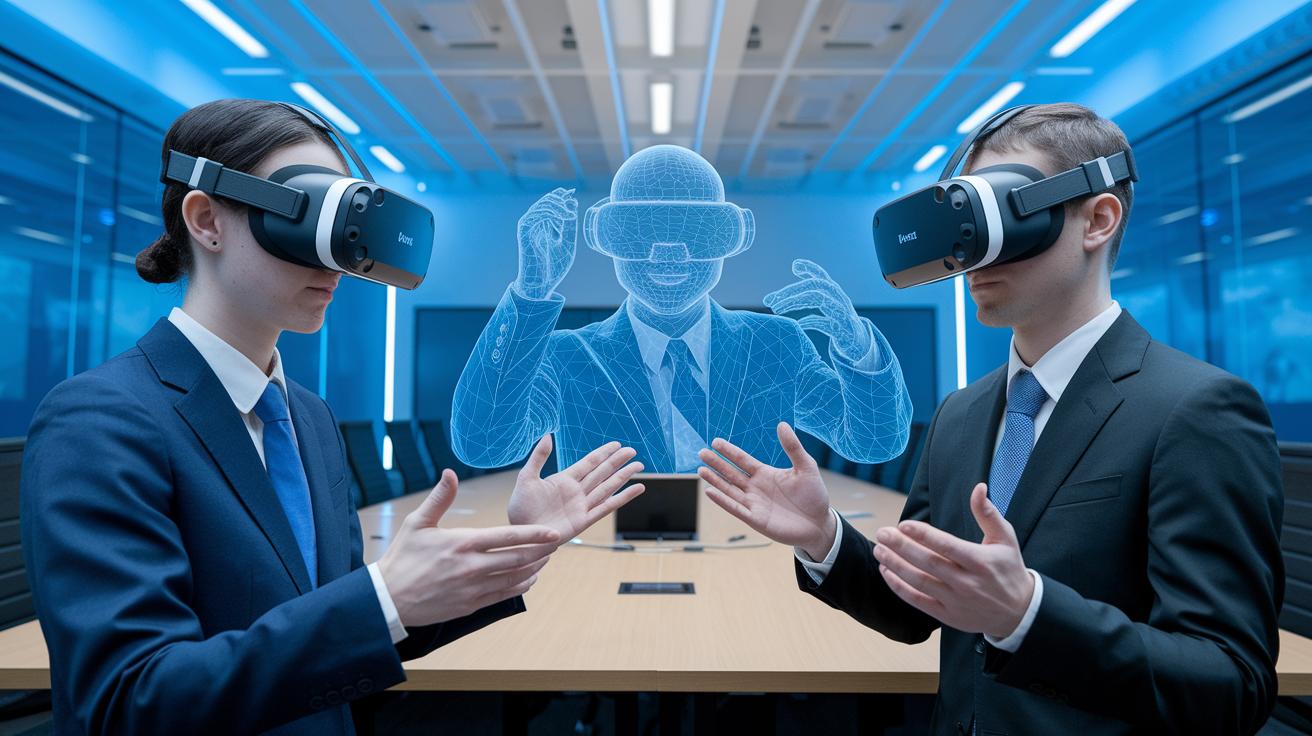
Virtual Reality is quickly making its mark in the corporate world. It’s not just a buzzword, businesses are using VR to bring teams closer together and break free from the limits of physical offices. Many companies now mix VR with standard meetings to overcome geographical hurdles and boost collaboration.
Think of it this way: with VR meeting tools, you can host virtual conferences, brainstorm in 3D spaces, or dive into strategic discussions like never before. For instance, platforms such as Horizon Workrooms let each participant step into a digital avatar, closely mimicking in-person interactions. Imagine gathering around a virtual table to review project updates in real time, it's a refreshing upgrade from typical video calls.
VR isn’t only shaping meetings. It’s also key in design and digital twin integrations. Architects and real estate pros are now offering virtual walkthroughs, letting clients experience spaces before they're even built. In manufacturing and the automotive world, VR-driven digital twin systems simulate processes and test prototypes live. This hands-on approach not only saves time but also cuts down on risks, bridging the gap between creative ideas and real-world execution.
Recent Advancements in VR Technology
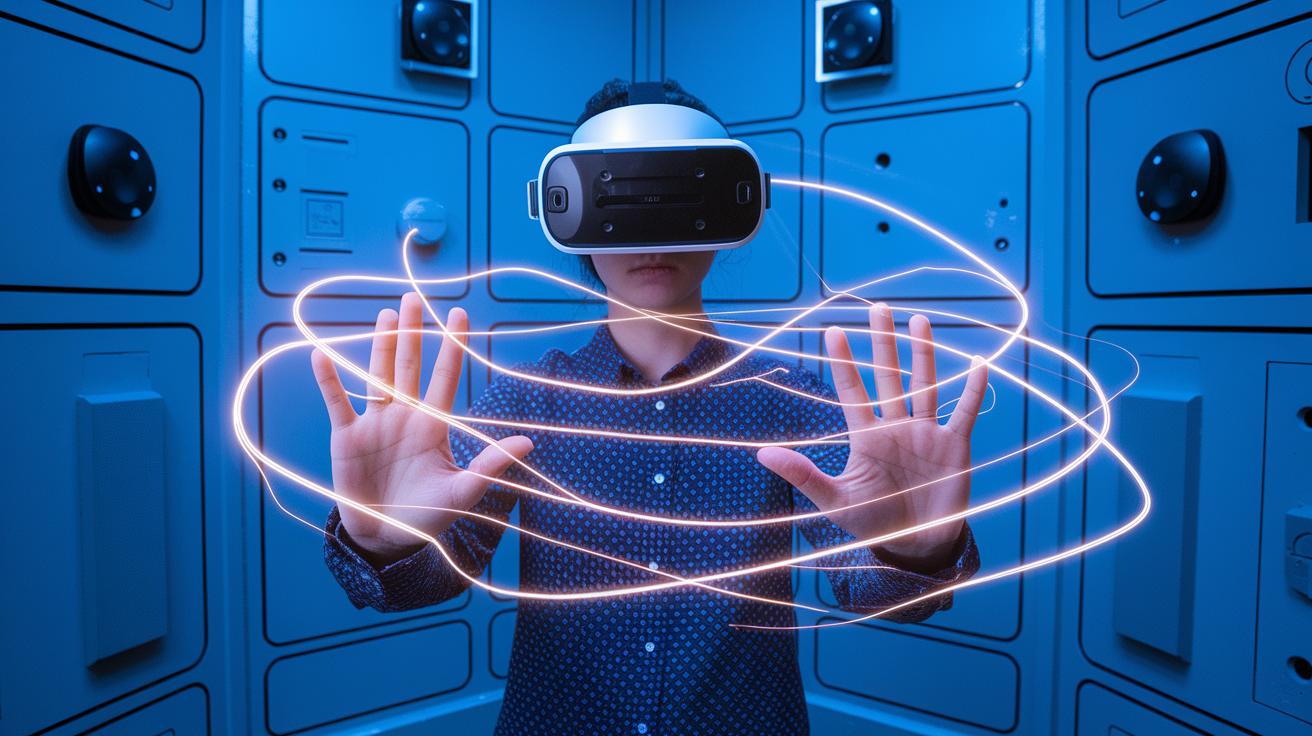
Recent breakthroughs in AI-based computer vision and machine learning have changed the game for tracking user movements in VR. These clever algorithms team up with modern sensor arrays to catch every small gesture, so the virtual world moves with you in real time. For example, developers can now create content that changes on the fly based on what you do. Can you believe that one test showed an AI-powered VR system picked up micro-movements 40% faster than older models?
Standalone headsets like Meta Quest 3 and Pico 5 are making immersive experiences easier for everyone. They combine smart motion tracking with high-performance screens in light and portable designs. By removing the need for big external computers, these headsets deliver crisp visuals and smooth responsiveness at a price that’s within reach. Imagine diving into a virtual world where your headset handles all the heavy computing, giving you a seamless experience any time of day.
Innovative multi-sensory gear, such as haptic gloves and full-body suits, is taking VR from a sight-and-sound experience to one that also lets you feel. These devices offer tactile feedback that mimics real-life sensations, like a gentle buzz or a firm press, making the virtual world feel more real. Picture trying on a digital outfit and actually sensing its texture and fit.
Meanwhile, improvements in GPUs and 3D graphics engines have brought ultra-realistic textures and high frame rates to the forefront. Modern processors now capture small details like natural lighting and reflective surfaces, ensuring that every move and scene looks smooth and lifelike. As these graphics continue to advance, virtual worlds offer clear, engaging visuals that keep you completely immersed.
Emerging Trends and Future Directions in VR Technology

Virtual reality is gaining traction like never before. Experts expect the number of active users to jump from 171 million in 2024 to 216 million by the end of 2025. This isn’t just about more users, it marks a clear shift toward smarter, more connected virtual worlds that blend the digital with the physical.
The buzz is only growing as augmented reality meets VR, forming mixed-reality experiences that feel more like a natural extension of our everyday lives. Imagine walking into a virtual showroom where product displays respond in real time to your every move. This kind of innovation is sparking fresh excitement across industries, from creative marketing to next-level education.
At the same time, breakthroughs in machine learning and spatial computing are laying the foundation for truly intuitive, touchless control. New gesture-recognition systems and neurointerfaces promise to make navigating digital spaces as simple as a wave of the hand. That means businesses can use VR not just for immersive training or virtual meetings, but also for handling complex data in ways that feel remarkably natural.
Looking ahead, the future of VR points to a fully integrated digital ecosystem where mixed-reality becomes standard practice. Machine learning is set to fine-tune how we interact with these spaces, adapting in real time to our needs. For companies, this trend is an exciting opportunity to reinvent virtual workspaces, where interactive simulations and smart analytics drive productivity and spark creativity.
Final Words
In the action, the blog post brings to life vr technology’s rich history and its modern impact, covering everything from immersive gaming and training modules to transformative enterprise applications. It highlights key milestones, core components, and current advancements that continue to reshape digital interactions and market strategies. With clear examples and a friendly tone, the narrative shows how practical insights can drive strategic decisions. There's a sense of excitement as new trends emerge and continue to refine our digital experiences.
FAQ
What is virtual reality technology, and how does it work?
Virtual reality technology creates immersive digital environments using head-mounted displays and sensors to track movement, allowing users to interact with computer-generated 3D worlds in real time.
What are the three types of virtual reality?
The three main types of virtual reality include non-immersive, semi-immersive, and fully immersive experiences, each offering varying levels of engagement and interactivity.
What is the price range of VR technology?
The VR technology price varies widely, with budget-friendly models available alongside premium systems that offer advanced tracking, better displays, and enhanced sensory feedback.
What are some virtual reality examples and applications?
Virtual reality examples and applications span interactive gaming, immersive training, digital art, and design simulations, all using headsets and sensors to create engaging, realistic experiences.
What is a virtual reality headset?
A virtual reality headset is a wearable device that displays computer-generated 3D environments, often with integrated tracking and audio features for a complete interactive experience.
What are the advantages of virtual reality?
Advantages of virtual reality include enhanced engagement through immersive learning, realistic training environments, interactive digital experiences, and creative applications in both entertainment and professional sectors.
Who are some leading VR technology companies?
VR technology companies such as Meta, Sony, and HTC are at the forefront, continually innovating immersive systems and interactive solutions for a variety of digital experiences.
Are VR games a key part of virtual reality entertainment?
Virtual reality games are a central part of the digital experience, offering interactive and immersive gameplay that transforms traditional gaming into dynamic, hands-on activities.
Is VR healthy for your eyes?
While VR can cause eye strain with prolonged use, taking regular breaks and properly adjusting the headset can help maintain eye comfort during immersive sessions.


