
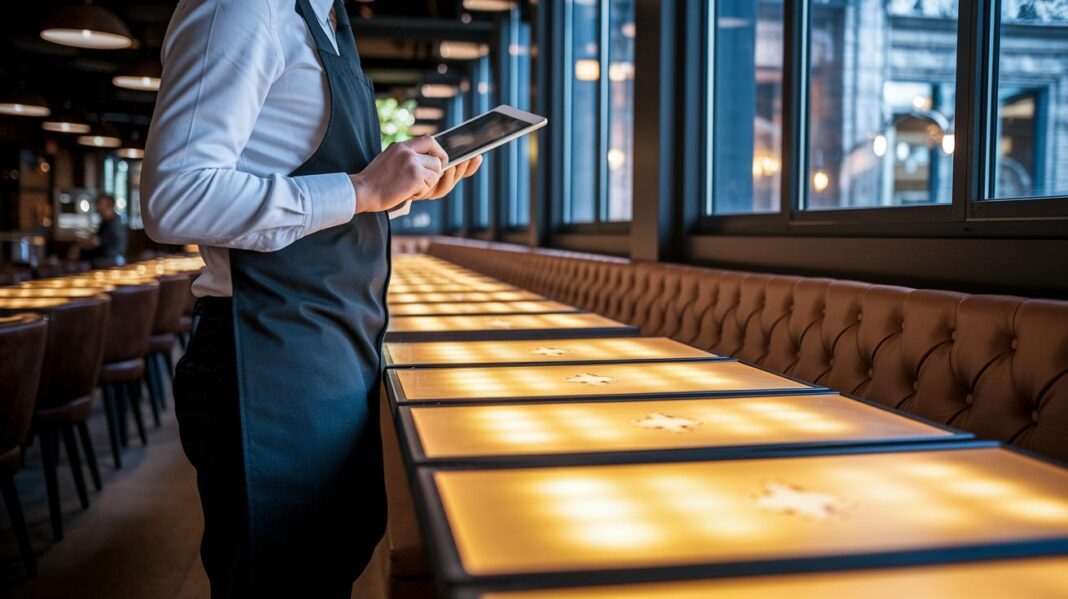
Ever thought about how tech might spark a whole new vibe in your dining experience? Imagine walking into a restaurant where every detail is connected, from the moment you order to real-time menu updates.
The system is so smart that the staff already knows your favorite dish, and the kitchen runs like a perfectly timed routine. With these modern tools slicing order times and boosting teamwork, every meal feels more relaxed and personal.
Next time you dine out, picture a space where technology meets hospitality, transforming a busy restaurant into a warm, welcoming spot that makes each visit feel a little more special.
Essential Restaurant Technologies to Boost Efficiency and Experience
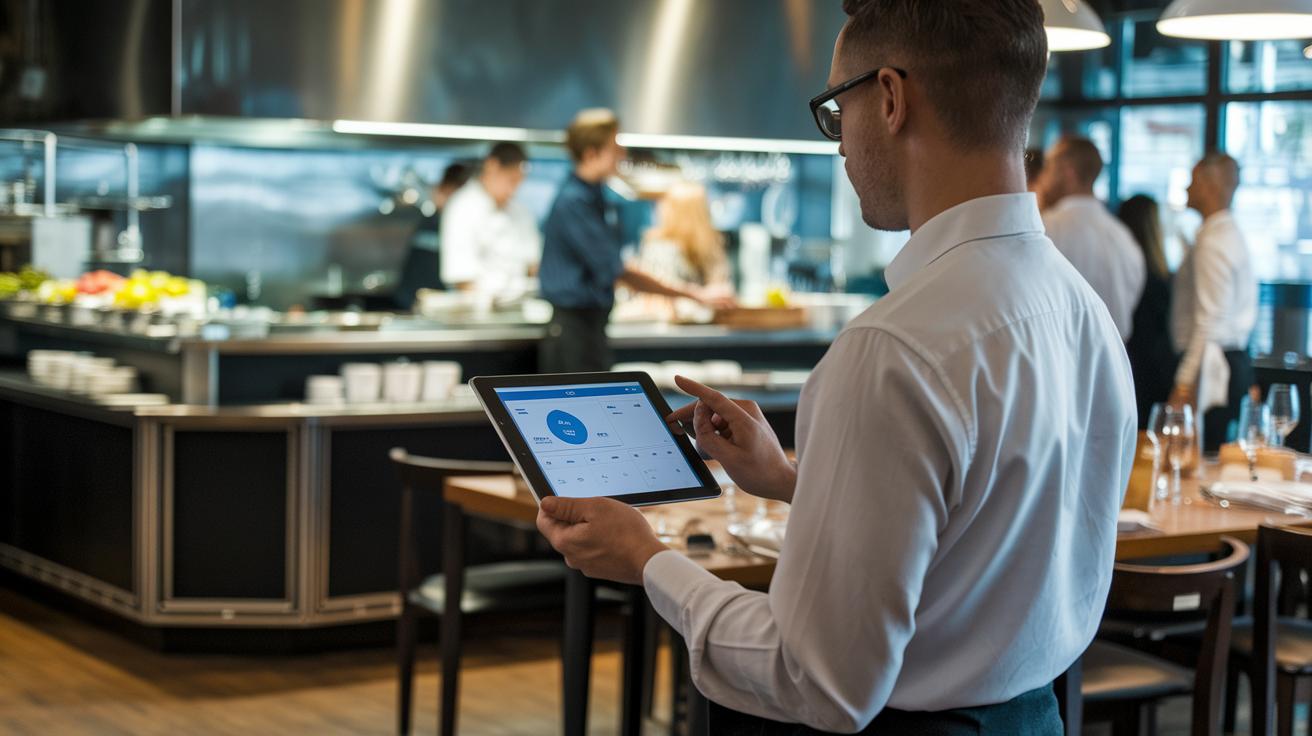
Unified systems can turn a frenzied dining room into a smoothly run space. They connect everything from taking orders and processing payments to kitchen workflows, reservations, loyalty programs, and checking analytics, all in one place. Cloud-based platforms and smart apps work together so staff can update orders in real time, adjust table settings, and even keep track of guest favorites. Fun fact: restaurants that use these integrated systems can cut order processing time by up to 30%, meaning happier guests and a quicker kitchen.
Digital transformation also makes life easier behind the scenes. With streamlined communication between dining staff and kitchen teams, technology not only speeds up service but also creates memorable dining experiences. Imagine a system where every touchpoint, from placing an order to completing a payment, is perfectly synced, keeping operations smooth and guests smiling.
- Point-of-sale and payment platforms
- Digital ordering and guest apps
- Kitchen display and management tools
- Table reservations and seating software
- Loyalty and analytics dashboards
By connecting all these elements, modern restaurants can offer a dining experience that’s both efficient and engaging. Every step, from ordering to receiving rewards, works together to create a seamless and enjoyable visit, truly a win-win for both staff and customers.
POS and Payment Innovations in Restaurant Technologies
Restaurants used to rely on clunky cash registers, but the move to mobile and cloud-based systems has completely changed how transactions happen. Now, modern POS platforms work seamlessly with digital devices, making checkout faster and easier to understand. These systems update in real time and keep everything connected to boost overall service.
| Platform | Key Features | Pricing Tier |
|---|---|---|
| AlphaPOS | Cloud connectivity, mobile pay integration, & real-time analytics | Mid-range |
| BetaRegister | Contactless payments, hardware upgrades, & smart billing | Premium |
| GammaCheckout | QR code checkouts, smooth payment gateway, & mobile-friendly interface | Economy |
Today’s restaurants are all about ensuring safe, contactless transactions and smooth mobile payments. These features make interactions touch-free and speed up the whole process. When hardware gets an upgrade, performance, and reliability, gets a big boost too. As a result, every payment goes through efficiently, making customers happier and giving restaurants a competitive edge in a fast-paced, tech-driven market. It’s all about merging convenience with the latest technology to create a streamlined dining experience.
Reservation and Table Management Technologies

Online booking systems and digital table managers have reshaped how restaurants welcome guests. Customers can now reserve tables via simple online portals, while staff get live updates on available seating. This means less waiting and more time enjoying a meal. These tech tools automatically sort reservations, monitor table statuses, and adjust seating layouts, making it easier to handle those busy times.
Here’s what these systems bring to the table:
- Automated table assignments
- Reduced guest wait times
- Integrated waitlist alerts
- Sync with staff schedules
- Data-driven seating optimization
By automating table assignments, restaurants ensure a smooth transition between when guests leave and when new ones arrive. This keeps seating efficient and any downtime to a minimum. Quick waitlist alerts and syncing with staff schedules mean the team is always in the loop, ready to adjust as needed. Plus, with data-guided seating, managers can make smart decisions that improve the guest experience and boost staff productivity. These systems even connect with workforce scheduling tools so that staffing levels adjust in real time, helping maintain quick table turnovers and top-notch service every shift.
Digital Ordering and Customer Engagement Technologies
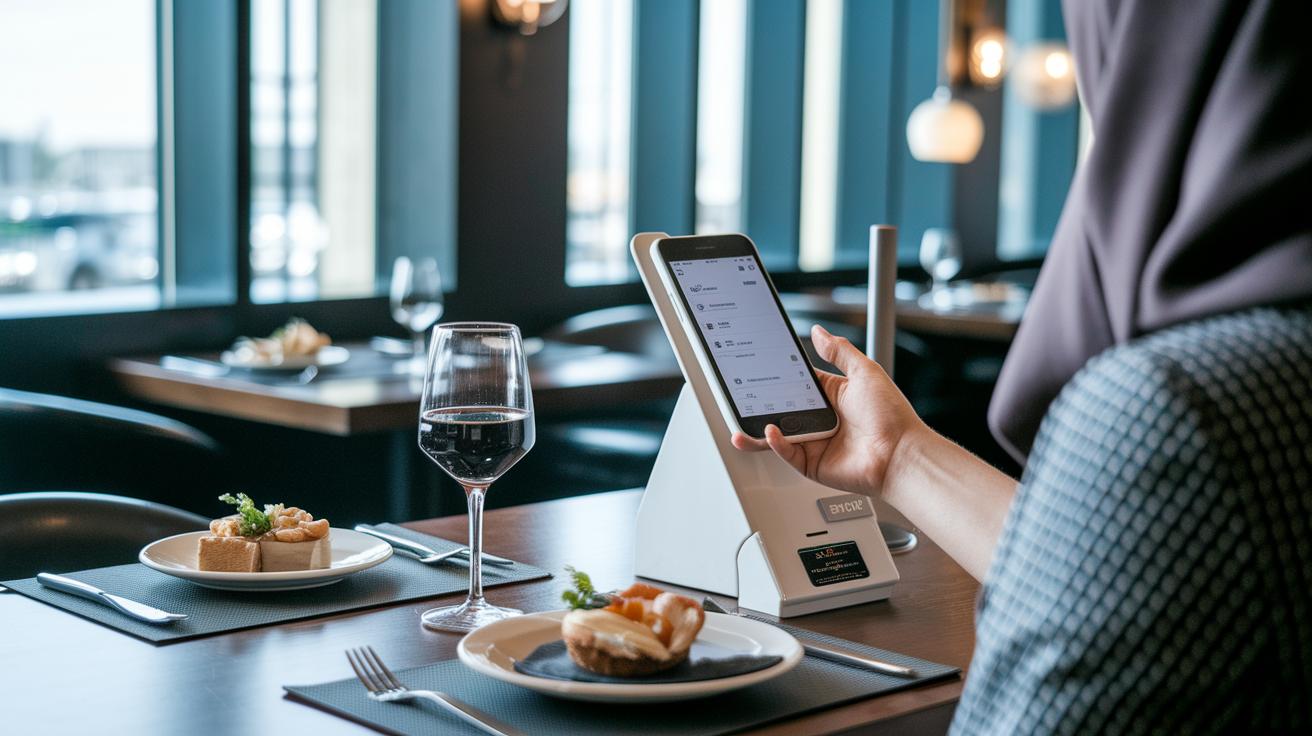
Mobile service apps and self-service kiosks are quickly gaining popularity for dine-in, takeout, and delivery. Restaurants now offer digital platforms that let guests order from their smartphones or use kiosks on-site. This approach cuts down on staff interactions while giving customers an easy way to customize their meals. For instance, a kiosk might show clear pictures of menu items, allowing guests to select options quickly for dine-in or speedy delivery.
QR-code menus and in-app chat assistants further smooth out the ordering process by linking customer choices directly to the kitchen. When someone scans a QR code, a detailed menu pops up on their device so they can browse, order, and even leave feedback in real time. These chatbots can answer questions, point out popular items, and send orders directly to the kitchen, making the whole experience almost effortless.
On-demand service portals and virtual service agents handle custom requests that go beyond the standard menu. They make special orders, changes, and dietary modifications simple through interactive interfaces. By keeping track of metrics like order completion times and usage rates, restaurants can fine-tune these tools to continuously boost both the dining experience and operational efficiency.
Kitchen Management Solutions and Smart Appliances
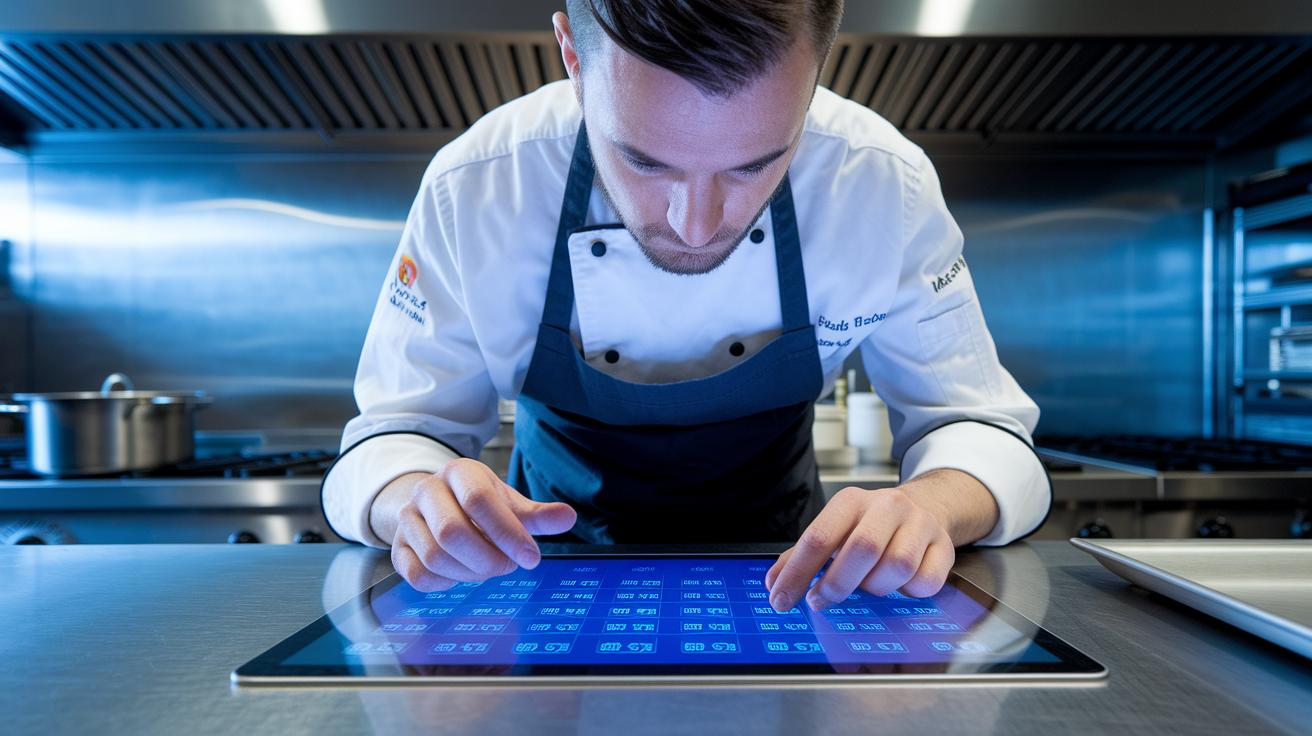
Cloud-based kitchen management software and digital display screens are seriously changing the back-of-house game. Nowadays, tools come with real-time monitoring and inventory tracking that make juggling daily tasks a breeze. By linking everything, from connected operations to smart appliances, kitchen teams can handle orders, adjust cooking times, and keep an eye on stock levels all from one simple dashboard. Picture a chef watching fresh orders pop up on a digital screen while gentle alerts remind the team to restock vital ingredients. It’s efficient, it cuts down on manual work, and it makes the whole process faster and more reliable.
Case Study: RTI Total Oil Management System
RTI’s patented oil management system is a great example of smart tech boosting kitchen operations. The setup features a fresh oil tank, a used oil tank, and specially designed hoses connecting directly to the fryer. An external fill box, complete with a built-in filtration unit with easy-to-read selectors and gauges, gives operators clear control. The design fits right in with existing fryers, using a high-temperature pressure hose to transfer oil safely.
Flip the function selector to disposal, and the used oil flows into its tank. Switch it over, and fresh oil travels through a food-grade hose directly into the fryer. Plus, used oil is pumped out through an external port for recycling. This closed-loop solution not only cuts down on labor but also ups reliability and helps meet recycling guidelines. It’s a smart, integrated way to make kitchen processes more efficient while supporting sustainable practices in the culinary world.
Data Analytics and Loyalty Programs in Restaurant Technologies

Dashboards have become the central hub for monitoring restaurant performance. They keep track of sales, highlight the most popular menu items, and capture guest preferences in real time. Picture a screen lighting up with the day's trends, this helps managers quickly zero in on the dishes that keep guests coming back. This immediate, visual feedback not only fine-tunes the dining experience but also helps shape menu updates and special promotions.
Predictive analytics engines take guest engagement a step further by learning from ordering habits and behaviors. They serve up personalized offers and adjust pricing on the fly based on emerging patterns. As new guest data comes in, these dynamic models evolve to match the latest trends, personalizing the experience while boosting revenue and keeping loyal customers excited for their next visit.
Building a Custom Loyalty App
A well-designed rewards app focuses on smart design choices and clear reward tiers. By integrating seamlessly with your existing POS systems and customer management tools, it simplifies tracking digital transactions. In turn, this integration can increase average check sizes and ensure that guest engagements are both timely and relevant.
Integration and Emerging Trends in Restaurant Technologies
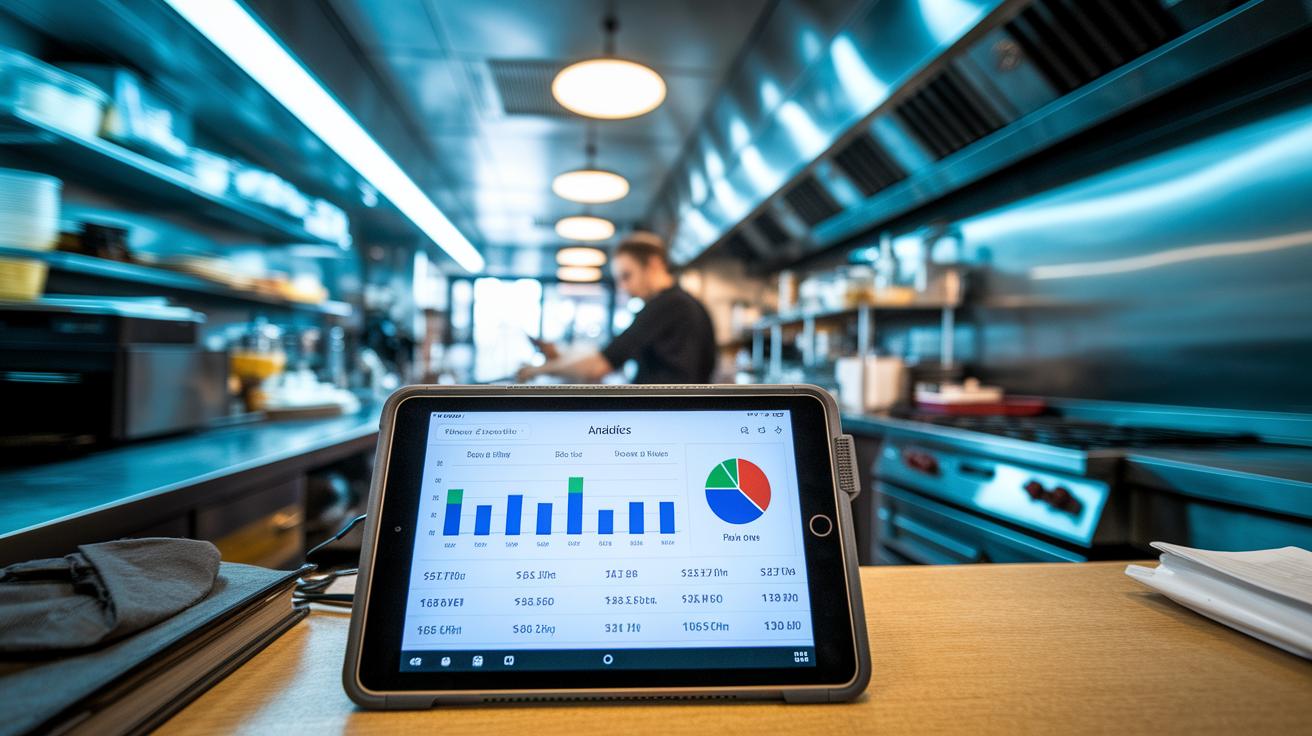
Getting your point-of-sale, kitchen, ordering, and analytics systems to work together is like making sure every member of a team knows their part. When these systems sync up seamlessly, communication flows better and you can avoid those annoying hiccups. Often, restaurants choose flexible tools that slot right into their existing setup, cutting downtime and keeping everything in step.
Security stays front and center. Restaurants are stepping up by using stronger encryption and tighter access controls to protect both transactional and customer data. They follow key industry guidelines to fend off cyber threats, ensuring that every bit of sensitive information remains private. This solid security approach builds trust among staff and customers alike.
Trends in restaurant technology are moving fast. AI-powered automation is clearing out manual errors and speeding up order processing, making operations smoother. Cloud-first systems centralize data management and make it easier to update tech as needs change. Plus, having a reliable technical support network makes tackling challenges easier. In fact, these tech advances are gearing restaurants up not only to boost current operations but also to face future challenges head-on in an ever-changing market.
Final Words
in the action, we explored how integrated ordering, payment, and kitchen systems work together to speed service and heighten guest satisfaction. We covered a range of solutions, from digital ordering tools and streamlined reservation software to smart kitchen displays and analytic dashboards. These systems not only improve operational flow but also pave the way for smarter decision-making. All these insights add up to a future where restaurant technologies empower businesses to thrive and deliver unforgettable dining experiences.
FAQ
Frequently Asked Questions
What technology is used in a restaurant?
The technology used in a restaurant typically includes integrated point-of-sale systems, digital ordering apps, kitchen display screens, and reservation tools that work together to speed service and boost guest satisfaction.
What does Restaurant Technologies do?
Restaurant Technologies delivers integrated solutions that enhance efficiency through modern POS systems, digital ordering platforms, smart kitchen management, and customer engagement tools designed for a seamless dining experience.
Is Restaurant Technologies a good company to work for, and what are the reviews like?
Reviews on Glassdoor and other platforms suggest Restaurant Technologies is well-regarded, offering supportive career opportunities and an innovative work environment that values employee growth.
Who is the CEO of Restaurant Technologies?
The CEO of Restaurant Technologies steers the company’s mission to innovate restaurant operations, spearheading developments in integration, digital ordering, and overall efficiency within dining establishments.
What are the main features of the RTI oil system and related products?
The RTI oil system is a closed-loop solution that incorporates fresh and used oil tanks, integrated filtration units, and specialized controls for both oil delivery and disposal to streamline operations and support recycling.
Where is Restaurant Technologies located, and who owns it?
Restaurant Technologies is headquartered in Minnesota, with multiple locations, and is led by owner-driven management dedicated to advancing technology solutions across the restaurant industry.
What do restaurant technology companies generally offer?
Restaurant technology companies typically offer end-to-end solutions including POS systems, digital ordering platforms, kitchen management tools, reservation software, and loyalty dashboards that work together to simplify operations.
How does Restaurant Technologies handle customer service?
Restaurant Technologies provides robust customer service that assists with troubleshooting, seamless system integration, and ongoing support to ensure smooth and efficient restaurant operations.
What is Total Oil Management in relation to Restaurant Technologies?
Total Oil Management refers to RTI’s innovative system that uses a closed-loop design for oil filtration, delivery, and disposal, reducing manual labor while improving monitoring and recycling compliance.